
10 Best Gifts for Digital Artists: Essential Tools and Gear for Creative Professionals

Digital art covers drawing, painting, illustration, 3D modeling, and animation done on screens. Artists use tablets, styluses, software, monitors, and accessories to create work faster and with more control than traditional tools allow. Picking the right gear can boost comfort, improve line quality, and cut down on technical hassles.
Buying the best gift for a digital artist means thinking about their workflow and tools. Portability, pressure sensitivity, screen size, compatibility with major art programs, and build quality matter most. A well-chosen gift should match the artist’s main software and working style—whether they need a drawing tablet, a display tablet, or useful accessories like stands and color-accurate monitors. This guide helps readers find gifts that fit skill level, budget, and creative needs.
10 Best Gifts for Digital Artists
Below is a handpicked list of the best gifts for digital artists. It covers tools and accessories that help creativity, comfort, and workflow in digital art.
Art Dice by Two Tumbleweeds
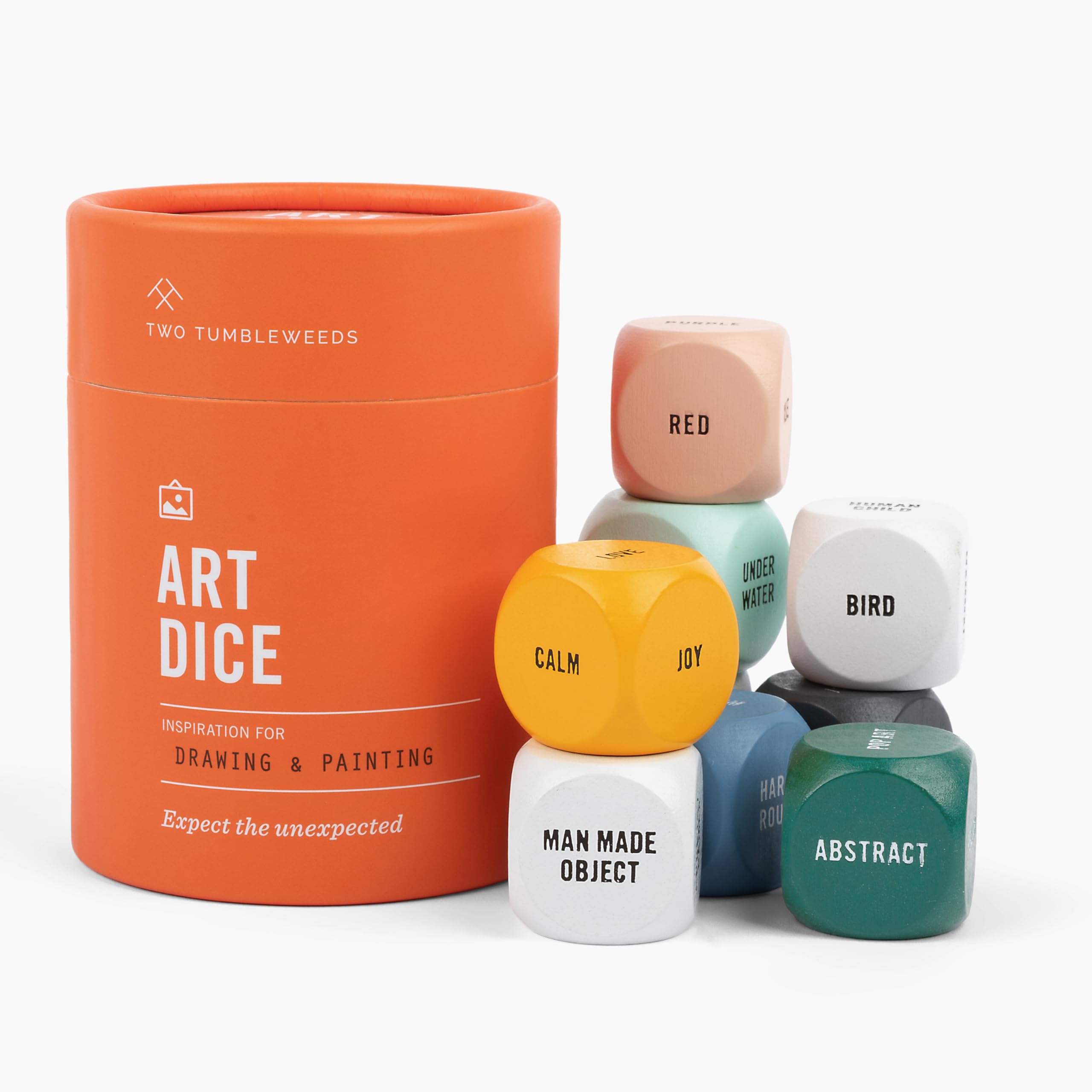
A simple, low-cost tool that helps artists break creative blocks by giving random prompts to spark new ideas.
Pros
- Great for jumpstarting ideas and practicing variety.
- Compact, sturdy wooden dice with clear text.
- Fun to use solo or in groups and classrooms.
Cons
- Prompts can repeat or feel limiting after many rolls.
- Not a substitute for detailed lessons or technique guides.
- Small pieces could be lost if not stored carefully.
The set gives quick prompts that nudge artists out of familiar habits. It works well for warm-ups, timed exercises, or mixed-media experiments.
People can play alone or with others, making it useful for classrooms, workshops, or casual creative nights. The dice encourage trying new subjects, styles, and colors.
Artists who want a simple, playful way to get unstuck will find value here. Those seeking deep technique instruction may want to pair it with a sketchbook or tutorial.
Buddha Board

It is a simple, mess-free tool for short, calming sketching sessions and practicing brush strokes, but it is not a permanent art surface.
Pros
- Easy to use with only water.
- Cleans itself as designs fade, no cleanup.
- Small and portable for desk or travel.
Cons
- Drawings disappear, so not for keeping finished work.
- Limited detail compared to paper or tablets.
- Brush feel may not match traditional media.
The Buddha Board invites quick, mindful practice. It works well for warm-ups, calligraphy drills, or a calm break during a busy day.
Users can set it on a desk or table and paint with the included brush. The image fades slowly, which helps with letting go and trying again without waste.
This makes a thoughtful, low-cost gift for artists who value process and relaxation more than final pieces. For those who want lasting artworks or fine control, a sketchbook or digital tablet fits better.
XP-Pen Cat Print Drawing Glove

It makes drawing on tablets cleaner and smoother, but fit can vary by hand size.
Pros
- Cute, distinctive cat print that adds personality.
- Smooth fabric helps the hand glide over screens and protects from smudges.
- Works for left- or right-handed use.
Cons
- One glove per pack may surprise buyers expecting a pair.
- Fit runs loose or finger-length may be long for some users.
- Inside seams can feel rough to sensitive skin.
This glove suits digital artists who want a simple, light tool to reduce screen smudges and friction. The fabric feels stretchy and breathable, so most users report comfortable wear for short sessions.
They will like the playful cat design that stands out from plain gloves. The pull-on style fits quickly, and the black color hides dirt between washes.
Some buyers find the fit off for very small or very large hands. People sensitive to seams might notice a rough edge inside the fingers.
Kortimu Drawing Glove (Midnight Ink, Large)
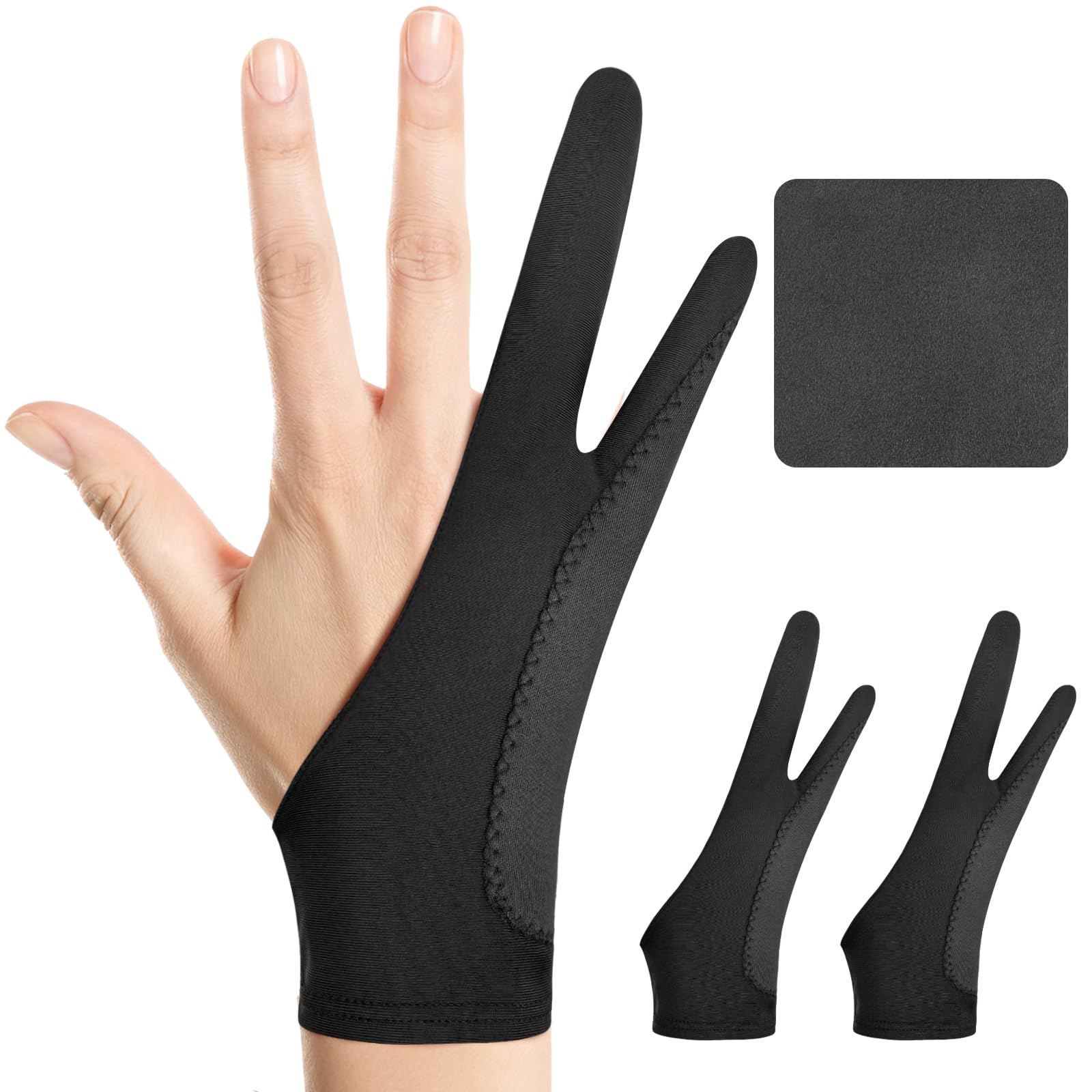
It is a good buy for digital artists who want reliable palm rejection and a snug, breathable glove for long drawing sessions.
Pros
- Ambidextrous two-finger design fits left or right hand easily.
- Smooth, low-friction surface helps stylus glide.
- Breathable fabric keeps hands cool during long use.
Cons
- Some users report seams or wear after short use.
- Sizing can feel tight for some hand shapes.
- Occasional accidental touches still happen for a few users.
The glove keeps the palm off the screen and cuts down on smudges. It comes in a two-pack with a cleaning cloth, so buyers get a backup and something to keep screens clean.
Fabric feels thin and stretchy, which aids comfort and airflow. That same thinness may wear faster than heavier materials for heavy daily use.
This glove works with most tablets and styluses and slides smoothly for line work and shading. It aims to reduce friction so strokes feel more controlled and less jumpy.
HUION Skeleton Artist Glove

It is a simple, affordable glove that cuts friction and keeps a tablet surface cleaner, but fit and lack of touch rejection can limit use.
Pros
- Low friction so the hand slides easily.
- Helps reduce smudges and dust on the tablet.
- Ambidextrous and stretchable for many hand sizes.
Cons
- One size can feel loose or snug for some users.
- Does not provide electronic palm rejection.
- Thin material may wear with heavy daily use.
This glove works for digital sketching, inking, and coloring by lowering drag between the hand and the screen or paper. It uses a soft Lycra blend that feels light and keeps the palm from smudging the work area.
They included a simple skeleton print that hides dirt and keeps the glove looking neat longer. The glove is pull-on and ambidextrous, so it fits left or right hands and many wrist sizes without fuss.
Some buyers found the wrist area loose or the fit smaller than expected, so fit can vary. Users who need active palm rejection from the device will find this glove does not replace that feature.
Overall, the glove suits casual and hobby digital artists who want a low-cost way to reduce friction and keep their tablet cleaner. For a purchase link see the product page: HUION Skeleton Artist Glove for Graphic Drawing Tablet Pad Monitor Painting, Paper Sketching, Suitable for Left and Right Hand Medium Skeleton.
Animator’s Survival Kit

This book is a strong buy for anyone who wants a clear, practical guide to animation techniques and principles.
Pros
- Covers a wide range of animation styles and basics.
- Clear diagrams and step-by-step guidance.
- Trusted reference used by many artists and schools.
Cons
- Dense and heavy to carry around.
- Not focused much on animal animation.
- Some readers may want newer digital-specific examples.
The Animator’s Survival Kit lays out core animation ideas in a direct way. It teaches timing, poses, and movement rules that apply to hand-drawn and digital work alike.
Its pages are full of drawings and clear explanations that help learners see how actions break down. Students and hobbyists can use it as a workbook for practice and study.
The book is large and thorough, so it can feel heavy or overwhelming at first. Still, people who want a solid foundation in animation will find lasting value in its pages.
Buy it from Amazon: Animator’s Survival Kit.
Deco 01 V3 (XP-Pen)

It is a strong budget choice for beginners who want a roomy, portable tablet with a battery-free pen and useful shortcut keys.
Pros
- Large active area that gives more room to draw.
- Battery-free stylus with good pressure and tilt support.
- Easy to carry and connects to many devices.
Cons
- Drivers can be fiddly on some systems.
- Some users report occasional connection hiccups.
- Shortcut layout may need time to get used to.
The Deco 01 V3 offers a big 10 x 6 inch surface that suits sketching, comics, and class notes. Its pen feels natural thanks to high pressure sensitivity and tilt, which helps with shading and line variation.
It works with Windows, Mac, Chrome OS, Linux, and newer Android devices, so it fits many setups. The tablet is thin and light, so artists can take it to school or cafes without much hassle.
Drivers and mapping can be a little tricky for first-time installers, and some buyers mention intermittent connection issues. Despite that, the Deco 01 V3 gives a lot of features for the price and is a solid pick for learners and hobbyists.
Procreate for Digital Artists
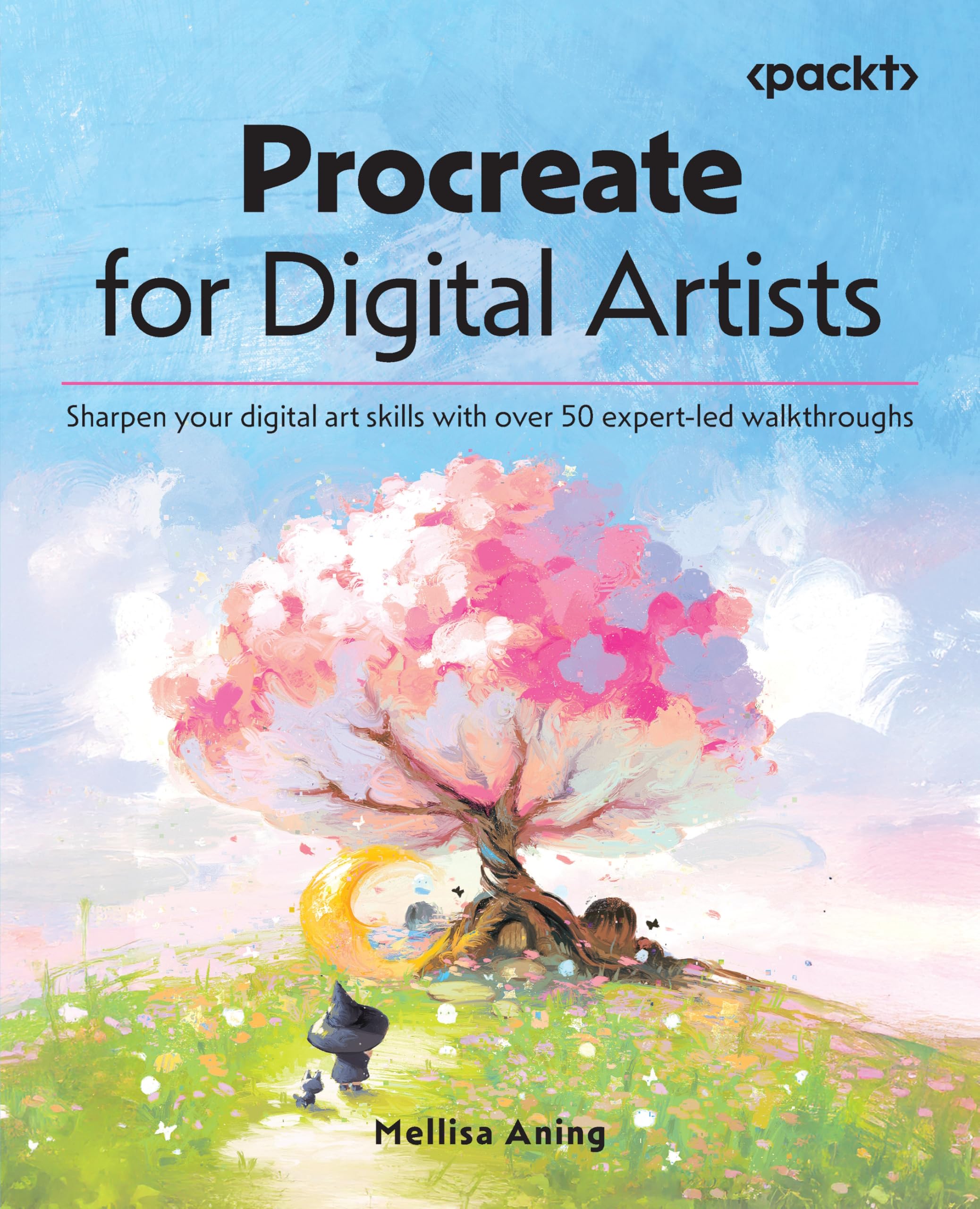
It is a solid gift for artists who want guided, project-based practice in Procreate rather than a basic how-to manual.
Pros
- Clear project walkthroughs that teach art techniques.
- Covers color, lighting, backgrounds, and character work.
- Attractive layout and inspirational artwork.
Cons
- Not a true beginner’s guide to Procreate tools.
- Some sections assume prior art knowledge.
- Writing can feel uneven or bland at times.
This book focuses on step-by-step projects led by experienced artists. It aims to sharpen artistic skills through practical exercises rather than teach every app control.
Readers will find lessons on color theory, perspective, light and shadow, and composition. The tone stays neutral and instructive, with examples meant to inspire practice.
Buyers who already know basic Procreate navigation will gain the most. Those looking for a pure app tutorial may feel frustrated by gaps in software instruction.
Buying Guide
When choosing a gift for a digital artist, they should first think about how the artist works. Consider whether they draw on a tablet, paint in software, or mix photography and illustration. Match the gift to the artist’s main tools and workflow.
Look at key features that affect daily use. For hardware, check pressure sensitivity, active area size, and build quality. For software or accessories, check compatibility, file support, and ease of setup. Battery life and portability matter if the artist travels.
Budget shapes choices. Set a clear price range and weigh which features matter most. Prioritize items that improve comfort or speed, like ergonomic tools or faster storage, over flashy extras.
Check compatibility with the artist’s devices and apps. Confirm operating system support and connection types. Look for accessories like adapters or drivers that make setup simpler.
Read user feedback and technical specs. Pay attention to reliability, warranty, and customer support. Seek options with clear return policies in case the gift doesn’t fit the artist’s setup.
Use this quick comparison table to decide which features to prioritize:
| Feature | Why it matters | When to prioritize |
|---|---|---|
| Pressure sensitivity | Controls line variation | For detailed line work |
| Active area size | Determines drawing space | For large gestures or screens |
| Compatibility | Ensures it works with tools | When using niche software |
| Portability | Ease of travel | For mobile artists |
| Build & ergonomics | Comfort during long sessions | For heavy daily use |
| Battery & connectivity | Reliability and convenience | For untethered or mobile use |
Editor’s picks
They chose items that blend quality, ease of use, and value. Each pick fits common needs: sketching, painting, color work, and hardware upgrades.
- Top pen tablet: Wacom Intuos Pro — reliable pressure sensitivity and build. It suits pros and advanced hobbyists.
- Top display tablet: Huion Kamvas Pro — bright screen and accurate colors. It works well for drawing directly on the display.
- Best budget tablet: XP-Pen Deco or Wacom One — affordable with solid features. Good for beginners and students.
They also recommend tools and extras that save time and improve results.
| Item | Why it matters | Who it’s for |
|---|---|---|
| Graphics tablet | Precise control, pressure levels | Illustrators, concept artists |
| Screen tablet | Draw directly on image | Animators, painters |
| High-quality stylus | Comfortable, low latency | Long sessions, detailed work |
| External monitor | More canvas, accurate color | Multitaskers, color-critical work |
| Color calibration tool | True color outputs | Print and digital color work |
They include software suggestions that pair well with hardware.
They list popular apps: Adobe Photoshop for painting, Clip Studio Paint for comics, Procreate for iPad sketching. Each app has different strengths, so they pick based on what the artist values most.
They suggest buying a spare nib set and a glove. Small, inexpensive items often improve daily comfort and workflow.
Frequently asked questions
What should someone buy first for a new digital artist?
A drawing tablet with a pen is the most useful starter tool. It lets them practice digital techniques and works with many apps.
Does a tablet need high specs to be good?
Not always. Pressure sensitivity, tilt support, and a comfortable pen matter more than top-end specs for most artists. Higher specs help if they work on large files or 3D.
Are software subscriptions necessary?
No. Free and one-time-purchase apps exist and can be enough. Subscriptions often add features, cloud storage, or advanced brushes.
What else makes a good gift besides hardware?
Art books, color guides, reference photo packs, and online classes help skill growth. Comfortable desk gear—like an adjustable chair or good lighting—also improves workflow.
Should gifts focus on brand compatibility?
Yes. Check what the artist already uses (Windows, macOS, iPad) before buying. A gift that matches their device avoids extra adapters or software issues.
How to pick for different experience levels?
Beginners need simple, reliable tools and learning resources. Advanced users benefit from higher-end tablets, a graphics monitor, or specialty software.
Is a warranty or return policy important?
Very. Electronics can fail or not fit an artist’s workflow. A clear return policy and warranty protect the buyer and the recipient.
Conclusion
Choosing a gift for a digital artist means balancing tools, comfort, and inspiration. Practical items like tablets and styluses improve workflow, while accessories such as stands and color-accurate monitors make work easier and healthier.
Consider the artist’s skill level and software preferences before buying. A beginner benefits from an affordable tablet and learning resources. A pro values high-end displays, precision pens, or subscription services that match their workflow.
Gift ideas can fit many budgets. Low-cost options include drawing gloves, brushes, or online class vouchers. Mid-range picks might be a graphics tablet or ergonomic chair. High-end choices include a pen display, a color-calibrated monitor, or premium software licenses.
Presentation matters as much as the gift. A thoughtful note, a sample sketchbook, or a bundled accessory shows care. Practicality and personal taste together make a gift more useful and appreciated.
A simple checklist helps pick the right item:
- Match tools to the artist’s software and hardware.
- Prioritize comfort and durability.
- Think about long-term use and upgrade paths.
A well-chosen gift supports creativity and productivity. It helps the artist do better work and enjoy making it.