
Best Gifts for Art Students: Useful Creative Picks

Art students need tools that help them learn, experiment, and finish projects. Sketchbooks, quality pencils, paints, brushes, and carrying cases all support different stages of art-making, from idea to final piece. Supplies that balance durability, feel, and affordability let students focus on technique instead of fighting poor materials.
Choosing the right gift comes down to a few key things: the student’s medium, how portable the supplies need to be, and whether the items will stand up to regular use. Prioritize products with good build quality and a comfortable working feel, since those traits make a bigger difference day-to-day than flashy features. This guide looks at proven staples and thoughtful extras so readers can pick gifts that will actually get used and enjoyed.
Best Gifts for Art Students
Below is a curated list of the best gifts for art students. It focuses on useful, high-quality tools and supplies that help them learn, practice, and create more confidently.
Cunno Art Keychains (12-Pack)
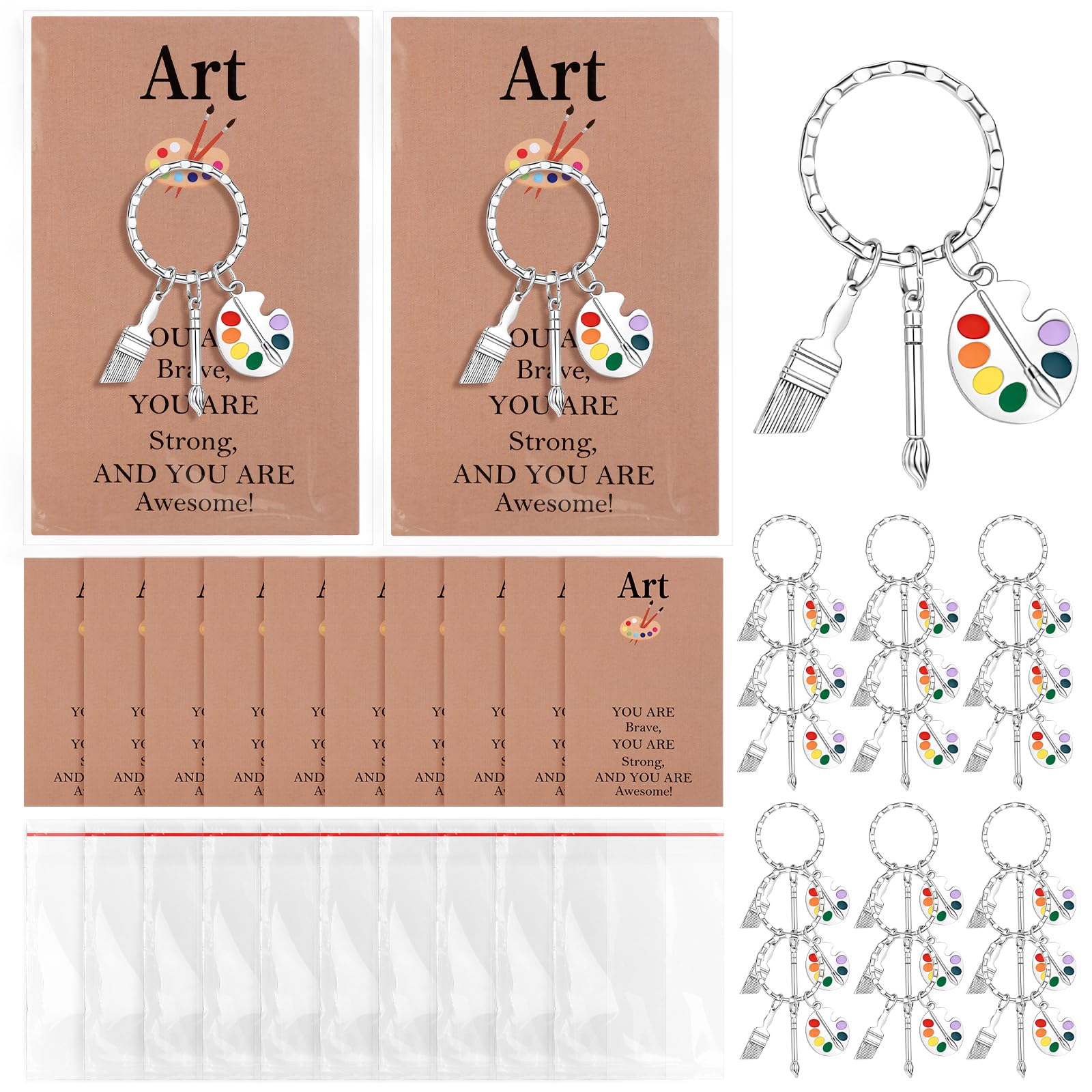
These keychains are a simple, affordable gift that art students will like for their cute design and hypoallergenic stainless steel.
Pros
- Durable stainless steel that resists tarnish.
- Cute art-themed design that fits painters and students.
- Comes in a 12-pack for sharing or party favors.
Cons
- Small size may be too tiny for some tastes.
- Multicolor finish can vary slightly from photos.
- Not a high-value item for long-term use.
The set gives a cheerful, art-focused token that works well for class giveaways, graduation bags, or paint party favors. They add a creative touch without a big price tag.
Because they are hypoallergenic, these keychains suit people with sensitive skin and avoid common metal reactions. The compact pendants hang easily from keys, backpacks, or zipper pulls.
Buyers who want a low-cost, themed gift in quantity will find this useful. Those seeking a heavy-duty keepsake might prefer something larger or more premium.
Winlyn Scratch Bookmark Kit

It is a solid choice for group activities because it bundles ready-to-finish bookmarks with cords, bags, and scratch tools for easy handouts and favors.
Pros
- All-in-one kit saves time prepping party or classroom favors.
- Thick cardstock and bright colors make results look good.
- Non-toxic, mess-free activity that works for many ages.
Cons
- Assembly takes time since pieces come separate.
- Limited to one craft type — only scratch bookmarks.
- Some packs may miss ribbon colors or parts for a few sets.
The kit includes 48 scratch-off bookmarks that reveal rainbow colors when scratched. Each bookmark pairs with a wooden tool, ribbon, clear bag, twist tie, and sticker so recipients can finish and gift them right away.
Teachers and party hosts will like its low mess and small size for handing out. Students can practice design and lettering while making something useful for reading.
Buyers should plan a short prep session or let kids assemble the packs themselves. The set works best for classroom projects, party favors, or quiet craft time.
Buddha Board

It is a simple, mess-free tool that helps students practice brushwork and relax by painting with water that slowly fades away.
Pros
- No cleanup or paints needed.
- Encourages repeat practice and quick sketches.
- Compact and easy to leave out for short practice sessions.
Cons
- Artwork disappears, so no permanent keepsakes.
- Limited to water-based marks and simple textures.
- Brush and board size may feel small for some projects.
The Buddha Board gives art students a low-pressure way to try brush strokes, calligraphy, or quick value studies without wasting paper. It suits warm-ups, short exercises, or mindful breaks between classes.
It resets after each use, so students can repeat drills and experiments with feedback from how the water spreads. That makes it handy for building steady hand control and exploring ink-like techniques.
This tool works well as a gift for creative students who like low-mess practice or who want a calming desk item. It does not replace sketchbooks or permanent media, but it adds a fun, meditative option to a student’s kit.
Prina 76 Pack Drawing Set

It is a strong all-in-one starter kit for art students who want to try many media without buying separate supplies.
Pros
- Wide variety of pencils and tools for drawing, watercolor, and charcoal.
- Comes with a travel case and a 3-color sketchbook for quick practice.
- Helpful tutorial included to guide learning steps.
Cons
- Some items may be lower quality than professional single-purpose tools.
- Many pieces could feel unnecessary for students who prefer one medium.
- Case and accessories are basic compared with higher-end kits.
The set gives a lot of options in one box, so a student can experiment with graphite, charcoal, colored pencils, metallics, and water-based pencils. The sketchbook with white, tan, and black pages helps show how different media look on each tone.
They will like the portable case and the extra tools like blending stumps, erasers, and a water brush. The included tutorial offers simple steps to get started, which suits teens and beginners.
Buy this if the student wants variety and convenience on a budget. It fits well for class projects, practice sessions, and travel, though serious artists may want to upgrade individual tools later.
Art Dice by Two Tumbleweeds
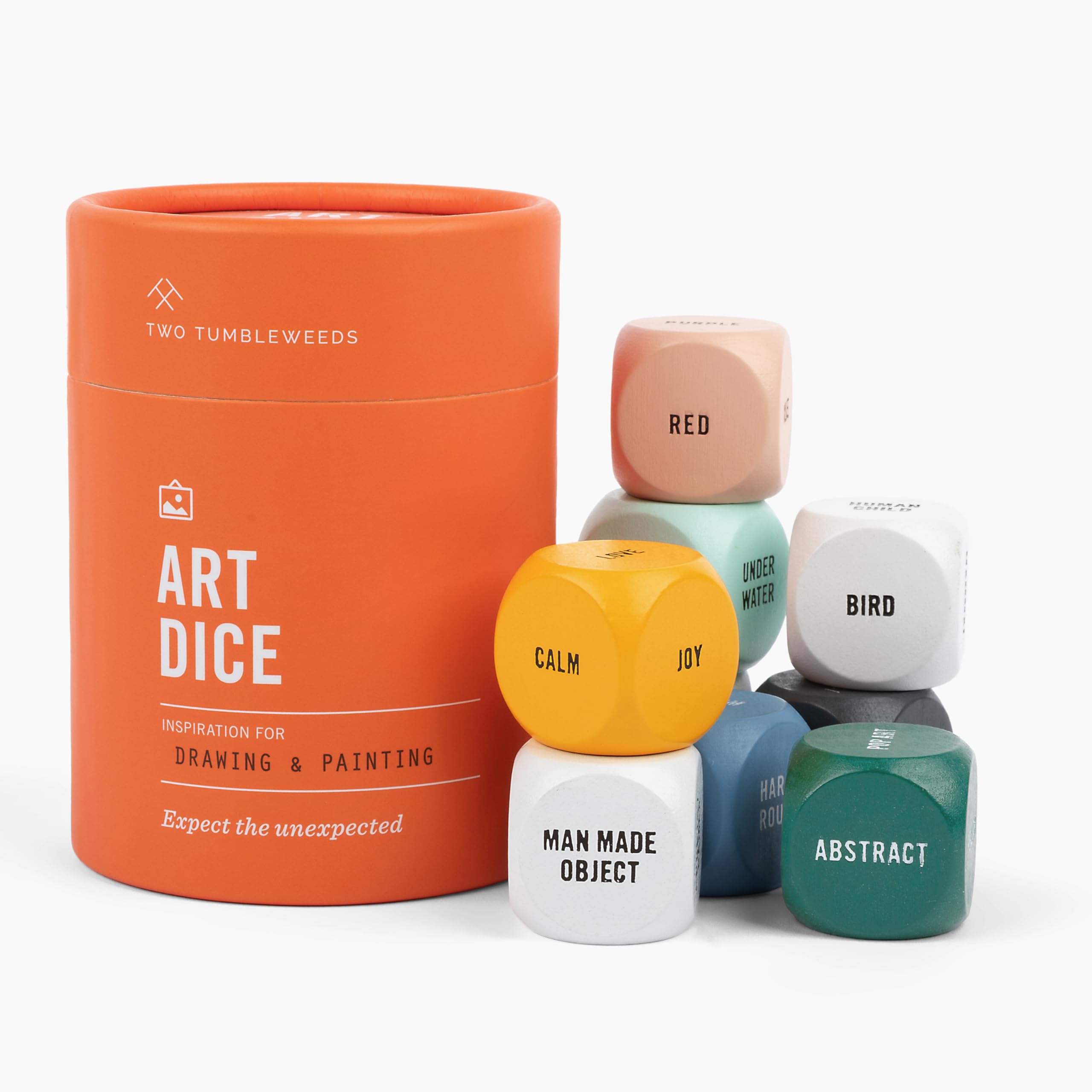
They should buy this if they want a simple, fun way to beat artist’s block and push creative limits.
Pros
- Sparks quick ideas and experimentation.
- Easy to use alone or with others.
- Compact, well-made wooden pieces.
Cons
- Prompts can repeat for some users.
- Limited number of dice means fewer prompt types.
- Not a full art kit—needs paper and tools to use.
This set uses nine color-coded wooden dice to give short drawing and style prompts. It helps artists try new subjects, moods, or media without overthinking a concept.
It works for students who need a warm-up or a way to start a project. Teachers can use it for class challenges, and peers can turn it into a quick group game.
Some users may want more variety or extra dice, and buyers should plan to pair it with a sketchbook and basic supplies. Overall, it’s an affordable, low-effort gift that nudges creativity in many small ways.
Bendy Stripe Pencils (Pack of 35)

These are a fun, low-cost gift for younger art students who like fidget toys, but they are not great for serious writing or sharpening.
Pros
- Bright, striped colors that kids enjoy
- Soft, flexible rubber makes a good fidget or prize
- Includes erasers and a large pack for group gifts
Cons
- Very soft core that is hard to sharpen well
- Not suitable for detailed drawing or regular school use
- Thin diameter may break in sharpeners or not work in auto sharpeners
The set works well as a novelty gift or classroom prize. They catch attention and kids enjoy bending and twisting them while they wait or take breaks.
They are less useful for art students who need reliable pencils for sketches or fine lines. The soft rubber core and thin size make precise marks difficult and sharpening tricky.
Buy these for party favors, prizes, or sensory tools rather than core art supplies. They add color and fun but should not replace standard sketching pencils.
Van Gogh Sticker Pack

It is a useful, low-cost gift for art students who like decorating gear with famous painting designs.
Pros
- Lots of different stickers in one pack.
- Waterproof vinyl holds up on bottles and laptops.
- Bright, detailed artwork that fits art-themed gifts.
Cons
- Some backs are hard to peel apart.
- A few designs or words may misalign or feel odd.
- Not every image fits every taste.
The pack includes 100 stickers with many oil-painting style images that echo well-known works. They work for personalizing sketchbooks, water bottles, and laptop covers.
Students can mix and match pieces to create collages or decorate class supplies. The vinyl is water resistant, so stickers stay put during daily use and light washing.
The set makes an easy gift for art students who like small, affordable extras to show their interests. It may disappoint anyone who needs perfectly uniform text or who finds some cuts tricky to separate.
Reverse Coloring Book

This book is a good buy for art students who want low-pressure practice drawing lines and composition using ready-made colors.
Pros
- Sparks creativity without forcing color choices
- Thick paper handles pens and light markers well
- Works for many skill levels, from beginners to advanced
Cons
- No blank pages for freehand sketches
- Some color areas may be darker than preferred
- Not ideal for heavy wet media like thick watercolors
The Reverse Coloring Book flips the usual idea: colors come printed and the artist adds the line work. This helps students focus on composition, line quality, and mark-making without spending time mixing or picking palettes.
It suits quick practice sessions and warm-ups before class. Students can try different pens, fineliners, or pencils and see how their line choices change the feel of an image.
The paper weight is sturdy, so pens and light markers rarely show through. That makes it simple to test tools without worrying about ruining another sheet.
This can be a relaxing gift that reduces decision fatigue. It also gives a steady stream of prompts for sketchbook assignments or creative blocks.
Buying Guide
Choosing gifts for art students starts with knowing their medium and skill level. Look for tools that match what they already use and what they want to try next.
Consider quality and durability. Materials like heavy-weight paper, solid wood brushes, and metal palette knives last longer and feel better in hand.
Check size and portability. Smaller kits and compact cases suit students who travel between classes. Larger pads and easels work for studio use.
Think about versatility and range. Supplies with varied tones, thicknesses, or textures give more creative options. Sets that include multiple tools save money and reduce guesswork.
Pay attention to ergonomics and comfort. Pencils, brushes, and pens with comfortable grips reduce hand fatigue. Lightweight equipment helps during long sessions.
Evaluate storage and organization features. Cases with compartments protect tools and make them easy to carry. Removable trays and zip pockets add flexibility.
Look at consumables and refills. Items like paints, paper, and tape run out. Choose options that are easy to replace and widely available.
Check compatibility with other tools. Paper weight should suit the type of paint or ink used. Easels and stands must fit the workspace dimensions.
Consider budget and value. Higher cost can mean better performance, but affordable options can work well for beginners. Balance immediate needs with long-term use.
Use reviews and recommendations wisely. Seek opinions from other artists, teachers, or students. Real-world experience often reveals practical strengths and weaknesses.
Editor’s picks
They chose items that match different budgets and skill levels. Each pick supports learning, practice, or presentation.
- Sketchbook (hardcover, 9×12): Durable pages handle pencils, ink, and light washes. It helps students keep a steady practice habit.
- Portable watercolor set: Small pans and a brush make painting on the go easy. It encourages quick studies and color experiments.
- Quality graphite set (B–6B): A range of hardness lets artists control value and texture. It suits figure drawing and shading exercises.
- Adjustable drafting table: Comfortable angles reduce strain during long sessions. It improves drawing accuracy and posture.
They also added a brief comparison table to highlight key uses.
| Item | Best for | Price range |
|---|---|---|
| Sketchbook (9×12) | Daily practice, mixed media | $10–$30 |
| Portable watercolor set | Travel studies, color practice | $15–$50 |
| Graphite set (B–6B) | Shading, life drawing | $5–$20 |
| Drafting table (adjustable) | Studio work, long sessions | $80–$300 |
Each pick favors durability and learning value. They avoid trendy items that offer little long-term use.
Frequently asked questions
What gift is best for a beginner art student?
A sketchbook and a set of quality pencils help beginners practice basic skills. They are low-cost, portable, and useful for many styles.
Should gifts focus on tools or learning?
Both help. Tools (brushes, paints, tablets) let students create now. Books, courses, or museum memberships help them grow skills over time.
Are digital tools worth the cost?
Yes, if the student shows interest in digital art. A basic drawing tablet or affordable software can last for years and open new techniques.
How to pick a gift by medium?
Ask what they like: drawing, painting, printmaking, or digital. Choose supplies specific to that medium or a neutral gift like a gift card to an art store.
Is storage and care important?
Yes. Protective cases, portfolios, and cleaning kits extend supply life. These items are practical and often overlooked.
What about budget-friendly options?
High-quality sketchbooks, brushes, or a set of ink pens work well on a budget. A thoughtful, small gift can be more useful than an expensive, unused item.
How to gift for a grad or professional student?
Choose higher-end tools, specialty papers, or a workshop enrollment. They benefit from durable gear and advanced learning opportunities.
Can experiences be gifted?
Absolutely. Studio time, classes, or museum trips offer inspiration and hands-on learning. They create memories and skill-building moments.
Conclusion
Choosing a gift for an art student means thinking about usefulness, inspiration, and quality. Practical tools like sketchbooks and quality brushes help skill growth. Inspirational items such as art books or museum passes fuel creativity.
Consider the student’s medium and skill level when deciding. A beginner benefits from a starter set. An advanced student gains from high-end supplies or specialized tools.
Budget and portability matter. Affordable, portable gifts like travel sketch kits suit busy students. Larger investments, such as a tablet or studio lamp, work well for long-term commitment.
Personal touches make gifts meaningful. A custom sketchbook cover, framed print, or a workshop voucher shows thought. Practical packaging and a short note can add warmth.
A small checklist helps pick wisely:
- Match gift to medium (painting, drawing, digital).
- Balance usefulness and inspiration.
- Consider quality over quantity.
- Think about portability and storage.
They will likely appreciate items that support practice and spark ideas. A well-chosen gift can save time, boost skills, and encourage new projects.