What Art Supplies Do Beginners Actually Need

Beginners usually need only a sketchbook or paper, a few pencils or pens, an eraser, and one simple color medium to start well. The best kit is small, affordable, and matched to the kind of art you actually want to make.
If you’re wondering what art supplies beginners actually need, the honest answer is refreshingly simple: a few well-chosen basics that make practice easy, not a drawer full of complicated tools. The best starter kit is one that supports regular sketching, gentle experimentation, and a style of making that feels inviting rather than intimidating.
For most new artists, that means starting with paper, a handful of drawing tools, and one color medium that matches your creative mood. From there, you can build slowly and thoughtfully, which is usually the most satisfying way to begin.
- Start small: A few reliable basics beat a crowded supply haul.
- Choose by medium: Sketching, watercolor, and mixed media need different essentials.
- Spend selectively: Better paper and pigments matter more than fancy extras.
- Keep it visible: Good storage and lighting make practice easier to sustain.
What Art Supplies Do Beginners Actually Need? A Curated Starting Point for New Creatives
Beginners do not need everything at once. In fact, too many options can make it harder to start, especially if you are trying to build a calm creative habit at home.
A good first kit should do three things well: help you make marks, let you correct mistakes, and give you enough room to explore without pressure. That is why the most useful beginner supplies tend to be the simplest ones.
Choose supplies that are easy to leave out on a desk or shelf. If they look approachable in your space, you are far more likely to use them regularly.
The Core Beginner Art Kit: Essential Supplies That Cover Drawing, Sketching, and First Experiments
A core beginner art kit should focus on drawing and light experimentation first. These are the least complicated ways to build confidence, understand materials, and develop a visual habit.
If you want a fuller overview of paper choices, it can also help to read what makes the best sketchbooks for beginners, especially if you are choosing between loose paper and a bound sketchbook.
Paper, sketchbooks, and surfaces that make practice easier
Paper matters more than many beginners expect. Thin, overly smooth paper can make pencils feel slippery and can buckle quickly if you add water or heavier layers.
A basic sketchbook or drawing pad is usually enough for pencil, pen, and light colored-pencil work. If you think you may try watercolor later, choose a heavier paper or a watercolor sketchbook with enough texture to handle moisture.
For most beginners, the goal is not archival perfection. It is a surface that feels forgiving, stable, and pleasant enough that you want to keep going.
Pencils, erasers, sharpeners, and simple line-making tools
A small range of graphite pencils is one of the most versatile places to begin. A medium pencil for general sketching, a softer pencil for darker shading, and an eraser cover a surprising amount of creative ground.
Look for a decent eraser that lifts marks cleanly without tearing the page, plus a sharpener that keeps points reliable. If you enjoy clean line work, a fineliner or two can be a lovely addition, especially for journals, studies, and illustrated notes.
There is no need for a giant pencil set at the beginning. A few reliable tools are easier to learn from and easier to keep organized.
Basic color options: colored pencils, fineliners, or a small paint set
Once you are comfortable drawing, add one color medium rather than several. Colored pencils are often the easiest because they are tidy, portable, and low-commitment.
Fineliners are ideal if you like crisp outlines, pattern work, or a more graphic style. A small paint set can also work well, but only if you genuinely want to explore paint rather than feel burdened by it.
Beginners often buy both watercolor and acrylic at once, then feel overwhelmed by brushes, surfaces, drying time, and cleanup. Starting with one medium usually leads to better results and less clutter.
Choosing Between Cheap, Mid-Range, and Artist-Grade Supplies in 2026
In 2026, the smartest way to shop is still the same: spend where quality affects the experience, and save where the tool is mostly functional. Not every beginner supply needs to be premium, but some do benefit from a little more care in selection.
Where budget tools are perfectly fine for beginners
Budget pencils, basic erasers, and simple fineliners are often perfectly adequate for learning. If you are practicing shapes, shading, line control, or quick ideas, these tools can do the job well.
Entry-level sketchbooks are also fine for everyday studies, especially if you are not using wet media. For casual practice, the main priority is consistency, not luxury.
Budget tools are especially sensible when you are still discovering your style. It is better to learn what you like than to overinvest in materials you may not use.
When better paper or pigments make a visible difference
Paper quality becomes more important when you start layering, blending, or adding water. Better paper can handle repeated erasing, more even pigment application, and less warping.
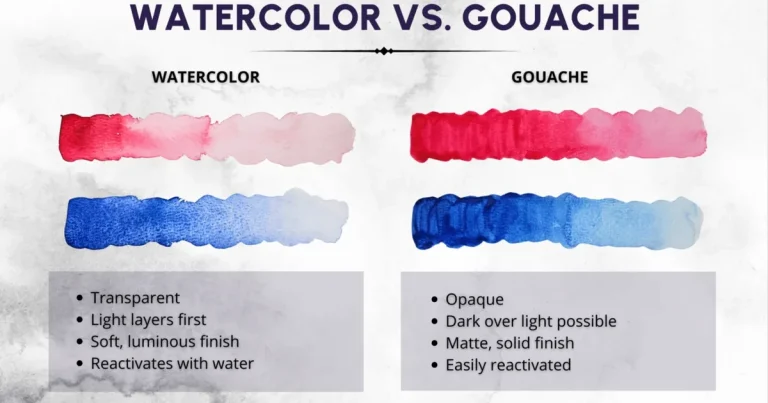
Pigment quality matters most in watercolor, gouache, and acrylic, where color strength and blendability affect the final look. If you want luminous washes or richer opacity, mid-range materials can feel noticeably more satisfying.
That is why many beginners choose a mixed approach: economical tools for drawing, and a more considered purchase for the medium they love most.
Smart price context for building a starter kit without overspending
A thoughtful starter kit does not need to be expensive. Entry-level supplies are often enough for learning, while mid-range options are a good place to upgrade once you know your preferences.
Investment-level supplies make sense for artists who already know they will use them often, or for those who want a more polished experience from the start. The key is not status; it is fit.
Beginner-Friendly Mediums: Which Art Supplies Match Different Creative Goals?
The right beginner supplies depend on what you want to make. A quiet sketchbook habit calls for different tools than expressive watercolor pages or hands-on mixed media work.
Sketching and illustration for quiet, everyday practice
If your goal is to draw during coffee breaks, on the sofa, or at a desk by the window, keep it simple. A sketchbook, graphite pencils, an eraser, and a fineliner are enough for a calm daily practice.
This setup is ideal for book lovers, journal keepers, and anyone who enjoys slow observation. It also suits homes where you want art supplies to feel tidy, not sprawling.
Watercolor for loose color studies and expressive pages
Watercolor is a beautiful beginner choice if you enjoy softness, transparency, and a little unpredictability. It rewards curiosity more than control, which can be wonderfully freeing.
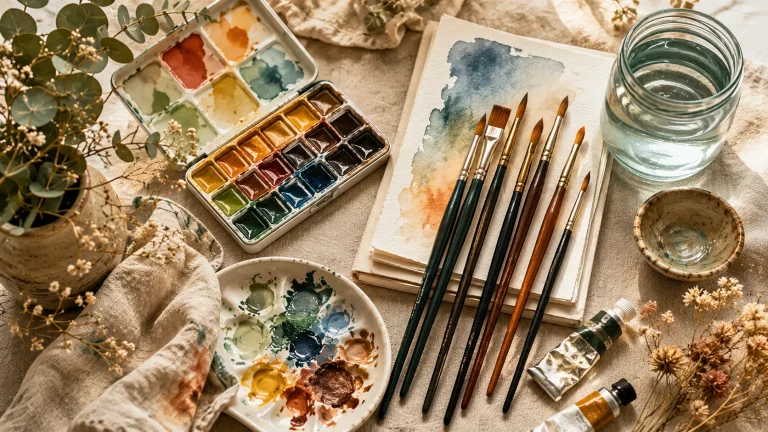
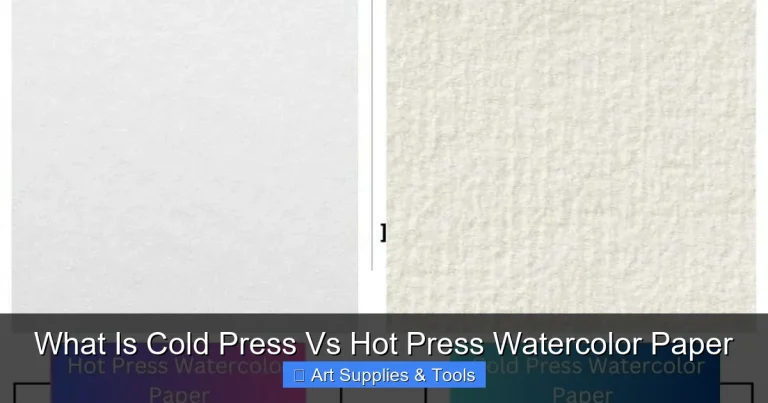
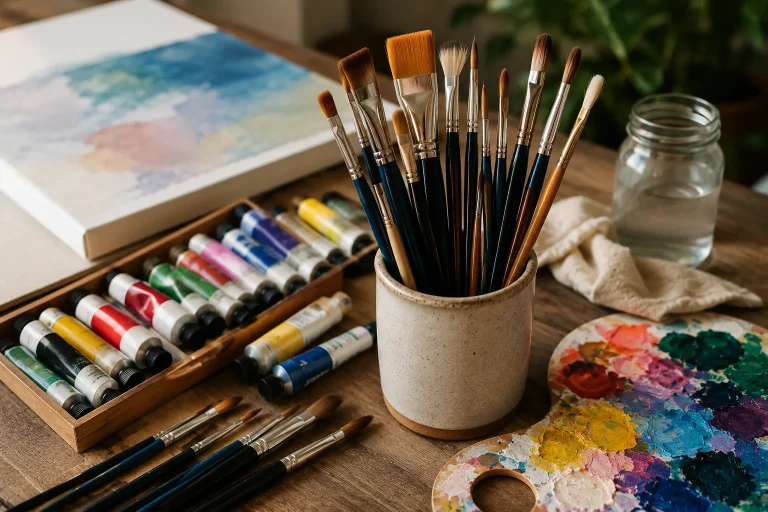
For beginners, a small pan set, a couple of brushes, and suitable paper are enough. The paper matters especially here, which is why many artists compare options carefully before buying; our guide to cold press vs hot press watercolor paper can help with that decision.
If you prefer loose washes and visible texture, watercolor can feel elegant and approachable. If you want crisp detail, you may need a bit more patience and practice.
Gouache, acrylic, and mixed media for more tactile results
Gouache is a lovely middle ground for beginners who want opacity and matte color without the intensity of acrylic cleanup. It is especially appealing for illustrated pages, still life studies, and design-led sketchbooks.
Acrylic is more durable and bold, but it dries quickly and asks for more preparation. Mixed media is the most open-ended option of all, letting you combine pencil, ink, collage, and paint on one page.
- Bold color and layered texture
- Pages that combine drawing and paint
- You want the simplest cleanup possible
- You are only just learning brush control
Curator Recommendations: A Minimal Kit, a Slightly Expanded Kit, and a Giftable Set
When choosing beginner art supplies, it helps to think in terms of kits rather than individual objects. That keeps the selection focused and makes it easier to buy with purpose.
If you are gifting supplies, it is worth considering whether the recipient wants a practical set, a more inspiring upgrade, or something that feels beautifully presented. For more gifting context, see whether art supplies make good gifts for artists.
The absolute essentials for first-time artists
The most stripped-back starter kit includes a sketchbook, a graphite pencil set, an eraser, a sharpener, and one simple color tool such as a fineliner or a small colored-pencil set. That is enough to begin confidently.
This kind of kit is ideal for people who are curious but not yet committed to a specific medium. It keeps the first step small, which often makes the habit more sustainable.
A compact sketchbook paired with a reliable graphite set is one of the most elegant beginner combinations. It feels useful, low-pressure, and easy to keep in reach on a desk or bedside table.
The best upgrade picks for motivated beginners
If a beginner already knows they enjoy making art, the best upgrades are usually better paper, a more comfortable drawing pencil set, and one medium-specific set that matches their interest. Watercolor paper, a richer pigment set, or a higher-quality fineliner can make practice feel more rewarding.
These are not indulgences; they are the supplies that reduce friction. When the material behaves well, beginners often feel more encouraged to return to it.
Thoughtful art supply gifts for creative living and home studios
Giftable art sets work best when they are elegant, not excessive. A well-edited kit feels more personal than a huge box of random tools.
For a home studio, choose items that are beautiful enough to leave on display and practical enough to use often. If you want more inspiration for gifting, our guide to what makes a good gift for an art lover is a useful companion read.
A small creative set on a shelf can change the mood of a room. It signals that making things is part of the home’s rhythm, not a hobby hidden away.
Studio Style Matters: Storage, Lighting, and Surface Setup for Better Creative Habits
Beginner art supplies are easier to use when the room supports them. A well-lit, visually calm setup can make even a small kit feel more inviting.
Desk lamps, natural light, and color accuracy for art-making
Natural light is wonderful for art, but it is not always available. A good desk lamp can help you see edges, values, and color more clearly, especially on darker days or in evening sessions.
If your room has mixed lighting, be aware that colors may look different from one spot to another. That matters most for watercolor, gouache, and anything you plan to frame or display.
Many artists prefer neutral wall colors and soft daylight-style lamps because they make paper and pigment feel more accurate and less visually distracting.
Keeping supplies visible, organized, and inspiring in small spaces
In small homes, storage should be simple and attractive enough to stay out. A shallow tray, a jar for pencils, and a box for paper can be more useful than a complicated organizer.
Visibility matters because beginners are more likely to use supplies they can see. A tidy, open arrangement also helps your workspace feel like a creative corner rather than a task station.
- Can the supplies stay visible without making the room feel cluttered?
- Will the setup make it easy to start and easy to clean up?
- Does the storage protect paper from bending, moisture, and dust?
How interiors and workspace design affect beginner confidence
People often underestimate how much a pleasant room affects creative confidence. Warm light, a clear tabletop, and a few beautiful tools can make practice feel like a ritual instead of a chore.
Even a small art nook can feel intentional if it reflects your taste. That might mean a wooden tray, a ceramic cup for pencils, or a notebook that looks good left open on a side table.
Care Tips and Common Mistakes That Help Beginners Get More From Fewer Supplies
Good beginner supplies last longer when they are stored and handled with a little care. That makes your kit feel more reliable and saves money over time.
Protecting paper, brushes, and paints for longer use
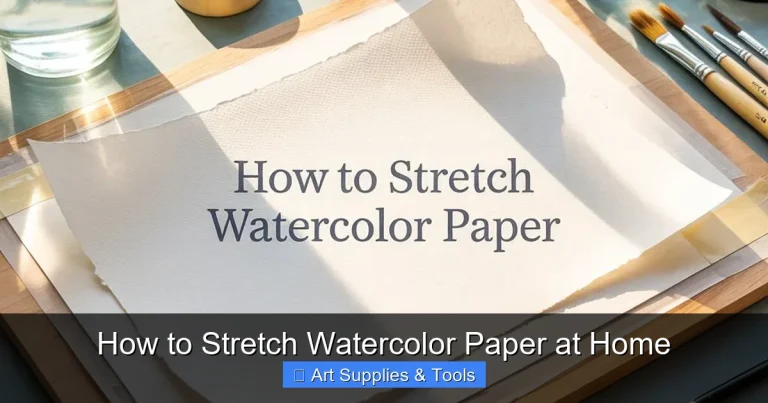
Keep paper flat, dry, and away from humidity whenever possible. Watercolor paper and sketchbooks can warp if stored carelessly in damp rooms.
Brushes should be rinsed well and reshaped after use, while paints should be closed securely so they do not dry out. These are small habits, but they make a noticeable difference.
Paper, unfinished artwork, and some paints are sensitive to moisture and direct sunlight. Store them away from bathrooms, radiators, and bright windows when possible.
Avoiding overbuying and skipping unnecessary tools
One of the most common beginner mistakes is buying for an imagined future studio instead of the way you actually work now. That usually leads to clutter, not creativity.
Start with the minimum set that supports your chosen medium. Add tools only when you notice a real need, such as a better brush shape, heavier paper, or a pencil that feels more comfortable in your hand.
Simple maintenance routines that keep a starter kit ready to use
A five-minute reset can make all the difference. Put pencils back in one place, close paint lids, and return paper to a dry shelf or drawer.
If your supplies are easy to reset, you are more likely to use them again tomorrow. That consistency matters more than owning a large collection.
- Less clutter means easier creative starts
- Better storage protects paper and tools
- Small routines help beginners build momentum
A Creative Recap: The Best Beginner Art Supplies Are the Ones You’ll Actually Use
So, what art supplies do beginners actually need? Usually far fewer than they think: a dependable surface, a few drawing tools, and one medium that matches their creative goals.
The best starter kit balances simplicity, quality, and personal taste. It should feel inviting in your home, easy to maintain, and flexible enough to grow with you.
Balancing simplicity, quality, and personal style
Some beginners want clean sketching tools. Others want watercolor softness, gouache opacity, or the tactile feel of mixed media. There is no single correct kit, only the one that suits your pace and preferences.
Choose supplies that support the kind of art you are most likely to make on an ordinary weeknight. That is where confidence begins.
Choosing a starter kit that supports regular practice and creative confidence
If you are buying for yourself, begin small and upgrade with intention. If you are gifting, look for a set that feels elegant, practical, and easy to enjoy right away.
In the end, the right beginner art supplies are not the fanciest ones. They are the ones that make you want to sit down, make a mark, and keep going.
Recommended Products
SHOP THIS SETUP
Strathmore 400 Series Mixed Media Pad, 9″ x 12″, 15 Sheets
This is an excellent beginner-friendly paper pad because it works well for drawing, watercolor, gouache, and light mixed-media practice without requiring a lot of specialized supplies. The heavier paper helps new artists experiment confidently, making it a smart first purchase for anyone building a simple art kit.
Frequently Asked Questions
A sketchbook or drawing paper, graphite pencils, an eraser, a sharpener, and one simple color tool are enough for most beginners. You can add more later once you know what medium you enjoy most.
Cheap supplies are often fine for learning basic drawing and sketching, while better paper or pigments can improve the experience for watercolor, gouache, and acrylic. A mixed approach is usually the smartest choice.
Sketching with graphite or fineliners is often the easiest place to start because cleanup is minimal and the tools are simple. Colored pencils and watercolor are also beginner-friendly if you want to explore color.
No, most beginners do better with a small, focused set. A few brushes and a compact paint set are usually enough to learn the basics without feeling overwhelmed.
Choose a sketchbook with paper that suits your medium and feels comfortable to carry or leave open on a desk. If you plan to use water, look for heavier paper; for dry media, a standard sketchbook is often enough.
A well-edited starter kit with a sketchbook, pencils, eraser, and one color medium makes a thoughtful gift. It feels useful, attractive, and easy to start using right away.