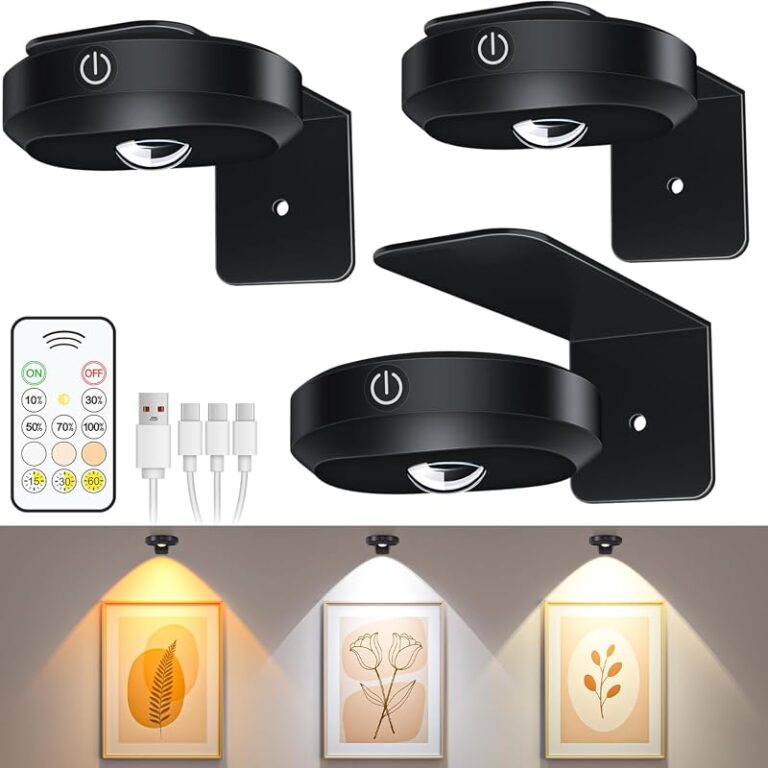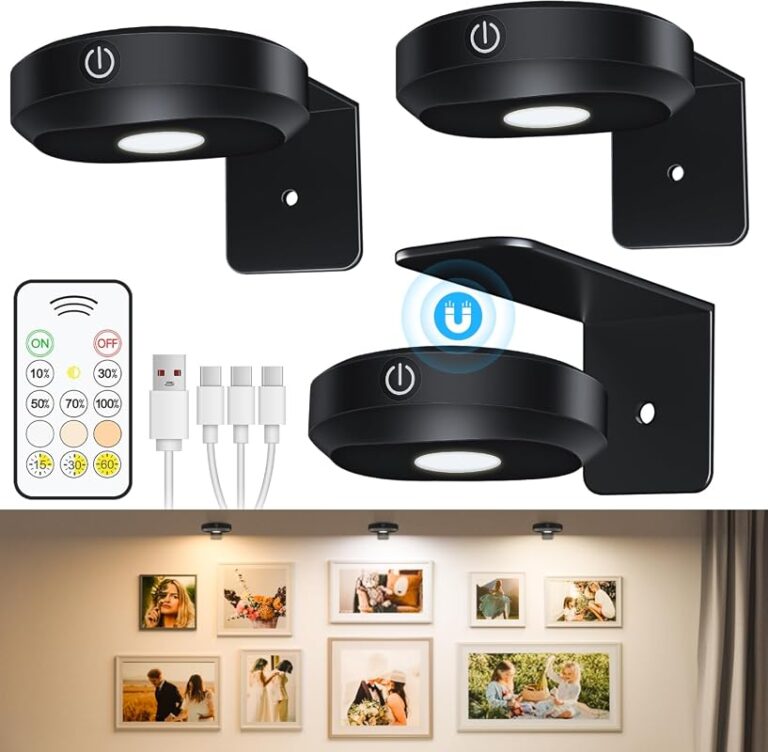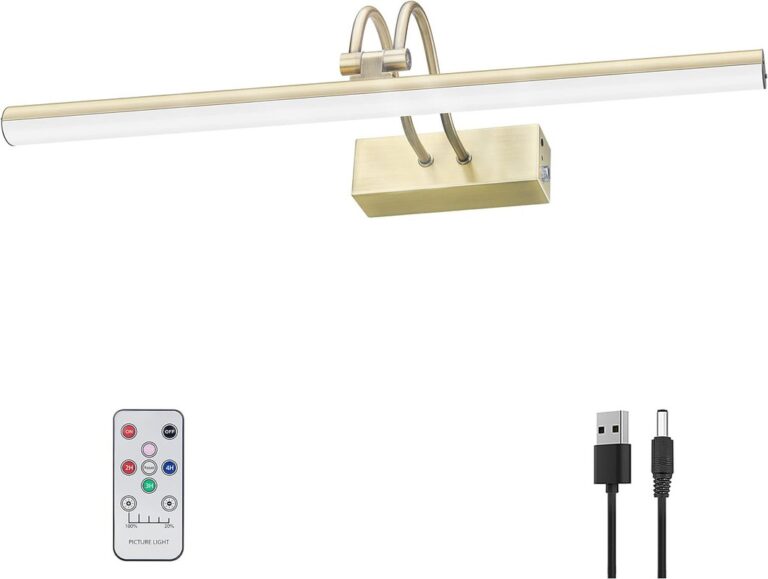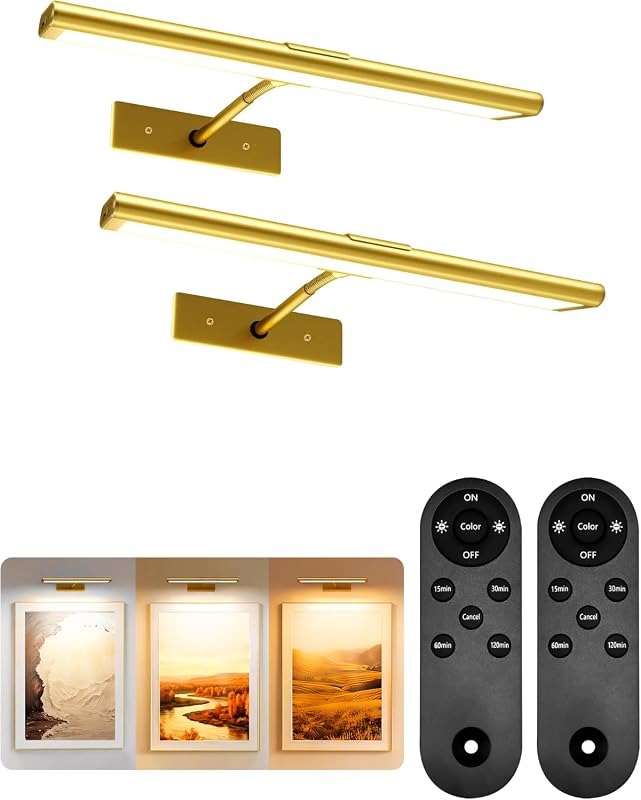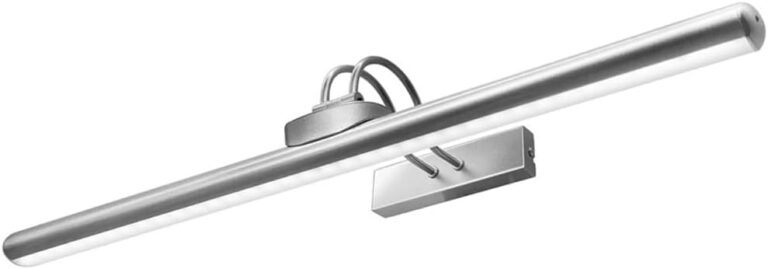
Dimmable Picture Wall Light with Remote Vs Switch

For most homes, a remote dimmable picture wall light is the better choice because it is easier to adjust and more flexible in everyday use. A switched model is best when you want a simpler setup with fewer accessories and the fixture is easy to reach.
dimmable picture wall light with remote vs switch is really a choice between flexibility and simplicity. For most homes, a remote-controlled model is easier to live with because you can adjust brightness from across the room, but a switched light still makes sense when you want fewer parts, less battery dependence, and a more straightforward setup. If you are still narrowing down the basics, Hurrell Editions also has a helpful guide to what a dimmable picture wall light is and how this category differs from standard wall lighting.
- Best overall: Remote control usually offers better day-to-night flexibility.
- Best for simplicity: Switched lights reduce accessory clutter and battery dependence.
- Key buying factor: Power source and wall suitability matter as much as style.
- Art presentation: Beam spread, color temperature, and CRI affect how the artwork looks.
- Placement matters: High or awkward locations benefit most from remote dimming.
Dimmable Picture Wall Light With Remote Vs Switch: Which Is Better for Most Homes in 2026?
The better option depends less on style alone and more on how the light will actually be used. A picture light is not just decorative hardware above a frame. It affects glare, mood, visibility, and how easy it is to enjoy art at different times of day. In 2026, the market continues to lean toward integrated LED designs, rechargeable battery models, and multi-level dimming, which makes the remote-versus-switch decision more important than it first appears.
Why remote-controlled picture lights usually win for flexibility
Remote-controlled picture lights usually suit modern living better because they let you make small adjustments without standing directly under the fixture. That matters in rooms where the light sits over a sofa, sideboard, stair landing, or console table. If the artwork looks too bright at night or too flat during the day, a remote makes it easy to lower or raise output in seconds.
Many remote-capable models also include useful features such as stepped dimming, timer functions, or memory settings that return to your last brightness level. Those extras are especially helpful for layered interiors where the picture light is part of a broader lighting plan rather than the only source of illumination.
Remote control also pairs naturally with rechargeable and battery-operated designs, which are popular with renters and anyone avoiding hardwiring. If that is your priority, see Hurrell Editions’ guide to the battery operated picture light with remote format, which explains why it appeals in lower-commitment spaces.
When a switched picture light is the smarter, simpler choice
A switched picture light can still be the better buy when you want fewer variables. There is no remote to misplace, no control pairing to think about, and often less day-to-day fuss. In a formal dining room, a library wall, or a permanent hardwired installation, a discreet switch can feel more dependable and architecturally tidy.
Switched models also appeal to buyers who prefer tactile control and do not need frequent brightness changes from across the room. If the light will stay at one or two familiar settings most of the time, a switch may be all you need. That is especially true for art displayed in transitional spaces, where the fixture is used briefly rather than adjusted throughout the evening.
How to Compare a Dimmable Picture Wall Light Properly
The remote-versus-switch question is only one part of the buying decision. A poor beam pattern or inaccurate light color can make even a beautiful fixture disappointing. Compare models using the same criteria before deciding which control method is best.
Brightness, beam spread, and how evenly the artwork is lit
Brightness should match the size of the artwork and the room’s ambient light. A small framed print in a cozy hallway needs far less output than a large canvas above a mantel. Too much light creates glare and can flatten the artwork; too little makes the fixture feel decorative but ineffective.
Beam spread matters just as much. A narrow beam can create a hot spot in the middle of the frame, while a wider beam usually gives a softer, more even wash. Manufacturer diagrams or product photos can help, but they do not always reflect your wall color, ceiling height, or frame glazing, so confirm dimensions and intended coverage before buying.
Colour temperature and CRI for faithful art presentation
For most homes, warm white to neutral white tends to be the safest range for picture lighting. Very warm light can make whites look creamy or yellow, while very cool light can feel clinical and harsh in residential rooms. The best choice depends on the artwork palette, nearby lamps, and the mood of the room.
CRI, or Color Rendering Index, is worth checking when it is listed. A higher CRI generally means colors look more natural and nuanced. That is especially important for original art, textiles, and prints with subtle shadow and skin tones.
Not every retailer lists CRI, beam angle, or exact color temperature clearly. When those details are missing, check the official product listing or manufacturer specifications before ordering.
Power source: hardwired, plug-in, or rechargeable battery
Power source often decides the shortlist before finish or style does. Hardwired lights can look the most integrated, but they usually require more planning and may not suit every wall. Plug-in models are easier to add later, though visible cords may affect the final look unless the room design can hide them well.
Rechargeable battery lights are often the easiest route for renters, gallery walls, and older homes where adding wiring is inconvenient. They also make remote control more appealing, since the whole system is designed around convenience. If you are comparing formats broadly, Hurrell Editions’ guide on how to choose a picture light for artwork is useful for sorting power source, size, and light quality together.
Dimming range, memory settings, and day-to-night usability
Not all dimmable lights dim the same way. Some offer only a few preset levels, while others provide smoother adjustment. A model that dims low enough for evening ambiance is usually more useful than one that remains relatively bright even at its minimum setting.
Memory settings can also improve daily use. If the light remembers your preferred level, it feels much less fiddly. This is one of the biggest practical differences between premium and entry-level designs, regardless of whether they use a remote or a switch.
Remote Vs Switch: The Real Differences in Everyday Use
Convenience, access, and control from across the room
Remote control is most helpful when the fixture is mounted high, placed behind furniture, or used as part of evening mood lighting. It encourages you to actually dim the light rather than leaving it too bright because reaching the switch is inconvenient. That can improve both comfort and the look of the artwork.
A switch works well when the fixture is easy to reach and the room layout keeps access simple. In a narrow hallway or beside a desk, the difference may feel minor. In a large living room, it often matters much more.
Reliability, battery dependence, and long-term maintenance
Switched lights are often perceived as more reliable because there is one less accessory involved. That is a fair point, especially for households that dislike managing remotes. However, reliability also depends on overall build quality, charging consistency, and the stability of the dimming system itself.
Remote-controlled models add one more thing to maintain, and battery-powered versions add charging habits on top of that. If a remote stops responding, the issue may be battery-related, pairing-related, or model-specific. Hurrell Editions covers common troubleshooting in its article on a battery operated picture light remote not working, which is worth bookmarking if you are leaning wireless.
- Easier brightness changes from across the room
- Often includes timers or memory settings
- Excellent for high or hard-to-reach placement
- Usually simpler to operate and maintain
- No remote to lose or replace
- Better when the light is easily accessible and used in a consistent way
Installation complexity, wall type, and hardware considerations
The control method often overlaps with installation type. Hardwired switched lights may require the most planning, while rechargeable remote lights are often the least invasive. But neither approach is automatically easy. Wall material, anchor suitability, and the weight of the fixture all matter.
Before buying, confirm whether mounting hardware is included, whether the fixture is intended for drywall, plaster, masonry, or another wall type, and whether the light’s arm projection leaves enough clearance above the frame. If the artwork is heavy, oversized, or positioned in a difficult spot, it is sensible to ask a professional installer or electrician for guidance.
Safety basics for wiring, charging, and heat management
Picture lights are generally low-risk when correctly installed and used according to manufacturer guidance, but basic safety still matters. Hardwired fixtures should be installed to code, especially in older homes. Rechargeable models should be charged with the recommended cable and power conditions listed by the maker.
Heat is another overlooked factor. LED picture lights usually run cooler than older bulb-based designs, but enclosed construction, long run times, and poor ventilation can still create warmth. Keep the fixture suitable for the artwork and follow all care and clearance instructions from the brand.
Avoid guessing with wiring, anchors, or charging accessories. Check wall type, fixture weight, and official installation guidance, and use a qualified professional when the setup is not straightforward.
Which Rooms and Interior Styles Suit Each Option Best?
Living rooms, dining rooms, hallways, and stair landings
Remote-controlled picture lights tend to shine in living rooms and stair landings because those are the spaces where access is often awkward. If the art hangs above a console, buffet, or seating arrangement, remote dimming is simply more convenient. Hallways can go either way: a simple switched fixture works when the art is close and easy to reach, while a remote is helpful for taller walls or layered evening lighting.
Dining rooms are more balanced. If you entertain often and want to shift from brighter display lighting to softer after-dinner ambiance, remote control is valuable. If the room is more formal and the light stays at a consistent setting, a switch may feel cleaner and more traditional.
Bedrooms, studies, and reading corners with layered lighting
Bedrooms and studies often benefit from remote dimming because the picture light becomes part of a softer, layered lighting scheme. It may need to sit low and subtle at night, then brighten during the day. That flexibility is especially useful in rooms where comfort matters as much as display.
For a more room-specific perspective, Hurrell Editions’ guide to the best gallery picture light for bedroom explores why dimming and placement are especially important in restful spaces.
Traditional, contemporary, gallery-inspired, and eclectic schemes
Traditional interiors often pair well with switched lights in brass, bronze, or shaded forms because the operation feels classic and understated. Contemporary spaces usually lean toward slimmer LED bars, cleaner silhouettes, and remote-friendly convenience. Gallery-inspired rooms can work with either, depending on whether the goal is architectural permanence or flexible display control.
Eclectic rooms have the most freedom. In these spaces, finish, scale, and beam quality usually matter more than whether the control is remote or switched. The right answer is the one that supports the artwork without disrupting the room’s rhythm.
Placement, Sizing, and Spacing Rules for Picture Wall Lights
How wide the light should be compared with the frame or artwork
A common rule of thumb is to choose a picture light that is narrower than the frame, often around half to two-thirds of the artwork width. This is not universal, but it is a practical starting point. Too small, and the light may look under-scaled and create uneven coverage. Too large, and it can dominate the art.
Ideal mounting height above a single frame or mirror
Most picture lights look best when mounted a short distance above the frame, close enough to feel connected but not so close that the fixture crowds the molding or top edge. Exact placement varies by arm projection, beam angle, and frame depth, so it is worth checking the manufacturer’s recommendations rather than relying on a single fixed measurement.
Spacing for gallery walls, paired artworks, and long picture ledges
For gallery walls, one large picture light rarely covers every frame evenly unless the grouping is tight and intentionally designed around it. Multiple smaller lights may look more balanced over paired works or a long arrangement. Picture ledges can also change the equation because the art may shift over time, making flexible or wider-beam lighting more useful.
Mock up the fixture width with painter’s tape before buying. It is one of the fastest ways to judge whether the light will feel proportionate above the frame and clear nearby moldings or shelving.
Matching beam angle and brightness to artwork size and wall colour
Darker wall colors absorb more light, while white or pale walls bounce more of it back into the room. That means the same fixture can feel stronger in one home and weaker in another. Large artworks usually need broader, more even coverage, while smaller framed pieces can tolerate a tighter wash.
Reflective glazing complicates things further. If the artwork sits behind glass, a gentler beam and careful placement are usually safer than maximum brightness.
Materials, Finishes, and Design Details That Affect Value
Brass, bronze, black, chrome, and painted finishes
Finish affects both style and upkeep. Brass and bronze often feel warmer and more traditional, black can disappear neatly against darker frames or gallery walls, and chrome tends to read crisper and more modern. Painted finishes vary widely by model, so close-up product images are worth inspecting for consistency and sheen.
Value is not only about appearance. Some finishes show fingerprints or dust more easily, while others hide everyday wear better. Confirm whether the finish is lacquered, plated, painted, or otherwise protected if that information is available.
Shade construction, arm adjustability, and build quality signals
A well-designed picture light should look composed from the side as well as the front. Shade shape, diffuser design, and arm adjustability all influence how the light lands on the artwork. Adjustable arms can be useful, but only if they hold position well and do not feel flimsy.
Build quality signals include clean joints, consistent finish application, clear product specifications, and replacement support. If the listing is vague about materials or controls, treat that as a reason to look more carefully rather than assuming premium quality.
LED lifespan, replaceable components, and energy efficiency
Integrated LED designs are common because they are compact and energy efficient, but they vary in serviceability. Some lights are essentially sealed units, while others may offer replaceable drivers, rechargeable batteries, or service parts. If long-term value matters, check what can be replaced and what happens if the remote, charging cable, or battery degrades over time.
Common Buying Mistakes to Avoid Before You Choose Remote or Switch
Choosing style before checking power source and wall suitability
It is easy to fall for a finish or silhouette before confirming whether the light actually suits your wall and power situation. A beautiful hardwired fixture may be impractical in a rental. A sleek rechargeable model may be less appealing if you do not want another device to charge.
Over-lighting reflective glass, glossy prints, or delicate works
Brighter is not always better. Reflective glazing and glossy surfaces can produce harsh glare, while delicate works may benefit from more restrained lighting. If the art is valuable or sensitive, consult the artist, framer, conservator, or manufacturer guidance on suitable display conditions.
Ignoring remote range, dimming compatibility, or switch placement
A remote is only convenient if it works reliably from the places you actually sit or stand. Likewise, a switched light is only simple if the switch is reachable and intuitive. Check how the dimming is controlled, whether memory is included, and whether the control method fits the room layout rather than just the product photo.
- Confirm the power source suits your wall, room, and installation limits.
- Check fixture width against the frame size, not just the room size.
- Look for beam, color temperature, and CRI details when available.
- Verify whether the control method will be convenient in daily use.
- Review official care, charging, and warranty information before ordering.
Care, Maintenance, and Final Recommendation
Cleaning finishes, protecting artwork, and preserving performance
Dust the fixture gently and follow the brand’s care instructions for the finish. Avoid harsh cleaners unless the manufacturer specifically allows them, since plated and painted surfaces can mark more easily than expected. Keep charging ports clean, use the recommended accessories, and periodically check that the fixture remains secure on the wall.
Artwork protection matters too. Watch for glare, excess heat, and direct sunlight, since the picture light is only one part of the display environment. If the piece is irreplaceable or especially delicate, confirm display guidance with a qualified framing or conservation professional.
Who should buy a remote dimmable picture wall light
Choose a remote model if your art hangs high, sits behind furniture, or needs frequent brightness changes. It is also the better fit for layered living rooms, bedrooms, hallways, and renter-friendly setups where rechargeable convenience matters. Buyers who value timers, memory settings, and low-effort control will usually prefer this route.
Who should buy a switched dimmable picture wall light
Choose a switched model if you want a simpler, more fixed installation with fewer accessories to manage. It makes particular sense for traditional rooms, easy-to-reach walls, and spaces where the light will stay at a familiar setting most of the time. It can also be the calmer choice for households that dislike remote clutter.
A transparent verdict for Hurrell Editions readers
For most homes, a remote dimmable picture wall light is the better all-around choice because it makes good lighting easier to use, not just easier to buy. A switched model is still an excellent option when the fixture is accessible, the installation is more permanent, and simplicity matters more than flexibility. The smartest purchase is the one that matches your wall type, power source, artwork size, and daily habits before you ever choose a finish.
Frequently Asked Questions