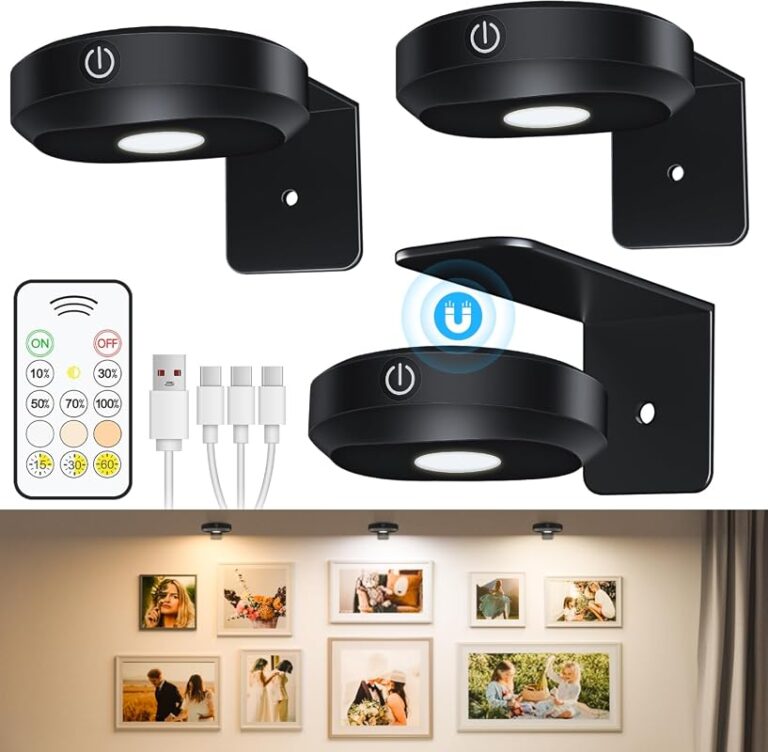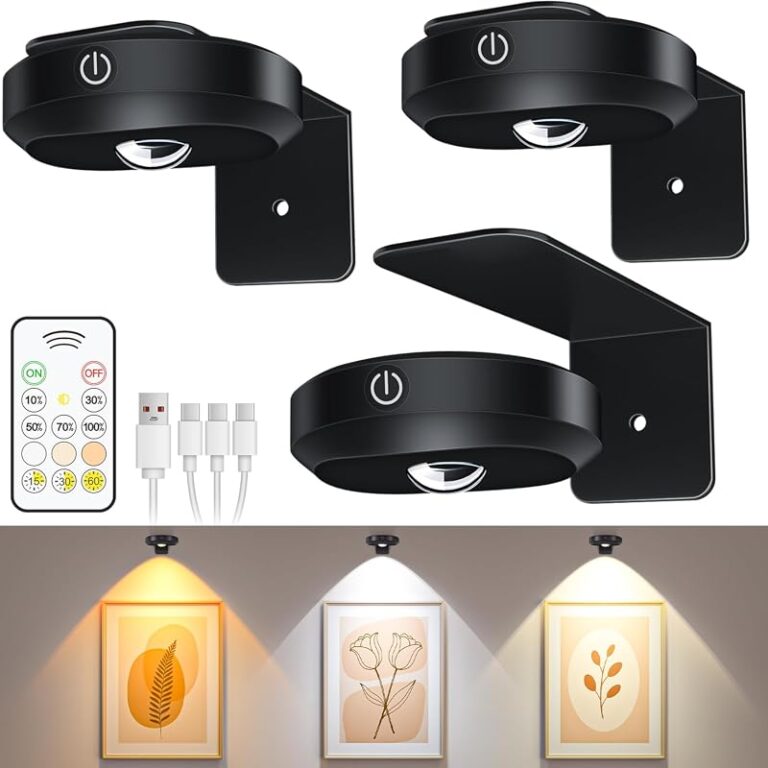
Indoor Vs Outdoor Dimmable Picture Wall Light

Choose an indoor dimmable picture wall light for dry rooms where style and art-friendly ambiance matter most. Choose an outdoor-rated model for porches, terraces, or damp areas where moisture resistance and durability are essential.
Indoor vs outdoor dimmable picture wall light is really a question of location, safety, and finish quality—not just style. If the fixture will live in a dry interior room, an indoor model usually gives you more elegant styling and art-friendly light; if it will face humidity, condensation, or weather exposure, an outdoor-rated option is the safer and more durable choice.
That distinction matters because picture lights are often chosen for their appearance first. But the right buying decision depends just as much on IP rating, dimmer compatibility, corrosion resistance, beam control, and how the light will actually be mounted near artwork, mirrors, stone, brick, or exterior walls. If you want a broader primer first, Hurrell Editions also explains what a dimmable picture wall light is and how this fixture category works.
- Location first: Dry interior walls usually need indoor models; damp or exterior areas need outdoor-rated fixtures.
- Check the rating: Confirm IP rating and approved use location before buying.
- Light quality matters: Beam spread, brightness, and color temperature affect how artwork actually looks.
- Power changes practicality: Wired, plug-in, rechargeable, and battery-powered options each have trade-offs.
- Value is long-term: The best buy balances safety, finish durability, dimming performance, and visual fit.
Indoor vs Outdoor Dimmable Picture Wall Light: Which One Should You Choose?
How the intended setting changes safety, performance, and appearance
An indoor picture light is designed for controlled environments: stable temperatures, low moisture, and walls that are typically finished in drywall, plaster, or paneling. That lets manufacturers focus on slim arms, refined finishes, warmer light quality, and decorative details that suit living rooms, bedrooms, studies, and hallways.
An outdoor model has a different job. It needs better sealing, more durable finishes, and hardware that can cope with damp air, condensation, and sometimes salt or pollution. Even in a covered porch or garden room, the fixture may still face moisture swings that an indoor fitting was never built to handle.
Appearance changes too. Outdoor-rated picture lights can look slightly more robust or technical because they often need thicker housings, tighter seals, and protective coatings. Some are beautifully styled, but many prioritize durability over the delicate, gallery-like silhouette people often want indoors.
When an indoor picture light can work beautifully—and when it should never be used outside
Indoor picture lights work beautifully over framed art, mirrors, shallow shelves, and architectural wall details in dry rooms. They are often the better choice when you want subtle hardware, flattering warm light, and a finish that coordinates with frames, cabinet pulls, or existing sconces.
They should not be used outdoors unless the manufacturer explicitly states the fixture is suitable for that location. A “sheltered” wall is not automatically a dry wall. Exterior alcoves, covered terraces, and porch ceilings can still collect humidity, wind-driven moisture, and temperature shifts that shorten the life of indoor electrical components and finishes.
This is especially important for shoppers who assume a battery-powered or rechargeable light is automatically safer outside. Portable power does not equal outdoor rating. If you are comparing location suitability in more detail, see Hurrell Editions’ guide on whether gallery picture lights can be used outdoors.
What to Look for Before Buying a Dimmable Picture Wall Light
IP rating, moisture resistance, and core outdoor safety basics
If the light will be used anywhere beyond a dry interior wall, start with the product listing and manufacturer specifications. Look for the stated IP rating, approved use location, and any notes about covered outdoor use versus fully exposed installation.
IP ratings indicate resistance to solids and moisture, but the right level varies by placement. A sheltered porch may need a different standard than a wall facing rain, mist, or coastal air. If the listing does not clearly say the light is suitable for your intended location, treat that as a reason to keep looking rather than making assumptions.
Outdoor suitability varies by model. Always confirm the official installation guidance, environmental rating, and warranty terms before buying, especially for covered exterior spaces that still experience damp air.
Brightness, beam spread, and colour temperature for art-friendly illumination
Brightness matters, but more is not always better. A picture light that is too strong can create hot spots, glare on glass, and washed-out detail. One that is too weak can make the artwork look dull or uneven, especially on darker walls.
Beam spread is just as important. Wider art usually needs either a longer fixture, a broader beam, or both. Narrow beams can work well on small portraits or vertical pieces, while wide landscapes and mirrors usually benefit from more even horizontal distribution.
Color temperature affects mood and how finishes read. Warm white often feels inviting in homes and tends to flatter traditional art, wood frames, and soft paint colors. More neutral light can make contemporary photography or black-and-white prints feel cleaner and crisper. The best choice depends on the room, the art medium, and whether you want the light to feel atmospheric or more gallery-like.
Wired, plug-in, rechargeable, or battery-powered options
Power source changes both the look and the installation complexity. Hardwired options are often the cleanest visually and are a strong fit for permanent art walls, built-ins, and higher-end renovations. Plug-in models can be practical where you want flexibility without opening the wall, though visible cords need thoughtful routing.
Rechargeable and battery-powered picture lights are useful for renters, awkward wall locations, and spaces where wiring is impractical. They can also suit seasonal styling or rotating art displays. But runtime, charging frequency, remote reliability, and output stability vary widely by model.
If you are deciding between cordless formats, Hurrell Editions has separate guides to the best rechargeable picture lights and other battery-powered options for low-commitment installation.
Dimming compatibility, driver quality, and flicker considerations
Not every dimmable light dims equally well. Some fixtures work smoothly only with specific dimmer types, while others may buzz, step down abruptly, or flicker at lower settings if the driver and dimmer are poorly matched.
That matters even more for picture lighting than for general room lighting because artwork is viewed at close range. Flicker, uneven dimming, or unstable output can be distracting on textured canvases, glossy photographs, and glass-covered frames.
Before buying, verify whether the fixture includes an integrated LED, replaceable bulb, remote dimming, touch dimming, or wall-dimmer compatibility. If flicker is a concern, Hurrell Editions also covers common reasons a gallery picture light may flicker and what to check before assuming the fixture is faulty.
Indoor vs Outdoor Picture Lights Compared: Materials, Build, and Performance
Brass, aluminium, steel, and protective finishes in 2026
Material choice affects both style and lifespan. Brass remains popular for classic and transitional interiors because it adds warmth and ages attractively, though the exact finish may be lacquered, unlacquered, antique, satin, or polished depending on the maker. Aluminum is common in contemporary fixtures because it is lightweight and adaptable to slim profiles. Steel can feel substantial, but its long-term performance depends heavily on coatings and environmental conditions.
In 2026, many better outdoor-rated fixtures pair metal bodies with stronger protective finishes intended to slow corrosion and preserve appearance. That does not make all finishes equal. Matte black, bronze, brass-look, and painted metallics can age very differently indoors versus outdoors, especially in humid or coastal environments.
How seals, gaskets, and corrosion resistance affect longevity
The hidden parts often matter most outdoors. Seals and gaskets help keep moisture away from internal components, while corrosion-resistant screws, joints, and coatings reduce the risk of staining, pitting, or premature failure.
Even a beautiful exterior fixture can age poorly if small hardware parts are not suited to moisture. That is why product photos alone are not enough. Check the specification sheet for approved use conditions and care guidance, especially if the light will sit near sea air, outdoor kitchens, or semi-open garden rooms.
Expected limitations of outdoor models when used for interior styling
Outdoor-rated picture lights can absolutely work indoors, particularly in bathrooms, mudrooms, spa-style dressing spaces, or rustic interiors where a sturdier look feels intentional. But there are trade-offs.
Some outdoor models are bulkier, less delicate in profile, or offered in fewer decorative finishes than indoor designs. Others may have cooler light output or less nuanced dimming options. If your goal is a polished gallery wall in a formal living room, an outdoor-rated fixture may feel more utilitarian than elegant unless chosen very carefully.
- Outdoor-rated fixtures offer better protection in damp or variable conditions.
- Indoor models often provide more refined styling and art-focused finish options.
- Either type can work well if the location rating and light quality match the space.
- Indoor lights may fail early if used outside or in damp zones.
- Outdoor models can look heavier indoors and may offer fewer decorative choices.
- Dimming performance and beam quality still vary by model regardless of rating.
Placement, Sizing, and Spacing for Artwork and Architectural Features
Choosing the right fixture width in relation to the frame or wall feature
As a general styling rule, the fixture should feel proportionate to the piece below it. A very short light over a wide frame often leaves the edges underlit, while an oversized light over a small artwork can dominate the composition.
Many shoppers start by comparing fixture width to the artwork or frame width, then adjust based on beam spread and mounting height. Large mirrors, wide landscapes, and picture ledges may need a longer fixture than a small portrait or sketch. Always check the manufacturer’s recommended coverage rather than relying on looks alone.
Ideal mounting height and projection distance for even coverage
Mounting height and arm projection influence glare, shadow, and coverage. Too high, and the light may spill more onto the wall than the artwork. Too low, and the fixture can feel cramped or create a bright band across the top of the frame.
Projection matters because it changes the angle at which light reaches the art surface. More projection can improve coverage, but it can also increase visual prominence. The right balance depends on whether the piece is glazed, textured, recessed, or mounted on a wall with molding or trim.
Spacing guidance for single artworks, pairs, and gallery-style arrangements
A single artwork is usually the simplest case: center the fixture carefully and size it to the piece. Pairs require more discipline, because even slight differences in height or spacing become obvious once both lights are switched on.
Gallery-style walls are trickier. In some cases, one well-sized picture light above a grouped arrangement looks cleaner than multiple small fixtures. In others, especially long hallways or symmetrical layouts, repeated fixtures can create a stronger architectural rhythm.
Before drilling or hiring an installer, map the fixture width and projection with painter’s tape. It is the easiest way to catch scale problems before the light becomes the most noticeable object on the wall.
Wall type, fixing hardware, cable routing, and load-bearing considerations
Wall material changes installation planning. Drywall, masonry, tile, wood paneling, and plaster all require different fixing approaches, and the correct hardware depends on both the wall and the fixture weight. Heavy mirrors and integrated lighting setups may need extra caution.
For plug-in styles, think about cable routing before you buy. A beautiful fixture can look awkward if the cord drops across artwork or lands far from an outlet. For hardwired lights, use a qualified electrician where required and follow local code. If you are planning a broader art wall, Hurrell Editions’ guide to hanging a picture wall can help you think through layout before adding lighting.
Which Rooms and Exterior Areas Suit Each Type Best?
Living rooms, hallways, studies, bedrooms, and dining spaces
Indoor dimmable picture lights are most at home in dry living spaces where atmosphere matters. Living rooms benefit from warm, layered light over art or mirrors. Hallways often suit narrower fixtures that add visual rhythm without overwhelming the passage. Bedrooms and studies usually call for softer brightness and lower glare, especially when the light is part of evening ambient lighting rather than a dramatic focal point.
Dining spaces can handle a slightly more decorative fixture, particularly in brass, bronze, or matte black finishes that echo hardware elsewhere in the room.
Covered porches, garden rooms, outdoor kitchens, and sheltered terraces
Outdoor-rated models are the better fit for covered exterior areas, semi-open garden rooms, and walls near outdoor entertaining zones. These spaces often benefit from dimmable art lighting because it softens hard architectural surfaces and makes outdoor seating areas feel more intentional at night.
Still, “covered” does not mean risk-free. Outdoor kitchens introduce grease, heat, and moisture. Sheltered terraces may still get wind-driven rain. Confirm the approved installation zone and maintenance requirements before committing.
Matching the light to traditional, contemporary, and gallery-inspired interiors
Traditional rooms often suit warmer metals, more decorative backplates, and softer light temperatures. Contemporary spaces usually look best with slimmer profiles, cleaner lines, and restrained finishes such as matte black, bronze, or brushed metallics. Gallery-inspired interiors tend to prioritize even beam spread, low glare, and a fixture that visually disappears so the art remains the star.
Styling Ideas: How to Make a Dimmable Picture Wall Light Look Intentional
Pairing finishes with frames, mirrors, paint colours, and existing hardware
The easiest way to make a picture light feel intentional is to connect it to something else in the room. That might be the frame finish, nearby cabinet hardware, a mirror edge, a fireplace screen, or the undertone of the wall color.
Exact matching is not always necessary. Mixed metals can look sophisticated when the undertones relate. A warm brass picture light can work with black frames if the room also includes warm wood, antique accents, or other brass details.
Using warm dimming to create mood without flattening artwork detail
Dimming is most effective when it adds atmosphere without erasing contrast. Very low levels can make a room feel cozy, but if the light becomes too amber or too faint, the artwork may lose definition. The sweet spot is usually a gentle, flattering glow that still preserves texture, edge detail, and tonal variation.
When to highlight paintings, photography, shelving, or textured wall surfaces
Picture lights are not limited to framed paintings. They can also elevate black-and-white photography, shallow display shelves, plaster texture, panel molding, and mirrors. The key is deciding whether you want the light to emphasize an object, a surface, or the architecture around it.
- Use a slimmer fixture for delicate prints and a more substantial profile for oversized frames or statement mirrors.
- Choose warmer light for cozy residential rooms and more neutral light for crisp, contemporary art displays.
- If frames are glazed, prioritize glare control and dimming range over maximum brightness.
Common Buying Mistakes, Maintenance Needs, and Long-Term Value
Choosing the wrong IP rating, brightness level, or colour temperature
The biggest mistake is buying for looks alone. The second is assuming any picture light will suit any art. Wrong location rating, excessive brightness, and unsuitable color temperature are the issues most likely to disappoint after installation.
Check the specification sheet, not just the retailer headline. If exact details are unclear, ask the seller or go directly to the manufacturer before ordering.
Overlooking dimmer compatibility, glare control, and power access
Another common mistake is forgetting the rest of the system. A dimmable fixture may still require a compatible wall dimmer, approved driver, remote, or charging routine. Power access also affects daily satisfaction more than many shoppers expect, especially with plug-in and cordless designs.
Cleaning, finish care, bulb or LED lifespan, and weather-related upkeep
Maintenance depends on the finish and installation zone. Indoor fixtures generally need light dusting and careful wiping according to the maker’s care instructions. Outdoor models may need more regular attention because moisture, airborne grime, and residue can build up on the finish and around seals.
Do not use harsh cleaners, abrasive cloths, or unapproved metal polish on decorative finishes. For outdoor-rated fixtures, inspect exposed hardware and finish condition periodically and follow the manufacturer’s care guidance.
How to weigh upfront cost against durability, efficiency, and visual impact
The cheapest option is not always the best value, especially if it flickers, corrodes, or fails to flatter the artwork. A better long-term buy is usually the fixture that fits the location correctly, offers stable dimming, and looks proportionate to the wall feature it is meant to highlight.
That may mean spending more on an outdoor-rated model for a damp setting, or choosing a simpler indoor fixture with stronger beam quality over a trendier design with weak performance.
- Confirm whether the installation area is truly dry indoor, damp, or outdoor-exposed.
- Check fixture width, beam spread, and mounting projection against the artwork size.
- Verify dimming method, power source, and compatibility with your setup.
- Review official specifications, care instructions, and warranty terms before ordering.
Final Recommendation: The Best Choice for Your Space, Artwork, and Budget
Who should choose an indoor dimmable picture wall light
Choose an indoor dimmable picture light if your wall is in a dry room and your priority is refined styling, warmer ambiance, and a fixture that complements artwork rather than looking overtly technical. It is usually the best fit for living rooms, bedrooms, studies, dining areas, and hallways where visual elegance matters as much as illumination.
Who should invest in an outdoor-rated model
Invest in an outdoor-rated model if the fixture will be installed on a porch, terrace, garden room wall, outdoor kitchen area, or any location exposed to humidity, condensation, or weather fluctuations. Even if the wall seems protected, the safer choice is the one the manufacturer explicitly approves for that setting.
A transparent verdict on versatility, limitations, and overall value
For most homes, indoor and outdoor picture lights are not interchangeable—they are adjacent categories with different priorities. Indoor models usually win on decorative finesse, while outdoor-rated fixtures win on durability and safety in challenging environments. The best value comes from matching the rating to the location first, then choosing the most art-friendly light quality and finish within that shortlist.
Frequently Asked Questions