21 Unique Gifts for Artists They Will Actually Love

The best gifts for artists are thoughtful items that support how they create, organize, or display their work. Strong choices include art books, archival sketchbooks, task lighting, framed prints, and smart studio storage.
Unique gifts for artists work best when they support the way someone actually creates, displays, or lives with art. Instead of defaulting to generic paint sets or novelty mugs, look for gifts that offer inspiration, better workflow, smarter storage, or a more beautiful studio space.
That can mean a monograph they will return to for years, an archival sketchbook that suits their medium, a desk light with better color clarity, or a framed print that makes their workspace feel more personal. The strongest gift ideas are thoughtful without being overly specific, practical without feeling dull, and attractive enough to earn a permanent place in the studio or at home.
- Think beyond supplies: Artists often prefer inspiration, storage, lighting, or display upgrades.
- Match the medium: Sketchbooks, paper, and tools should fit how they actually work.
- Consider the space: Small studios and apartments need compact, flexible gifts.
- Verify details: Check archival quality, dimensions, finish, and power source before buying.
- Presentation counts: A note and careful wrapping make practical gifts feel personal.
Why Unique Gifts for Artists Matter More Than Generic Supplies
What artists actually appreciate in 2026: usefulness, inspiration, and display value
Many artists already know which paints, pens, tablets, inks, or brushes they prefer. That is why the safest “art gift” is not always another supply bundle. A better approach is to think in three categories: useful tools they may not buy for themselves, inspiring objects that feed their visual language, and display pieces that improve the atmosphere where they work.
In 2026, artists are often balancing creativity with limited space, hybrid work setups, and a stronger interest in objects that feel lasting rather than disposable. Gifts that help organize a desk, improve lighting, protect finished work, or add visual inspiration tend to feel more personal than low-cost novelty items.
How to choose a gift that feels personal without guessing wrong
Start with what you already know: their medium, their space, and their taste. If they post studio photos, notice whether the room looks minimal, colorful, book-filled, or highly organized. If they work small, portable gifts may be better than oversized easels or furniture. If they enjoy interiors as much as making art, display-oriented gifts can be especially successful.
When you are unsure about exact materials, choose adjacent gifts rather than core tools. A premium paperweight, museum membership, print storage case, or art book feels thoughtful without risking the wrong nib size, pigment formula, or software compatibility. If you want a deeper breakdown of when supplies make sense, see this guide to whether art supplies are good gifts for artists.
21 Unique Gifts for Artists They Will Actually Love
Art books and limited-edition monographs for visual inspiration
1. A major artist monograph. These are ideal for painters, illustrators, and art students who like to study process, composition, and visual history.
2. A museum exhibition catalog. This feels more distinctive than a general coffee table book and often suits artists who enjoy collecting reference material.
3. A beautifully designed book on color, typography, architecture, or photography. Cross-disciplinary inspiration can be more useful than another how-to manual.
If you want options that double as decor, Hurrell Editions has a helpful roundup of coffee table books as gifts for art lovers.
Archival sketchbooks, premium paper, and specialty surfaces
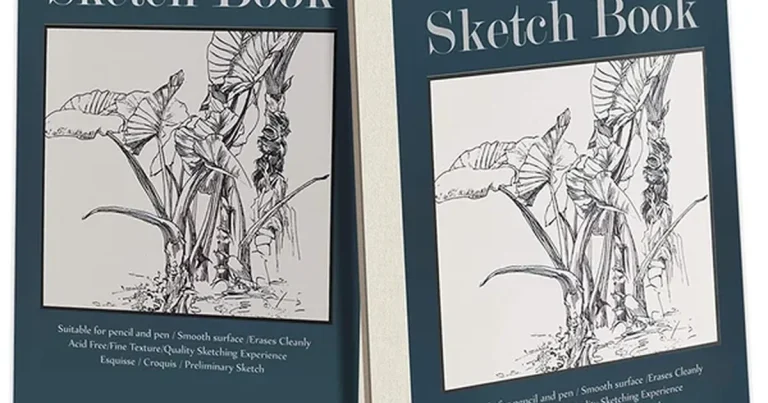
4. An archival sketchbook with paper suited to dry media. This is a strong gift for drawers, urban sketchers, and mixed-media artists who care about paper feel and longevity.
5. A toned-paper sketchbook for figure studies and layered highlights. It adds variety without forcing a new medium.
6. A pad of specialty paper or board, such as heavyweight cotton paper, illustration board, or printmaking paper, chosen to match their usual practice.
Paper gifts are only “safe” when the format makes sense. Spiral-bound, hardbound, loose sheets, and block pads all serve different workflows. For a more detailed look at paper choices, see this sketchbook guide for artists.
Studio organization tools that make creative work easier
7. A modular desktop organizer for pens, brushes, clips, blades, or blending tools.
8. A flat file folder, archival document case, or portfolio sleeve for storing works on paper.
9. A rolling utility cart or compact tabletop storage box for artists who work in shared rooms and need to pack materials away quickly.
These gifts may sound practical, but they solve a real problem: creative friction. When tools are easier to reach and finished work is easier to protect, people tend to use their space more often.
Desk objects, color tools, and tactile accessories with everyday appeal
10. A color wheel or color-mixing reference tool. This is especially good for students, painters, and anyone experimenting with palettes.
11. A weighted desk object, sculptural paperweight, or artistically designed timer that adds tactile pleasure to a workspace.
12. A premium brush or pencil wrap that keeps favorite tools protected and portable.
For more workspace-focused ideas, browse creative desk gifts for artists.
Museum-worthy wall art, prints, and photography gifts for their space
13. A small framed art print that reflects their taste rather than their own medium. For example, a painter may love black-and-white photography, while a photographer may enjoy abstract line work.
14. A limited-edition print from an emerging artist. This can feel especially meaningful for someone building a studio with collector energy.
15. A fine art photography print for an office, studio corner, or reading nook. Photography gifts work well because they are visually strong without overlapping too closely with the recipient’s own tools.
The key is scale. A print that is too large becomes a placement problem; one that is too small can disappear visually unless it is framed with generous matting.
When gifting wall art, choose a size that can sit on a shelf, desk, or picture ledge if wall mounting is not practical. Flexible placement makes framed gifts easier to enjoy right away.
Frames, portfolio storage, and display solutions for finished work
16. A high-quality frame suited to standard paper sizes. This is useful for artists who finally need to display their own work instead of storing it in drawers.
17. A portfolio case or presentation box for protecting finished pieces, especially for students, illustrators, and printmakers.
18. A picture ledge or compact display shelf for rotating prints, postcards, and inspiration images without committing to a full gallery wall.
Frames are great gifts when you know the artwork size. If the artist works on canvas, floating styles are often worth considering; for works on paper, check whether glazing, mat depth, and backing materials are suitable for long-term display.
Lighting, magnifiers, and practical studio upgrades they may not buy themselves
19. A task light with adjustable brightness and a color temperature suitable for art-making. Better lighting can improve comfort and color judgment more than many people expect.
20. A clamp-on magnifier light or close-work lamp for detail-heavy illustration, miniature work, restoration, or careful drafting.
Artists often delay buying lighting upgrades because they prioritize consumable supplies first. If lighting is your direction, Hurrell Editions also covers what to look for in a desk lamp for artists.
Experience-based gifts, memberships, and thoughtful creative subscriptions
21. A museum membership, workshop pass, class credit, or subscription tied to art, design, or creative research. Experience gifts can be ideal when you know the recipient values inspiration but already owns the tools they need.
This category also works well for minimalists and apartment dwellers who do not want more objects. The best option depends on location, schedule, and whether the membership or class is easy to redeem.
- Feels more personal than generic supplies
- Can improve workflow, storage, or display
- Works across many budgets and art forms
- Highly specific tools can still be risky
- Framed gifts need space and placement planning
- Memberships vary by location and terms
What to Look for When Buying Unique Gifts for Artists
Medium, skill level, and whether they create professionally or for pleasure
A casual sketcher and a professional printmaker may both love art, but they do not need the same gift. Beginners often appreciate versatile, confidence-building items. More experienced artists usually prefer better materials, better storage, or better display solutions over broad starter kits.
Materials and specifications: archival quality, durability, portability, and finish
For paper goods, check whether the item is acid-free or archival if long-term preservation matters. For lights, confirm power source, adjustability, and whether brightness or color settings are listed. For frames and storage, look at materials, closure style, and whether the gift is portable enough for the recipient’s setup.
Always verify current specifications on the official listing before buying, since materials, included accessories, and finishes can vary by model or retailer.
Style compatibility: minimalist, eclectic, contemporary, or classic studio aesthetics
Some artists want a neutral, orderly workspace. Others prefer layered color, visual references, stacked books, and collected objects. A sleek aluminum desk accessory may be perfect in one studio and completely wrong in another. Matching the gift to the room matters almost as much as matching it to the medium.
When to choose a functional tool versus a decorative or inspirational gift
Choose a functional gift when you know a clear need: poor lighting, messy tool storage, no portfolio case, or no frame for finished work. Choose a decorative or inspirational gift when the artist is already well equipped or difficult to buy core supplies for.
- Confirm the artist’s medium and whether they already have strong brand preferences.
- Check size, storage needs, and whether the gift must fit a small desk or apartment studio.
- Verify materials, finish, power source, or archival details on the official product page.
- Consider whether the gift should be used daily, displayed, or saved for special projects.
How to Match the Gift to the Artist and Their Space
Best gifts for painters, illustrators, photographers, printmakers, and mixed-media artists
Painters often appreciate palette and lighting upgrades, color references, and monographs. Illustrators and drawers tend to like sketchbooks, pencil wraps, detail lights, and portfolio storage. Photographers often respond well to books, prints, archival boxes, and display pieces for home or office walls. Printmakers and mixed-media artists usually benefit from flat storage, specialty paper, and protective presentation materials.
Home studio, shared workspace, apartment corner, or office display: what fits where
A home studio can handle larger gifts like rolling carts, framed prints, or standing storage. Shared workspaces call for portable cases, compact organizers, and gifts that can be packed away. In apartment corners, vertical storage and smaller framed pieces usually work better than bulky equipment. For office display, choose polished objects that feel intentional and not too fragile.
Matching wall art, frames, and display pieces to existing decor and color palettes
If the room is neutral, a saturated print or bold photography piece can add energy. If the room is already colorful, black-and-white imagery or a restrained frame may create balance. Wood frames feel warmer and more traditional; black, white, or metal frames usually lean more contemporary.
A small framed print, a stacked monograph, and one sculptural desk object can turn a plain work corner into a studio that feels collected rather than improvised.
Wall Art and Framed Gift Ideas: Sizing, Placement, and Hanging Basics
Choosing the right print or frame size for desks, shelves, hallways, and studio walls
Small framed pieces work well on bookshelves, picture ledges, and desks, especially when layered with books or objects. Medium sizes are often easiest for hallways, office walls, and above sideboards. Large pieces can be striking in a studio, but only if the recipient has enough open wall area and a mounting plan.
Spacing and layout tips for a single framed piece or a small gallery wall
A single frame should feel visually anchored by the furniture below it, not floating far above. For a small gallery wall, keep spacing consistent and let one piece lead the arrangement. Mixed frame sizes can look intentional when they share either a common color palette or a similar mat style.
Wall type, hanging hardware, and weight considerations before gifting framed art
Before choosing a heavy framed gift, think about wall type, rental restrictions, and whether proper hanging hardware is included. Weight capacity varies by wall material and hardware system, so the safest approach is to confirm the frame weight and follow the manufacturer’s guidance. For heavier pieces or uncertain walls, professional installation may be the better option.
Presentation ideas that make art gifts feel elevated and ready to display
Presentation matters with art gifts. A frame wrapped in tissue, corner protectors, and a simple note explaining why you chose the piece feels far more considered than handing over a shipping carton. If the gift is unframed, include an archival sleeve or sturdy portfolio envelope so it still feels complete.
Keep framed art and paper-based gifts away from prolonged direct sun, damp rooms, and heat sources when possible. UV exposure, humidity, and temperature swings can affect paper, inks, adhesives, and some frame finishes over time.
Practical Upgrades Artists Love: Lighting, Storage, and Everyday Use
Lighting essentials: placement, brightness, color temperature, and power source
Task lighting should illuminate the work surface evenly without creating glare or harsh shadow. Adjustable brightness is useful for switching between sketching, painting, reading, and computer work. Many artists prefer a daylight-leaning color temperature for color-sensitive tasks, but the ideal setting depends on medium, room light, and personal comfort.
Power source also matters. Plug-in lamps are better for long sessions and stronger output, while rechargeable or battery-powered options can be useful in flexible or small-space setups.
Safety basics for task lights, picture lights, and plug-in studio accessories
Check cord length, switch placement, and whether the lamp is intended for desk use, clamping, or wall mounting. Keep cords clear of walkways and wet areas, and avoid overloading outlets with multiple high-draw devices. If a light mounts to the wall or requires hardwiring, follow the manufacturer’s instructions and consider a qualified installer.
Storage, portability, and maintenance features that improve long-term value
Good storage gifts reduce dust, bending, and accidental damage. Look for wipe-clean materials, sturdy handles, stable bases, and closures that make sense for frequent use. Portability is especially valuable for artists who move between home, school, classes, and shared workspaces.
Common Gift-Buying Mistakes to Avoid
Choosing low-quality novelty items over well-made essentials
Novelty gifts can be charming, but they often become clutter if they do not serve a real purpose. One durable, well-designed item usually feels more generous than several inexpensive gimmicks.
Buying the wrong size, material, or format for their workflow
A huge sketchbook may be impractical for someone who draws on the go. A glossy paper pad may frustrate an artist who prefers tooth and absorbency. A beautiful frame is not useful if it does not fit a standard size they actually use.
Ignoring display needs, care requirements, or room limitations
Large gifts can create stress if the recipient has no place to store, hang, or use them. Always think through where the object will live, how it will be maintained, and whether it suits a renter-friendly or small-space environment.
- Choose gifts that solve a real studio, storage, or display need.
- Verify dimensions, materials, and compatibility before ordering.
- Favor timeless design over one-joke novelty.
- Guessing at brand-specific paints, pens, or digital accessories.
- Buying oversized framed pieces for small apartments.
- Assuming every artist wants more basic supplies.
Final Recommendations: The Best Unique Gifts for Artists by Budget, Occasion, and Personality
Best gifts for birthdays, graduations, holidays, housewarmings, and creative milestones
For birthdays, choose something personal and visually appealing, such as a monograph, framed print, or sculptural desk object. Graduations call for portfolio storage, a better task light, or a museum membership that supports the next stage of creative life. Holidays are ideal for smaller but elevated items like premium sketchbooks, organizers, and color tools. Housewarmings suit framed art, picture ledges, and display-friendly books. Creative milestones deserve gifts that mark progress, such as a professional-looking frame or archival storage for finished work.
Best affordable, mid-range, and premium picks with strong long-term value
Affordable gifts include sketchbooks, color tools, desk accessories, and small art books. Mid-range options often include quality task lights, framed prints, and portfolio cases. Premium gifts usually center on limited-edition art, substantial monographs, museum memberships, or larger studio upgrades. Since pricing and availability change often, confirm current details before purchasing.
How to give the gift beautifully: wrapping, boxing, display, and handwritten notes
The most reliable all-around choices are an art book with display appeal, an archival sketchbook matched to the artist’s medium, a well-designed task light, or a small framed print that suits their space. Wrap the gift so it feels intentional, include care or specification notes if relevant, and add a handwritten message explaining why you chose it. That final detail often makes a practical gift feel genuinely memorable.
Frequently Asked Questions