8 Best Sketchbooks for Artists Who Love Quality Paper: Top Picks for Professional Results

Sketchbooks help artists capture ideas, test techniques, and make finished work without worrying about paper that won’t hold up. Quality paper matters for drawing, ink, watercolor washes, and mixed media because it affects texture, tooth, weight, and how media sits or absorbs. A good sketchbook also balances durability, binding style, and size so pages lie flat and withstand erasing, layering, and repeated handling.
Buyers should focus on paper weight (measured in gsm), surface texture (hot-press vs. cold-press or smooth vs. tooth), and whether the pages are buffered or acid-free for longevity. Binding type, page count, and whether the paper is sized for wet media will change how the sketchbook performs with pens, markers, or light washes. Choosing the right weight and surface for the media an artist uses is the single most important decision when picking a sketchbook for quality paper. This guide tests and recommends sketchbooks that balance paper quality, construction, and value to help artists pick the best option for their work.
8 Best Sketchbooks for Quality Paper
They chose sketchbooks that put paper quality first, focusing on weight, texture, and archival properties. The list highlights options for wet and dry media, mixed media, and long-lasting pages so artists can pick the best fit for their work.
Fuxi 9×12 Sketch Book

It is a solid choice for artists who want durable, acid-free paper that handles erasing and dry media well.
Pros
- Thick, acid-free sheets resist yellowing and handle erasing.
- Top spiral and rigid cover make drawing on the go easier.
- Good sheet count for practice and projects.
Cons
- Not suitable for markers or wet media.
- Spiral can catch or bend with heavy use.
- Paper weight may be light for heavy layering.
The paper holds up to repeated erasing and pencil work without tearing. Users who focus on graphite, charcoal, and pastel will find the surface forgiving and smooth enough for detail.
The top spiral keeps the page flat and the rigid cover gives a steady drawing surface in laps or backpacks. The perforations make it easy to remove pages cleanly when needed.
This sketchbook won’t replace watercolor or marker pads, but it offers dependable, archival-feeling paper for dry media and daily practice.
illo Sketchbook 8×8

It is a solid choice for artists who want thick, smooth paper that handles dry media and light washes without heavy bleed-through.
Pros
- Thick, smooth paper that supports pencils, pens, and light watercolor.
- Sturdy hardcover and lay-flat binding for easy drawing across spreads.
- Compact square format works well for social sharing and quick studies.
Cons
- Not suited for heavy wet media or saturated watercolor techniques.
- Alcohol markers can show some bleed-through on one side.
- Paper count is modest for frequent, heavy users.
The paper weight and texture make it feel closer to artist-grade sketchbooks. It allows for clean lines, fine detail, and gentle layering without much warping.
The hardcover and vegan PU cover give good protection while traveling. The ribbon marker and back pocket add small, useful touches for organization.
Some buyers note occasional bleed with aggressive marker use and limits for heavy washes. Artists who mainly use graphite, colored pencil, ink, and light watercolor will find it reliable.
Premium Sketchbook (Large journal)

This sketchbook is worth buying for artists who want sturdy, textured paper that handles dry media well.
Pros
- Thick, textured paper good for graphite and colored pencil
- Sturdy hardcover that protects pages
- Micro-perforated sheets for easy removal
Cons
- Graphite can smudge easily on the surface
- Not ideal for heavy wet media or soaked washes
- Some users report occasional shipping damage
The paper shows a clear tooth that most pencil and charcoal users will like. It feels similar to mid-to-high grade pads, so shading and blending work smoothly.
The hardcover keeps the book flat and travel-ready. Micro-perforations make it easy to remove finished pages without tearing the rest.
This sketchbook suits people who favor dry techniques and light washes. Those who work heavily with wet media should consider a heavier watercolor pad instead.
Canson Artist Series Sketchbook (11 x 14)

This sketchbook is a solid choice for artists who want reliable, erasable paper and a binding that lays flat.
Pros
- Lays completely flat for easy drawing across the spread
- Paper erases cleanly and resists smudging
- Sturdy hardbound cover protects pages
Cons
- Paper is on the thinner side for wet media
- Bright paper color may not suit every taste
- Larger size can feel bulky to carry
The stitch binding keeps pages secure and lets the book open flat, which helps when working across two pages. The hard cover adds protection in a backpack or studio bag.
The 65 lb (96 g/m2) sheets work very well for pencil and charcoal. Artists will find the fine texture holds detail and erases without heavy ghosting.
This pad is not ideal for heavy washes or wet techniques, as the weight can buckle with a lot of moisture. People who prefer tinted or off-white paper might find the bright surface too stark.
Overall, it suits sketchers who value a clean erase and a durable, flat-opening book for dry media.
String & Space Sketchbook
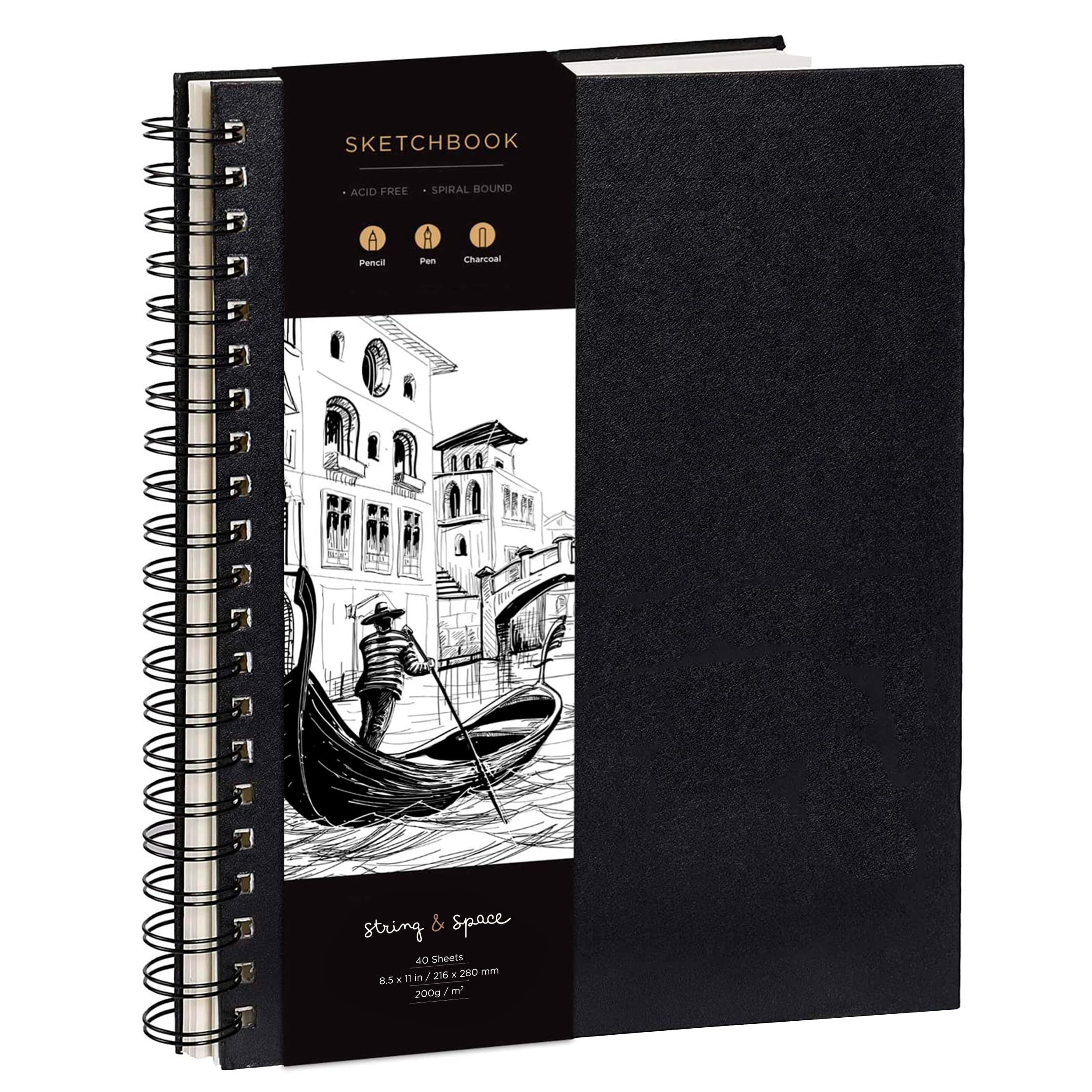
It is a strong choice for artists who want thick, no-bleed paper in a handy spiral hardcover format.
Pros
- Paper handles wet and dry media without obvious bleed.
- Sturdy hardcover and wire binding make it easy to work flat.
- Smooth surface suits pencils, pens, and light water washes.
Cons
- Only 40 sheets, so it fills up fast for frequent users.
- Graphite can smudge on the toothier surface.
- Size may feel small for very large pieces.
The paper weight and finish stand out for those who mix media. It keeps ink and markers from seeping through and takes light watercolor and pastels well.
The hardcover gives a stable work surface on the go, and the spiral lets pages lie flat or flip back for single-page use. That makes sketching in tight spaces easier.
Some artists may miss more pages at this price point. Also, the texture can show smudging with heavy graphite, so fixing spray or careful handling helps.
Find the product on Amazon: String & Space Sketchbook.
Strathmore 400 Sketch Pad, 9×12 (100-sheets)
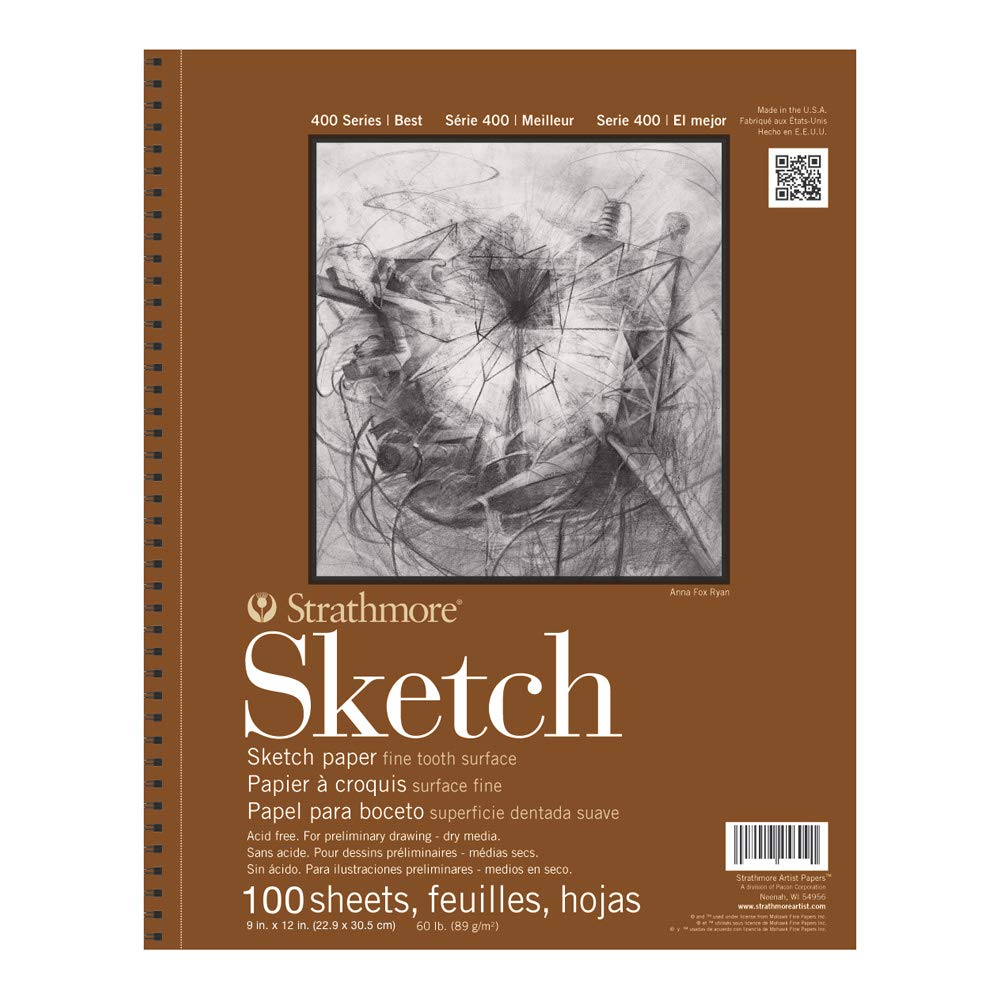
It is a solid pick for artists who need dependable, heavyweight paper for dry media and fast studies.
Pros
- Heavyweight paper resists tears and handling.
- Fine tooth holds pencil, charcoal, and pastel well.
- Micro-perforation makes removing sheets clean and easy.
Cons
- Not ideal for heavy layering with colored pencils.
- Paper surface is smoother than some artists prefer.
- Wire binding can get in the way when drawing near the edge.
Artists will like the consistent tooth and weight that support quick sketches, figure studies, and classroom use. The pad keeps pages secure with a chipboard back while still letting users tear out finished work cleanly.
It works best with graphite, charcoal, and dry pastel. People who favor many layers of color or wet media may find the paper too smooth or not heavy enough for washes.
Overall, it serves well as a practice pad and a portable sketch companion for those focused on dry media and reliable paper quality.
MOFUNY Mixed Media Sketchbook 9″x12″

They should buy this if they want a sturdy, versatile sketchbook with thick paper that holds up to many wet and dry media.
Pros
- Thick, durable paper that resists bleed-through.
- Sturdy hardcover and ring binding that lie flat.
- Works well for watercolor, acrylics, and dry media.
Cons
- Ring binding can catch in bags or on desks.
- Not archival-grade for very long-term preservation.
- Only one color option and limited sheet count per pad.
The paper weight and texture suit artists who mix wet and dry techniques. It handles washes and layered pigments without obvious warping, and pencils, pens, and pastels all sit cleanly on the surface.
The spiral binding folds flat and lets users rotate pages for easier work. The hardcover protects stacks of sheets, but the rings add bulk when carrying the pad in a tight bag.
This sketchbook fits studies, practice pieces, and finished small works. It gives a reliable balance of quality and price for artists wanting a portable, mixed-media option.
MOFUNY Mixed Media Sketchbook 9″x12″
Canson XL Mix Media Pad 9×12
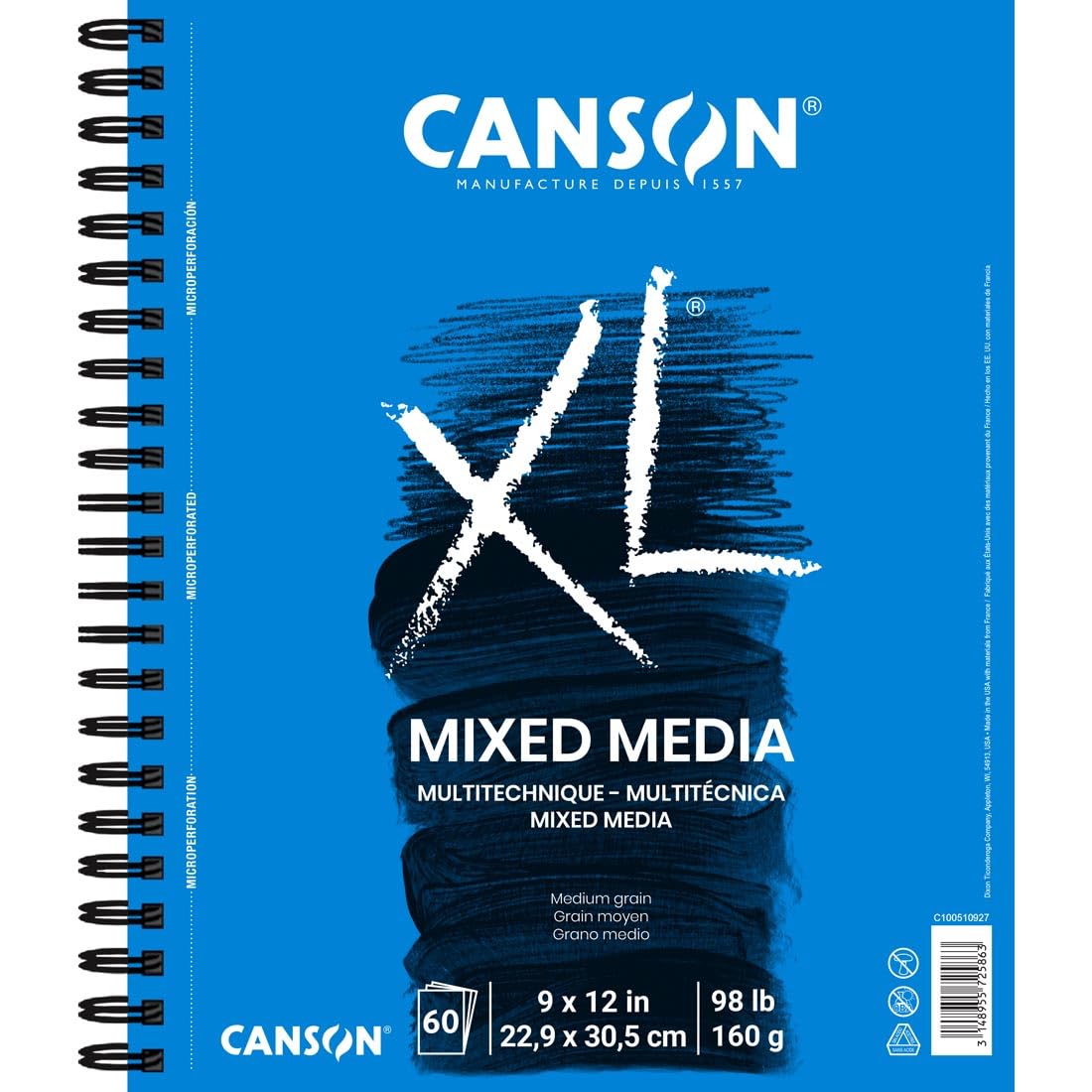
It is a solid choice for artists who want sturdy, multi-use paper that handles wet and dry media well.
Pros
- Thick paper that resists warping with washes.
- Works with markers, pens, and light watercolor.
- Perforated sheets make removal easy.
Cons
- Not true watercolor paper for heavy washes.
- Side wire can get in the way for some users.
- Heavier media may show through on the back of the page.
The pad offers a reliable surface for sketching, ink work, and light watercolor. Artists who switch between pencils, markers, and water-based media will find the paper forgiving and consistent.
Manufactured in France, the sheet texture balances tooth and smoothness. That helps pencils and pens lay down clean lines while still accepting light washes and layering.
Perforated pages let users remove work cleanly for framing or scanning. The 9×12 size fits most sketchbooks racks and is easy to carry to classes or plein air sessions.
Overall, it suits hobbyists and students who want one pad for mixed techniques without paying for specialized watercolor block paper.
Buying Guide
Choosing the right sketchbook starts with paper type. He or she should match the paper to the medium—pencil, ink, marker, or watercolor—and check weight (gsm) to ensure the paper won’t buckle or bleed.
They should look at paper texture next. Smooth sheets suit fine pen and ink work, while toothier pages hold graphite and charcoal better. A mixed-media surface can work for varied tools.
Consider size and format for comfort and use. Smaller books fit pockets and daily practice. Larger formats give room for detailed pieces and composition work.
Binding affects how the book opens and lays flat. Spiral bindings often lay flat, making them easier for double-page spreads. Sewn bindings are usually more durable and sit well on a shelf.
Evaluate sheet count and replaceability. More sheets mean longer use but increase weight. Removable or refillable options let them swap pages without replacing the whole book.
Look for archival qualities when longevity matters. Acid-free and lignin-free papers help preserve work without yellowing over time. They should check for archival labeling if preservation is a priority.
Think about secondary features too. Perforations, pockets, and elastic closures add convenience. He or she should balance features with weight, price, and intended use to find the best fit.
Quick feature checklist
| Feature | What to check |
|---|---|
| Paper weight | gsm rating for medium |
| Texture | smooth vs. tooth |
| Binding | lays flat or durable |
| Size | pocket to large format |
| Archival | acid-free / lignin-free |
| Extras | pockets, perforations, refills |
Editor’s picks
The list highlights sketchbooks with top-tier paper for dry media, wet media, and mixed use. Each pick notes paper weight and best uses so readers can match tools to the right book.
- Strathmore 400 Series — 190 gsm, fine tooth. It suits pencil, charcoal, and light ink. The pages lie flat and take erasing well.
- Moleskine Art Plus — 200 gsm, heavyweight watercolor paper. It handles washes and light mixed media. The stitched binding keeps sketches secure.
- Canson XL Mix Media — 160 gsm, textured surface. It works for markers, light watercolor, and pen. It’s a budget-friendly option with reliable performance.
- Stillman & Birn Beta — 270 gsm, smooth finish. It accepts wet media and heavy ink without cockling. Artists who layer media will appreciate the stability.
- Hahnemühle Nostalgia — 200 gsm, cold-pressed surface. It gives a subtle texture that flatters graphite and watercolor. The cream tone warms sketches.
| Sketchbook | Paper Weight | Best For |
|---|---|---|
| Strathmore 400 Series | 190 gsm | Pencil, charcoal, light ink |
| Moleskine Art Plus | 200 gsm | Watercolor, mixed media |
| Canson XL Mix Media | 160 gsm | Markers, pen, light washes |
| Stillman & Birn Beta | 270 gsm | Wet media, heavy ink |
| Hahnemühle Nostalgia | 200 gsm | Graphite, watercolor texture |
They tested these for paper feel, bleed resistance, and durability. The picks suit artists who value consistent, high-quality paper.
Frequently asked questions
What paper weight should they choose for mixed media?
For mixed media, they should pick 160–300 gsm. Lighter paper may buckle with wet media. Heavier sheets handle washes and markers without bleed.
Can they use sketchbooks for watercolor?
Yes, if the sketchbook lists watercolor or has 200+ gsm cold-pressed paper. Spiral-bound and hardbound both work, but a hardback keeps the paper flat for washes.
How important is paper tooth?
Tooth affects grip and texture. Rough tooth holds dry media like charcoal and pastel better. Smooth paper suits ink, marker, and fine pen work.
Should they buy sketchbooks with archival paper?
Archival paper prevents yellowing and lasts longer. If longevity matters, they should look for acid-free, buffered, or archival labels.
Does paper color matter?
Yes. White shows true color; cream softens tones and reduces glare. Mid-tone papers help with highlights and value studies.
How many sheets are typical?
Most quality sketchbooks offer 40–120 sheets. Thicker paper usually means fewer sheets to keep the book a manageable size and weight.
How to test paper before committing?
They should buy a single sheet or a small pad to try pens, pencils, markers, and washes. Testing saves money and ensures the paper fits their style.
Conclusion
The right sketchbook supports the artist’s style and medium. It helps them focus on technique instead of fighting poor paper.
Artists who want heavy washes or ink should pick hot-pressed or heavyweight paper. Those who draw with pencils, markers, or mixed media can choose midweight, textured options for better grip and detail.
Quality matters for longevity and presentation. Acid-free paper keeps work from yellowing, and good binding prevents pages from falling out during use.
Budget and portability shape choices too. A smaller, affordable sketchbook works for daily practice, while a larger, archival option suits finished pieces and shows.
Practical tips to choose:
- Match paper weight to medium.
- Look for acid-free or archival labels.
- Check binding and page texture.
A thoughtful choice makes creating smoother and keeps artwork safe for years.