Aluminum Cross Stitch Frame: Why Makers Choose It

An aluminum cross stitch frame offers a clean, contemporary way to present stitched art without distracting from the work itself. For makers, gift buyers, and design-minded collectors, it can turn a finished piece into something that feels considered, polished, and ready to live beautifully in a room.
- Modern look: Aluminum gives cross stitch a clean, gallery-style presentation.
- Practical strength: It is lightweight, which helps with larger pieces and wall hanging.
- Style flexibility: Matte and brushed finishes suit most rooms best.
- Gift-friendly: Framed stitched art makes a thoughtful present for many occasions.
- Preservation matters: Use proper backing, matting, and keep textiles away from strong light and humidity.
What an Aluminum Cross Stitch Frame Is and Why It Matters in 2026
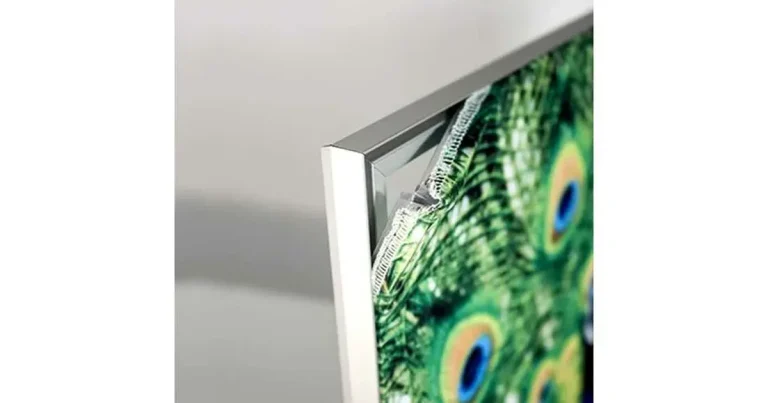
An aluminum cross stitch frame is a framing solution made with an aluminum profile or aluminum-based structure designed to hold stitched fabric securely and display it with a refined edge. In 2026, it matters because more homes are treating handmade work as part of the interior language, not just as craft.
That shift favors frames that feel light, modern, and unobtrusive. Aluminum does that well: it supports the artwork while letting thread color, fabric texture, and the maker’s detail remain the focus.
How the material changes the look, feel, and longevity of stitched art
Material changes more than appearance. Aluminum brings a crisp visual line, a cooler architectural feel, and a sense of precision that suits cross stitch patterns with fine detail or graphic composition.
It can also support longevity when paired with proper backing, matting, and UV-conscious glazing. The frame itself is only one part of preservation, but it plays an important role in keeping the piece stable and presentable over time.
Who this frame is for: makers, gift buyers, and interior-led collectors
This frame suits makers who want their finished work to look exhibition-ready, especially when the piece is intended for gifting or display in a curated home. It also works well for buyers looking for a meaningful present that feels more elevated than a casual craft display.
Interior-led collectors tend to appreciate aluminum because it blends into modern rooms without looking heavy. If you enjoy art that feels edited and calm, rather than rustic or overly decorative, this is a strong material to consider.
Why Aluminum Works So Well for Contemporary Needlework Display
Cross stitch has a long handmade tradition, but its display can feel surprisingly contemporary when the framing is handled with restraint. Aluminum is especially effective in homes that balance texture, books, natural light, and simple furniture lines.
Lightweight strength for larger pieces and easier wall hanging
One of aluminum’s practical advantages is its strength-to-weight balance. Larger stitched pieces can become cumbersome in heavier frames, especially if they are intended for a hallway, stairwell, or layered gallery wall.
A lighter frame can make hanging easier and reduce strain on the wall hardware. That does not replace proper mounting, of course, but it can make a noticeable difference in daily handling and installation.
Clean lines that suit modern, gallery-style, and minimalist interiors
Aluminum naturally supports a quiet, linear look. That makes it ideal for gallery-style displays, minimalist rooms, and interiors where the frame should recede rather than compete.
It is also a good match for monochrome embroidery, botanical motifs, typography-based cross stitch, and sampler designs that benefit from a sharp border. For readers exploring similar display logic, our guide to a floating frame explains why visual breathing room can change the whole mood of framed art.
How aluminum compares with wood, acrylic, and mixed-material frames
Wood often brings warmth and character, especially in traditional or farmhouse interiors. Acrylic can feel sleek and lightweight, but it may read more casual unless the construction is especially polished.
Mixed-material frames can be appealing when you want contrast, but they may also introduce visual noise. Aluminum is the most straightforward of the group: it offers structure, consistency, and a contemporary finish that works across many rooms.
- Lightweight for easier hanging and repositioning
- Clean profile that keeps stitched art visually central
- Works well in modern, minimalist, and gallery-style spaces
- Pairs neatly with mats, mounts, and conservation backing
Design Considerations for Artful Display in Homes and Studios
Framing is never only technical. It shapes how the piece feels in the room, how much attention it receives, and whether it reads as craft, decor, or collectible art.
Matching frame finish to thread palette, fabric tone, and room decor
Finish matters because cross stitch often contains subtle color shifts that deserve support, not competition. A soft silver or charcoal aluminum frame can flatter cool palettes, while warmer interiors may benefit from a muted champagne-toned finish if available.
Think about the fabric too. Cream, linen, and natural Aida cloth tend to look especially elegant when framed with a restrained metal edge. A frame that echoes the room’s hardware, lamp bases, or shelving can make the whole space feel more intentional.
Choosing between matte, brushed, and polished looks for different spaces
Matte aluminum is often the easiest choice for living rooms, bedrooms, and reading corners because it absorbs glare and feels calm. Brushed finishes add a little texture and work well in spaces with layered materials like oak, wool, and stone.
Polished aluminum can be striking, but it is best used carefully. In bright rooms, it may reflect more light than you want, which can distract from delicate stitching.
How framing affects the perceived value of hand-stitched artwork
A thoughtful frame can shift a piece from “finished project” to “kept object.” That change is subtle, but important: the right presentation signals care, time, and permanence.
For gift-givers, this matters especially. A framed cross stitch present often feels more complete and more ready to live in a home, which can increase its emotional value even when the stitch itself is modest in scale.
Practical Uses: From Finished Cross Stitch Pieces to Creative Gifts
Aluminum cross stitch frames are versatile enough to work in seasonal decorating, sentimental gifting, and everyday interior styling. Their appeal lies in how easily they adapt to different sizes and moods.
Framing seasonal motifs, monograms, and heirloom-style samplers
Seasonal motifs like winter houses, autumn florals, or spring birds often benefit from a frame that feels simple and repeatable. Aluminum works well because it lets you swap in a new piece without changing the visual rhythm of your wall.
Monograms and heirloom-style samplers also shine in this format. Their symmetry and detail pair beautifully with a tidy frame edge, especially when the stitching is intended to feel timeless rather than rustic.
Using framed cross stitch as thoughtful gifts for weddings, nurseries, and housewarmings
Framed cross stitch is an especially thoughtful gift when it reflects a name, date, place, or shared memory. For weddings, a refined aluminum frame can make a personalized piece feel elegant rather than overly handmade in a casual sense.
In nurseries, it offers a softer alternative to mass-produced wall art. For housewarmings, it becomes a meaningful object that can move easily from one room to another as the home evolves.
Displaying finished work in reading corners, entryways, and craft rooms
Reading corners are a natural fit because they already invite quiet looking. An aluminum frame can echo the calm order of bookshelves and task lighting without taking over the wall.
Entryways benefit from the same clarity, especially if the piece is small and welcoming. Craft rooms can use framed cross stitch as both decoration and motivation, reminding the maker what the finished result can become.
Curator Recommendations for Selecting the Right Frame
Choosing the right frame is partly about proportion and partly about atmosphere. The best aluminum frame is the one that supports the scale of the work and the feeling you want the room to hold.
Best frame proportions for small, medium, and statement-size pieces
Small pieces usually benefit from a slimmer border and a little negative space around the stitching. That extra breathing room helps the design feel more refined and less crowded.
Medium pieces can handle a slightly stronger profile, especially if the artwork is meant to anchor a shelf wall or sit above a sideboard. Statement-size works need the most careful proportioning so the frame feels substantial without overwhelming the fabric.
When to choose a slim profile versus a more architectural edge
A slim profile is ideal when the cross stitch itself is the star. It keeps the presentation light and works especially well in contemporary rooms with understated furniture.
A more architectural edge can suit pieces that are meant to look bolder or more formal. It may also help when the room needs a stronger visual boundary, such as in a large open-plan space or a high-ceilinged hallway.
Pairing the frame with mounts, mats, and backing for a polished finish
Mounts and mats are not decorative extras; they can transform how the piece sits visually and physically. A well-chosen mat creates distance between the stitching and the frame, which often improves readability and elegance.
Backing should be secure and archival-minded where possible, especially for pieces you hope to preserve. If you are comparing display approaches for other art formats, our article on a frame photo in acrylic offers a useful contrast in visual presentation and support.
- Finished stitch size and border allowance
- Frame finish in relation to the room palette
- Whether a mat will improve proportion
- Backing quality and ease of future cleaning
- Wall weight and hanging hardware needs
Price Context and What to Expect in the Market
Pricing varies widely in this category, and it is best to think in tiers rather than expecting one universal number. Size, finish quality, mounting method, and conservation features all influence the final cost.
Entry-level versus premium aluminum frame options
Entry-level aluminum frames are often the most accessible choice for smaller pieces, casual displays, or seasonal rotation. They can offer a clean look without a significant investment.
Premium options usually justify their higher price through better finish quality, custom sizing, stronger materials, or conservation-minded construction. For a special heirloom piece, that difference can matter a great deal.
What affects cost: size, finish quality, custom fit, and conservation materials
Larger frames require more material and more careful construction, which usually raises the price. Custom fit also adds cost, but it can be worth it for unusual stitch dimensions or pieces with generous margins.
Finish quality matters more than many buyers expect. A poorly finished frame can distract from the art, while a well-made one supports the piece quietly for years.
When a higher price makes sense for gallery display or long-term preservation
If the piece is intended for a formal room, a gift with sentimental value, or a long-term family keepsake, a higher price can be reasonable. You are paying not only for appearance, but for better protection and a more durable presentation.
That said, not every cross stitch needs an investment frame. For rotating seasonal work or casual studio display, a simpler aluminum option may be the more sensible and stylish choice.
Care, Preservation, and Long-Term Display Tips
Even sturdy frames need thoughtful care, especially when they hold textiles. Cross stitch is sensitive to light, dust, and humidity, and the surrounding frame should support preservation rather than complicate it.
Keeping the frame clean without damaging the stitched surface
Use a soft, dry cloth on the aluminum surface and avoid harsh cleaners that could travel toward the fabric or glazing. If the piece is glazed, clean the exterior carefully and avoid pressing on the stitched area from the front.
Never use abrasive tools. The goal is to preserve both the frame finish and the delicate textile beneath it. Best Gallery Wall Sets
Protecting thread color, fabric tension, and backing from humidity and dust
Thread color can fade over time if exposed to direct sun, while fluctuating humidity can affect fabric tension and overall shape. A well-sealed backing and a stable room environment help reduce those risks.
Dust is another quiet concern. It may not seem dramatic at first, but over time it can dull the appearance of both frame and textile.
Storage and handling tips for unfinished or seasonal pieces
If a piece is unfinished, store it flat in a clean, dry place with acid-free materials if possible. Avoid folding stitched sections tightly, since creases can be hard to remove later.
For seasonal pieces, wrap and store them carefully between displays so the frame finish stays clean and the textile does not gather dust or pressure marks.
A Creative Recap: Styling Aluminum Cross Stitch Frames as Functional Art
At its best, an aluminum cross stitch frame does more than hold fabric in place. It helps handmade work enter the home as a visual object with presence, restraint, and a sense of intention.
How one frame can bridge craft, interior design, and personal storytelling
That bridge is what makes this framing choice so appealing. It respects the time and tenderness of the stitch, while also aligning with the cleaner visual language many homes now favor.
Whether the piece is a family sampler, a wedding gift, or a quiet landscape stitched over many evenings, the right frame helps it read as both craft and keepsake.
Final editorial take on choosing aluminum for a refined, modern handmade display
If you want your cross stitch to feel modern, balanced, and easy to live with, aluminum is a compelling choice. It is especially strong when the room already has books, natural textures, and a thoughtful mix of old and new.
For readers who enjoy the idea of a handmade object becoming part of a curated home, aluminum offers a practical elegance that feels very current in 2026. It is not the only good option, but it is one of the most quietly sophisticated.
Recommended Products
SHOP THIS SETUP
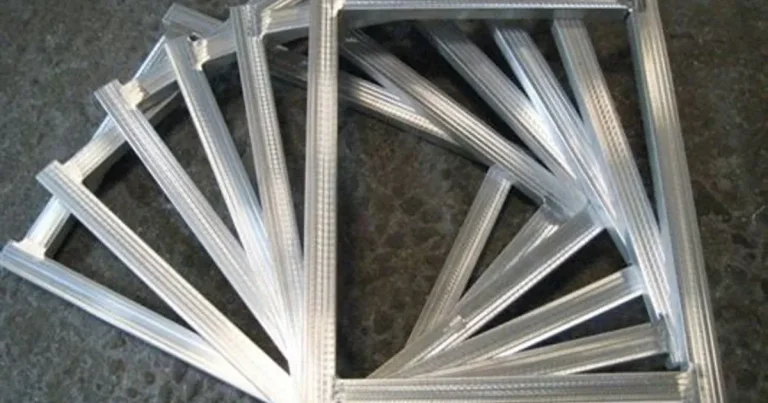
Frank A. Edmunds 5580 Aluminum Stitchery Frame
This classic aluminum stitchery frame is a favorite among cross stitchers because it is lightweight, durable, and easy to adjust for different projects. Its sturdy construction helps keep fabric taut without adding much weight, making it a practical choice for long stitching sessions and a strong fit for readers exploring aluminum cross stitch frames.
Frequently Asked Questions
Aluminum is lighter, cleaner-lined, and often better suited to modern interiors. Wood can feel warmer, but aluminum usually offers a more minimal display for stitched art.
The frame can support preservation, but the full result depends on backing, matting, glazing, and room conditions. It is best used as part of a conservation-minded setup.
Matte and brushed finishes are often the easiest to live with because they reduce glare. Polished finishes can work, but they may reflect more light in bright rooms.
Yes, they are a strong choice for weddings, nurseries, and housewarmings because they make handmade work feel polished. A neutral finish usually keeps the gift versatile.
Match the frame proportion to the stitched area and allow enough space for borders or a mat if needed. Small pieces often suit slimmer frames, while larger pieces may need a more substantial profile.
Keep it away from direct sunlight, humidity, and dust, and clean the frame gently with a soft dry cloth. Avoid harsh cleaners and handle the textile carefully to protect the stitching.