15 Cozy Creative Room Ideas to Inspire Your Space

Cozy creative room ideas work best when you combine soft texture, layered lighting, practical storage, and personal decor. Focus on comfort first, then add art, books, color, and flexible furniture that suit how you use the space.
cozy creative room ideas work best when a space feels both calming and alive: soft enough to settle into, but expressive enough to spark thought, making, and daydreaming. Whether you are styling a bedroom, studio corner, or compact apartment, the goal is not to copy a trend but to shape an atmosphere that supports how you actually read, work, rest, and create.
- Start with function: Plan around layout, daylight, storage, and daily use before decorating.
- Layer the lighting: Combine ambient, task, and soft accent light for comfort and creativity.
- Use texture well: Rugs, curtains, throws, and natural-looking materials add warmth fast.
- Edit your decor: Personal art and objects work better when balanced with open space.
- Check scale: Rug size, art size, and furniture proportions can make or break the room.
What Makes a Room Feel Cozy and Creative in 2026?
The balance of comfort, personality, and function
A cozy creative room usually succeeds because it solves three needs at once. It offers physical comfort through soft seating, rugs, and warm light. It shows personality through art, books, collected objects, and color. And it still functions well enough for real life, with surfaces to work on, storage to reduce clutter, and lighting that supports both mood and focus.
In 2026, the most appealing rooms are less about perfect matching sets and more about thoughtful layering. A room can feel creative without looking chaotic, and it can feel cozy without becoming overly heavy or dim. The sweet spot is a space that looks edited, lived-in, and flexible.
Why layered texture, flexible lighting, and meaningful decor matter most
Texture does much of the emotional work in a room. Linen curtains, wool rugs, boucle chairs, matte ceramics, unfinished wood, and paper-covered books all add visual warmth even before you touch them. Lighting matters just as much. One ceiling fixture rarely creates a cozy mood on its own, so layered light from table lamps, floor lamps, sconces, or rechargeable accent lights helps the room shift from practical to atmospheric.
Meaningful decor gives the room its creative energy. That might mean framed sketches, a rotating pinboard, handmade pottery, a stack of journals, or a few favorite objects displayed with space around them. The point is not to fill every surface. It is to choose pieces that say something about your interests and habits.
How to Choose the Right Cozy Creative Room Ideas for Your Space

A cozy creative room features soft textures, warm light, and a compact workspace.
What to look for: layout, natural light, storage, and daily use
Start with the room itself before choosing decor. Notice where daylight enters, where outlets sit, and which wall feels most visually grounding. If the room is narrow, avoid bulky furniture that blocks movement. If it is dark, prioritize lighter textiles, mirrors, and multiple warm lamps instead of relying on one bright overhead light.
Storage is often the difference between “creative” and “messy.” Open shelves can display materials beautifully, but they work best when paired with closed storage for supplies, cords, paper, and daily clutter. Think about how you use the room most often too. A reading room needs different seating and lighting than a craft corner or writing nook.
Which rooms these ideas suit best: bedrooms, studios, reading corners, and small apartments
These ideas adapt especially well to bedrooms, spare rooms, studio apartments, and underused corners of larger spaces. In bedrooms, they can make the room feel more personal without disturbing rest. In small apartments, they help one room serve multiple purposes through zoning, lighting, and movable furniture. In a dedicated studio, they soften a practical workspace so it feels inviting enough to return to every day.
If you are working with a living area, some of the same principles overlap with these creative living room wall decor ideas, especially when you want art and personality without making the room feel crowded.
Key materials and specifications: wood tones, textiles, paint finishes, rugs, and lighting temperature
Mid-tone and warm wood finishes tend to feel more inviting than stark gray-toned woods in a cozy room, though contrast can still work if the overall palette is soft. For textiles, natural-looking fibers such as cotton, wool, linen, and textured blends usually create more depth than shiny synthetics. With paint, matte and eggshell finishes often feel gentler than high-gloss surfaces, especially in bedrooms and reading areas.
Rugs should be large enough to define a zone rather than float awkwardly under one chair. Lighting temperature matters too: warm ambient light generally feels best for atmosphere, while slightly brighter focused task light helps with drawing, writing, or desk work. Exact bulb performance varies by fixture and brand, so check the manufacturer’s specifications before buying.
- Measure the room and identify one main function plus one secondary function.
- Check natural light, outlet placement, and whether storage needs to be open, closed, or both.
- Confirm rug size, lamp height, and furniture scale before ordering.
- Review official care instructions and installation guidance for lighting, mirrors, and wall-mounted pieces.
15 Cozy Creative Room Ideas to Inspire Your Space
1. Build a soft reading nook with layered seating and warm lighting
A reading nook becomes instantly cozier when it includes more than one comfort layer: a supportive chair, a footstool or ottoman, a throw, and a nearby lamp. Even a small corner can work if the seating fits the scale of the wall and leaves enough room for a side table or slim shelf.
2. Add an artist’s corner with open shelving and tactile materials
A creative corner feels more inviting when supplies are visible but not chaotic. Use open shelving for sketchbooks, brushes, ceramics, or baskets, then add tactile materials like cork, wood, canvas, and paper to keep the space from feeling sterile.
3. Use a muted color palette with one expressive accent shade
Soft neutrals, dusty greens, clay tones, mushroom browns, and muted blues all help a room feel grounded. One stronger accent, such as ochre, aubergine, rust, or deep teal, can then carry the room’s personality through art, cushions, or a painted side table.
4. Anchor the room with a plush rug for warmth and zoning
A rug does more than soften the floor. It visually organizes the room, separates work from rest, and helps furniture feel intentional. In open-plan spaces, this can be one of the easiest ways to create a creative zone without adding walls.
5. Mix task lighting, ambient lighting, and candlelight-inspired glow
A good creative room needs different kinds of light for different times of day. Use ambient light for overall warmth, task lighting for reading or making, and a softer glow from shaded lamps or flameless candle-style lighting for evening atmosphere. If you are comparing accent fixtures, this guide to gallery picture lights for living rooms can help you think through art-focused lighting options.
6. Style a gallery wall that reflects your creative identity
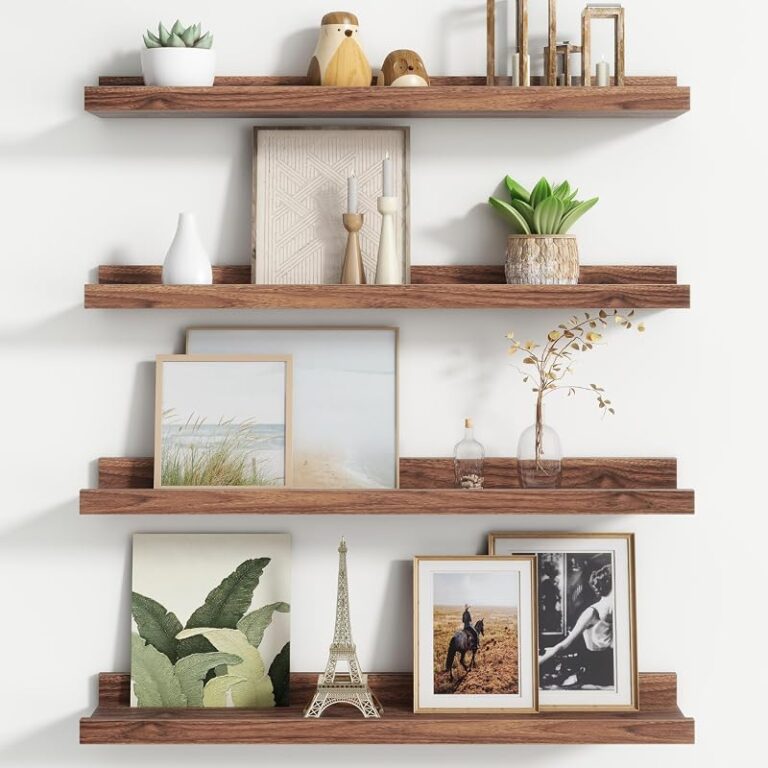
A gallery wall works best when it feels personal rather than overly formulaic. Mix art prints, sketches, photographs, textiles, or small objects in a way that connects through color, frame finish, or subject. If you prefer flexible styling, picture ledges can make it easier to rotate pieces over time; these picture ledge wall shelf ideas show why they suit evolving creative spaces.
7. Introduce vintage or handmade pieces for character
One vintage stool, handmade bowl, thrifted lamp base, or older wood side table can add more soul than several brand-new decorative items. These pieces often bring irregularity, patina, and texture that make a room feel layered rather than staged.
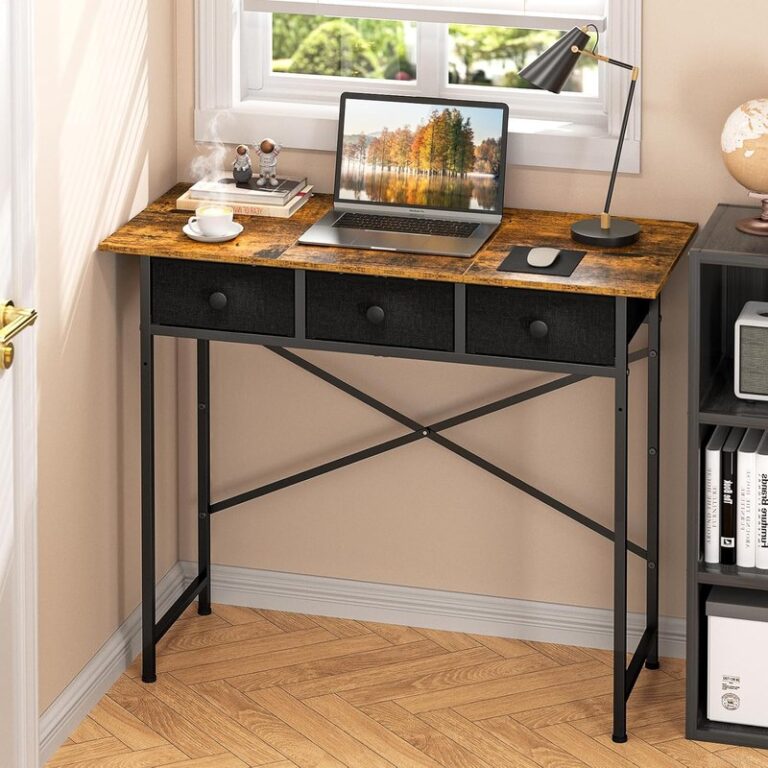
8. Create a desk area that feels inspiring rather than clinical
A creative desk should support concentration without looking like a corporate workstation dropped into a bedroom. Try a smaller lamp, a pinboard, a framed print, a ceramic cup for tools, and storage that hides cables and paper. If your setup needs better function, these ideas for desks with storage for creative living are useful for balancing beauty with practicality.
9. Layer curtains, throws, and cushions for softness
Textile layering is one of the quickest ways to warm up a room. Curtains soften wall edges and filter light, while throws and cushions make seating look more inviting. Keep the palette connected so the room feels rich, not random.
10. Bring in books, journals, and display objects with intention
Books instantly add identity, but they look best when given breathing room. Stack a few horizontally, line others vertically, and pair them with one or two objects that vary in height and shape. If you want shelves or tables to feel styled instead of cluttered, these coffee table book display ideas can help.
11. Use mirrors to deepen light without losing intimacy
Mirrors can brighten a dim room, but placement matters. A mirror opposite a window can increase light, while a mirror angled toward a lamp may spread glow deeper into the room. Choose shapes and frame finishes that still feel soft and cohesive with the rest of the decor.
12. Add plants and organic forms to soften hard edges
Plants, branches, dried stems, and curved ceramics help counterbalance straight lines from desks, shelves, and bed frames. Even one sculptural plant can make a room feel more alive and less rigid.
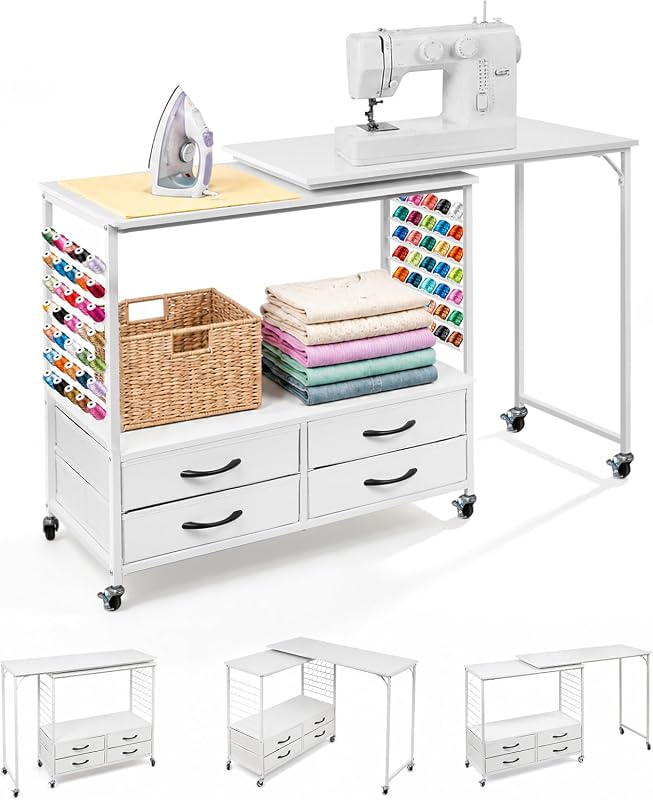
13. Try movable furniture for a room that adapts to creative work
Lightweight stools, nesting tables, rolling carts, and benches can shift with your needs. That flexibility is especially valuable in small apartments where one area may need to function as a workspace by day and a calm retreat by night.
14. Carve out a low-tech retreat for sketching, writing, or reflection
Not every creative space needs a screen. A small writing table, floor cushion, notebook basket, or analog music setup can create a quieter zone that supports focus and rest. This kind of corner often works best with minimal visual noise and softer light.
15. Finish with scent, sound, and personal rituals that shape atmosphere
The final layer is often invisible. A linen spray, cedar drawer scent, instrumental playlist, or evening lamp-switching ritual can make a room feel distinctly yours. These details do not need to be expensive to be effective; they just need to feel consistent with how you want the space to function.
- Repeat one material or color three times in the room to make mixed pieces feel connected.
- Use one closed storage piece for every area of open display to keep the room calm.
- Let at least one surface stay partly empty so the room still has visual breathing space.
Wall Art, Gallery Walls, and Decorative Layers That Actually Work
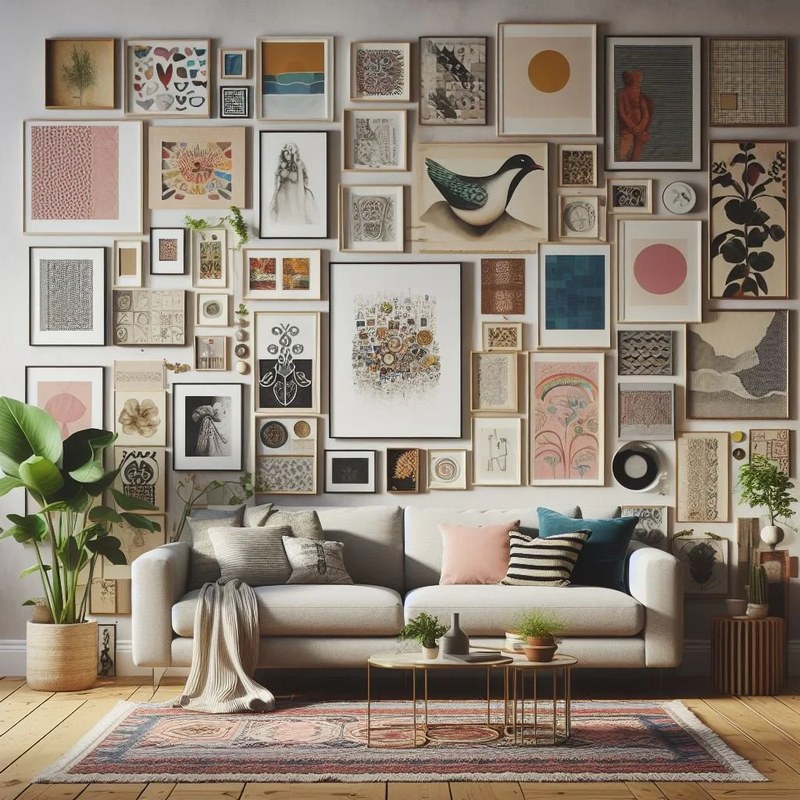
Layered framed art and decor create a balanced, textured gallery wall.
Sizing and spacing: how high to hang art and how far apart to place frames
Most wall art looks best when it relates clearly to nearby furniture. Above a sofa, bed, or desk, the arrangement should feel visually tied to the piece below it rather than floating too high. Spacing between frames should stay consistent enough to look intentional, while still allowing for variation in frame size and shape.
As a general styling rule, tighter spacing creates a more collected look, while wider spacing feels cleaner and more modern. Before hanging anything permanent, lay the arrangement out on the floor or trace it on paper first.
Layout options for small walls, above sofas, above beds, and narrow corners
Small walls often suit a vertical pair, a single larger statement piece, or a ledge with layered frames. Above beds and sofas, wider horizontal arrangements usually feel more balanced than one tiny frame. Narrow corners can work well with stacked art, a slim mirror, or a compact sconce-and-art pairing.
Wall type and hanging hardware: plaster, drywall, brick, and renter-friendly solutions
Always match hanging hardware to the wall type and the weight of the piece. Drywall, plaster, and brick all require different approaches, and heavy mirrors or shelves may call for professional installation. Renters may prefer lighter frames, leaning art, removable systems approved for the wall surface, or picture ledges that reduce the number of holes.
For heavy mirrors, shelves, or framed pieces, check wall type, hardware weight limits, and manufacturer guidance before installation. If there is any doubt about load-bearing safety or electrical work near sconces, consult a qualified installer.
How to match art, frames, and display objects to existing decor
The easiest way to make art feel integrated is to repeat a visual cue already present in the room. That could be a wood tone from the desk, a black accent from a lamp, or a color pulled from a rug or cushion. Mixed frames can work beautifully when they share one common thread, such as finish warmth, mat color, or overall mood.
Lighting Placement, Brightness, and Safety for a Cozy Creative Room
Where to place lamps, sconces, and picture lights for comfort and function
Place reading lamps where light reaches the page or work surface without shining directly into your eyes. Floor lamps can soften dark corners, while sconces free up table space near beds or desks. Picture lights are most useful when you want to highlight art without relying on general room lighting.
Brightness and color temperature: warm ambient light versus focused task light
Warm ambient light helps a room feel restful, especially in the evening. Focused task light should be bright enough for drawing, writing, or detailed work, but not so harsh that it flattens the room’s mood. Many people prefer a layered setup so they can shift between cozy and functional lighting depending on the time of day.
Power source choices: plug-in, hardwired, rechargeable, and cord management
Plug-in lighting is often the easiest option for renters and for rooms where flexibility matters. Hardwired fixtures can look cleaner but usually require more planning and, in some cases, professional installation. Rechargeable lights are useful for shelves, art ledges, and small corners, though runtime and brightness vary by model.
Safety basics for bulbs, outlets, fabric proximity, and small-space setups
Keep hot bulbs away from fabric, paper, and dried plant material, and avoid overloading outlets in small rooms with multiple lamps and chargers. Follow the fixture maker’s bulb guidance and confirm whether dimmers, LED bulbs, or rechargeable units are compatible. Tidy cord paths matter too, especially around desks, beds, and walkways.
Benefits, Limitations, and Common Mistakes to Avoid
The biggest benefits of a cozy creative room for focus, rest, and self-expression
A well-designed cozy creative room can support concentration, emotional comfort, and a stronger sense of identity at home. It encourages you to use the space more often, whether for reading, making art, journaling, or simply winding down. It can also help multifunctional homes feel more intentional and less improvised.
Potential limitations in small, dark, or multifunctional rooms
Some rooms fight back. Small spaces can become crowded quickly, dark rooms can feel heavy if the palette is too deep, and multifunctional rooms may struggle to hold both calm and productivity at once. That does not make the goal impossible, but it does mean every item needs to earn its place.
Common styling mistakes: overcrowding, poor lighting, and ignoring scale
The most common mistake is adding too many “cozy” objects without enough editing. Too many cushions, tiny art pieces, mismatched storage bins, or dim lamps can make a room feel cluttered rather than warm. Another frequent issue is poor scale: a rug that is too small, art that is undersized for the wall, or a desk lamp that cannot properly light the task area.
- Choose a clear focal point, such as a reading chair, desk wall, or bed area.
- Layer warm ambient light with one reliable task light.
- Use display decor selectively and support it with hidden storage.
- Filling every corner with decor before solving lighting and layout.
- Using only overhead lighting for a room meant to feel intimate.
- Buying small rugs and undersized art that make the room feel scattered.
Care, Maintenance, and Long-Term Value
How to maintain rugs, textiles, wood furniture, and framed art
Rugs and soft furnishings need regular vacuuming or gentle cleaning based on their fiber content and care label. Wood furniture benefits from dusting and protection from excess moisture, heat, and direct sun. Framed art should be kept away from damp areas and strong direct light when possible, especially if it includes paper, textiles, or delicate pigments.
When to invest versus save on decor, lighting, and storage pieces
It often makes sense to invest more in the pieces that affect comfort and function every day: seating, a properly sized rug, dependable lighting, and sturdy storage. Smaller decor items, accent cushions, candles, and rotating tabletop objects are usually easier places to save or update over time. Since specifications, finishes, and care needs vary widely by maker and retailer, confirm details before purchasing.
Final recommendation: how to create a cozy creative room that feels personal and lasting
The strongest approach is to begin with comfort and lighting, then build in personality through art, books, texture, and a few meaningful objects. If you edit as carefully as you decorate, your room is more likely to feel calm, creative, and sustainable over time rather than trend-driven for a single season.
- Start with layout, light, and one clear room function before adding decor.
- Use rugs, textiles, and warm lamps to create coziness without clutter.
- Let art, books, and handmade pieces express personality in a controlled way.
- Invest most in comfort, lighting, and storage; rotate smaller accents as your style evolves.
Frequently Asked Questions