Diy Frame for Canvas: Complete Artist’s Guide

A diy frame for canvas is a practical way to improve presentation, fit, and protection while keeping the artwork’s character intact. The best results come from careful measuring, a frame style that suits the room, and materials chosen for durability as well as looks.
If you want a canvas to feel more finished, more protective, and more intentionally placed in a room, a diy frame for canvas can be a beautifully practical project. In 2026, more art lovers and home stylists are choosing handmade framing because it lets them control the look, the depth, and the mood of the piece without losing the character of the canvas itself.
For Hurrell Editions, the appeal is simple: a frame should support the art and the space around it. Whether you are styling a painting above a reading chair, preparing a gift, or giving a print a gallery-like edge, the right DIY approach can make a canvas feel quietly elevated rather than overworked.
- Frame style matters: Floater frames are often the cleanest fit for stretched canvas.
- Measure carefully: Canvas depth and hardware affect the final fit.
- Budget wisely: Spend more on stable wood and a durable finish.
- Room style counts: Frame color changes the mood of the artwork.
- Care is essential: Keep framed canvas away from moisture and harsh sun.
Diy Frame for Canvas: Why Artists and Home Stylists Are Choosing the Handmade Route in 2026
What readers want to solve: protecting a canvas, elevating presentation, or making a gift feel finished
Most people search for a diy frame for canvas because they are solving more than one problem at once. A frame can help a piece feel protected from everyday bumps, but it also helps the artwork look deliberate, display-ready, and complete.
That matters especially for gifts. A canvas without framing can feel unfinished, even when the art itself is lovely. A simple frame changes the emotional read of the piece, turning it from “something made” into “something to keep.”
How a DIY frame changes the mood of a painting, print, or mixed-media piece
The frame is part of the composition, even when it is visually quiet. A slim black edge can sharpen a contemporary painting, while oak or walnut can soften the same image and make it feel warmer, more domestic, and more bookish.
Mixed-media work often benefits from restraint. A frame that is too ornate can compete with texture, collage, or layered paint, while a clean handmade frame lets the surface remain the main event.
Choosing the Right Frame Style for Your Canvas: Floater, Traditional, or Minimal Edge
When a canvas floater frame creates the most gallery-like effect
A canvas floater frame is often the most elegant choice when you want the artwork to appear suspended within the frame. That small shadow gap around the canvas creates breathing room and gives the piece a polished, gallery-like presence.
This style works especially well for stretched canvases, abstract paintings, and contemporary prints. It is also a good option if you like the art to feel framed without losing its original edge.
Style trade-offs for modern interiors, vintage rooms, and studio spaces
Minimal frames suit modern interiors because they keep the eye on line, color, and negative space. Traditional frames can look beautiful in more layered rooms, but they may feel heavier than necessary for a canvas with a clean edge.
In a studio, a simpler frame is often more forgiving. It can handle a little visual clutter and still make the artwork look intentional. In a vintage room, however, a warmer wood tone or slightly more substantial profile may feel more natural.
- Abstract canvases
- Contemporary interiors
- Gift-ready presentation
- You want a highly ornate look
- The room already has heavy molding
- The canvas has fragile raised textures
Matching frame depth to stretched canvas thickness
Depth is one of the most important planning details. A frame must suit the stretcher bars, or the canvas will sit awkwardly, feel cramped, or fail to mount cleanly.
Before buying materials, measure the canvas thickness carefully. Many artists and decorators also compare the back profile, because hanging hardware, corner supports, and the desired shadow gap all affect the final fit.
Canvas thickness can vary more than people expect, especially with custom or hand-stretched pieces. Always measure the actual artwork rather than relying only on the listed size.
Materials, Tools, and Budget: What a DIY Canvas Frame Really Costs
Wood species, pre-cut moulding, corner brackets, adhesives, and finishing supplies
The materials you choose shape both the look and the lifespan of the frame. Common options include pine for an approachable build, oak or walnut for a richer finish, and pre-cut moulding if you want cleaner edges with less cutting complexity.
You will also need corner brackets or joinery hardware, adhesive suitable for wood assembly, sanding supplies, and a finish such as paint, stain, or clear sealant. If you want a more refined result, the finishing stage matters as much as the frame itself.
2026 price context: budget build versus premium presentation
Budget-friendly DIY builds can stay relatively modest if you use simple lumber, basic fasteners, and a straightforward painted finish. Mid-range builds usually include better wood, more precise cuts, and a cleaner hanging system.
Premium presentation costs more because the materials are better matched, the finish is more durable, and the frame is less likely to warp or chip over time. For a special artwork or gift, that extra refinement is often worth it.
Where spending more matters for longevity and finish quality
If you spend more anywhere, spend it on straight, stable material and a finish that will not feel flimsy in a year. That is especially true for larger canvases, which place more stress on corners and hanging points.
Better finishing supplies also matter if the frame will live in a bright room. A more durable coating can help preserve the look, reduce visible wear, and keep the frame from feeling tired too quickly.
- Better control over style and color
- More tailored fit for your canvas depth
- Potentially lower cost than custom framing
- More personal and gift-worthy presentation
Step-by-Step Planning for a Clean, Professional Fit
Measuring canvas dimensions accurately before cutting
Good framing starts with accurate measurement. Measure the full width and height of the stretched canvas, then check the depth of the stretcher bars so you know how the frame will sit around the edge.
It is worth measuring twice, especially if the canvas was handmade or stretched by a different supplier. Small differences can affect the final alignment more than expected.
Allowing for stretcher bars, shadow gaps, and hanging hardware
A floater-style build needs room for the shadow gap, which is the visual space that makes the canvas appear suspended. That gap should be planned intentionally rather than left to chance.
You also need to account for hanging hardware on the back. If the frame is tight, the canvas may not sit flush, and the hardware may interfere with the mounting surface.
Record width, height, and depth from the actual stretched piece, not just the label.
Decide how much floating space you want so the canvas looks centered and intentional.
Make sure the stretcher bars and hanging hardware will fit without forcing the frame.
Common mistakes that lead to uneven corners or a cramped fit
The most common errors are rushing the measurements, cutting before checking the canvas depth, and assuming all corners will self-correct during assembly. They rarely do.
Another frequent issue is choosing a profile that looks beautiful from the front but leaves too little space at the back. A frame should feel clean, not squeezed.
If the fit is too tight, the canvas can rub against the frame over time. That creates wear at the edges and can make the presentation look uneven.
Designing for the Room: How Frame Color and Finish Affect Interior Style
Black, white, oak, walnut, and painted finishes in contemporary homes
Color changes everything. Black frames tend to sharpen the artwork and work well in contemporary rooms, while white frames can feel airy and understated in bright, minimal spaces.
Oak brings warmth and a natural grain that suits relaxed interiors, and walnut adds a deeper, more grounded tone. Painted finishes are useful when you want the frame to either disappear into the wall or echo another color in the room.
How lighting changes the look of matte, satin, and natural wood surfaces
Lighting can make a frame look very different from one room to another. Matte finishes usually feel soft and quiet, while satin surfaces catch a little more light and can appear more polished.
Natural wood grain changes with daylight, warm lamps, and shadows. If the room has strong directional light, test the finish in that setting before committing to the final look.
Curator-style recommendations for calm galleries, reading corners, and statement walls
For a calm gallery wall, keep the frame tone close to the wall color or choose a slim black edge. In a reading corner, oak or walnut can create a warmer, more intimate mood.
For a statement wall, use contrast deliberately. A pale canvas in a dark frame can feel crisp and modern, while a richly colored painting in a lighter frame can feel unexpectedly soft.
Think of the frame as the final sentence of the artwork: it should complete the thought without speaking louder than the piece itself.
Practical Examples: Best DIY Frame Ideas for Art, Photography, and Gifts
Framing abstract canvases for a minimalist living room
Abstract work often looks best when the frame is quiet and precise. A simple floater frame in black, white, or oak lets the color relationships breathe and keeps the room feeling uncluttered.
If the living room already has strong furniture lines, a restrained frame helps the art act as a pause rather than another visual demand.
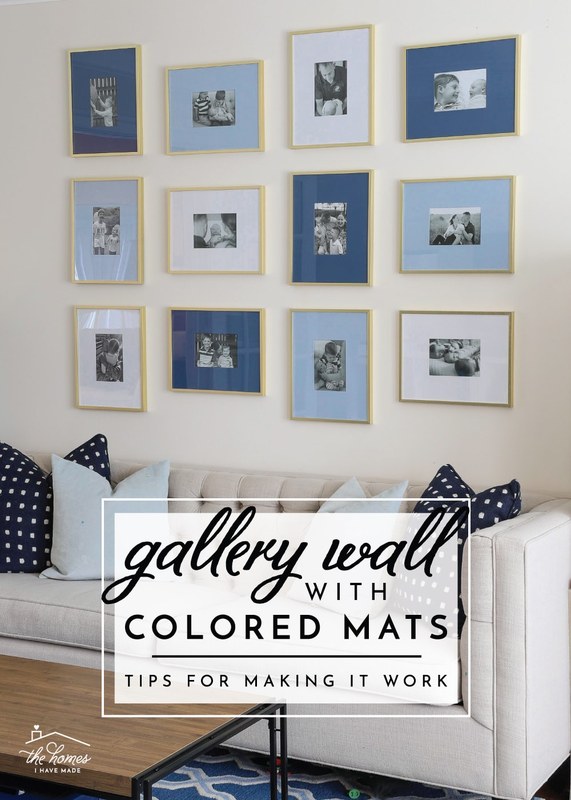
Creating a polished look for family portraits, travel art, or bookish wall decor
Family portraits and travel-inspired canvases often benefit from a frame that feels warm and approachable. Walnut, soft black, or painted neutral tones can make the piece feel collected rather than overly formal.
Book lovers especially tend to appreciate framing that looks intentional but not severe. A canvas above a bookshelf or reading chair becomes part of the room’s story when the frame echoes the atmosphere of the space.
For display ideas that work well with smaller pieces, Hurrell Editions also explores picture ledge shelves for framed art display and tabletop easel display ideas for small original art, both of which can complement a framed canvas in a layered room.
Gift-ready framing ideas for weddings, housewarmings, and milestone celebrations
A framed canvas makes an especially thoughtful gift when the subject matter is personal. Wedding pieces, housewarming art, and milestone prints feel more ceremonial once they are housed in a clean frame.
If you are choosing a gift, consider the recipient’s interior style first. A frame that matches their home will usually feel more generous than one that simply follows a trend.
For a gift that feels polished on arrival, pair a small framed canvas with a thoughtful display option such as a tabletop stand. Our guide to best gold picture frame stands for tabletop art display is especially useful for shelves, desks, and mantel styling.
Care, Hanging, and Long-Term Preservation for Framed Canvas
Protecting against dust, humidity, and sunlight in everyday interiors
Framed canvas still needs thoughtful care. Dust can collect along the edges, humidity can affect wood and canvas tension, and direct sunlight can fade pigments or alter the finish over time.
If the piece lives in a bright room, consider where the strongest light falls during the day. Even a beautiful frame cannot fully protect an artwork from prolonged exposure.
Keep canvases away from damp corners, radiators, and direct sun whenever possible. Heat and moisture can affect both the artwork and the frame structure.
Cleaning tips for painted finishes and raw wood frames
Use a soft, dry cloth for routine dusting. Painted finishes usually need only gentle wiping, while raw or lightly sealed wood should be cleaned carefully so the grain does not absorb moisture.
Avoid harsh cleaners. They can dull the surface, leave streaks, or damage the finish in ways that are difficult to reverse.
Safe hanging guidance for heavier framed canvases
Heavier framed canvases deserve secure hanging hardware and a wall anchor suited to the weight. The larger the piece, the more important it is to check the wall type and mounting method.
If you are unsure, it is better to use a more secure system than to rely on a decorative hook. A well-framed canvas should feel stable, not precarious.
Final Creative Recap: Turning a Simple Canvas into a Finished Object of Art
How the right DIY frame can make a canvas feel curated, personal, and display-ready
The best diy frame for canvas does more than outline the artwork. It creates a relationship between the piece, the wall, and the room, helping the canvas feel curated instead of temporary.
That is why handmade framing remains so appealing: it gives you room to make thoughtful choices about proportion, finish, and mood. The result can feel personal in a way that off-the-shelf framing sometimes cannot.
Key takeaways on style, budget, durability, and creative confidence
Choose the frame style that supports the art, not the other way around. Measure carefully, budget for the materials that affect longevity, and let the room guide your finish choices.
Most of all, trust the creative process. A well-planned frame can transform a canvas into something that feels ready to live beautifully in a home.
Hurrell Editions Editorial Team
Recommended Products
SHOP THIS SETUP
Frame It Easy DIY Canvas Floater Frame Kit, Black Finish
This floater frame kit is a strong pick for DIY canvas framing because it gives artwork a clean, gallery-style presentation without needing professional tools. It’s especially useful for canvas painters and print collectors who want a modern floating effect and a straightforward build process for standard-size canvases.
Frequently Asked Questions
A canvas floater frame is often the most versatile choice because it creates a clean shadow gap and a gallery-like finish. It works especially well for contemporary paintings, abstracts, and stretched canvases.
Measure the full width, height, and depth of the stretched canvas itself. Then account for stretcher bars, the desired shadow gap, and any hanging hardware on the back.
Stable wood such as pine, oak, or walnut is common, along with corner brackets, adhesive, sanding supplies, and a finish. The best choice depends on your budget, the room style, and how durable you want the frame to be.
Costs vary based on wood type, size, and finish quality. Entry-level builds can stay modest, while premium frames with better materials and refined joinery cost more but usually last longer and look more polished.
Yes, framing a canvas can make a gift feel more finished and thoughtful. It is especially useful for weddings, housewarmings, and milestone pieces where presentation matters.
Keep it away from direct sunlight, excess humidity, and heat sources. Dust gently with a soft dry cloth and use secure hanging hardware that matches the weight of the framed piece.