
Best 16×20 Floating Picture Frames for Canvas and Photos

A floating picture frame makes a photo or artwork look like it hangs inside the frame with a small gap around the edges, drawing the eye to the image. These frames work with prints, canvases, and photos and come in common sizes like 16×20 inches, a popular choice for portraits, landscapes, and art prints. They add a clean, modern look without a heavy mat and often include glass or acrylic glazing and simple hanging hardware.
Buyers should focus on frame depth, glazing type, backing, and mounting options because those affect how the piece sits and how it will protect the artwork. A deep rabbet (the internal depth), non-reflective glazing, and secure mounting clips matter most for a true floating look and long-term protection. Price and finish matter too, but fit and protection should guide the choice to ensure the 16×20 piece displays correctly and stays safe.
Which 16×20 Floating Picture Frame Should You Choose?
A 16×20 floating picture frame can be used for canvas art, family portraits, posters, pressed flowers, certificates, and gallery wall pieces, but the right frame depends on the artwork thickness and where it will hang. For flat photos and prints, a double-glass or acrylic floating frame usually gives the cleanest look. For stretched canvas or canvas panels, a deeper frame or floater-style frame is usually safer because the artwork needs room to sit without pressure on the surface.
| Use case | Best frame style | What to check before buying |
|---|---|---|
| 16×20 photo or art print | Double-glass or clear acrylic floating frame | Glazing quality, backing, and wall hardware |
| 16×20 canvas panel | Deeper floating frame or floater-style frame | Internal depth, clips, and whether glass touches the artwork |
| Gallery wall display | Thin black, white, gold, or wood floating frame | Finish consistency and whether it matches nearby frames |
| Pressed flowers or keepsakes | Double-sided glass frame | Spacing, weight, and how securely the frame closes |
| Rental-friendly wall | Lightweight acrylic or plastic-glazed frame | Total weight and compatible hanging strips |
If the artwork is valuable, choose protection first and style second. Look for secure backing, stable corners, clean glazing, and hardware that suits the wall. For more canvas-specific options, compare this guide with our floating frames for canvas guide. If you are building a flexible display wall, a floating picture ledge shelf can also help you rotate framed artwork without making new holes.
8 Best 16×20 Floating Picture Frames
This list shows the top 16×20 floating picture frames for displaying photos, prints, and artwork. Each pick balances style, durability, and ease of use to help readers find the right frame for their space.
ONE WALL 16×20 Floating Frame
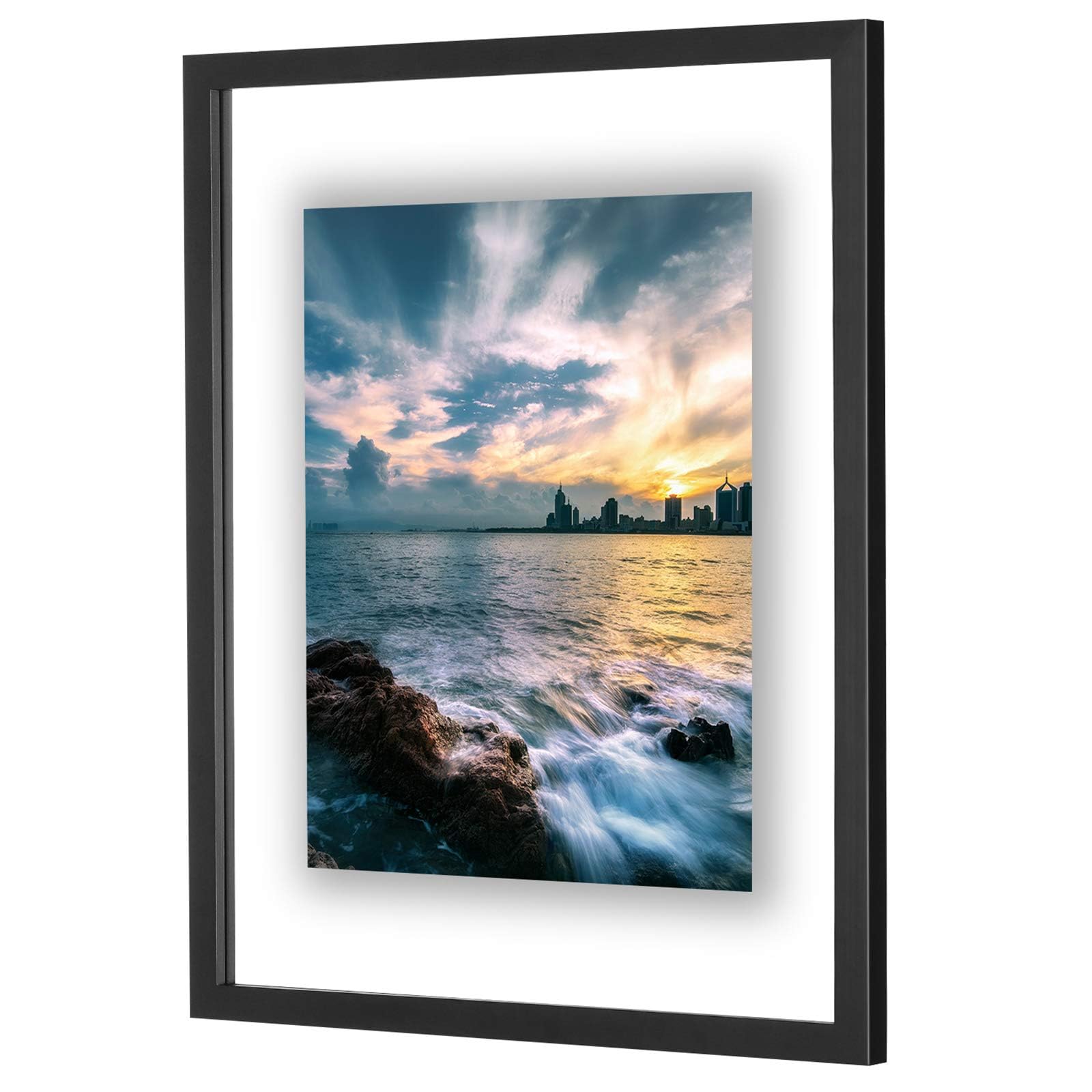
It is a good choice for someone who wants a modern, double-glass floating look at a reasonable price, but buyers should handle it carefully because glass and some internal parts can be fragile.
Pros
- Clean, modern floating look that shows the wall color through the frame.
- Comes with mounting hardware and a bubble level for easier hanging.
- Uses real tempered glass for a crisp display.
Cons
- Glass makes the frame heavier and more breakable during handling.
- Inner wooden supports and clips may feel fragile for some uses.
- Assembly can be fussy when centering smaller prints for the floating effect.
The frame gives a sleek, gallery-style presentation by sandwiching art or photos between two panes of glass. It works well for photos, pressed flowers, prints, or small objects that benefit from a framed-but-floating appearance.
Buyers will like the included hardware and the ability to hang the frame horizontally or vertically. The tempered glass looks sharp, but shoppers should keep the weight and fragility in mind when moving or shipping it.
If someone needs a durable, lightweight option for a child’s room or frequent travel, this may not be ideal. For a stylish wall or tabletop display where careful handling is fine, it offers strong visual impact for the price.
Americanflat 16×20 Floating Frame
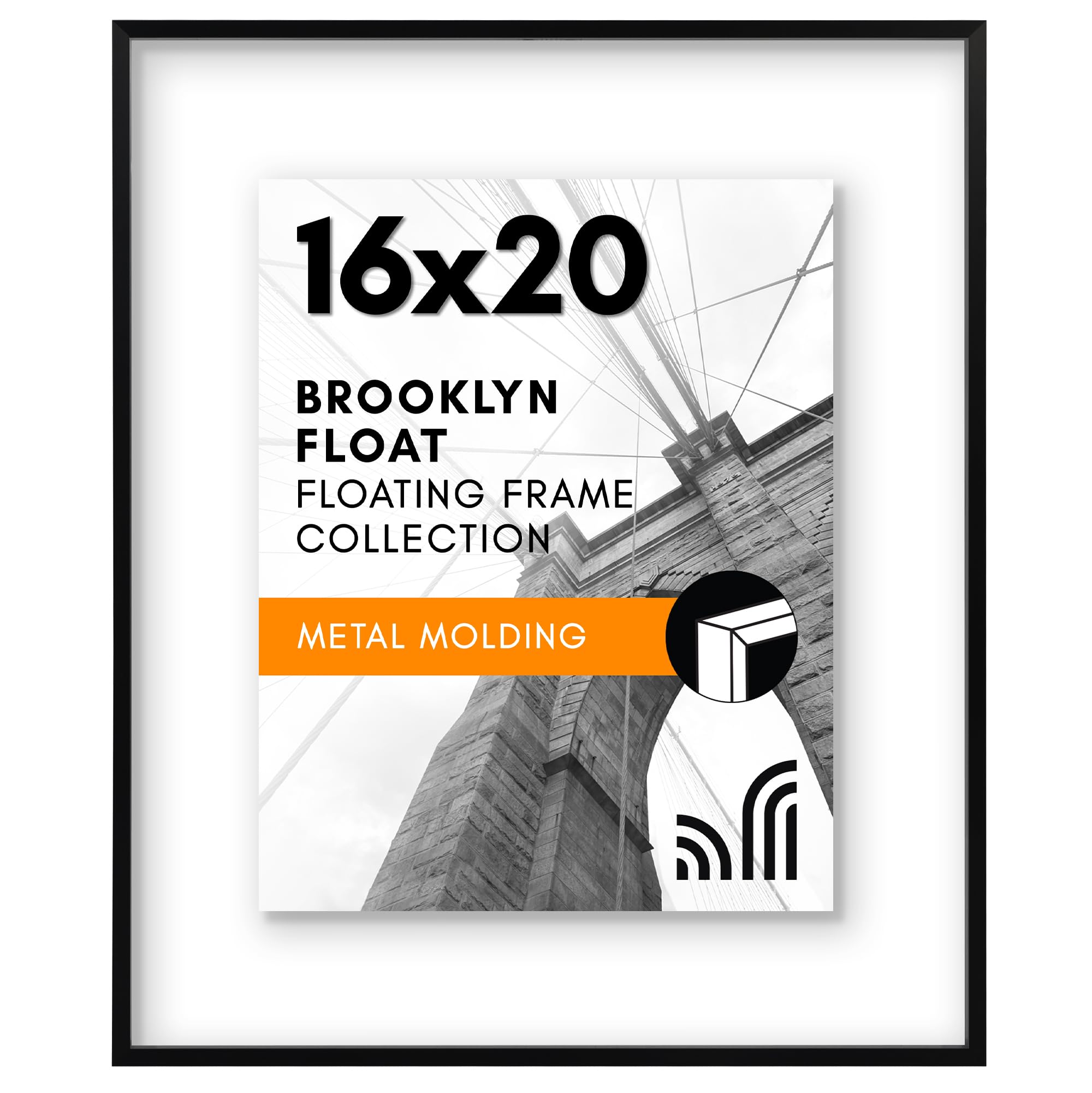
It is a solid choice for someone who wants a clean, modern floating look without spending a lot.
Pros
- Clean floating effect that highlights photos and artwork.
- Lightweight aluminum frame and plexiglass make it easy to hang.
- Includes hardware and an inner insert for smaller prints.
Cons
- Plexiglass back can scratch or flex, letting the image shift.
- Some users report packaging or count issues with multi-packs.
- Not true double glass—may feel less rigid for fragile items.
The frame gives artwork a clear floating appearance by sandwiching the piece between a front and back panel. The slim black aluminum trim keeps attention on the image instead of the frame.
It works for 16×20 prints and can also hold an 11×14 with the included insert. The hanging hardware supports both vertical and horizontal displays, so placement stays flexible.
Buyers should watch the plexiglass for scratches and handle the back panel carefully when inserting artwork. Overall, it suits simple, modern displays that need a neat, low-profile frame.
CORE ART 16×20 Floating Frame
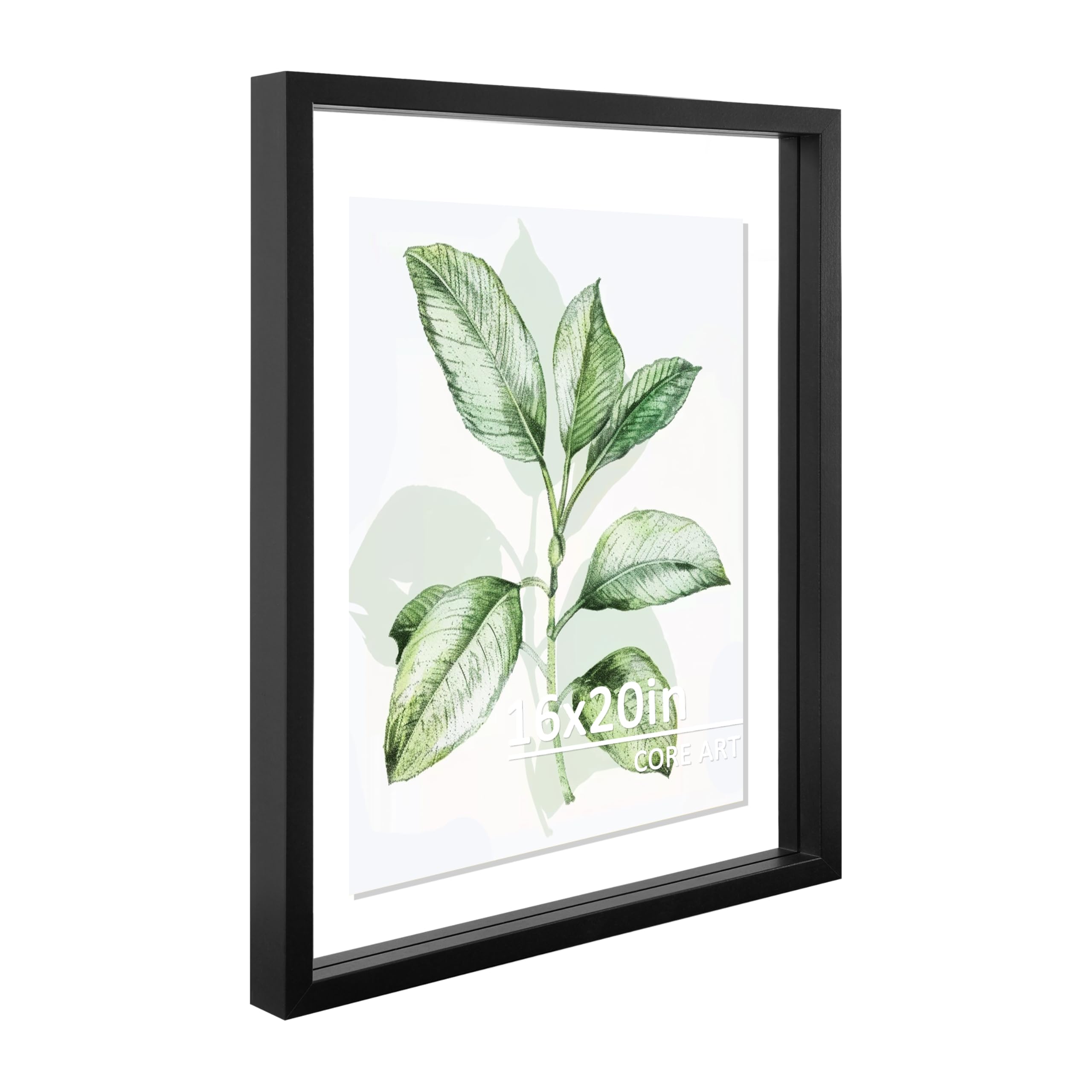
It is a solid budget floating frame that works well for photos and light artwork, but buyers should note it uses plexiglass instead of glass.
Pros
- Clean, modern look that floats images in the center.
- Lightweight and easy to hang or stand on a table.
- Affordable option compared with glass shadow frames.
Cons
- Plexiglass can scratch during handling or reassembly.
- Not ideal for heavy or valuable originals that need real glass.
- Sizing can be tricky if users want a tight floating gap.
This frame shows pictures between two clear panels so the image appears to float. It lets people mix photo sizes and small flat items without a mat. The black engineered wood border reads as simple and neat on a wall or shelf. Best Floating Frames for Canvas
Assembly just involves peeling protective film from the plexiglass and sandwiching the image, which keeps setup fast. Some buyers report scratches from the plexiglass when inserting items, so handle panes carefully and remove protective film fully. The frame is light, which helps with hanging but means it won’t feel as heavy-duty as glass frames.
They will like this if they want a clean floating look on a budget and plan to display prints, certificates, or light keepsakes rather than delicate originals. For images that need archival protection or a glass finish, a different frame may suit better.
Frametory 16×20 Floating Frame
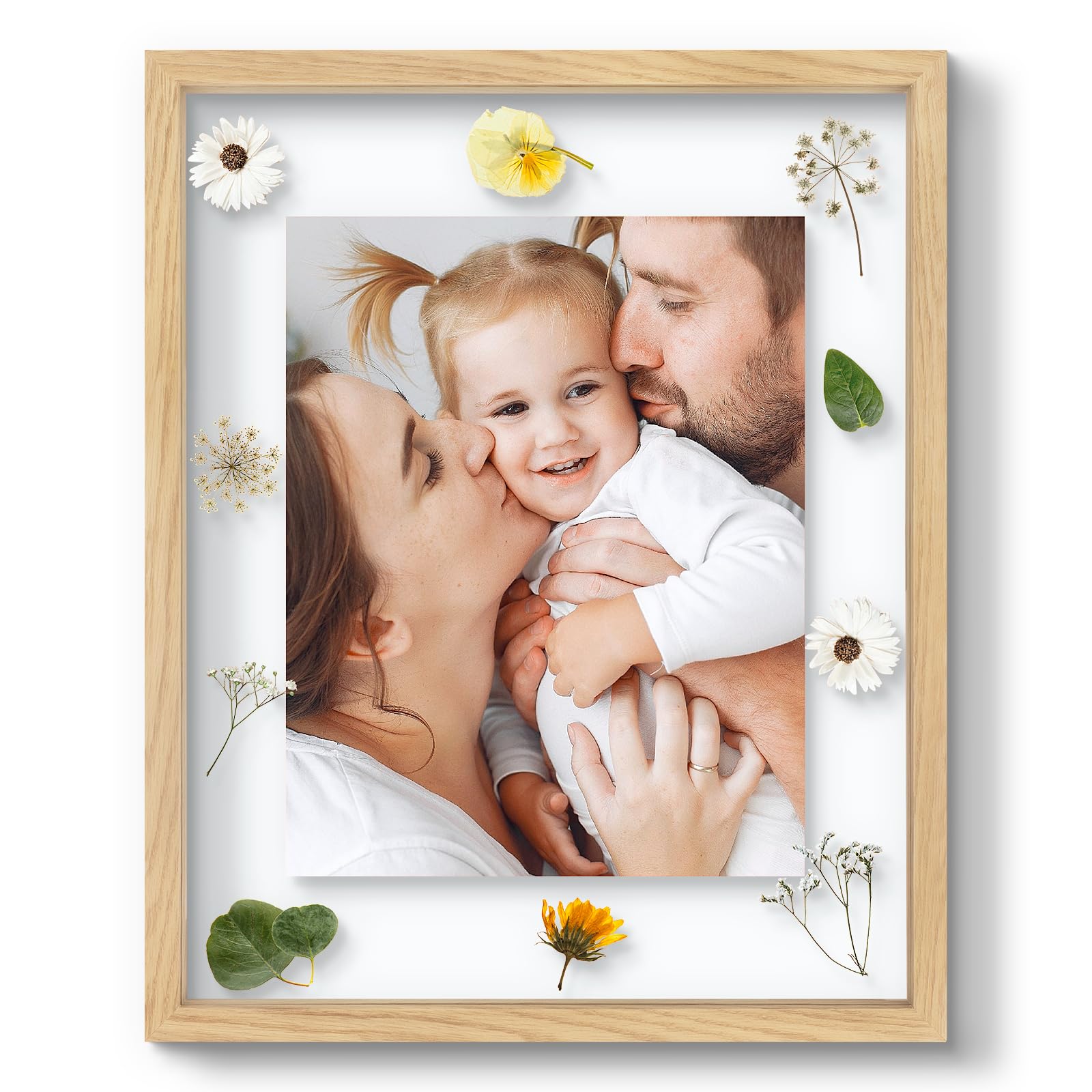
It is a good pick for someone who wants a simple floating-frame look to display pressed flowers or smaller photos because it pairs solid wood styling with clear front glass.
Pros
- Clean floating display that shows both sides of flat items.
- Solid-feeling wood frame with a real glass front.
- Includes hardware for horizontal or vertical hanging.
Cons
- Back is plexiglass rather than glass, which some may not like.
- Sizing can be confusing; order larger if you want a true “floating” photo look.
- Some units show a printed wood grain instead of natural wood.
The frame gives a neat, modern presentation and works well for pressed flowers, certificates, or layered photo displays. It keeps items visible from both sides and reads as simple decor in many rooms.
It arrives with turn buttons and hangers so mounting is straightforward for horizontal or vertical placement. The mix of glass front and plexiglass back keeps weight down but changes the feel compared with all-glass frames.
Buyers should check what size they need if they want a true floating effect, since smaller prints sit between the panes and may not appear centered without extra space. The natural wood finish keeps attention on the display rather than the frame itself.
Frametory 16×20 Floating Frame
Americanflat 16×20 Oak Floating Frame
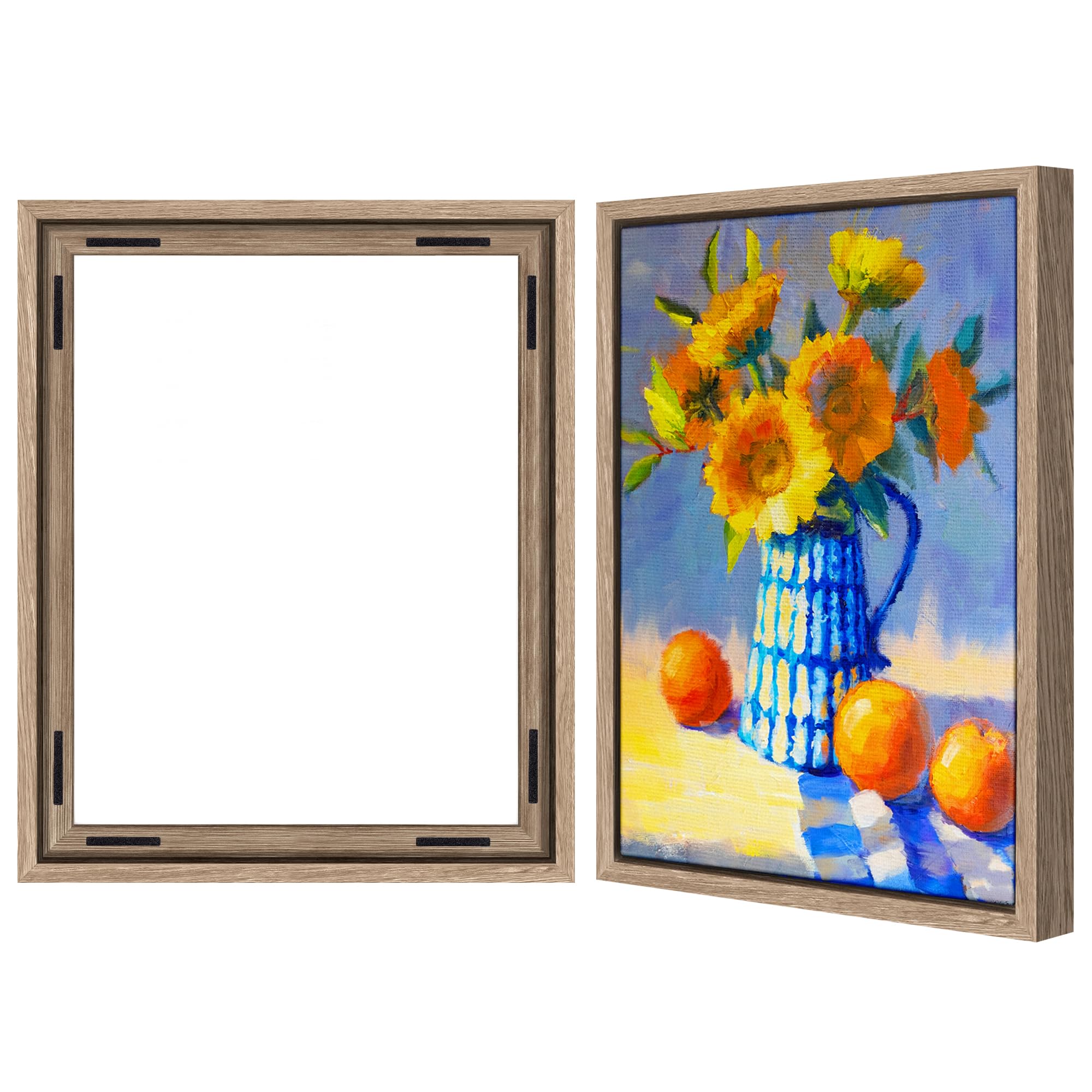
This frame is a solid, affordable choice for someone who wants a clean floating look for a 16×20 canvas.
Pros
- Gives a gallery-style floating effect that lifts the look of a canvas.
- Lightweight and easy to hang with included hardware.
- Oak finish looks modern and fits many rooms.
Cons
- Adhesive strips may not hold a canvas long-term.
- Engineered wood feels less sturdy than solid wood.
- Slight size variance means careful centering is required.
The design makes the canvas appear to float inside the frame, which improves presentation without much fuss. It works both vertically and horizontally, so it suits different pieces and layouts.
Installation aims to be simple: peel-and-stick strips plus basic hanging hardware. Buyers should expect to use stronger fasteners or glue if they need a permanent, secure hold.
The oak-look finish and thin profile keep the frame modern and unobtrusive. It’s a good pick for renters or anyone who wants an upgrade without a big cost.
Frametory 16×20 Floating Frame
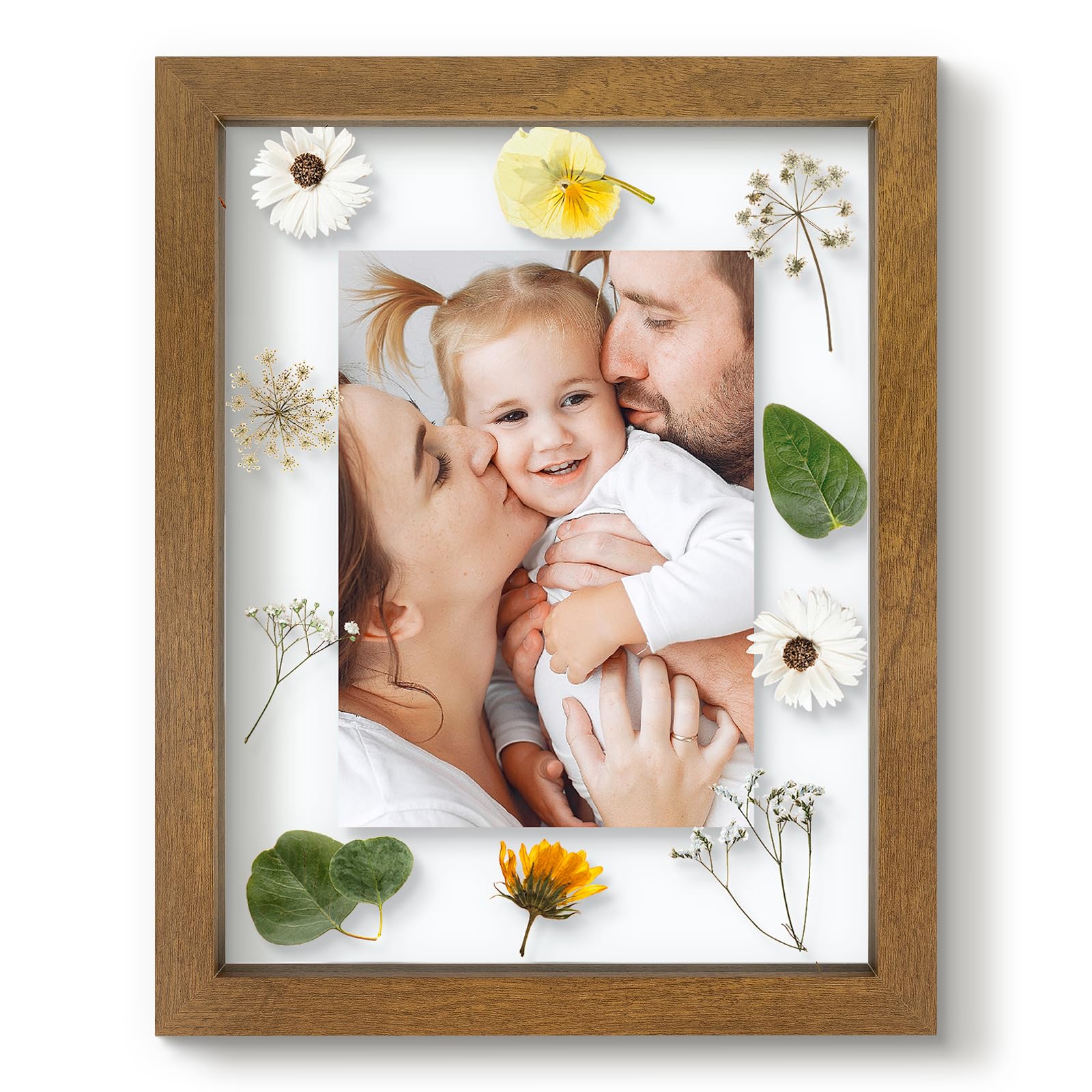
It is worth buying if someone wants a simple floating look for pressed flowers or smaller prints without spending much.
Pros
- Clean floating display that shows both sides of a flat item.
- Solid-feeling wood front with real glass for a clear view.
- Comes ready to hang vertically or horizontally.
Cons
- Back panel is plexiglass, not glass, which some may not prefer.
- Sizing can be confusing; ordering up gives a better floating look.
- Some frames show a printed wood grain instead of real wood finish.
The frame gives a neat double-sided display that suits pressed flowers, certificates, and small art. It keeps things visible between a glass front and a clear back so items float in place.
It mounts easily and includes turn buttons and hangers for both orientations. Buyers should note the back is acrylic and the frame finish may look like printed wood.
The floating effect works best when the inserted item is smaller than the frame size. For full-edge photos, the item may not appear to “float” unless a larger frame is chosen.
Frametory 16×20 Floating Frame – Gold

It is a solid choice for someone who wants a simple, gallery-style 16×20 frame with real glass and a slim gold metal edge.
Pros
- Clean, modern gallery look that suits photos and pressed flowers.
- Real glass front and lightweight aluminum frame feel higher quality than cheap plastic.
- Can stand on a table or hang on a wall for flexible display.
Cons
- Backing and hanging hardware feel flimsy and may need replacing.
- Thin backing may let light items shift unless glued down.
- Some units arrive scratched or with assembly issues.
The frame shows photos or flattened blooms with a minimal, gallery-style edge that draws the eye to the artwork. It uses real glass up front, which many buyers prefer for clarity and weight.
People should expect to secure light items to the plexiglass backing so they stay put. The supplied wall hooks and rear clips get mixed feedback, so using better nails or hardware can prevent problems.
It fits a 16×20 display and works well for single-sided items like prints, certificates, and pressed flowers, but thicker objects will not fit. Consider swapping the backing or using glue dots for delicate pieces.
Golden State Art 16×20 Floating Frame
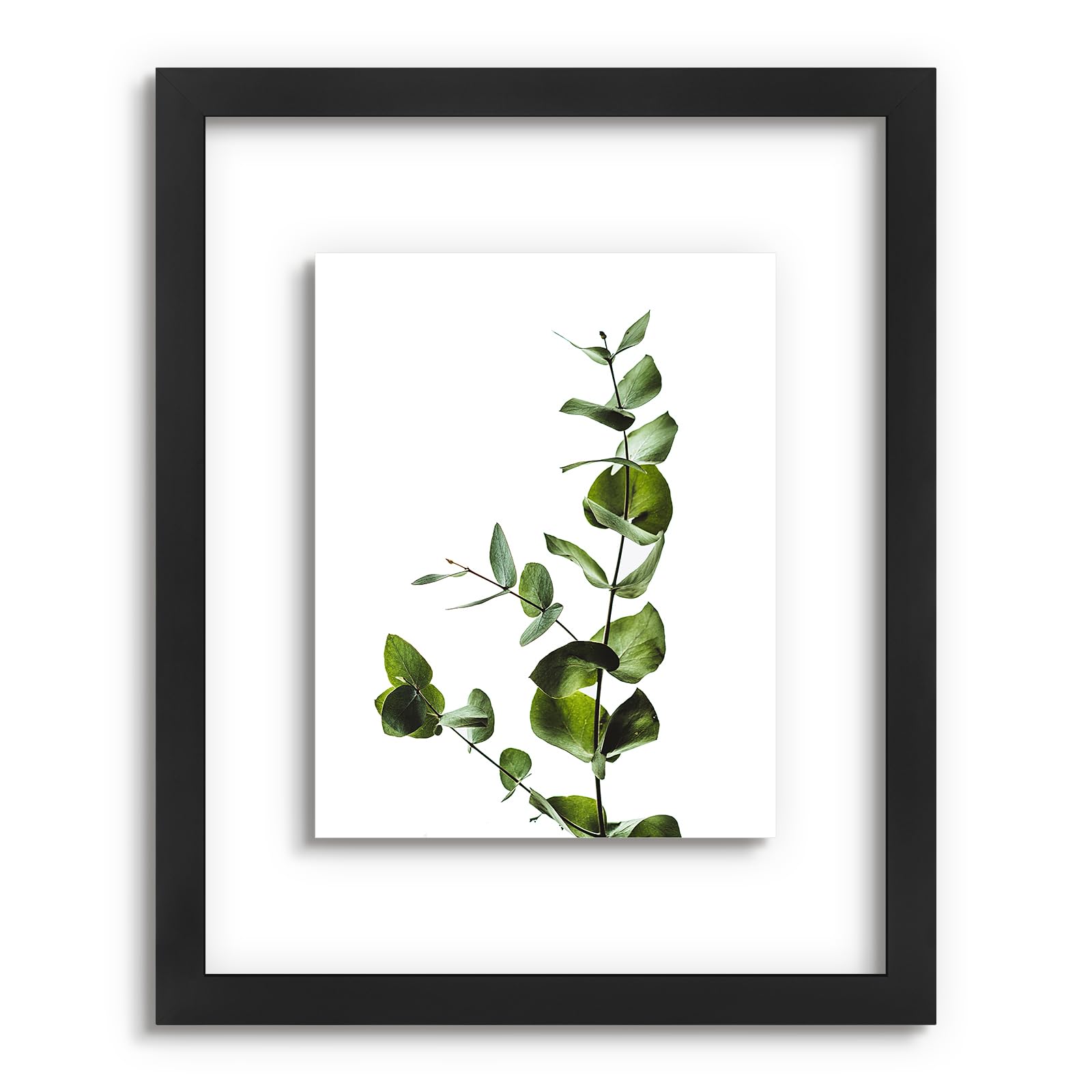
It’s worth buying if someone wants a clear, modern floating frame for pressed flowers or photos and likes a solid wood look with glass front.
Pros
- Clean, see-through floating display suits pressed flowers and layered art.
- Solid wood frame with real glass front looks sturdy and modern.
- Can hang vertically or horizontally with multiple sawtooth hangers.
Cons
- Front opening is 15×19″, so full 16×20 displays won’t float exactly as labeled.
- Middle is plastic back (plexiglass), not full glass all around.
- Slight gaps inside can let contents shift during mounting.
This frame lets items float between a glass front and plexiglass back, creating a neat, gallery-style look. People who want to show pressed flowers, postcards, or layered prints will like how transparent the center is.
The wood frame and tempered glass front give a quality feel without being ornate. It ships covered on both sides to avoid scratches, though the back material is plexiglass rather than glass.
Mounting is easy for both vertical and horizontal displays thanks to multiple sawtooth hangers. Buyers should note the visible front opening size so their final layout matches expectations.
16×20 Floating Picture Frame Buying Guide
They should first check the frame size and mat opening. A true 16×20 frame fits a 16×20 print without trimming. If a mat is used, confirm the mat opening size and backing depth.
They must decide between floating and standard mounting. Floating frames show the edges of the art and add depth. Standard mounting sits the image behind a mat or under glass.
Look at materials and build quality. Wood gives warmth and weight; metal gives a slim, modern look. Inspect corners and joints for tight fits and consistent finish.
Consider glazing options. Glass is clear but heavier and can break. Acrylic is lighter and shatter-resistant but may scratch more easily. Check for UV protection if the piece will hang in sunlight.
Assess hanging hardware and depth. Verify the frame has secure D-rings, wire, or sawtooth hangers. Floating frames need extra depth, so measure wall clearance and choose an appropriate spacer.
Think about backing and closure style. A solid backing board protects the art and keeps it flat. Look for easy access if the image will be changed often.
Use this quick checklist to compare options:
- Size and mat opening
- Mounting style (floating vs. standard)
- Frame material and finish
- Glazing type and UV protection
- Hanging hardware and frame depth
- Backing quality and ease of access
They should balance appearance, protection, and budget to choose the best 16×20 floating picture frame.
Editor’s picks
They highlight frames that balance style, build quality, and price. Each pick fits a common need: wall galleries, gifts, or high-impact single prints.
Top choice — Solid wood black float frame
- Clean matte black finish that suits most photos.
- Deep rabbet for a true floating look.
- Durable joinery and pre-installed hanging hardware.
Best for art prints — Natural maple floater
- Lighter tone that warms prints and drawings.
- Smooth edges and museum-style spacing.
- Good for framed canvases up to 0.75″ thick.
Budget pick — Ready-to-hang composite frame
- Affordable without looking cheap.
- Lightweight and easy to install.
- Best for renters or casual displays.
| Feature | Solid wood | Maple | Composite |
|---|---|---|---|
| Visual depth | High | High | Medium |
| Durability | High | Medium-High | Medium |
| Price | $$$ | $$ | $ |
| Best use | Photo gallery | Art prints | Temporary displays |
They recommend measuring the artwork and panel depth before buying. They also suggest checking hardware type and whether the frame includes glass or acrylic.
16×20 Floating Picture Frame FAQs
What size artwork fits a 16×20 floating frame?
A 16×20 floating frame fits artwork that is 16 by 20 inches. It can also hold slightly smaller pieces if matting or backing is used to center the work.
How does a floating frame display the art?
A floating frame leaves a visible gap between the art and the frame edge. This gap makes the artwork appear to “float” and adds a modern, clean look.
Can photos, prints, and canvases all be used?
Yes. Stretched canvases, paper prints, and photos work well. Canvas thickness matters; confirm the frame’s rabbet depth before buying.
How should a 16×20 floating frame be hung?
Use wall anchors for drywall and studs when possible. Heavy-duty picture hooks or a French cleat provide the most secure hold for larger frames.
Is custom framing needed?
Not always. Standard 16×20 pieces fit common ready-made frames. Custom framing helps for unusual thickness, special glazing, or archival needs.
How to clean and maintain it?
Dust the frame with a soft cloth. Use glass cleaner sparingly on glazing, never on canvas. Check hanging hardware regularly for wear.
What materials are available?
Floating frames come in wood, metal, and composite. Each material affects weight, price, and appearance. Choose based on style and durability.
Are replacement parts available?
Many frame makers sell replacement hardware and glazing. Keep the brand and model handy to find exact parts easily.
Conclusion
A 16×20 floating picture frame gives a clean, modern look that highlights artwork or photos without heavy borders. It works well for portraits, art prints, and certificates, and fits many decor styles.
They provide easy wall mounting and protect images with a gap that creates depth. Materials vary, so choosing wood, metal, or acrylic affects weight and appearance.
Buyers should match the frame finish to the room and consider glass type for glare control. Measuring the piece and checking hanging hardware prevents surprises.
Pricing ranges from budget-friendly to high-end, so shoppers can find options for tight or generous budgets. Custom framing adds cost but yields a precise fit and professional finish.
Maintenance is simple: dust the frame and clean the glass gently. Proper hanging keeps the frame level and the artwork safe.