What Is a Floating Picture Frame: Complete Artist’s Guide

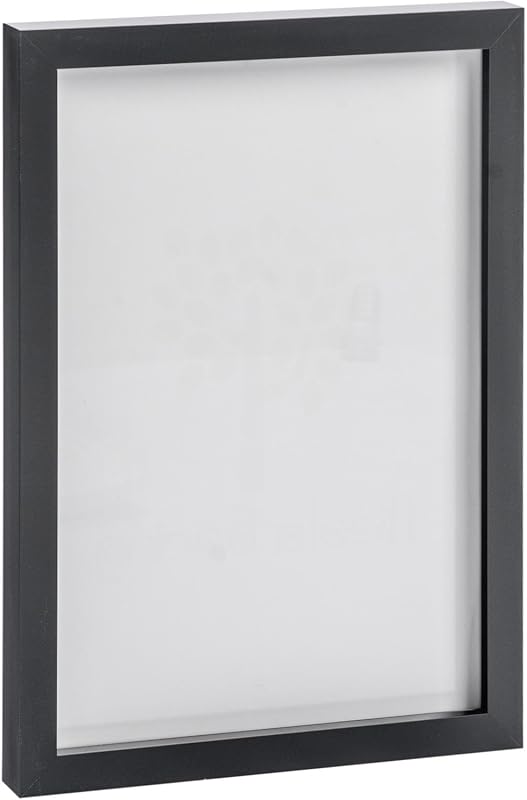
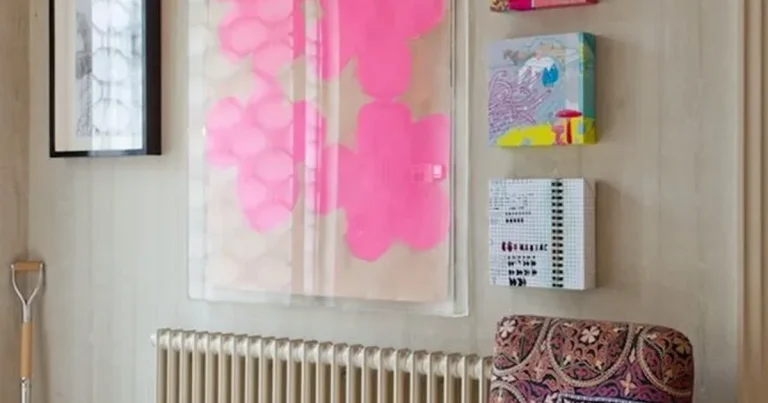
A floating picture frame is a frame that holds canvas or artwork with a visible gap around the edges, creating a subtle “hovering” effect. It adds depth, polish, and a gallery-like finish without overwhelming the art.
A floating picture frame is a frame designed so the artwork appears to sit inside it without touching the edges, creating a slim visual gap around the canvas. The result is a cleaner, more dimensional presentation that feels polished, modern, and quietly gallery-like.
- Floating effect: The artwork appears suspended inside the frame.
- Best fit: Ideal for canvas, abstract art, and photography.
- Style range: Works in modern, classic, and gallery-inspired rooms.
- Trade-off: Not always the best choice for delicate paper art.
- Care: Keep away from direct sun, humidity, and heavy handling.
What Is a Floating Picture Frame and Why It Changes the Way Art Is Seen
At its simplest, a floating picture frame is a framing style that surrounds a canvas or panel while leaving a small space between the artwork and the frame lip. That gap is the whole point: it makes the piece feel as though it is hovering inside the frame rather than being pressed into it.
This framing approach has become especially popular for contemporary homes because it lets the art remain the focus. The frame adds structure and finish, but it does not visually crowd the image the way some traditional mouldings can.
The visual effect of “floating” artwork off the wall
The floating effect comes from the shadow line created between the artwork and the frame. That narrow separation catches light and gives the piece depth, which can make even a simple canvas feel more intentional and elevated.
In a room with soft daylight or layered lamps, the shadow gap becomes part of the design. It can make a bold painting look more sculptural, while a minimal print gains a refined outline that feels crisp rather than heavy.
Why artists, collectors, and interior stylists choose this format
Artists often like floating frames because they preserve the edges of the canvas while still giving the work a finished presentation. Collectors and stylists appreciate that the format works across many interiors, from pared-back apartments to more classic rooms that need a contemporary touch.
It is also a practical choice for giftable art. A framed canvas feels complete on arrival, which makes it easier to display immediately and more satisfying to give. For more on choosing canvas dimensions before framing, see what canvas size a beginner should start with.
How a Floating Picture Frame Works in Canvas and Fine Art Presentation
Floating frames are most often used with stretched canvas, but they can also suit certain panel works and mixed-media pieces. The frame is built to hold the artwork from the back or side, while the front opening is slightly larger than the piece itself.
This construction creates the illusion that the artwork is suspended inside the frame. It is a subtle effect, but one that changes the whole reading of a piece: less decorative border, more object-like presence.
Canvas floater frame construction and the shadow gap
A canvas floater frame usually includes a recessed ledge or hidden support system that holds the artwork in place. The visible border sits around the outside of the canvas, and the shadow gap between the edge of the art and the inner frame line remains visible.
That gap matters because it defines the look. Too narrow, and the effect disappears; too wide, and the piece can feel disconnected. The best proportions depend on the artwork’s size, thickness, and visual weight.
When choosing a floater frame, look at how much of the canvas edge you want to show. A painted edge, wrapped canvas, or raw side can each change the final mood significantly.
Best artwork types for this framing style
Floating frames are especially flattering for acrylic and oil paintings on stretched canvas, abstract works, minimalist compositions, and photography printed on rigid panels or canvas. They also suit artworks with strong edges, because the frame does not hide the outer boundary.
If the piece relies on delicate paper margins, matting, or ornate historical detailing, another framing style may be more appropriate. Watercolor and drawing works often need glazing and a different kind of support, which is why paper choice and protection matter so much; our guide to lightfastness is a useful companion read.
How scale, depth, and edge visibility affect the final look
Larger canvases tend to benefit from a floater frame because the added structure helps them feel grounded on the wall. Smaller works can also look elegant in this format, but the frame profile should stay visually light so the piece does not feel boxed in.
Depth is another important detail. A thicker canvas may need a deeper frame to keep the proportions balanced, while a slimmer work can look best with a more delicate surround. Edge visibility also matters: if the sides are painted or wrapped neatly, showing them can add character rather than distraction.
Floating Picture Frame Styles for Modern Interiors, Galleries, and Creative Homes
One reason floating frames have endured is their flexibility. They can read as ultra-modern, quietly classic, or distinctly gallery-inspired depending on finish, tone, and room styling.
That versatility makes them a natural fit for homes that mix art, books, ceramics, and warm lighting rather than relying on one fixed design language.
Minimal black, natural wood, and metallic finishes
Black floater frames are a favorite for contemporary interiors because they sharpen the silhouette of the artwork. They create contrast without competing with the image, which is especially effective for photography, monochrome work, and graphic compositions.
Natural wood finishes soften the presentation and bring warmth to neutral or Scandinavian-inspired rooms. Metallic finishes, meanwhile, can feel more formal or luminous, especially in spaces with brass accents, mirrored surfaces, or layered evening light.
The floating frame is often favored in contemporary galleries because it preserves the clean perimeter of the artwork while still giving it a finished, architectural edge.
Choosing a frame tone for contemporary, classic, or gallery-inspired rooms
In contemporary rooms, a matte black or dark bronze frame usually feels crisp and understated. In classic spaces, a wood tone can bridge old and new, especially when paired with bookshelves, vintage furniture, or warm textiles.
For gallery-inspired interiors, the best choice is often the quietest one: a frame that disappears just enough to let the work lead. If you enjoy arranging art alongside books and objects, our guide to layered picture ledge styling offers useful visual ideas.
How lighting changes the perception of depth and texture
Lighting has a big effect on how a floating frame reads. Side light can deepen the shadow gap, making the artwork feel more dimensional, while direct overhead light may flatten that effect slightly.
Warm lamps can also make wood finishes feel richer and more intimate, while cooler daylight tends to sharpen black or metallic frames. If you are planning a display wall, consider how the frame will look at different times of day, not just in daylight.
Style Trade-Offs: When a Floating Frame Is the Right Choice and When It Is Not
A floating picture frame is not the answer for every artwork, and that is part of its appeal. It works beautifully when the goal is presence, clarity, and a refined edge, but it is not always the most sympathetic choice for every medium.
The best framing decisions usually come from the art itself, not the room alone. A curator’s eye asks what the piece needs to feel complete.
Strengths for bold canvases, abstract art, photography, and statement pieces
This frame style is especially strong for bold canvases, abstract art, and statement photography because it gives the image room to breathe. The clean border helps the work feel deliberate and composed, even when the artwork itself is energetic or expressive.
It is also a strong option when you want one piece to anchor a room. A floating frame can give a large artwork a sense of importance without adding visual clutter around it.
- Creates depth without heavy ornament
- Works well with modern and gallery-style decor
- Helps artwork feel finished and ready to hang
- Preserves the visible edges of canvas-based pieces
When traditional frames or no frame may suit the artwork better
Traditional frames may be better for works on paper, antique pieces, or art that calls for a more formal or historical reading. Ornate mouldings, mats, and glazing can support the material better and suit the style more honestly.
Sometimes no frame is the right answer, especially for very raw, textural, or installation-like pieces. If the artwork already has strong presence on its own, adding a frame can reduce that immediacy.
Curator-style guidance on matching frame presence to the art itself
A useful rule is to match frame weight to visual weight. The more restrained or contemporary the artwork, the cleaner the frame can be. The more delicate, archival, or traditional the work, the more the frame may need to do in terms of protection and context.
For artists working with paper, surface choice matters too. If you are comparing materials for drawing or watercolor, the texture and absorbency of the support can influence how the final piece should be presented; our article on the best watercolor paper for home use is a helpful reference.
Practical Examples of Floating Picture Frames in Living Rooms, Bedrooms, Studios, and Giftable Art
Floating frames are easy to imagine in a gallery, but they are just as useful in lived-in rooms. Their strength is that they make art feel intentional without making the home feel formal.
That balance is why they appear so often in interiors that blend comfort with curation.
Using floater frames to elevate a single focal artwork
One well-chosen framed canvas can define a room more effectively than several smaller pieces. Above a sofa, bed, or console, a floating frame gives the artwork enough visual authority to act as the room’s anchor.
In a studio or creative corner, it can also help a work-in-progress space feel more resolved. Even a simple abstract piece gains a sense of completion when it is lifted by a clean frame line.
Pairing framed canvases with books, ceramics, and layered decor
Floating frames work especially well in rooms that already have texture. Books, pottery, linen upholstery, and wood furniture all soften the modernity of the frame and keep the space from feeling too severe.
A good approach is to let the framed artwork lead, then echo one or two of its tones in nearby objects. That creates cohesion without forcing the room into a matchy look.
Think of a floating frame as the quiet pause around a sentence. It gives the artwork room to be read clearly, which is often what makes a room feel calm and composed.
Gift context: why framed canvas art feels finished and ready to display
For gifting, a floating frame adds a sense of thoughtfulness because it turns artwork into a complete object. The recipient does not need to imagine how to finish the presentation; it already feels considered.
That makes it especially appealing for housewarmings, weddings, anniversaries, and milestone birthdays. If you are choosing a present for someone who loves art, our guide to what makes a good gift for an art lover may help narrow the options.
Price Context and What Influences the Cost of a Floating Picture Frame
Floating frames vary widely in cost, and the biggest factors are usually size, material, finish quality, and whether the frame is custom-made. A small standard frame may be relatively accessible, while a large custom frame with a refined finish can move into a more investment-minded range.
Because the frame affects how the artwork is perceived, many buyers think of it as part of the art’s presentation value rather than just an accessory.
Material quality, finish, and craftsmanship
Better materials often mean cleaner joins, sturdier corners, and a more precise shadow gap. Finishes also matter: a well-made matte black frame can look much more refined than a shiny one that reflects too much light.
Wood grain, paint consistency, and edge detailing all influence how polished the final piece feels. Even when the design is minimal, craftsmanship becomes noticeable the moment the frame is on the wall.
Custom sizing versus standard options
Standard sizes can be more budget-friendly and faster to source, which is useful for common canvas dimensions. Custom sizing is worth considering when the artwork has unusual proportions, thicker depth, or a very specific visual balance.
Custom work usually costs more because it requires more precise construction. That said, the added fit can make the difference between a frame that merely surrounds the artwork and one that truly supports it.
How presentation value affects the perceived worth of the artwork
A well-chosen floating frame can make even modest artwork feel more substantial. This does not change the art itself, but it does change how it is encountered, which often affects how special it feels in a room.
That is why framed presentation is often part of the buying decision. The frame helps communicate care, permanence, and visual confidence.
Care Tips for Preserving the Look of a Floating Picture Frame Over Time
Like any framed artwork, a floating frame looks best when it is kept clean, stable, and protected from environmental stress. The frame may be minimal, but the artwork inside still benefits from thoughtful placement.
Good care helps preserve both the finish and the crisp shadow line that makes the style appealing in the first place.
Dusting, handling, and placement away from direct sunlight
Dust the frame gently with a soft, dry cloth. Avoid abrasive cleaners, especially on painted or matte finishes, because they can dull the surface over time.
Direct sunlight can fade many artworks and may also alter the look of some finishes. If the room is bright, consider placing the piece where it gets indirect light instead of constant exposure.
Humidity, heat, and strong sunlight can all affect canvas, adhesives, and finishes over time. If the artwork is valuable or particularly delicate, keep it away from bathrooms, radiators, and damp corners.
Protecting edges, corners, and canvas surfaces
The edges of a floating frame can be vulnerable during moving and hanging, especially if the piece is large. Handle it with two hands and avoid pressing on the canvas surface or frame lip.
If the artwork has exposed sides, those edges should be treated carefully as well. A small chip or scuff can be more noticeable in a floating frame because the presentation is so clean and minimal.
Long-term display considerations for humid or high-traffic rooms
In kitchens, hallways, and busy family spaces, think about splashes, bumps, and changing temperatures. A floating frame can still work in these rooms, but it should be positioned with more care than in a quiet study or bedroom.
For humid rooms, the safest approach is often to choose artwork and framing materials that can tolerate the environment. If you are planning a display near a light source, our guide on choosing a picture light for artwork can help you think through both visibility and preservation.
A Creative Recap: Why Floating Picture Frames Remain a Favorite for Artful Living in 2026
Floating picture frames continue to feel relevant because they offer a rare mix of restraint, depth, and sophistication. They do not shout for attention, but they make art look more complete, which is often exactly what a beautiful room needs.
For homes that value art, books, texture, and calm visual structure, this framing style remains one of the most versatile choices available.
The balance of restraint, depth, and sophistication
The best floating frames are not the most decorative; they are the most balanced. They support the artwork, sharpen its edges, and create a subtle pause around it that makes the whole piece easier to appreciate.
That balance is why they work so well in contemporary interiors and why they continue to be a favorite among people who want their walls to feel curated rather than crowded.
How Hurrell Editions frames support a curated, contemporary home
At Hurrell Editions, the appeal of a floating frame lies in its ability to let art breathe while still giving it a finished presence. It suits the kind of home where a canvas sits beside a stack of books, a ceramic bowl, or a softly lit chair, and everything feels quietly intentional.
For creative homes, that is often the sweet spot: art that feels special, but never overworked.
Recommended Products
SHOP THIS SETUP
Americanflat Canvas Floater Frame for 24×36 Canvas, Black
This floater frame is a strong all-around choice for turning a stretched canvas into a polished, gallery-style display. It creates the signature floating effect with a clean black finish that works well for modern art, photography, and abstract prints. The larger size options make it especially useful for readers looking to frame statement pieces at home.
Frequently Asked Questions
A floating picture frame is designed so the artwork sits inside it with a visible gap around the edges. That gap creates the effect that the art is floating rather than tightly enclosed.
Canvas paintings, abstract art, and photography usually look especially strong in this style. It also works well for statement pieces where the edges of the artwork should remain visible.
A regular frame typically covers or overlaps the outer edges of the artwork more directly. A floating frame leaves space around the piece, which gives it a lighter and more dimensional look.
Yes, they are popular in modern interiors because they feel clean and refined. They can make a room look more curated without adding visual clutter.
They need the same basic care as most framed art, plus attention to humidity, sunlight, and handling. Keeping them clean and out of harsh conditions helps preserve both the frame and the artwork.
Absolutely. Framed canvas art often feels more finished and ready to display, which makes it a thoughtful gift for housewarmings, weddings, and art lovers.