Wood Frames for Pictures

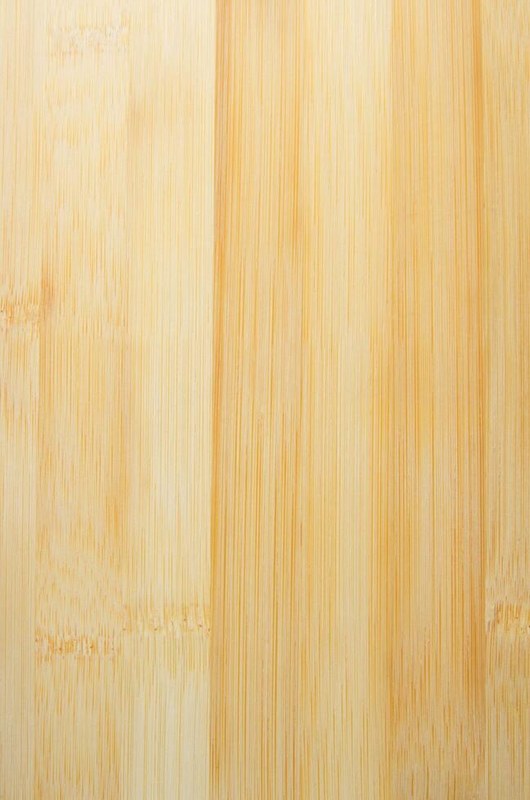
Assorted wood frames arranged to show different styles and tones
Wood frames for pictures are a strong choice when you want warmth, texture, and a more natural look on the wall. The best results come from matching the frame’s size, finish, and construction to the room, the art, and the lighting.
Wood frames for pictures bring warmth, texture, and an easy sense of character to a room, especially when the goal is a rustic or heritage-inspired look. In this guide, Julian Mercer explains how to choose, size, style, and care for them so you can make a confident buying decision without overcomplicating the decor.
- Material matters: Solid wood feels more natural, while engineered wood can be a practical budget option.
- Scale comes first: A well-sized frame usually matters more than an ornate finish.
- Room fit: Wood frames work especially well in rustic, heritage, transitional, and softly modern interiors.
- Check the details: Confirm glazing, backing, and hanging hardware before buying.
What Wood Frames for Pictures Are and Why They Work in Rustic Interiors
Wood frames for pictures are exactly what they sound like: picture frames made from wood or wood-based materials, finished in ways that can look polished, weathered, natural, painted, or distressed. In rustic interiors, they work because wood already carries visual warmth, grain variation, and a sense of material honesty that pairs well with vintage art, family photos, landscapes, botanicals, and everyday prints.
The appeal is not only aesthetic. Wood softens hard lines on a wall and helps art feel more grounded in the room. That makes it especially useful in spaces that already use stone, linen, wool, leather, iron, or reclaimed finishes. A frame can either echo those textures or provide a quiet contrast that keeps the wall from feeling too cold or too modern.
For readers exploring a broader rustic look, Hurrell Editions also covers related frame styles such as rustic wood picture frames and vintage wood picture frames, both of which can help narrow the mood you want before you buy.
“Rustic” does not always mean rough or distressed. Many rustic frames are clean-lined, lightly textured, or simply finished in a natural wood tone that feels relaxed rather than formal.
How to Choose the Right Wood Frames for Pictures: Material, Finish, and Build Quality
The best frame is usually the one that fits your artwork, your wall, and your lighting conditions—not just the one that looks appealing in a product photo. Start with the frame material, then look at the finish, depth, glazing, and how the frame is constructed at the corners and backing.
If the product listing is vague, check the manufacturer specifications carefully. Some frames are made from solid wood, while others use engineered wood with a veneer or printed finish. That difference matters for weight, durability, edge detail, and long-term appearance.
Solid Wood vs. Engineered Wood: What Matters Most
Solid wood tends to feel more substantial and can show natural grain variation that suits rustic interiors well. It may also be easier to refinish or touch up in some cases, depending on the finish and construction. The tradeoff is that solid wood can be more expensive and may react more noticeably to humidity changes.
Engineered wood, MDF, and composite frames can still look attractive and may be more consistent in color and shape. They are often a practical choice for budget-conscious shoppers, gallery walls, or rooms where you want a uniform look across several frames. The key is to judge the build quality honestly: clean miters, secure backing, and a finish that does not look overly plastic or thin.
If you want a deeper buying comparison, the related guide on solid wood picture frames is useful for understanding where true wood construction tends to matter most.
- Natural grain and warmth suit rustic rooms well
- Can feel more substantial and decorative
- Often ages more gracefully when well made
- Can cost more than composite options
- May vary in color and grain from piece to piece
- Some finishes can be sensitive to moisture or sunlight
Frame Profile, Depth, and Glass or Acrylic Options
Frame profile refers to the shape and visible width of the frame edge. A thin profile can look refined and minimal, while a wider profile makes a stronger visual statement and can feel more traditional or lodge-inspired. Depth matters too, especially if you are framing a mat, thick print, or artwork that needs clearance from the glazing.
For glazing, glass usually offers a clearer, more scratch-resistant surface, while acrylic is lighter and can be a practical choice for larger frames or households where weight is a concern. The right option depends on the room and the wall. If the frame will hang in a busy hallway, nursery, or upstairs space, lighter construction may be easier to handle. If it will sit in a bright room, look for glazing details that help reduce glare where possible.
Best Rooms and Styles for Wood Frames for Pictures
Wood frames are versatile enough to work in nearly any room, but they shine most when the decor already includes natural materials or a relaxed, lived-in feel. They can make a formal print feel more approachable or give a simple photo a more finished presentation.
Living Rooms, Bedrooms, Hallways, and Home Offices
In living rooms, wood frames help anchor art above sofas, consoles, and mantelpieces. In bedrooms, they can make the space feel softer and more personal, especially when paired with quiet landscapes, botanical prints, or family photos. Hallways often benefit from wood frames because the material adds warmth to transitional spaces that can otherwise feel plain.
Home offices are another strong fit, particularly if you want the room to feel creative without becoming distracting. A natural wood frame can balance screens, metal shelving, and task lighting. For desk-side inspiration, a few carefully chosen frames often work better than a crowded wall.
For a room-by-room rustic approach, Hurrell Editions’ rustic wood frames category can help you compare styles that lean more farmhouse, heritage, or weathered.
Matching Wood Tones to Existing Furniture and Decor
Matching does not mean copying the exact same stain across every surface. In fact, slight contrast usually looks more natural. If your furniture is medium oak, for example, a slightly darker walnut frame can create definition without clashing. If your room already has dark wood, a lighter oak or driftwood finish can prevent the wall from feeling heavy.
Try to think in terms of temperature and undertone. Warm woods pair well with cream walls, brass, terracotta, and earthy textiles. Cooler or gray-washed woods often sit comfortably beside black metal, white walls, and more modern rustic furniture. The safest move is to compare the frame finish against your largest existing wood piece rather than against a tiny accent.
A single oak frame above a linen-covered bench can make a hallway feel intentional without adding visual clutter.
Sizing, Placement, and Gallery Wall Planning
Good framing is as much about proportion as it is about style. A beautiful frame can still look awkward if it is too small for the wall, too large for the artwork, or spaced poorly among other pieces. Before you buy, measure the art, the wall area, and the furniture below it.
Choosing the Right Frame Size for Common Print Formats
Common print sizes such as 4×6, 5×7, 8×10, 11×14, and larger poster formats are often the easiest starting point, but the frame choice depends on whether you are matting the art. A mat can make a small print feel more substantial, while an unmatted frame keeps the look more compact and casual.
When the artwork is slightly smaller than the frame opening, confirm whether the frame includes a mat or whether you will need one separately. If you are working with posters or oversized prints, it may help to read guides on large wooden picture frames or broader poster sizing before you commit to a wall layout.
- Confirm the exact print size and whether a mat is included
- Check the visible frame width and overall outer dimensions
- Review glazing type, backing, and hanging hardware
- Make sure the finish suits nearby furniture and wall color
Spacing, Layout Balance, and Hanging Height
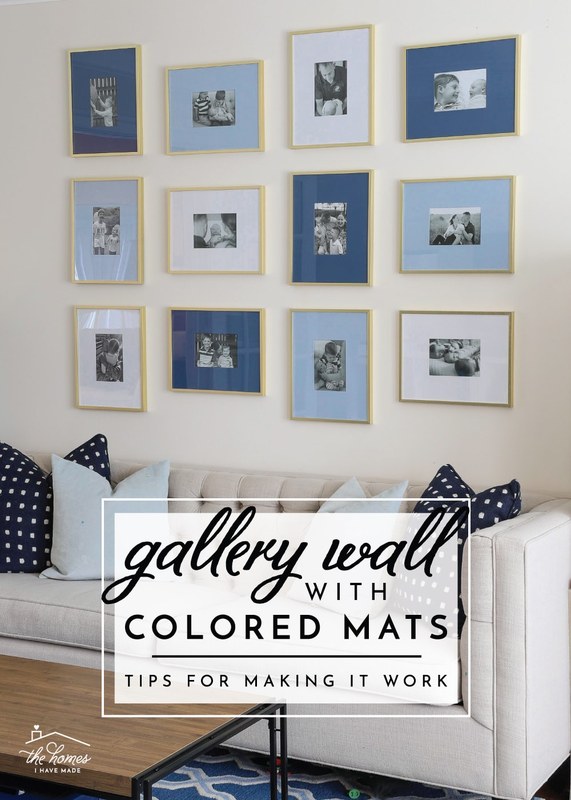
For gallery walls, consistent spacing matters more than perfect symmetry. Small variations can still look intentional if the overall rhythm is balanced. A common approach is to keep the gap between frames visually even, then align the group to a shared centerline, furniture edge, or architectural feature.
Hanging height should feel comfortable from the room’s normal viewing position. In living spaces, art often looks best when it relates to the furniture below it rather than floating too high on the wall. In hallways, a slightly higher placement can work if the wall is narrow and you want the arrangement to read clearly while walking past.
- Lay out gallery wall pieces on the floor or with paper templates first
- Keep spacing consistent across the arrangement
- Center the composition around furniture or a focal point
- Hanging every frame at a different height without a plan
- Letting the arrangement drift too high above sofas or consoles
- Using too many competing finishes in one tight grouping
Wall Type, Anchors, and Hanging Hardware Basics
Wall type affects both safety and ease of installation. Drywall, plaster, brick, and concrete each require different hardware, and the frame’s weight matters. If a frame is large, heavy, or intended for a high-traffic area, verify the hanging method and weight limit before buying.
Look for frames that include reliable hardware or clear hanging instructions. If the listing does not specify what is included, assume you may need to source the right anchors separately. For particularly heavy pieces or uncertain wall conditions, a professional installer can be the safest choice.
Do not rely on generic hooks for heavy frames or uncertain wall surfaces. Check the wall type, frame weight, and anchor rating before installation.
Styling Ideas for Rustic Wood Frames in a Modern Home
Rustic frames do not have to make a room look themed or overly country. In a modern home, they often work best as a warm counterbalance to cleaner lines, smoother surfaces, and simpler furniture. The trick is to use them deliberately rather than everywhere at once.
Single Statement Pieces vs. Gallery Wall Sets
A single larger wood frame can act like visual punctuation above a mantel, bed, or sideboard. It works well when the art itself is strong and you want the frame to support rather than compete with it. This approach is especially effective in minimalist rooms that need one warm focal point.
Gallery wall sets create more texture and movement. They are useful for family photo walls, stairway displays, and eclectic rooms that mix art styles. If you want a more cohesive gallery-wall strategy, the article on gallery wall 6 frames offers a helpful reference point for planning a balanced cluster.
Mixing Wood Frames with Metal, Canvas, and Natural Textures
Wood frames pair well with black metal accents, canvas art, woven baskets, ceramic lamps, and linen upholstery. That mix keeps the room from feeling too matchy. A rustic frame next to a metal lamp or a canvas print can create a layered look that feels collected over time rather than purchased all at once.
One practical rule: if the room already has a lot of wood, vary the finish or tone so the frame does not disappear into the furniture. If the room is mostly neutral and smooth, the frame can be slightly more textured so it becomes part of the visual interest.
- Use one consistent frame tone across a hallway for a calmer look
- Mix frame widths if you want an eclectic, collected feel
- Repeat one material elsewhere in the room to tie the composition together
- Let one or two frames breathe instead of filling every inch of wall space
Benefits, Limitations, and Common Mistakes to Avoid
Wood frames are popular for good reason, but they are not automatically the right choice for every room or every piece of art. Understanding the tradeoffs helps you buy once and style with more confidence.
When Wood Frames Add Warmth, Value, and Character
Wood frames are especially valuable when a room needs softness, texture, or a more personal feel. They can make affordable prints look more finished, help family photos feel intentional, and add a sense of craftsmanship that suits rustic, heritage, farmhouse, and transitional interiors.
They are also useful when you want the frame itself to contribute to the design. A carefully chosen wood finish can echo a table, shelf, or beam detail and make the whole room feel more coordinated without appearing overly designed.
Overmatching, Poor Sizing, and Finish Mismatches
The most common mistake is overmatching every wood tone in the room. That can flatten the space and make the decor feel forced. Another issue is choosing a frame that is technically the right size but visually too small for the wall or too narrow for the artwork’s style.
Finish mismatches are just as common. A frame that looks warm online may read cooler in person, especially under certain lighting. If the exact color matters, compare the listing photos, the product description, and any manufacturer details before ordering. When those details are not clear, treat the finish as approximate rather than exact.
- Adds warmth and texture to plain walls
- Works across rustic, heritage, and modern interiors
- Can make simple prints feel more complete
- Color variation can be hard to judge online
- Some finishes may not suit bright, glossy, or ultra-modern rooms
- Heavy or oversized frames need more careful mounting
Care, Maintenance, and Long-Term Value
Well-chosen wood frames can last a long time, but they do best when kept away from extreme humidity, direct sun, and careless cleaning methods. The goal is simple maintenance, not constant upkeep.
Cleaning, Humidity, Sunlight, and Seasonal Changes
For routine cleaning, a soft dry cloth is usually the safest starting point for the frame exterior. Avoid saturating the wood or using harsh cleaners unless the manufacturer specifically says they are safe. If the frame has a special finish, follow the care instructions that come with the product.
Humidity can affect wood over time, especially in bathrooms, sunrooms, or poorly ventilated spaces. Direct sunlight may fade prints and alter finishes, so placement matters as much as cleaning. If you are framing something important, consider the room’s light exposure before you decide on the final wall.
Artwork and frames often last longer when they are kept out of direct sun and away from moisture swings, which is why placement can matter as much as the material itself.
When to Repair, Replace, or Reframe
If the frame corners loosen, the finish chips, or the backing no longer holds the art securely, repair may be possible depending on the construction. Reframing is often the better choice when the artwork has changed size, the glazing is damaged, or the current frame no longer suits the room.
For valuable art, sentimental pieces, or anything with special preservation needs, it is worth checking with a framing professional rather than guessing. The cost of reframing can be easier to justify when it protects the art and improves the presentation at the same time.
Final Verdict: Who Should Buy Wood Frames for Pictures from Hurrell Editions
Wood frames for pictures are a strong choice for anyone who wants a warmer, more grounded alternative to metal or plastic framing. They are especially compelling when the room already uses natural materials, when the artwork is personal rather than formal, or when a wall needs a little more texture to feel finished.
Best Fit for Rustic, Heritage, and Elevated Everyday Interiors
The best fit is usually a home that values comfort, character, and a collected look. Rustic, heritage, farmhouse, transitional, and softly modern interiors all benefit from the material presence of wood, especially when the frame tone is chosen to complement rather than match everything else in the room.
For shoppers comparing options, the most dependable path is to start with the room’s style, then confirm the frame’s material, finish, dimensions, and hanging details on the official listing or manufacturer page. If you want a broader overview of the category, Hurrell Editions’ rustic wood frames section is the best place to continue browsing.
Recommended Buying Priority and Final Styling Takeaway
Prioritize proportion first, material second, and finish third. A well-sized frame with a believable wood tone will usually look better than an ornate frame in the wrong scale. If you keep the room’s lighting, wall type, and surrounding furniture in mind, the result will feel calm, intentional, and lasting.
Hurrell Editions’ overall recommendation is straightforward: choose wood frames when you want your pictures to feel warmer, more personal, and more connected to the rest of the room. The best version is not the most decorative one—it is the one that quietly supports the art and makes the space feel more complete.
Frequently Asked Questions
Living rooms, bedrooms, hallways, and home offices are all strong fits. Wood adds warmth and helps art feel more grounded in spaces that already use natural textures.
Start with the exact print size, then decide whether you want a mat. Check the frame’s visible width and outer dimensions so it suits both the art and the wall.
Solid wood usually offers more natural grain and a sturdier feel, while engineered wood can be more budget-friendly and consistent. The best choice depends on the room, the look you want, and the frame’s build quality.
Dust them with a soft dry cloth and avoid harsh cleaners unless the manufacturer says they are safe. Keep frames away from direct sun and excessive humidity when possible.
Avoid uneven spacing, overly high placement, and too many competing finishes. A simple layout plan usually looks better than trying to place each frame by eye.
Confirm the material, finish, dimensions, glazing type, and included hanging hardware. If the listing is unclear, check the manufacturer specifications before ordering.