Creative Living Room Wall Decor Ideas to Inspire

The best living room wall decor ideas combine the right scale, materials, and placement with a style that suits your room. Focus on one strong focal piece or a well-planned grouping, then use lighting and spacing to make it feel intentional.
Creative living room wall decor ideas work best when they do more than fill a blank surface. The strongest choices add scale, texture, light, and personality while still making the room feel calm, connected, and easy to live in.
- Start with scale: Wall decor should relate clearly to the sofa, console, or fireplace below it.
- Choose by room needs: Art adds mood, mirrors add light, shelves add flexibility, and textiles add softness.
- Watch materials: Glare, durability, and care vary widely between canvas, paper, glass, acrylic, wood, and metal.
- Use restraint: Negative space and consistent spacing keep creative walls from looking cluttered.
- Verify installation details: Check official specs for weight, hardware, wall type, and lighting requirements before buying.
What makes living room wall decor feel creative in 2026
Creative wall decor now feels less like a single matching set and more like a thoughtful composition. Instead of treating the wall as an afterthought, many living rooms use it to introduce contrast, soften hard architectural lines, and echo the rest of the space through color, material, or mood. That might mean one oversized canvas over a sofa, a layered ledge display, a sculptural mirror, or a gallery wall that combines art, photography, and objects with personal meaning.
What separates creative decor from clutter is intention. A wall can hold bold pieces and still feel refined if the scale is right, the spacing is consistent, and the finishes relate back to the furniture below. In other words, creativity is not about adding more. It is about choosing pieces that create visual rhythm and give the room a point of view.
How to balance personality, scale, and cohesion from the start
Start with the role you want the wall to play. If your living room already has a strong rug, patterned curtains, or a colorful sofa, wall decor may need to provide balance rather than more visual noise. If the room is neutral and architectural, the wall can carry more of the personality.
A useful approach is to choose one leading element first: a large artwork, a mirror, a shelf arrangement, or a textile piece. Then build supporting elements around it. This keeps the room from feeling scattered. Repeating one or two details, such as black frames, warm wood tones, or brass accents, also helps different pieces feel connected.
When to choose art, mirrors, shelving, textiles, lighting, or mixed-media displays
Art is usually the best choice when you want mood, color, or a clear focal point. Mirrors are especially useful in smaller or darker living rooms because they reflect light and visually expand the wall. Shelving works well when you want decor that can change over time, especially if you like rotating books, ceramics, or framed prints.
Textiles such as woven hangings, framed fabric, or vintage rugs can soften rooms with many hard surfaces. They are often a strong fit in spaces with leather seating, stone fireplaces, or minimal architecture. Lighting becomes part of the decor when you want the wall to feel more atmospheric in the evening, not just decorative in daylight. Mixed-media displays suit collected interiors, but they need a clear organizing principle such as a shared palette, repeated frame shape, or aligned top edge.
How to choose the right wall decor for your living room layout and style
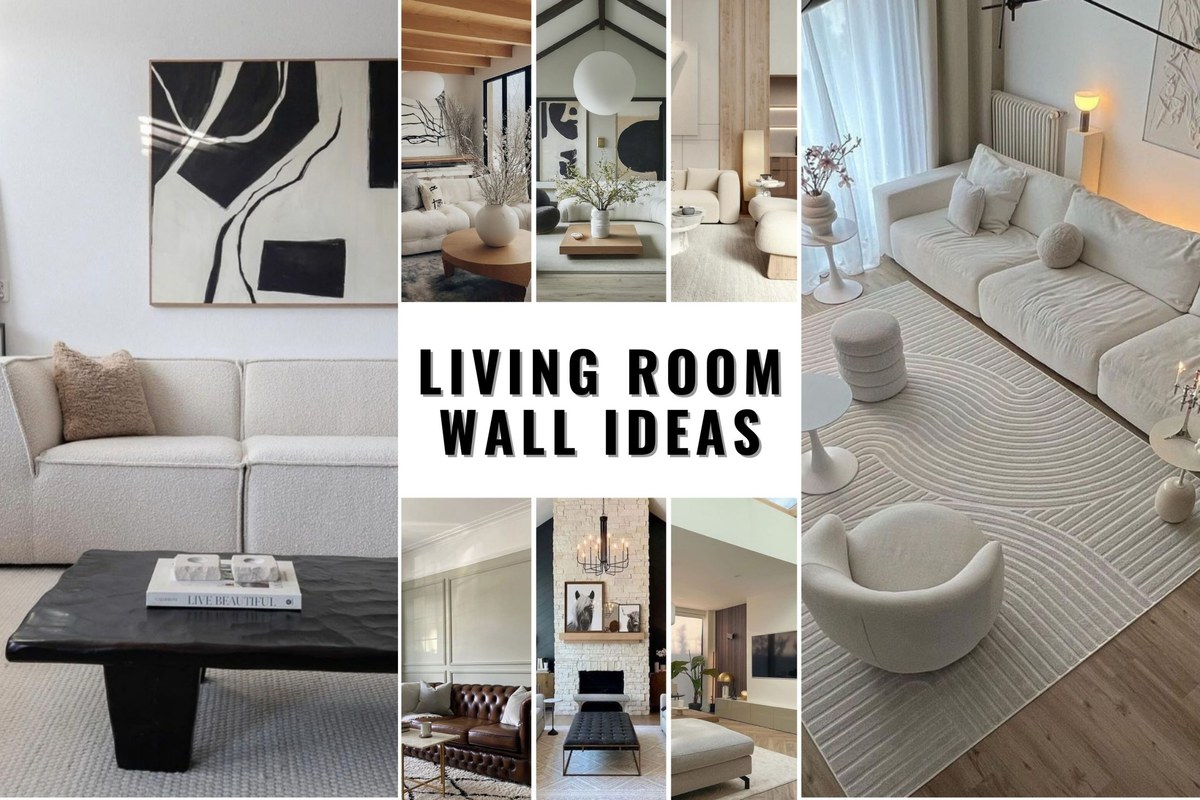
Framed artwork above a sofa shows balanced wall decor in a neutral living room.
The right decor depends as much on the room as on personal taste. A long wall behind a sectional needs a different solution than a narrow space between windows or a fireplace wall with built-ins. Before buying anything, look at the room in elevation: where the eye naturally lands, where daylight hits, and where furniture creates visual weight.
Matching decor to room size, ceiling height, natural light, and focal points
Large rooms usually need fewer, larger pieces. Small artwork on a wide wall often looks tentative unless it is grouped into a clear arrangement. In compact living rooms, one mirror or a tidy grid of frames can feel more effective than several unrelated accents.
Ceiling height matters too. Taller ceilings can handle vertical art, stacked frames, or a higher-reaching composition. Lower ceilings usually benefit from horizontal pieces that emphasize width. Natural light should influence material choice: glass-heavy frames and mirrors can create glare opposite windows, while matte canvas or textured textiles tend to read more softly.
If the room already has a focal point such as a fireplace, large window, or media unit, wall decor should support it rather than compete with it. Secondary walls are often the better place for gallery layouts, shelves, or layered displays.
Pairing wall decor with existing sofas, rugs, woods, metals, and color palettes
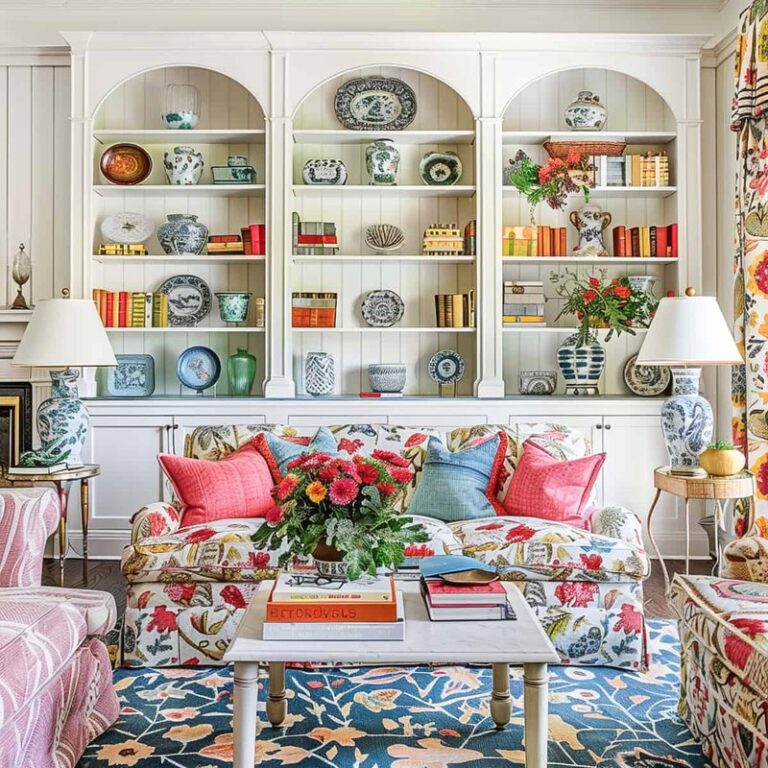
Wall decor should feel related to the room without looking overly matched. Pull one or two tones from the rug, upholstery, or accent pillows and repeat them in the artwork. If your furniture includes warm oak, walnut, brass, or cognac leather, frames in black, medium wood, or antique brass often blend more naturally than bright chrome or stark white.
In cooler interiors with gray stone, black metal, or crisp white walls, thin black frames, smoked mirrors, and abstract prints can feel more at home. Mixed metals can work, but they look more deliberate if one finish leads and the others appear in smaller doses.
Which ideas suit minimalist, eclectic, contemporary, classic, and collected interiors
Minimalist rooms usually benefit from a restrained approach: one large artwork, a simple mirror, or a narrow picture ledge with breathing room. Eclectic interiors can handle more contrast, including mixed frame finishes, layered shelves, and unusual pairings like a painting beside a sculptural wall object.
Contemporary rooms often suit oversized abstract art, clean-lined shelving, and directional lighting. Classic interiors tend to favor symmetry, framed works with more substantial molding, and balanced arrangements above fireplaces or consoles. Collected interiors are the most flexible, but they still need structure. If you like a lived-in, layered look, consistent spacing and repeated colors keep it from becoming chaotic.
Creative living room wall decor ideas worth considering now
Some of the most effective ideas are familiar, but the styling makes them feel fresh. The goal is not to chase novelty for its own sake. It is to choose a format that suits your room and then execute it with confidence.
Statement art, framed prints, and oversized canvases
A single large piece is often the easiest way to make a living room look finished. It creates instant presence and can anchor a sofa, fireplace, or console without needing supporting decor. Oversized canvases are especially useful when you want a softer, less reflective surface. Framed prints can feel more polished and structured, particularly in classic or transitional spaces.
If you are deciding between one large piece and several smaller ones, think about visual calm. One statement piece usually feels quieter and more architectural. A cluster of smaller works can feel lively, but it needs more planning to avoid looking busy.
Gallery walls with photographs, illustrations, and mixed frame finishes
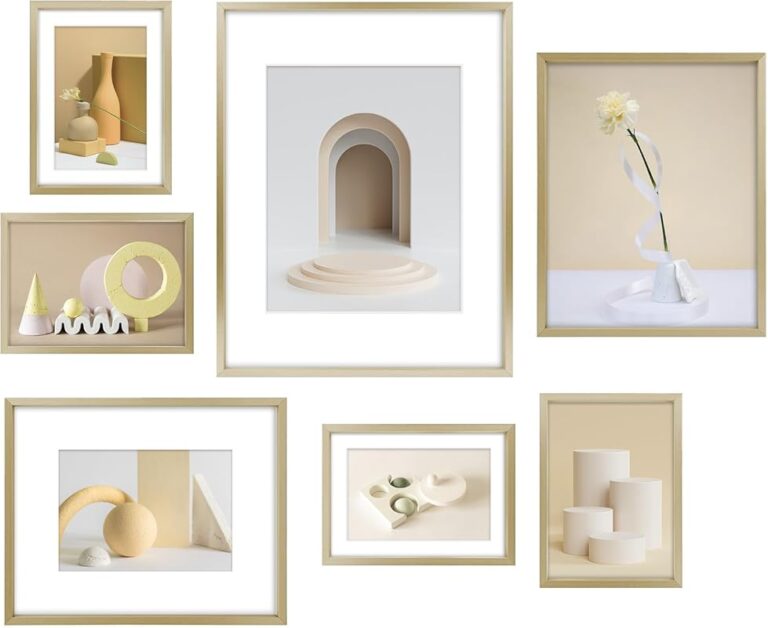
Gallery walls remain one of the most flexible options because they can be tailored to nearly any style. Family photographs, black-and-white prints, illustrations, vintage reproductions, and abstract works can all coexist if there is a clear thread. That thread might be matching mats, repeated frame depth, or a limited color palette.
If you want a more organized result, use templates before hanging. Hurrell Editions has a helpful guide to gallery wall layout templates for frames, and readers considering pre-coordinated sets may also find this overview of a gallery wall frame set for the living room useful.
Mirrors, sculptural objects, wall-mounted shelves, and textile hangings
Mirrors are practical as well as decorative, especially in living rooms that need more brightness. Round mirrors can soften boxy furniture, while arched and rectangular shapes often feel more architectural. Sculptural wall objects add dimension, but they work best when the rest of the room is relatively restrained.
Wall-mounted shelves and picture ledges are ideal if you like flexibility. They let you layer framed art with books, small ceramics, and seasonal accents without committing to one permanent arrangement. If that approach appeals to you, these picture ledge wall shelf ideas can help you think through styling possibilities. Textile hangings are especially effective in rooms that need softness, warmth, or subtle acoustic improvement.
Picture lights and layered wall lighting for mood and emphasis
Picture lights can make artwork feel more intentional and help a living room transition beautifully from day to evening. They are most effective when they illuminate a focal piece rather than trying to solve all the room’s lighting needs. In larger spaces, wall decor often looks best when supported by layered light from lamps, sconces, and art lighting rather than one overhead source alone.
When comparing options, check whether the light is hardwired, plug-in, or battery powered, and confirm brightness and beam spread on the official listing. For deeper buying guidance, see Hurrell Editions’ review of the best dimmable picture wall light for living room.
Sizing, spacing, and placement rules that make wall decor look intentional<
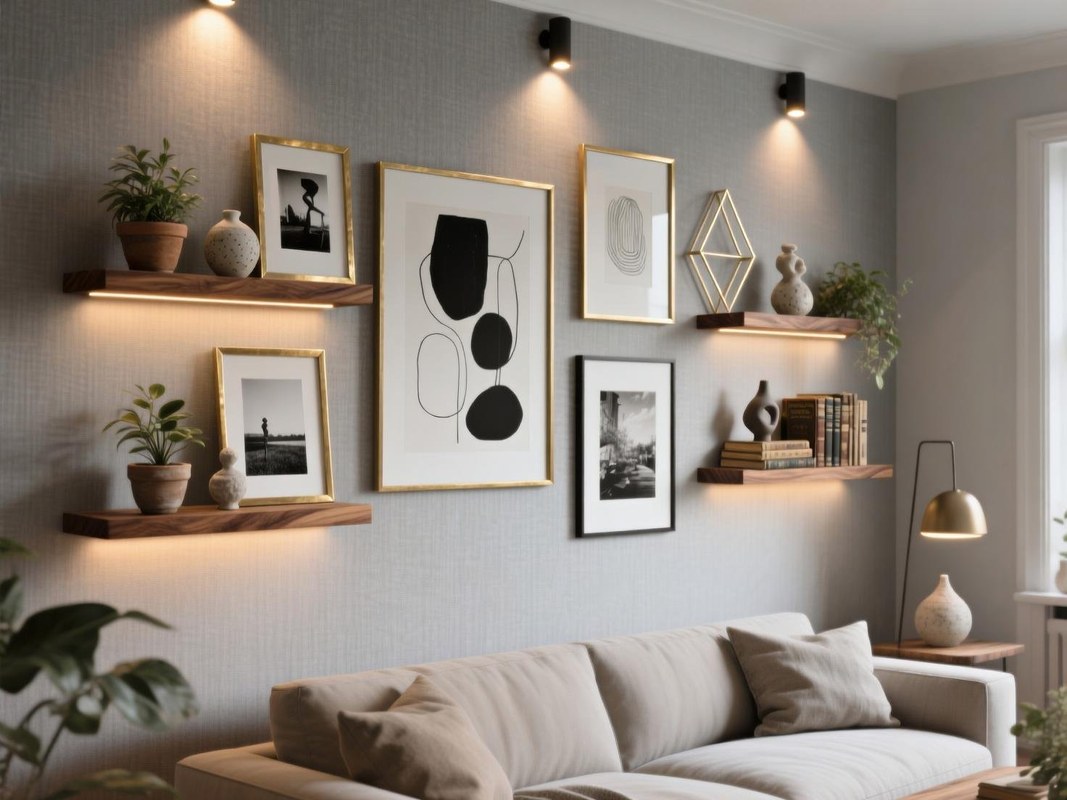
Framed pieces are spaced evenly to guide balanced wall arrangement.
Framed pieces are spaced evenly to guide balanced wall arrangement.
/h2>
Good placement can make modest decor look expensive, while poor placement can undermine even beautiful pieces. Most wall decor problems come down to scale, spacing, or height.
How wide artwork should be above a sofa, console, or fireplace
As a general guideline, artwork above a sofa or console often looks best when it spans roughly two-thirds to three-quarters of the furniture width. Above a fireplace, the ideal width depends on the mantel and chimney breast, but the piece should still feel visually tied to the structure below.
If the artwork is too narrow, it can look disconnected. If it is too wide, it can feel top-heavy. Diptychs and triptychs are useful when you want the presence of a large piece without one oversized frame.
Ideal hanging height, spacing between frames, and gallery wall layout options
For most living rooms, the center of a main artwork grouping should sit around average eye level, adjusted slightly for ceiling height and viewing distance. Above furniture, leave enough space so the decor feels connected but not cramped. Gallery walls usually look most cohesive when frame gaps remain consistent across the arrangement.
Before making holes, map the arrangement on the floor or with paper templates on the wall. It is one of the simplest ways to catch scale and spacing issues early.
Grid layouts feel formal and calm. Organic layouts feel more relaxed and collected. Linear shelf displays create flexibility and are especially useful for renters or anyone who likes to rotate art seasonally.
How to work with plaster, drywall, brick, paneling, and rental-friendly walls
Wall material affects both what you can hang and how safely you can hang it. Drywall may need anchors depending on weight. Older plaster can be less forgiving. Brick and paneling require different hardware and sometimes specialized drilling. Rental-friendly walls may limit permanent changes, making lighter art, ledges, or removable hanging systems more appealing.
Because hardware needs vary by wall type and object weight, always check the manufacturer’s guidance and your lease terms where relevant. For heavy mirrors, shelves, or mounted lighting, a qualified installer is often the safer choice.
Choosing hanging hardware, weight support, and safety basics for secure installation
Do not assume included hardware is appropriate for every wall. Confirm the piece weight, the wall material, and the intended load before installation. Mirrors, shelves, and framed glass pieces can become hazards if they are under-supported or unevenly mounted.
For heavy wall decor or electrical fixtures, verify wall type, stud location, and weight limits before mounting. If the installation instructions are unclear, consult a professional rather than guessing.
Materials, finishes, and specifications to look for before you buy
Material choice affects not only appearance but also glare, durability, maintenance, and value. Two pieces can look similar online but behave very differently in a real living room.
Canvas, paper, glass, acrylic, metal, wood, and textile considerations
Canvas tends to reduce reflections and can feel relaxed or contemporary depending on the art. Paper prints often offer sharper detail but usually need glazing and careful framing. Glass provides clarity but can create glare. Acrylic can be lighter than glass and visually sleek, though finish quality varies by maker and price tier.
Metal and wood wall pieces bring texture and structure, while textiles add softness and warmth. In sunny rooms, ask whether the material or print process has any specific light-exposure guidance. In humid spaces or homes with frequent temperature swings, stability and maintenance become more important.
Frame quality, glazing options, archival details, and durability in busy living rooms
Frame construction matters more than many shoppers expect. Look for clean corners, a rigid back, secure hanging points, and enough depth for the artwork and matting if used. If preservation matters, check whether the listing mentions archival mats, acid-free backing, or UV-protective glazing. Those details can be especially relevant for valuable prints, photographs, and original works.
In high-traffic living rooms, durability matters too. Delicate finishes, very thin frames, and highly reflective glazing may look beautiful online but require more upkeep and care in daily life.
For picture lights: brightness, beam spread, color temperature, power source, and cable visibility
For art lighting, brightness should suit the size and tone of the piece. Beam spread matters because a light that is too narrow can create a hot spot, while one that is too broad may wash beyond the frame. Color temperature affects mood: warmer light usually feels more residential, while cooler light can make art feel sharper but sometimes less inviting.
Also confirm the power source and how visible the cord or charging routine will be in your room. Product listings and manufacturer specifications are the best place to verify those details before buying.
Styling ideas that elevate wall decor without overcrowding the room
Once the main pieces are chosen, the final look depends on restraint. The most inviting living rooms usually leave some walls quieter so focal areas can stand out.
Building around a focal piece versus layering a collected arrangement
If you prefer a clean, calm room, choose one focal piece and let it lead. Add only a few supporting elements nearby, such as a lamp, a low stack of books, or one sculptural object on a console. If you prefer a layered look, vary scale carefully so every item does not compete at the same visual volume.
Collected arrangements often work best when they mix at least two categories, such as framed art and objects, or books and small ceramics on a ledge. That variation creates depth without requiring more wall coverage.
Using symmetry, asymmetry, repetition, and negative space effectively
Symmetry creates order and is especially useful over fireplaces, consoles, or formal seating arrangements. Asymmetry feels more relaxed and can suit modern or eclectic rooms, but it still needs balance through color, mass, or spacing. Repetition helps tie diverse pieces together, whether through matching frame color, repeated circular forms, or a recurring accent tone.
Negative space is what keeps the wall breathable. Leaving intentional blank space around a strong piece often makes it feel more expensive and more creative, not less finished.
Seasonal refreshes, shelf styling, and combining decor with books and objects
One of the easiest ways to keep a living room feeling fresh is to rotate smaller framed prints, objects, or books while leaving the main anchor piece in place. Shelves and ledges are especially useful for this because they allow change without re-hanging the wall.
- Repeat one frame finish at least two or three times for cohesion.
- Use books and small objects to break up a row of frames on ledges.
- Keep the boldest colors near the center of a gallery wall for balance.
- Let at least one area of the wall remain visually quiet.
Benefits, limitations, and common mistakes to avoid
Wall decor can transform a living room, but it is not automatically successful just because the pieces are attractive. The room still needs proportion, clarity, and function.
Why wall decor can improve mood, depth, acoustics, and visual balance
Thoughtful wall decor can make a room feel warmer, more personal, and more complete. It can also add perceived depth by drawing the eye upward and outward. Soft materials like textiles may slightly soften echo in rooms with hard floors and minimal upholstery, while mirrors can brighten darker corners by reflecting available light.
Potential drawbacks such as glare, visual clutter, poor scale, or difficult upkeep
Common drawbacks include glare from glass or mirrors, clutter from too many competing pieces, and disappointment when art arrives smaller than expected. Some materials also require more maintenance, especially highly polished metals, open shelving, or framed pieces near direct sun and fireplaces.
Mistakes with placement, frame choice, lighting, hardware, and mismatched styles
The most common mistake is hanging decor too high. Close behind that are choosing pieces that are too small, using frames that fight with the room’s finishes, and adding lighting without checking beam spread or cable visibility. Another frequent issue is mixing styles without any unifying element.
- Measure the wall and the furniture before buying.
- Repeat one or two finishes for cohesion.
- Check official specs for size, materials, and mounting requirements.
- Choosing art only from close-up product photos.
- Mounting heavy pieces without confirming wall support.
- Filling every blank area just because it is empty.
Care, maintenance, value, and the best approach for a lasting result
Lasting wall decor is not only about what you buy. It is also about how well the materials suit the room, how safely the pieces are installed, and whether the arrangement can adapt as your space changes.
Cleaning framed art, mirrors, textiles, shelves, and lit displays safely
Always follow the maker’s care instructions first, especially for original art, specialty glazing, and textile pieces. In general, dust frames and shelves gently with a soft dry cloth, clean mirrors with an appropriate glass cleaner applied to the cloth rather than directly to the surface, and keep moisture away from paper art and fabric hangings. For lit displays, turn power off before cleaning and avoid harsh chemicals near finishes or fixtures.
When to invest in custom framing, original work, or flexible budget-friendly pieces
Custom framing can be worthwhile when the artwork is meaningful, unusually sized, or intended to stay in the room for years. Original work may offer more character and presence, but it is not the only path to a sophisticated result. Budget-friendly prints, shelves, and mirrors can look excellent when the scale is right and the arrangement is intentional.
If you are still defining your style, flexible pieces often offer better value than committing too early to a large matching set. Ledges, interchangeable frames, and a few strong anchor pieces give you room to evolve.
Final recommendation: the most versatile creative wall decor strategies for a stylish living room
The most versatile approach is usually a combination of one anchor element and one flexible layer. In practice, that might mean oversized art above the sofa plus a smaller secondary wall with shelves, a mirror paired with picture lighting, or a restrained gallery wall built around a consistent palette. That balance gives the room personality without locking you into a rigid look.
- Choose wall decor based on room scale, light, and focal points first.
- Use one strong anchor piece or a clearly organized grouping.
- Check materials, glare, hardware, and wall type before buying.
- Leave negative space so the room feels styled rather than crowded.
Frequently Asked Questions