10 Best Coffee Table Books for Minimalist Homes — Essential Picks for Clean, Timeless Style

Minimalist homes lean on a few well-chosen pieces to create calm, uncluttered spaces, and coffee table books serve both form and function. They add visual interest, anchor seating areas, and reflect personal taste without crowding a room. A good coffee table book for a minimalist home looks elegant, reads well at a glance, and complements the room’s color palette and scale.
When choosing a book, people should focus on size, cover design, paper quality, and subject matter. Size matters for balance—too large can dominate a low table, too small can look lost; a simple cover or neutral palette keeps a minimalist feel; and sturdy binding and readable typography make the book pleasant to handle and browse. These picks prioritize proportion, restraint, and visual harmony to help readers find options that suit a minimalist living room and lifestyle.
10 Best Coffee Table Books for Minimalist Homes
They curated this list to help readers find coffee table books that fit clean, simple spaces. Each choice balances strong visuals with calm design to complement a minimalist home.
Art of Home

It’s a strong pick for minimalist homes that want clean, refined images and practical design tips in one attractive volume.
Pros
- Beautiful, high-quality photography that reads well on a plain coffee table
- Practical layout advice that suits simple, pared-back spaces
- Substantial feel and size that makes it feel like a real design reference
Cons
- Heavy and large, so it can feel bulky on a very small table
- Some buyers report shipping damage or dirty delivery on arrival
- Not strictly minimalist in content—some rooms show more layered styling
The book pairs crisp images with clear guidance on proportion, scale, and furniture placement. It focuses on approachable elegance rather than maximalist looks, which helps it fit minimalist interiors.
Readers will find useful how-tos like rug sizing and simple room layouts among the photography. The design notes aim to be practical rather than trendy, which suits readers who want lasting ideas.
The size and hardcover presence give the book visual weight, making it a noticeable coffee table object without adding visual clutter. Buyers who value condition should check seller packaging and return options.
Call It Home

This book is a strong pick for minimalist homes because it focuses on small, simple details that add warmth without clutter.
Pros
- Clean, high-quality photography that fits minimalist aesthetics
- Practical ideas for adding subtle personality to a room
- Sturdy, attractive format that works as decor
Cons
- Some ideas may feel familiar to seasoned decorators
- Not a how-to manual with step-by-step guides
- Size and weight may feel bulky for very small tables
Call It Home showcases small styling moves that make a space feel lived-in while keeping surfaces calm and tidy. It suits readers who prefer quiet, intentional decor rather than bold statement pieces.
The photos lean on neutral palettes and simple compositions, so the images pair well with minimalist furniture and clean lines. Text passages point out tiny choices—like textiles, hardware, and layered lighting—that add depth without adding clutter.
This volume reads like a visual guide to subtle improvements rather than a technical resource. It works as both a source of inspiration and a neat coffee table object that blends into a minimalist living room.
Artful Home

Artful Home is worth buying for minimalist spaces that need calm, art-forward visuals and timeless photography.
Pros
- Clean, art-focused photography that fits minimalist decor
- Mixes abstract art with simple interiors for visual interest
- High-quality production and timeless design
Cons
- Strong art focus may feel less practical for decorating tips
- Some pages are visually dense for very strict minimalists
- Larger size takes noticeable space on small tables
The book shows Josh Young’s approach to art and interiors with clear, elegant photos. It uses muted palettes and uncluttered compositions that suit minimalist living rooms.
Readers will find inspiration in how art anchors simple layouts rather than loud decor. The book leans more toward visual storytelling than step-by-step guidance.
Its size and weight make it a noticeable object on a coffee table, which is good if the goal is a deliberate, curated look. The design feels timeless and can sit comfortably in modern, Scandinavian, or pared-back spaces.
House Rules

It is a strong pick for minimalist homes that want pretty, calm visuals plus simple, practical decorating rules.
Pros
- Clean, photo-forward layout that fits minimalist styling.
- Practical tips that simplify decisions and reduce clutter.
- Works as both a display book and a useful guide.
Cons
- Prefers neutral palettes; readers who love bold color may feel limited.
- Some advice leans personal and may not suit every taste.
- Heavier book size takes space on small tables.
The book pairs large, calming photos with short rules and clear advice, so it reads fast and looks tidy on a coffee table. It gives guidance that helps keep rooms simple without feeling cold.
Readers will find ideas for using items they already own, which fits a minimalist focus on buying less. The tone stays friendly and practical, making design choices feel less risky.
This makes a good gift for someone moving into a new, pared-back space or for anyone who wants a stylish but low-effort reference.
Minimalista

This book is a solid pick for readers who want clear, step-by-step help to simplify their home and routines.
Pros
- Practical, stepwise guidance that readers can follow room by room.
- Clean, stylish photography that suits a minimalist coffee table.
- Covers home, wardrobe, and lifestyle for a broad approach to minimalism.
Cons
- Some readers may find parts repetitive if they already use another decluttering method.
- A few buyers report cosmetic damage on arrival.
- Tone leans toward gentle guidance rather than strict rules, which may disappoint those wanting rigid systems.
Minimalista lays out a calm, organized path to pare down spaces and habits. It focuses on simple actions and clear photos, making it feel approachable rather than overwhelming.
The book pairs lifestyle advice with visual examples, so it works both as a how-to and a decorative object on a coffee table. Readers who like a friendly, practical voice will find useful tips for closets, kitchens, and daily routines.
Not every section will be new to seasoned minimalists, but many will appreciate the structure and visual appeal. People who want step-by-step tasks and a soft, modern aesthetic will likely enjoy this title.
Made for Living

This book is a solid pick for minimalist homes because it offers calm, neutral photography and easy-to-use styling ideas.
Pros
- Warm, neutral photos that suit clean spaces
- Practical tips for mixing textures and layers
- Good size and weight for a coffee table stack
Cons
- Some copies may arrive with cosmetic damage
- Style leans toward warm, layered minimalism, not strict minimalism
- Not a technical design manual—more inspiration than how-to
The photography fills the pages with soft palettes and simple vignettes that blend well with a minimalist living room. It shows how to add warmth without clutter, using texture and a few curated pieces.
Readers will find short, practical suggestions that help mix vintage and modern items without overwhelming a space. The tone stays relaxed and accessible, so the book reads like friendly advice rather than dense theory.
It works as both a decorative object and a source of ideas for subtle changes. Those wanting very strict, sparse minimalism might prefer a different title, but anyone aiming for a cozy, uncluttered look will find it useful.
The Layered Home
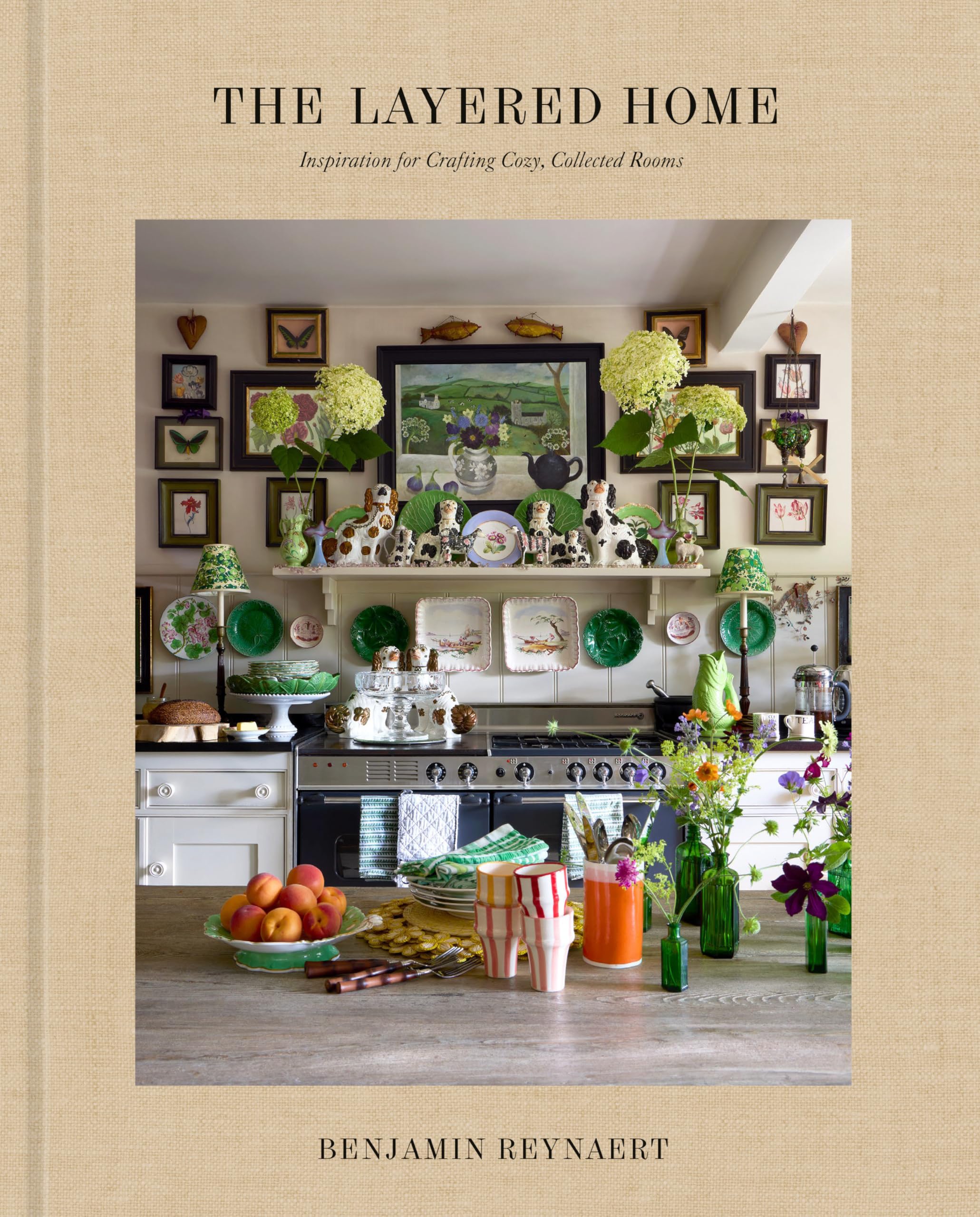
It may appeal to readers who want warm, lived-in styling ideas rather than strict minimalism, but it may feel too busy for true minimal homes.
Pros
- Rich photography that shows personal, collected rooms.
- Practical tips for arranging collections and creating cozy layers.
- Inspiring variety of real-home tours.
Cons
- Visual style leans maximalist and can clash with minimalist decor.
- Some images and spreads may feel intrusive or not family-friendly.
- Heavier focus on accumulation than on restraint.
The book offers many photos of textured, layered interiors that center on personal objects and collections. It reads like a guide to making spaces feel warm and curated rather than sparse.
Readers who want to borrow ideas for adding one or two meaningful pieces to a clean space may find useful tips here. Those aiming for strict minimalism could pick and choose images instead of adopting the overall aesthetic.
The tone across the pages favors cozy, collected rooms over stark simplicity. It can spark ideas for mixing color, books, and small objects while reminding readers to keep balance in mind.
Live Beautiful

Live Beautiful is a strong pick for minimalist homes that want calm, stylish visuals and practical design ideas without clutter.
Pros
- Elegant photography that fits a simple aesthetic
- Practical tips that support thoughtful styling
- Good size and weight for a coffee table stack
Cons
- Some buyers report delivery damage to corners
- Not a budget option for casual readers
- Occasional layouts feel more styled than purely minimal
This book shows clean, serene interiors and explains design choices in a clear way. It suits readers who prefer curated images and usable advice over dense text.
The photography stays quiet and restrained, which helps it blend into minimalist rooms without drawing too much attention. Short essays and captions make the ideas easy to apply.
Some buyers mention shipping issues that can harm corner edges, so consider protected packaging or buying from a local shop. Overall, it makes a tasteful addition to a pared-back living room.
AD at 100

This book is a strong pick for minimalist homes that want a single, high-impact design object and a deep visual history of modern interiors.
Pros
- Rich, well-curated photography that reads clean on a table.
- Large format feels deliberate rather than cluttered.
- Covers a wide range of iconic designers and styles for reference.
Cons
- Size and weight may dominate small tables.
- Some copies arrive with minor cover or edge wear.
- Photo-heavy format limits dense text or concise tips.
AD at 100 offers a polished visual record of notable homes and designers. It works as a focal piece on a minimalist coffee table because the images and clean layout give a calm, curated look.
The book’s scale and strong design vocabulary make it easy to pair with a single accessory or a small stack. It can function as both décor and a reference for anyone who wants tasteful inspiration without visual noise.
Buyers should note the physical heft and the occasional reports of shipping wear, but many find the production quality and imagery worth the investment.
Ralph Lauren: A Way of Living

It suits buyers who want a large, photo-rich coffee table book that showcases classic Ralph Lauren interiors and timeless design inspiration.
Pros
- Strong visual focus with many styled interiors.
- Feels substantial and high-quality on a table.
- Covers a range of signature looks for varied tastes.
Cons
- Large and heavy, not ideal for small spaces.
- Some images may look low resolution to picky viewers.
- Text and narrative depth vary across sections.
This edition offers hundreds of photographs of homes, rooms, and design details tied to the Ralph Lauren brand. It gives a clear sense of the label’s classic, layered aesthetic.
Readers will find chapters that group styles and projects, which makes it easy to flip to a look that fits a minimalist setting. The book’s scale and glossy images make it a strong visual anchor on a neutral coffee table.
Buyers with tight space or a strict minimalist book count may find it too big. Those who want compact, ultra-minimal décor picks might prefer slimmer volumes.
Buying Guide
Look for slim, well-bound books that suit a minimalist space. Thin profiles and sturdy covers keep stacks neat and avoid visual clutter.
Focus on neutral colors and simple covers. Muted tones, monochrome photography, or minimal typography blend with many interiors.
Check size and scale before buying. A large coffee table needs a big book or a small stack; a small table suits one medium book. Measure the table to ensure proper visual balance.
Consider content and image style. Choose books with clean layouts, plenty of negative space, and high-quality photography or illustrations. Avoid overly busy pages that draw too much attention.
Pay attention to materials and durability. Acid-free paper and durable bindings resist wear. Matte covers reduce glare and fit minimalist aesthetics better than glossy finishes.
Think about weight and usability. Heavy books feel substantial but may be hard to move. Lightweight books are easier to pick up and browse.
Use a short checklist when deciding:
- Size: fits table proportions
- Color: neutral or muted palette
- Layout: clean, with negative space
- Paper: good quality, durable
- Weight: manageable for handling
They should match the room’s scale and color scheme while offering calming visuals. Buying with these features in mind helps maintain a tidy, intentional look.
Editor’s picks
They chose three books that fit minimalist homes by design and content. Each book keeps pages, color, and imagery simple while still feeling engaging.
- Monochrome Living — clean photography, neutral tones, and short essays. It shows how less can look warm and intentional.
- Quiet Objects — focuses on single items and their shapes. The layouts use lots of white space and clear captions.
- Material Matters — studies natural textures and finishes. Photos and notes help readers match pieces to a calm palette.
| Title | Why it works | Room fit |
|---|---|---|
| Monochrome Living | Neutral photos, balanced spreads | Living room, entry table |
| Quiet Objects | Minimal captions, strong form | Coffee table, shelf |
| Material Matters | Texture-focused, tactile shots | Coffee table, side table |
They picked books that read fast and look refined. Each volume pairs well with a sparse sofa or a small stack on a bare table.
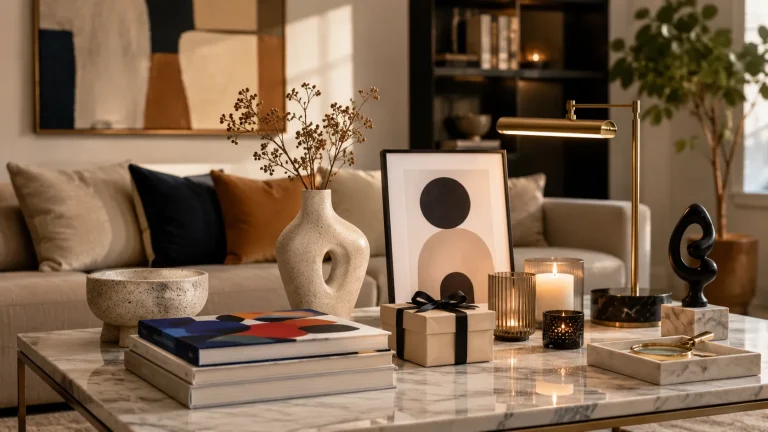
They recommend arranging one book face-up and one spine-out to keep the look tidy. A single small object, like a ceramic cup, finishes the scene without clutter.
Frequently asked questions
What makes a coffee table book good for a minimalist home?
A good match has clean design, limited color palettes, and simple subjects. It should add calm and visual interest without clutter.
How many books should someone display?
They should limit books to one to three items per table. Fewer objects keep the space open and balanced.
Should books be arranged flat or standing?
Flat stacks keep lines low and neat. A single vertical book can add height, but avoid too many upright items.
Can personal photos work as coffee table books?
Yes. A small, well-designed photo book can feel personal and still fit minimalist style. Choose simple covers and consistent layouts.
Are large-format books better than small ones?
Large books make a bold statement, but a mix of sizes can look intentional. Size should match table scale and room proportions.
How should someone protect books from wear?
Place coasters nearby and avoid direct sunlight. Rotate books occasionally and keep food and drinks off open pages.
What subjects suit minimalist spaces?
Architecture, black-and-white photography, typography, and nature often work well. Choose calm imagery and restrained color use.
How can someone update their display seasonally?
Swap one book at a time or change the stack height. Small tweaks keep the look fresh without adding clutter.
Conclusion
A well-chosen coffee table book adds calm and style to a minimalist room without clutter. It should reflect the home’s color palette, scale, and the owner’s taste.
They recommend choosing one or two books with clean covers and restrained palettes. Photography, architecture, and design books often work best for minimal spaces.
Rotate books seasonally to keep the display fresh. Use a tray or stack to keep the arrangement neat and easy to change.
Bold or textured covers can serve as a single focal point in an otherwise simple room. Pair a book with a small object like a ceramic bowl or a single plant for balance.
They advise prioritizing quality over quantity. A single well-made book makes a stronger visual statement than many small volumes.