Best Coffee Table Books for Mid Century Modern Homes

Coffee table books add color and personality to mid century modern homes. They pair well with clean lines, warm woods, and sculptural furniture, and they offer visual interest without clutter. For many owners, the right book doubles as art, reflecting the era’s design, architecture, and photography while fitting the room’s scale.
People should look for size, cover material, and image quality when choosing these books. Oversized volumes can overwhelm small tables, so choose dimensions that leave space for a lamp or tray. Hardcover bindings and high-resolution photography keep the look sharp and durable, and a mix of thematic focus—design, architecture, or photography—helps the book feel purposeful on the table. Pick books that match the room’s scale and aesthetic while offering strong images and sturdy covers for everyday use. This guide will walk through the best options and what to consider before buying.
10 Best Coffee Table Books for Mid Century Modern Homes
They picked books that match mid century modern style through clean design, bold photography, and timeless topics like architecture, furniture, and art. This list helps readers find coffee table books that look good in a living room and spark conversation.
Mid-Century Modern: Interiors, Furniture, Design Details
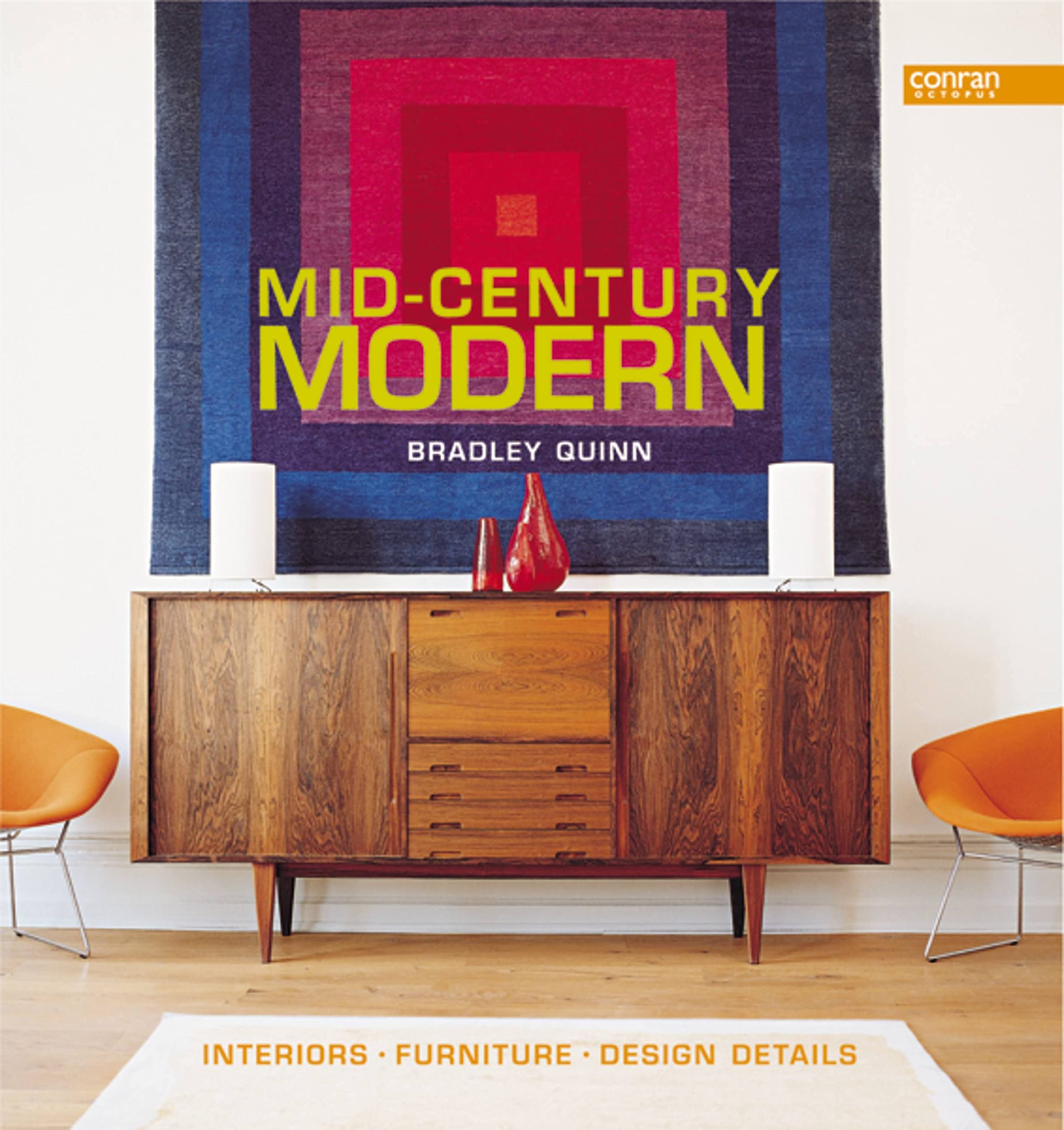
This book is a strong pick for readers who want a well-illustrated survey of mid-century modern interiors and furniture.
Pros
- Rich photography that shows real rooms and pieces.
- Good overview of regional styles and historical context.
- Handy size for a coffee table book without being bulky.
Cons
- Some readers may find the text dense or uneven in tone.
- Occasional delivery or condition issues reported.
- Less focus on Scandinavian examples than some buyers expect.
The photography stands out and gives clear visual ideas for mid-century styling. It mixes archival images with contemporary shots, which helps buyers see how the style works in real homes today.
Text sections give useful context about designers, materials, and room layouts, though some readers may prefer less prose and more images. The book can serve both curious newcomers and collectors who want reference details.
Overall, this edition balances pictures and background information in a compact package suitable for display on a mid-century modern coffee table.
Atlas of Mid-Century Modern Houses

This book is worth buying for readers who want a rich, global survey of mid-century homes with strong photography and design context.
Pros
- Rich visual collection that suits a coffee table display.
- Organized by region for easy browsing.
- High-quality production feels durable and polished.
Cons
- Heavy and bulky for casual handling.
- Not organized chronologically, which may confuse some readers.
- Large size can be awkward on small tables.
Atlas presents a large selection of mid-century houses from around the world, with clear photos and short design notes. It gives readers plenty to flip through during visits or when seeking style ideas.
The book’s weight and size make it more of a display piece than a quick read. Some buyers may prefer a lighter volume if they plan to carry it often.
Regional chapters help focus attention on different architectural traditions, but the lack of a chronological catalogue can make it harder to track stylistic development across decades.
Overall, Atlas of Mid-Century Modern Houses works well as a centerpiece for a mid-century modern living room and as a visual reference for design inspiration.
Mid-Century Modern Design: A Complete Sourcebook

This book is a strong pick for buyers who want a large, photo-rich reference on mid-century furniture and designers.
Pros
- Rich photography helps identify styles and pieces quickly.
- Wide coverage makes it useful as a general reference.
- Sturdy, coffee-table friendly size and feel.
Cons
- Text is all in English, which may limit non-English readers.
- Heavier than many coffee table books, which can feel bulky.
- Price can feel high for some budgets.
The book shows hundreds of images and clear examples of iconic mid-century items. It acts as a visual guide that helps spot designers, shapes, and common materials from the era.
Readers will find concise historical notes alongside photos, so the book reads well as a casual flip-through on a coffee table. The layout favors images, making it easy to scan for inspiration or to identify a specific chair or lamp.
Collectors and homeowners who like mid-century modern rooms will enjoy having this on display. It works as both decor and a practical reference for style ideas and quick lookups.
Mid-Century Modern Living
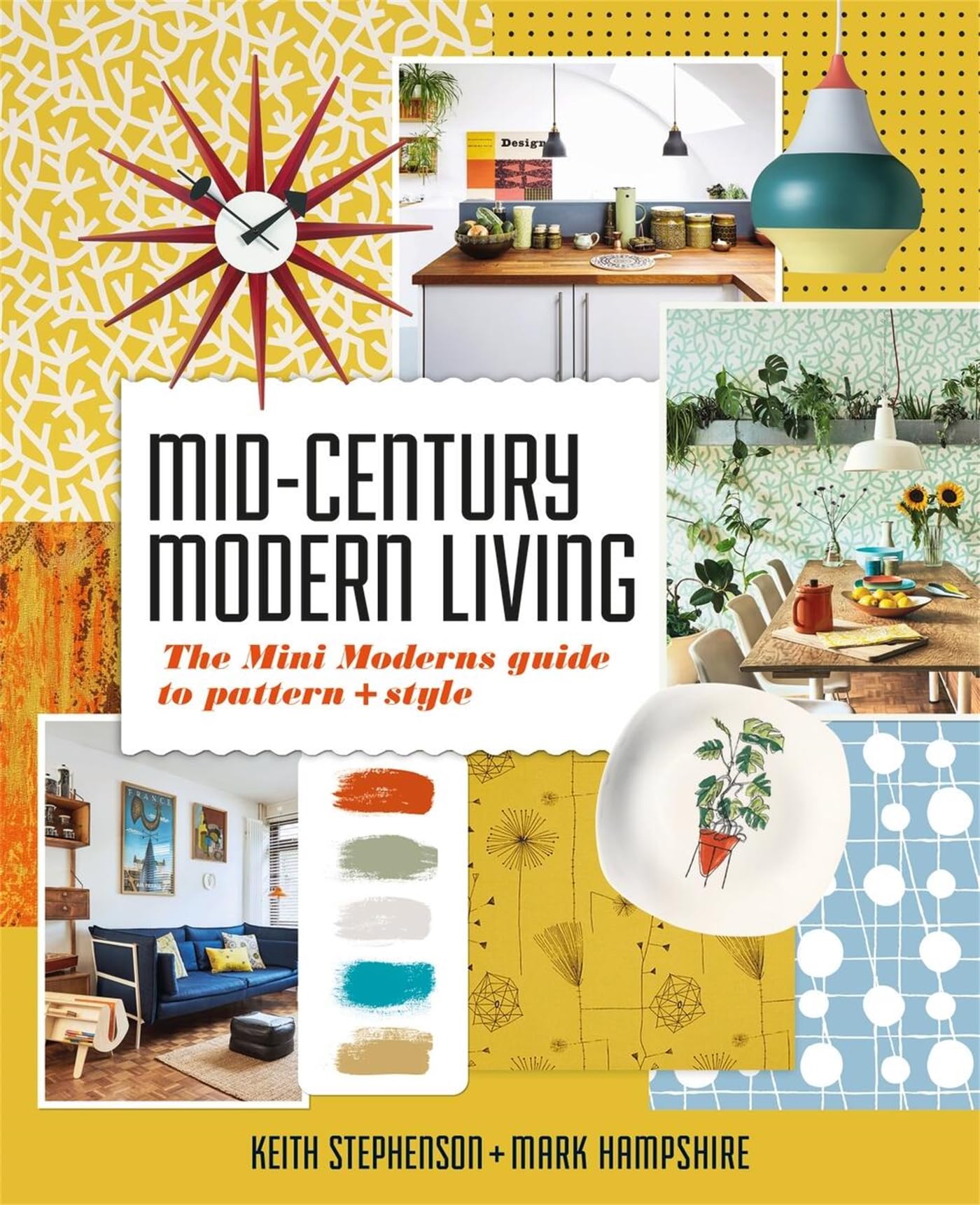
This book is a compact, stylish guide that helps readers add mid-century pattern and flair to modern homes.
Pros
- Clear, photo-led styling ideas that feel usable.
- Compact size fits well on coffee tables.
- Good mix of pattern, color, and room examples.
Cons
- Not a deep historical survey of mid-century design.
- Focus leans on two contemporary designers rather than broad era coverage.
- Some copies have reported printing or binding defects.
They present ideas in a tidy, visual way that suits people who want practical styling tips. The photos and room spreads make it easy to imagine pieces in a home without long design essays.
Readers will find it useful for mixing patterns, textures, and color in a mid-century direction while keeping a modern look. It works well as a coffee table book to spark conversation and offer quick inspiration.
Collectors seeking a detailed historical reference might want a different title, since this leans toward application and contemporary interpretation. Still, it serves well as a frequent-look book for styling projects and casual browsing.
Midcentury Houses Today

It is a strong pick for readers who want high-quality photography and thoughtful essays on renovated midcentury homes.
Pros
- Beautiful, large-format photos that show materials and light.
- Includes plans and essays that explain design choices.
- Focuses on restored homes, useful for modern interiors.
Cons
- Heavy and large, not easy to carry around.
- Limited to sixteen houses, so coverage is selective.
- Some readers may prefer more technical detail.
The book highlights sixteen midcentury houses with clear photography and measured text. It shows how original design ideas meet current living needs without overstating restoration choices.
Readers will find floor plans and essays that explain materials like glass, wood, and steel, and how those choices shape rooms and views. The visual focus makes it useful for styling a midcentury-modern coffee table.
Photography is the main strength; each spread reads like a short tour of a single home. Those who want exhaustive technical specs might wish for more detail, but the book serves well as inspiration and a visual reference.
Mid-Century Modern Furniture

It’s a strong pick for buyers who want a thorough, well-illustrated coffee table book on mid-century furniture design.
Pros
- Rich photography that showcases iconic pieces.
- Broad historical coverage from many designers.
- Large format feels substantial on a table.
Cons
- Heavy and large, which can be awkward to handle.
- Dense text may be more reference than light reading.
- Price can be higher than smaller design books.
This book offers a deep dive into mid-century furniture with clear images and detailed context. It suits readers who enjoy looking through big photos and learning design history in one place.
Text and image balance leans toward visual storytelling, so it works well on a coffee table where guests can flip through photos. The size and weight make it a statement piece, though it may be cumbersome to move.
As a curated reference, it helps anyone decorating a mid-century modern home pick pieces and learn backstory. The thoroughness may feel heavy to casual readers, but collectors and design fans will find value.
Mid-Century Modern Designers

This book is a solid buy for readers who want a clear, well-photographed guide to key mid-century designers and their home pieces.
Pros
- Clear, concise profiles that are easy to read.
- Strong photography that suits a coffee table display.
- Broad range of objects covered, not just furniture.
Cons
- Some important designers get less space than expected.
- Not a deep scholarly dive for specialists.
- Heavier and larger than some coffee table books.
The book groups designers and objects in a way that suits a mid-century modern living room. It focuses on pieces made for home use and keeps the writing tight and readable.
Photographs stand out and make the book useful as both reference and decoration on a coffee table. Short, well-edited entries let readers browse without getting bogged down.
Collectors seeking exhaustive biographies may want additional sources, but most buyers will find the scope and design well matched to mid-century modern interiors.
Midcentury Modern Landscape
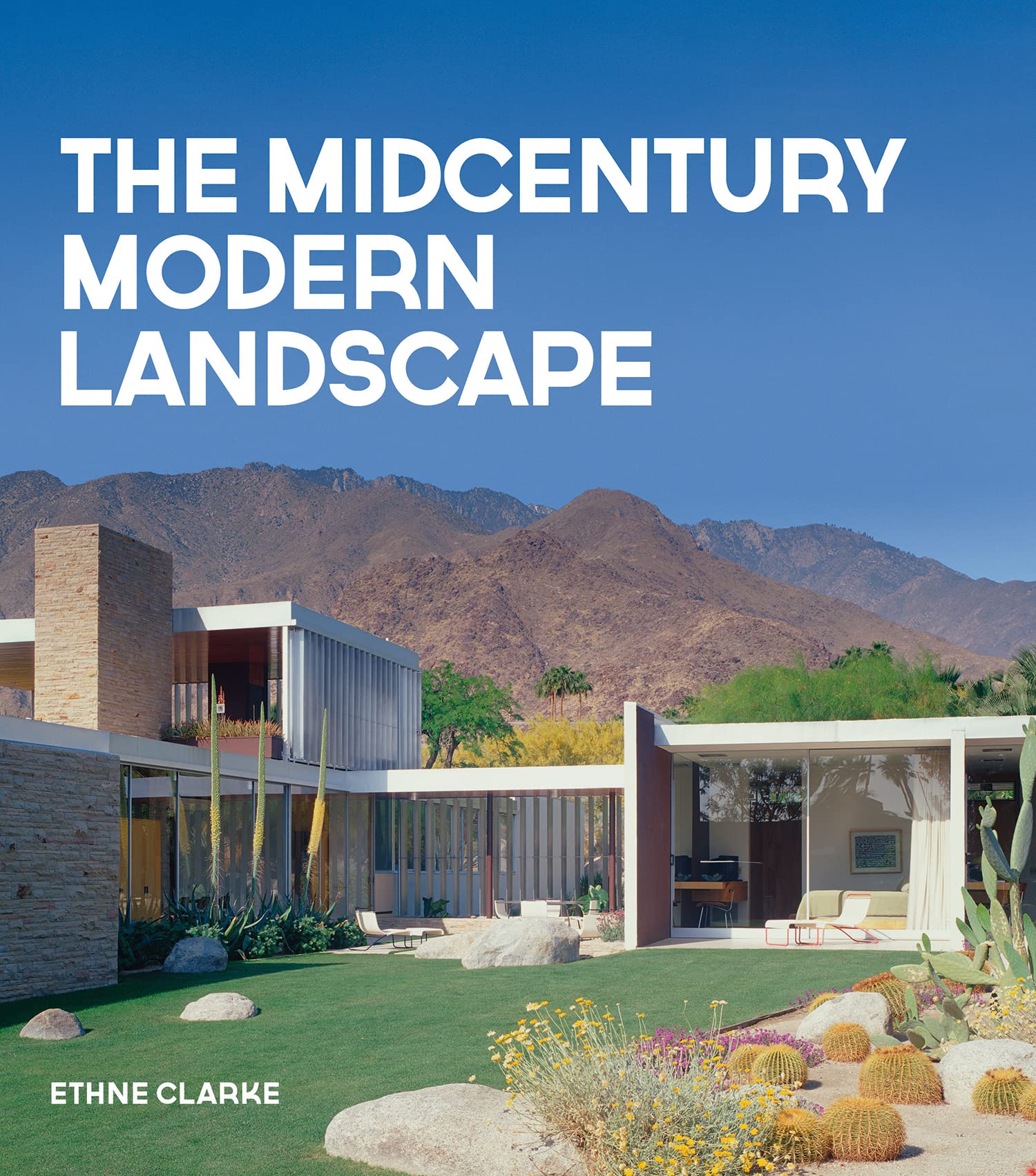
This book is a strong pick for buyers who want clear examples of midcentury landscaping and practical inspiration for period homes.
Pros
- Rich photography shows real examples of midcentury gardens.
- Good mix of history and practical design ideas.
- Covers international examples, not just U.S. houses.
Cons
- Less useful for those in very different climates.
- Not the most exhaustive title on the subject.
- Some readers may prefer more plant lists or step-by-step plans.
The book balances history and design, so a reader sees why midcentury landscapes look the way they do and how to adapt ideas to a home. Images carry much of the book’s appeal and make it easy to copy compositions and hardscape choices.
Text explains context and intent without getting too technical. It suits someone who wants inspiration and a sense of period style rather than a how-to gardening manual.
They will find international case studies that broaden the usual U.S.-focused view, and the layout favors visual learning. For owners of midcentury houses, it offers practical cues and historical background in a compact package.
Call It Home

This book is a strong pick for mid century modern homes because it highlights small, stylish details that make rooms feel warm and finished.
Pros
- Beautiful, high-quality photography that suits modern decor.
- Compact, sturdy format that works well on coffee tables.
- Practical ideas focused on small, doable changes.
Cons
- Not focused specifically on mid century modern style.
- Some readers may want more technical design guidance.
- Ideas lean toward personal taste rather than strict rules.
The book shows many photographed rooms and close-ups that emphasize textures, color, and small decor pieces. It fits neatly on a coffee table and invites guests to flip through without needing long attention.
It speaks to people who like subtle styling rather than bold, era-specific design. The advice centers on everyday touches—lighting, textiles, and small accents—that complement mid century furniture.
Readers will find inspiration and practical tips to make spaces feel lived-in and curated. The tone stays approachable, with images that double as decor and idea starters.
Modernist Icons

It is a strong choice for buyers who want a large, photo-driven coffee table book that highlights midcentury homes and interiors.
Pros
- Large, high-quality photos that suit display.
- Wide range of iconic midcentury houses.
- Solid collectible feel for design fans.
Cons
- Very heavy and thick pages can be hard to turn.
- Some found the binding or finish below expectations.
- Text can feel generic compared with the photography.
The book focuses on striking full‑page images and well‑known modernist homes, so it reads more like a visual tour than a deep academic text. The layout emphasizes photography, which makes it easy to flip through during a casual visit.
Readers who want a showpiece for a midcentury living room will like how the images pair with iconic furniture and architecture. Those who prefer detailed critical essays or lighter, easy‑handled books should note the weight and dense paper.
Purchase link: Modernist Icons: Midcentury Houses and Interiors
Buying Guide
Choose books that match the room’s scale. Large coffee tables suit big, hardcover books; small tables need thinner volumes. Balance size with visual weight so the stack looks intentional.
Look for strong design and clear photography. Mid century modern favors clean lines, bold shapes, and period imagery. Seek books with high-quality prints and consistent layouts for a cohesive display.
Consider cover material and durability. Hardcover and cloth bindings last longer and look upscale. Dust jackets can add color, while matte covers reduce glare under lamps.
Think about color and palette. Neutral covers blend into a room, while a single bright cover can act as a focal point. Mix warm and cool tones to complement wood and metal finishes.
Check content and focus before buying. Books about furniture, architecture, and graphic design often fit the style. Ensure the scope aligns with the homeowner’s interests to make the book both decorative and readable.
Mind the practical features. Lay-flat binding helps when open; ribbon markers add convenience. Lightweight pages are easier to flip, but heavier paper improves image quality.
Set a budget and mix price points. A few premium volumes plus some affordable finds create variety. Spending more on a standout book can elevate the whole arrangement.
Editor’s picks
They chose three standout books that balance design, photography, and practical inspiration for mid-century modern spaces.
- Bold choice: Mid-Century Modern: Interiors, Furniture, Design — rich photos and clear captions. It shows iconic furniture and room layouts that readers can copy.
- Practical favorite: The Midcentury Home — short essays and renovation tips. It helps readers adapt originals for today.
- Coffee-table showpiece: Palm Springs Modern — glossy spreads and strong color. It works as a visual centerpiece on a living-room table.
| Book | Why it fits mid-century homes |
|---|---|
| Mid-Century Modern | Clear design history, useful for collectors |
| The Midcentury Home | Renovation advice, real-world photos |
| Palm Springs Modern | Eye-catching images, good for display |
They recommend mixing one informative book with one visual showpiece. One book should teach; another should spark design ideas at a glance.
They suggest placing the stack near seating or on a console to invite browsing. Rotate the top book seasonally to keep the display fresh.
Frequently asked questions
What size coffee table book works best for mid-century modern rooms?
They often pick medium to large books (9–12 inches wide). These sizes balance scale with typical low-profile MCM furniture.
How should someone choose a book by cover and content?
Choose covers with clean lines and simple palettes to match the style. Inside, look for strong photography, clear layouts, and subjects like design, architecture, or vintage lifestyle.
Can coffee table books damage a mid-century wood table?
They can if left in one spot with moisture or heat. Use coasters, felt pads, or place the book on a tray to protect finishes.
How many books should someone display at once?
One to three books stacked or fanned looks tidy and intentional. Too many books can clutter the low, minimalist look typical of the era.
Are there functional uses for coffee table books beyond decor?
Yes. They serve as conversation starters, reference material, and impromptu serving surfaces when placed on a tray. They can also anchor vases or small sculptures.
Where should someone store extra books?
Store extras on a nearby shelf or credenza to keep the coffee table simple. Rotating books by season or mood keeps the display fresh.
Conclusion
They can pick books that match the room’s lines, colors, and materials to make the space feel balanced. A few well-chosen volumes add warmth and show attention to design without clutter.
Focus on mix and scale. Pair large-format design books with smaller photography or art titles to create visual interest on a low table. Stacking two or three books keeps the look tidy and easy to change.
Choose covers and spines that echo mid-century tones—muted wood, brass, and jewel hues work well. Textures matter too; matte and linen covers feel more authentic than glossy ones.
Practical details help maintain the style. Use a tray to group books and small objects, and leave space for a drink or a plant. Rotate books seasonally to keep the display fresh.
They will find that a few purposeful choices turn a coffee table into a focal point. Good books reflect the home’s era and the owner’s taste.