10 Best Coffee Table Books for Maximalist Interiors — Curated Picks for Bold, Layered Spaces

Coffee table books add color, pattern, and personality to maximalist interiors. They serve as art pieces and conversation starters, filling shelves and tabletops with bold imagery, rich textures, and big ideas. For people who love layered, crowded spaces, the right book can pull a room together or introduce a striking contrast.
Maximalist coffee table books should offer strong visuals, durable covers, and varied sizes to stack or display upright. Pay attention to paper quality, cover finish, and the scale of images—large-format photography reads better from across a room, while smaller books work well in stacks. Choose books with vivid imagery and sturdy bindings so they withstand handling and still look striking in a busy space. This list and guide will help readers find books that suit scale, style, and durability.
10 Best Coffee Table Books for Maximalist Interiors
They chose bold, colorful books that add texture and visual interest to busy rooms. This list highlights large-format, image-rich titles that pair well with layered patterns, mixed materials, and dramatic decor.
The Maximalist
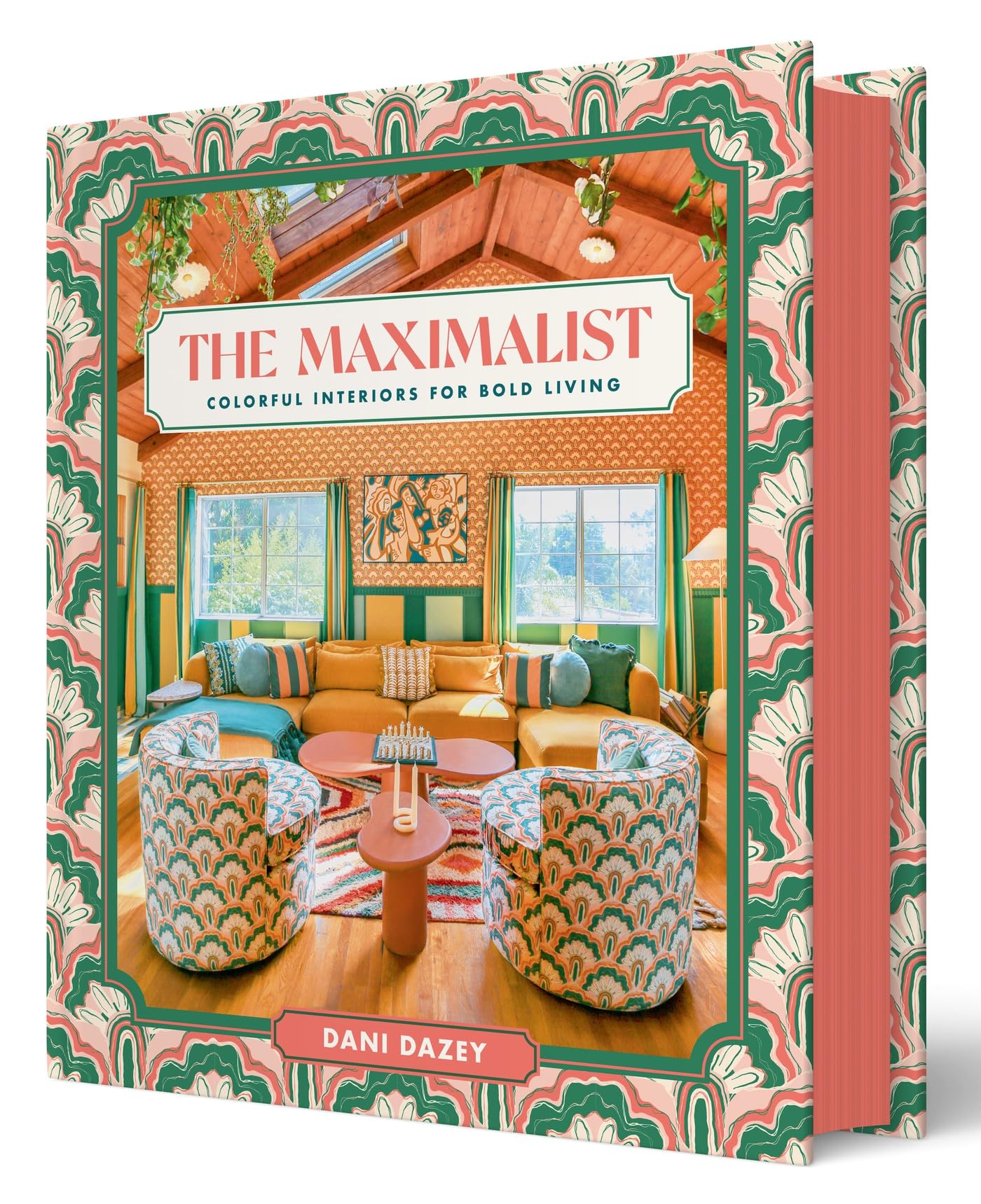
This book is a strong pick for buyers who want bold, colorful coffee table books that double as design inspiration.
Pros
- Bright, saturated photography that supports maximalist styles.
- Sturdy, heavyweight format that works well on a coffee table.
- Plenty of visual ideas for mixing patterns and color.
Cons
- Shorter text content if a reader expects deep essays.
- A few buyers note content choices that may not match every taste.
- Larger size may crowd small tables.
The book shows vivid room scenes and playful palettes that fit maximalist interiors. It focuses on joyful color, pattern, and confident layering, which makes it useful for quick visual inspiration.
Photographs dominate the layout, so readers who want more narrative or history might find it light on text. The production quality looks solid, so it feels substantial when stacked or displayed.
This title suits anyone who wants a lively, image-driven coffee table book for a maximalist living room. Find it here: The Maximalist: Colorful Interiors for Bold Living.
More is More
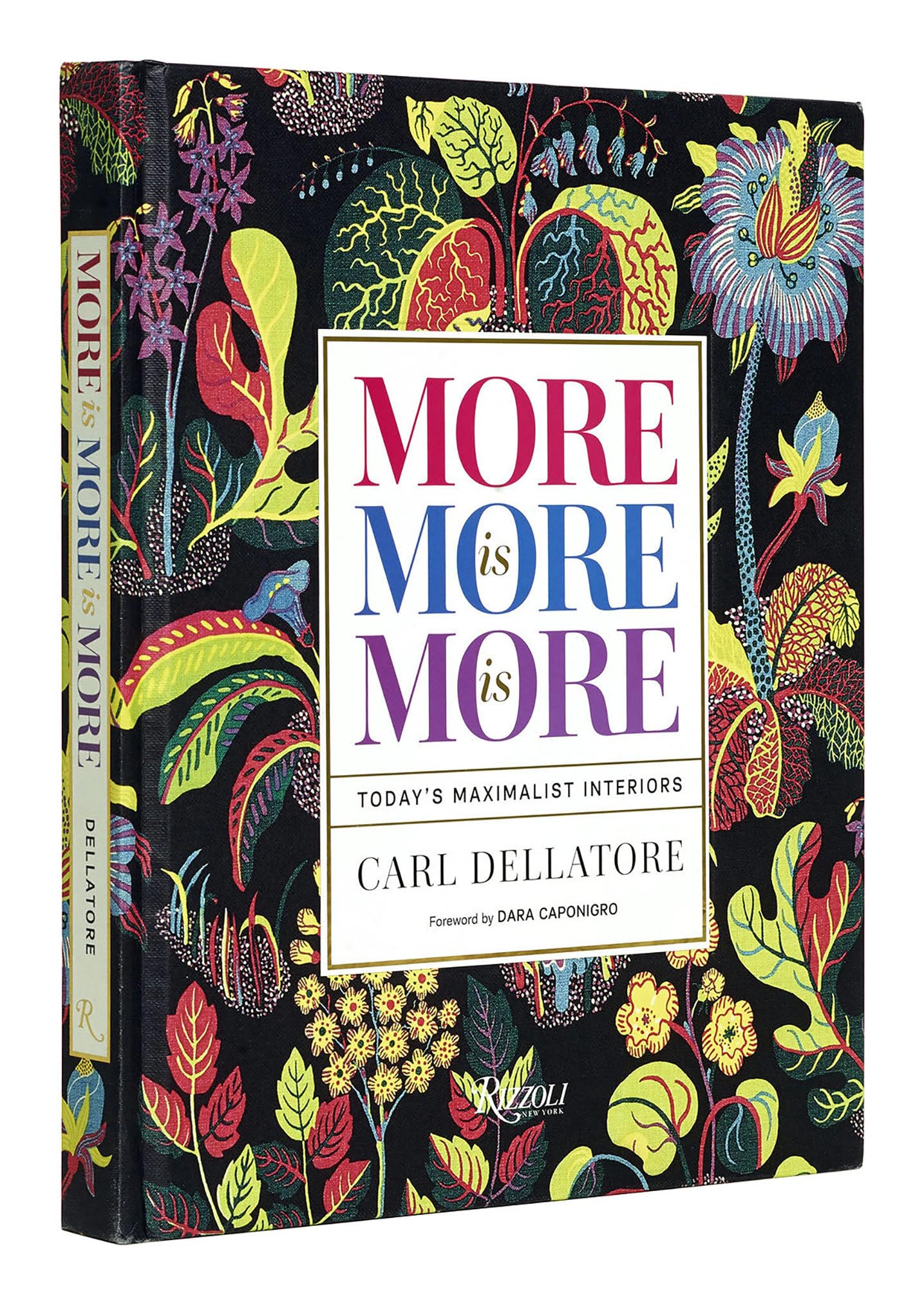
It is a strong pick for readers who want bold, colorful coffee table books that celebrate maximalist interiors.
Pros
- Lush, high-impact photography that grabs attention.
- Wide range of colorful, pattern-rich rooms for styling ideas.
- Sturdy, oversized format that reads like a design object.
Cons
- Visual overload for readers who prefer calm or minimal looks.
- Big and heavy, so it takes space on small tables.
- Limited text depth for readers seeking detailed how-to guidance.
The book offers a vivid parade of rooms filled with color, pattern, and layered decor. Each spread acts like a quick hit of inspiration for maximalist styling and bold displays.
Design lovers will find many page-turning images that work well as visual cues for coffee table styling or shelf displays. The large format and glossy photos make it feel decorative on its own.
Some readers might want more practical tips or step-by-step ideas. Those who favor quiet, simple spaces may find the volume too busy, but for maximalists it serves as a joyful, image-first reference.
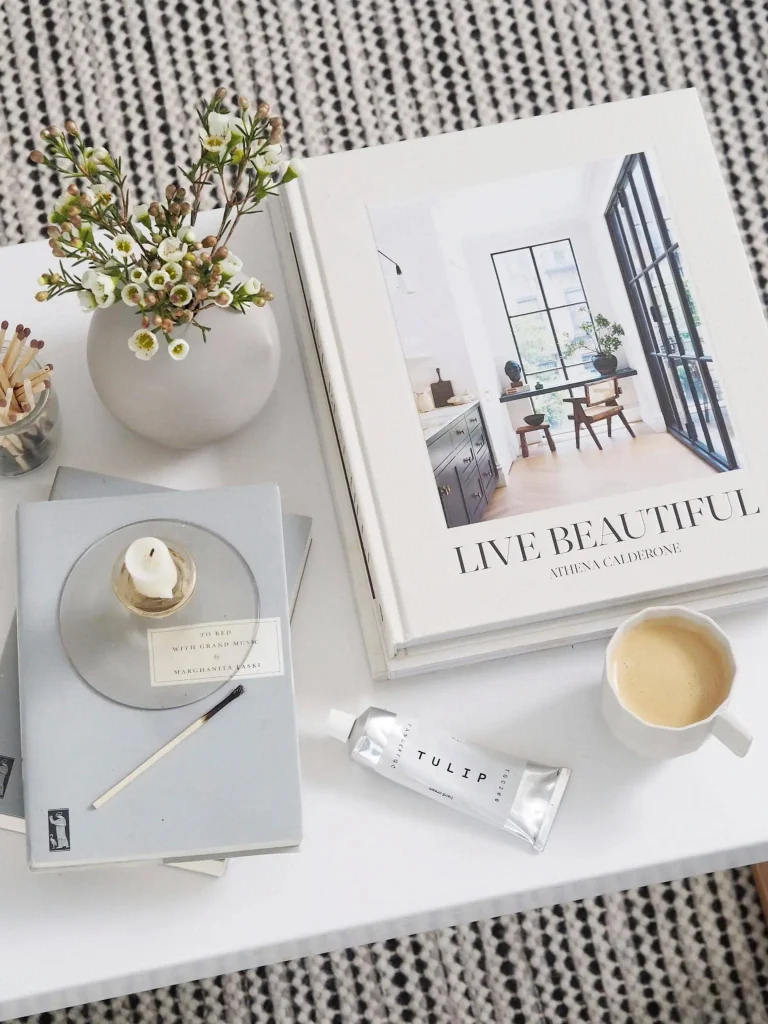
Live Beautiful

It is a strong choice for a maximalist coffee table because it pairs bold photography with useful design notes that add visual weight and personality.
Pros
- Rich, high-impact photography that suits layered interiors
- Practical styling tips and sources included
- Attractive cover and size for stacking or display
Cons
- Some buyers report damaged corners from shipping
- Not a deep technical design manual
- Heavier than thin coffee books, so it adds bulk
Live Beautiful fills a space between pretty picture books and practical guides. The images bring color and pattern that work well alongside other objets and layered surfaces.
The book offers short essays and captions that explain Athena Calderone’s style choices. These bits make it feel useful to someone building a maximalist look without being overly technical.
Its physical size and illustrated pages give a strong shelf presence. Buyers should expect a sturdy, decorative volume that also delivers quick, usable design ideas.
Buy on Amazon: Live Beautiful
Living to the Max
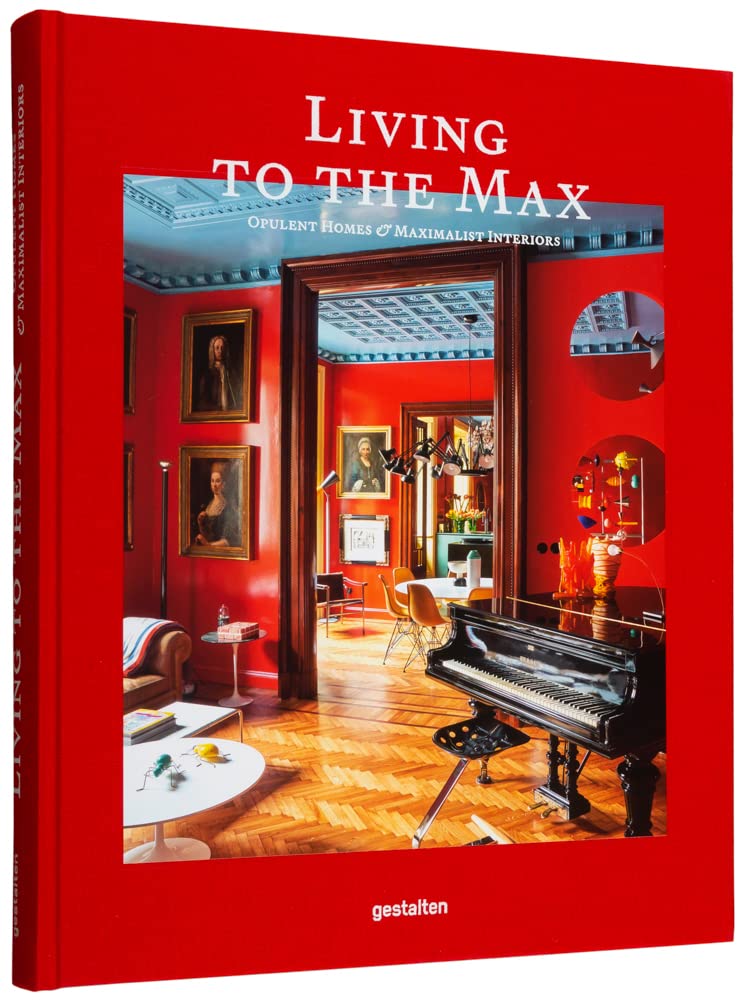
It is worth buying for readers who want bold, richly photographed ideas to inspire maximalist room design.
Pros
- Lush, colorful photography that shows strong maximalist examples.
- Thick, high-quality paper and a durable fabric-bound cover.
- Good mix of rooms and styling to spark creative decorating ideas.
Cons
- Higher price may feel steep for some buyers.
- Very busy images may overwhelm someone who prefers subtle design.
- Not a step-by-step decorating guide — more visual inspiration than instruction.
The book presents vivid, layered interiors that highlight pattern, texture, and color. It focuses on dramatic styling rather than minimal or neutral looks.
Readers will find large, full-color photos across heavy paper that make the images pop on a coffee table. The binding and cover feel premium and suit a decorative display.
This volume works best for people who enjoy visual stimulation and want strong examples to copy or remix. It may be less helpful for those who need clear instruction or budget-friendly tips.
Ralph Lauren: A Way of Living

This book is a strong pick for maximalist interiors because it offers a large, image-driven survey of Ralph Lauren’s layered, luxurious style.
Pros
- Heavy, substantial volume that feels like a true coffee table statement.
- Lots of full-page photography showing layered rooms and rich textiles.
- Covers multiple style directions useful for eclectic maximalist schemes.
Cons
- Large size and weight can make it awkward to handle or display.
- Some images may look low-resolution to readers who expect ultra-crisp photos.
- Text can feel secondary to the imagery for those who want deeper analysis.
The book serves as a visual catalog of Ralph Lauren’s home work, with wide shots of rooms, close-ups of fabrics, and stylistic mood pieces. It favors a classic, American-luxe look that fits maximalist spaces that mix pattern, color, and antiques.
Readers will find inspiration for layered upholstery, patterned rugs, and curated objet collections. The volume’s heft and glossy pages make it a focal point on a coffee table and invite guests to flip through.
Some buyers note the photos don’t always meet modern high-resolution standards, and the book’s weight limits easy handling. Still, it works well as a decorative anchor and a reliable source of styling ideas for maximalist interiors.
Buy Ralph Lauren: A Way of Living
Design Reimagined
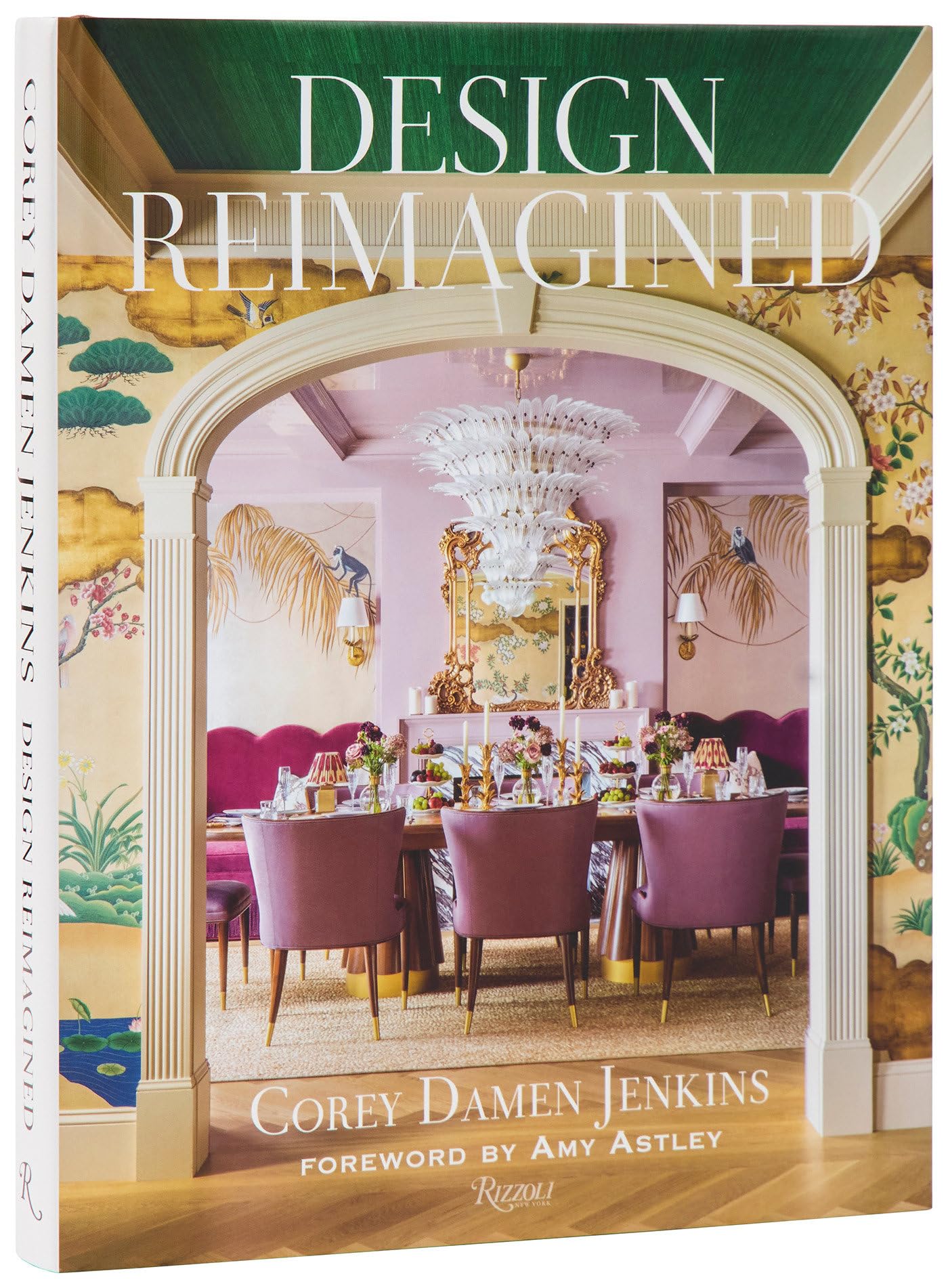
This book is worth buying if someone wants bold, layered visuals and fresh color ideas for a maximalist coffee table.
Pros
- Rich, punchy photography that grabs attention.
- Strong mix of pattern, color, and layered styling for inspiration.
- High-quality production that sits well on a display table.
Cons
- Heavy and large, so it may take up more table space.
- Focused on a specific style that might not suit minimal tastes.
- Limited text for readers who want deep how-to guidance.
The photos in this book lean into color and pattern, so it reads like a visual gallery. They work well for someone who wants a statement piece that sparks conversation.
Design projects show layered textiles, strong murals, and bold furniture choices. The book feels like a toolkit for mood and color rather than step-by-step instructions.
Its size and weight make it an obvious centerpiece. Someone seeking a dramatic, colorful coffee table book will find this one useful and beautiful.
The Finer Things

It is worth buying for those who want a photo-rich guide to classic materials and details that suit maximalist tables and layered rooms.
Pros
- Rich, large-format photography that adds visual impact.
- Broad coverage of furniture, textiles, and finishing details.
- Heavy, substantial book that reads like a design reference.
Cons
- Photo quality varies between spreads.
- Large size and weight may feel bulky on small tables.
- Not a step-by-step how-to manual for beginners.
This book collects many high-end interiors and close-ups that work well in bold, layered spaces. The images and essays give clear examples of textures, trims, and finishes to copy or adapt.
Readers get a mix of inspiration and context rather than quick DIY tips. The layout favors visual storytelling, letting readers flip to any page and find ideas for color, pattern, or furniture mix.
It makes a strong visual statement on a coffee table while also serving as a reference for decorating decisions. Buyers who prize polish and classic taste will appreciate its depth; those who want uniform photo quality or light reading might feel mixed.
MXM: Maximalist Interiors
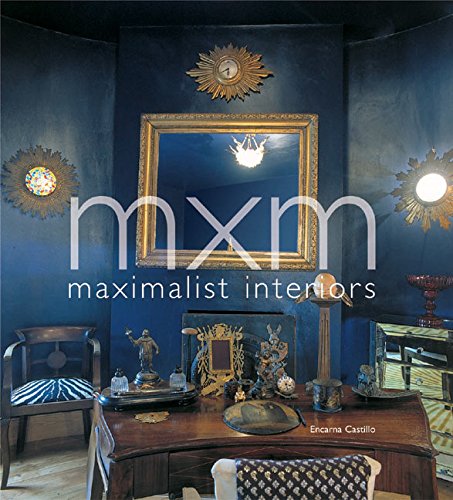
This book is worth buying if a reader wants bold, art-driven inspiration rather than step-by-step decorating instructions.
Pros
- Strong visual inspiration for maximalist style
- Focus on artistic and eclectic interiors
- Compact size makes it easy to browse
Cons
- Not a practical how-to or DIY guide
- Smaller page count limits depth
- Some may find the approach too eclectic
MXM: Maximalist Interiors shows vivid, creative rooms that favor color, pattern, and texture. It leans into artistic choices and visual drama, so readers get mood and ideas more than technical advice.
The book’s pages present mixes of vintage pieces, layered textiles, and ornate details that suit a maximalist eye. Photographs aim to spark imagination instead of offering step-by-step plans.
Buyers who want mood boards and bold visuals will enjoy this volume. Those seeking detailed instructions or budgets may want a different title.
Feels Like Home

This book is worth buying for maximalist interiors if someone wants warm, lived-in styling and lots of photo-driven ideas.
Pros
- Lots of high-quality photos that show layered, cozy rooms.
- Practical tips for making spaces feel personal and relaxed.
- Size and weight make it feel substantial on a coffee table.
Cons
- Some images repeat from the author’s earlier books.
- Not a pure maximalist manual—leans toward relaxed, quieter layering.
- Can arrive with minor cosmetic damage from shipping.
Feels Like Home focuses on warm, collected rooms rather than bold, over-the-top maximalism. It shows how to mix patterns, textiles, and found objects so spaces read as full but calm.
The photos make it easy to pin ideas: color mixes, vignettes, and lived-in surfaces translate well to a maximalist palette when someone layers more pieces. The author’s voice comes through as approachable and practical.
Buy this if someone wants inspiration for dense, personal styling that still reads as inviting and lived-in rather than chaotic.
This is Home
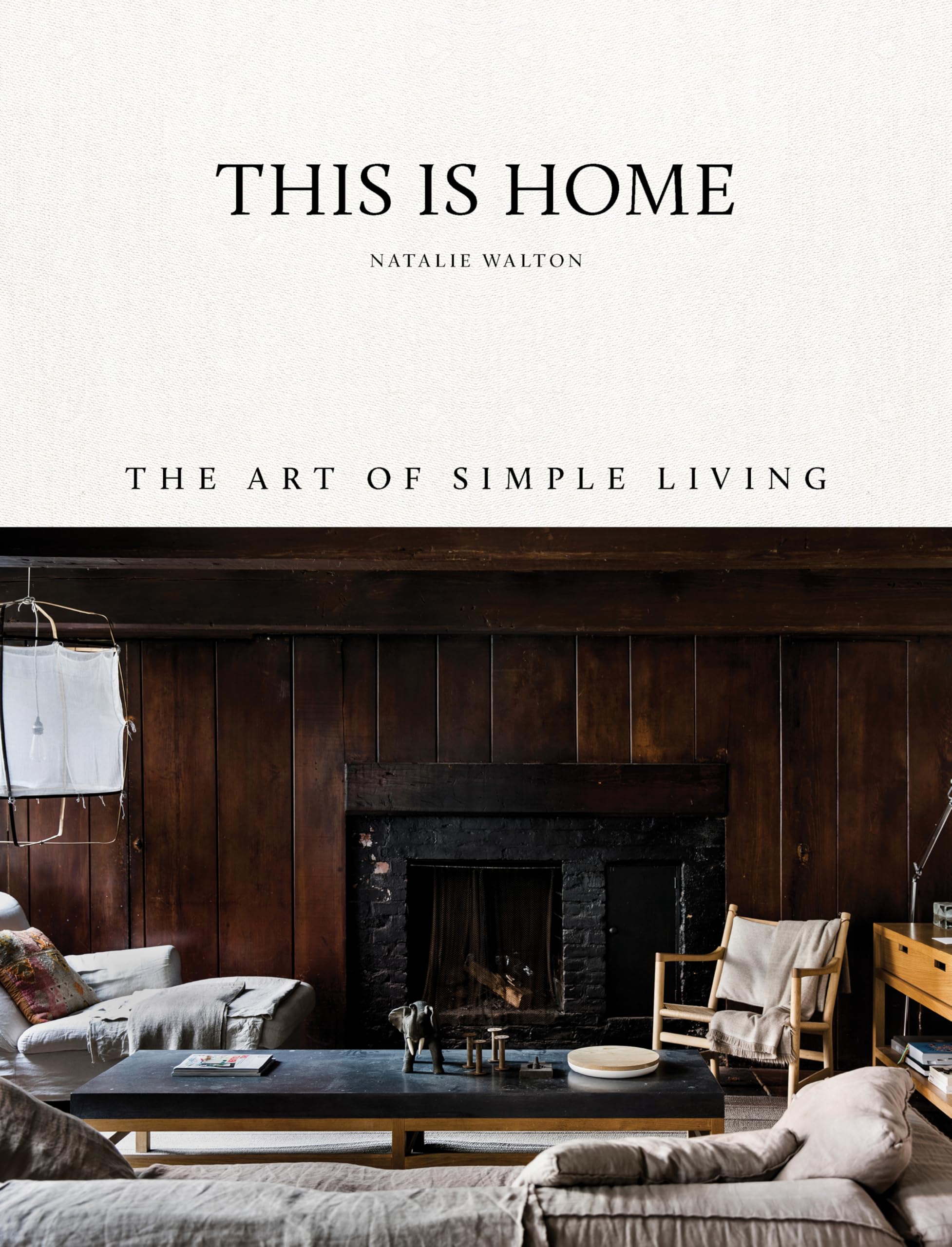
This book is worth buying for anyone who wants calm, well-photographed ideas that fit layered, colorful maximalist rooms when balanced with neutrals.
Pros
- Beautiful, calming photography that mixes color and texture.
- A compact size that works well on crowded coffee tables.
- Affordable compared to many design books.
Cons
- Focus leans toward simple, pared-back rooms rather than full maximalist chaos.
- Some copies may arrive with minor scuffs in transit.
- Not a how-to manual for bold, over-the-top styling.
The photos feel peaceful and very curated, which helps when a maximalist room needs visual breathing space. It shows ways to combine pattern and color without feeling loud, so it can act as a counterpoint in a busy interior.
Text is short and readable, so readers can flip through in minutes and still get fresh ideas. The 240 pages contain clear layouts and a steady design voice that favors personal, lived-in looks over strict rules.
For shoppers who want a pretty, useful coffee table book that eases a room rather than competes with it, this makes a sensible pick. Find it here: This is Home: The Art of Simple Living.
Buying Guide
When choosing a coffee table book for a maximalist interior, they should look at size first. Bigger books make a strong visual impact, so choose dimensions that fill the table without crowding it.
They should check the cover and binding next. A sturdy hardcover lasts longer and a textured or glossy cover adds visual interest. Consider whether the cover design complements the room’s colors and patterns.
They should read about the content and images. Bold, high-contrast photography and dense visuals work well for maximalist spaces. Books with varied layouts—full-bleed photos, typographic pages, and mixed media—keep a display lively.
They should consider color palette and themes. Pick hues that echo the room’s dominant tones or add a striking contrast. The theme should match the homeowner’s interests to make the book feel personal.
They should think about material quality and paper weight. Heavier paper feels luxurious and holds color better. Acid-free paper and strong glue or sewn binding increase longevity.
They should plan how to style the book. Use stacks, single oversized volumes, or groupings with decorative objects. Vary heights and textures to maintain a rich, layered look.
They should set a budget and balance cost with quality. Higher price can mean better materials, but smart choices can still achieve impact on a modest budget.
Quick Checklist
| Feature | Why it matters |
|---|---|
| Size | Creates presence on the table |
| Cover & binding | Durability and tactile appeal |
| Image style | Matches maximalist energy |
| Color/theme | Coordinates with the room |
| Paper quality | Longevity and print fidelity |
| Styling potential | Versatility in displays |
Editor’s pick
They chose five books that work well in maximalist rooms. Each book adds color, pattern, or storytelling without crowding the space.
- Pattern Play — Bright prints and bold layouts. It boosts visual energy on a shelf or table.
- Living with Layers — Textures and textiles photographed up close. It invites touch and adds warmth.
- Art of Excess — Large-scale images and dramatic compositions. It makes a strong focal point.
- Curated Clutter — Essays and photos about collected objects. It models how to arrange many items tastefully.
- Color Atlas — Organized by hue, with swatches and room shots. It helps coordinate a loud palette.
| Book | Why it works | Best spot |
|---|---|---|
| Pattern Play | Graphic designs, bold colors | Center of coffee table |
| Living with Layers | Textile focus, soft textures | Next to a vase or tray |
| Art of Excess | Big photos, bold scale | Under a decorative object |
| Curated Clutter | Styling tips, small scenes | Stacked with smaller books |
| Color Atlas | Color guides, room examples | Open to a chosen palette |
They recommend pairing one large, eye-catching book with one or two smaller titles. Stack the big one flat and place a sculptural object on top to anchor the display.
Rotate pages to show different images. It keeps the table fresh and complements changing decor.
Frequently asked questions
What makes a coffee table book good for a maximalist interior?
They look bold, have rich visuals, and use strong colors or patterns. A good book also has a thick spine, large format, and high-quality paper to match the room’s lavish feel.
How many books should sit on a table?
It depends on table size and balance. Two to five stacked or grouped works well; mix heights and sizes to create visual interest without clutter.
Should content match the room’s theme?
Matching helps, but contrast can be striking. Books about fashion, art, interiors, travel, and design often suit maximalist spaces.
How to arrange books with other decor?
Layer books under objects, place them next to flowers or sculptures, or stack them as risers for small pieces. Keep one focal stack and scatter smaller books nearby.
Are expensive books necessary?
No. Look for books with strong visuals and good printing. Affordable finds can work when mixed with one or two higher-end pieces.
How to care for coffee table books?
Keep them away from direct sunlight and moisture. Wipe dust gently and rotate the display occasionally to prevent wear on spines or covers.
Conclusion
Maximalist interiors invite bold choices, and coffee table books act as easy anchors for that style. They bring color, texture, and personality without needing a major redesign.
Choose books that match the room’s palette, scale, and mood. Large, glossy volumes suit dramatic spaces; small, patterned books add rhythm on stacked displays.
Mix genres and formats for visual interest. Pair art monographs with design guides, photography books with vintage catalogs, and a sculptural stack with a single bright object on top.
Use books to tell a story about the space and its people. Rotate covers by season or mood to keep the room feeling fresh and intentional.
Think of books as part of the decor, not just reading material. When placed with purpose, they make maximalist rooms feel curated rather than cluttered.