10 Best Coffee Table Books for Modern Organic Decor: Curated Picks for Natural, Minimalist Living

Coffee table books add shape, color, and calm to modern organic decor. They bring natural textures, plant photography, and simple design ideas into living spaces without crowding the room. These books work as art objects and conversation pieces while reflecting a home’s earthy, pared-back style.
Buyers should focus on size, cover material, and image style. Large, lay-flat books with matte or linen covers read as more natural; smaller, glossy volumes can feel less organic. Choose books with authentic photography, neutral palettes, and tactile covers that match your sofa and lighting to keep the look calm and cohesive. This guide points to the best picks and what to check before adding one to a shelf or coffee table.
10 Best Coffee Table Books for Modern Organic Decor
Below is a curated list of top coffee table books that fit modern organic decor. It highlights titles with natural textures, earthy colors, and calm imagery to help them blend with plants, wood, and neutral palettes.
Travertine Wave Bookends (Creative Co-Op)
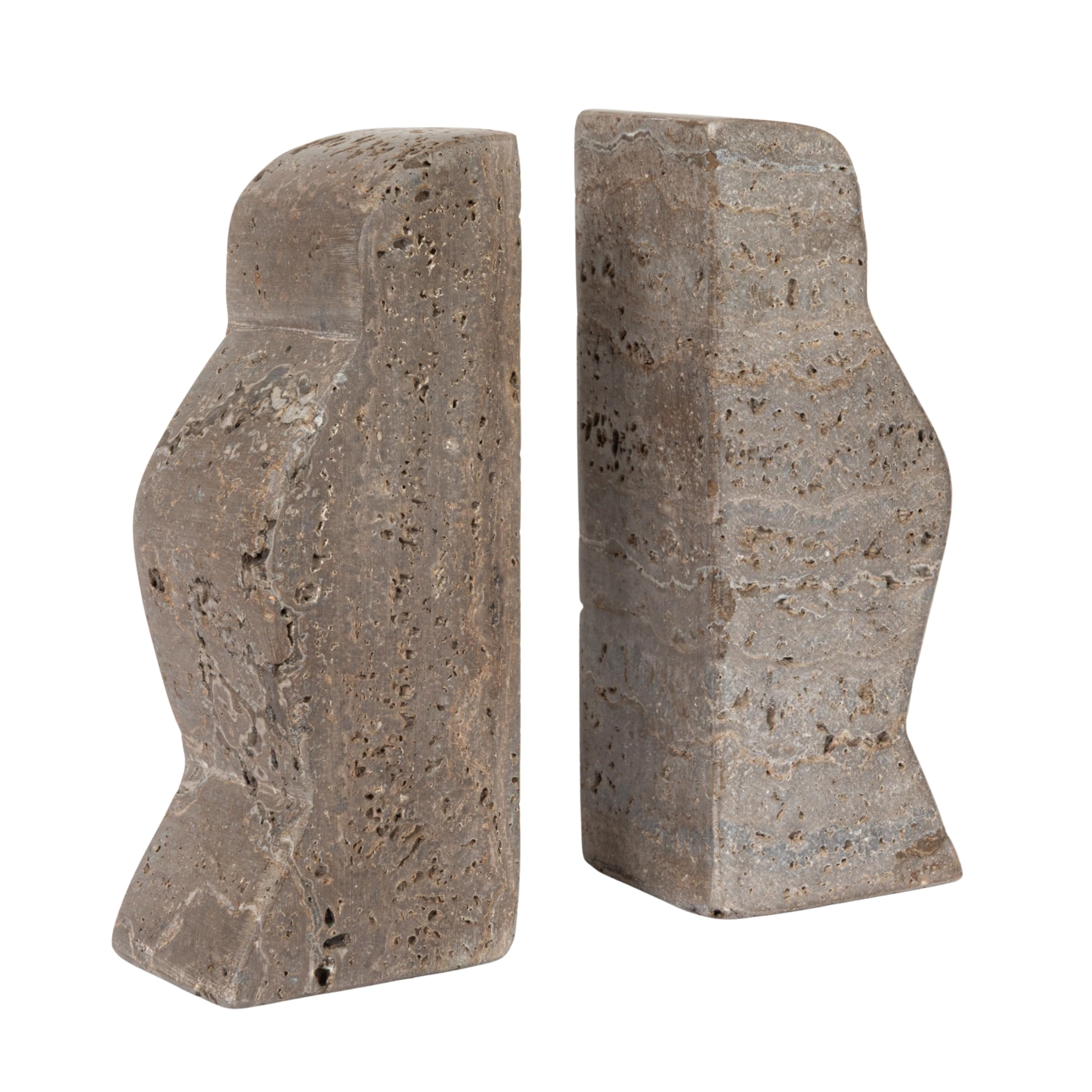
It is a good pick for someone who wants sturdy, natural stone bookends that suit organic modern decor.
Pros
- Natural stone look that fits organic modern spaces
- Heavy and stable for holding books
- Each piece is slightly different, giving a unique touch
Cons
- Small size may not suit tall or large book stacks
- Natural material means color and texture vary
- Stone can chip if handled roughly
These travertine wave bookends pair form and function. They bring a calm, earthy feel with a simple wave shape that reads modern and organic.
They work well on coffee tables, low shelves, or a slim console where smaller books or magazines sit. The weight helps keep books upright, but buyers should measure first to make sure the height fits their collection.
Each set looks a bit different because travertine varies. That adds charm for some buyers and can feel inconsistent for others.
AD at 100

It earns a recommendation for readers who want a large, high-quality coffee table book that doubles as a visual archive of modern and classic interiors.
Pros
- Rich, high-resolution photography that suits modern organic decor.
- Sturdy, well-made volume that feels like a design object.
- Broad historical scope for long-term inspiration.
Cons
- Large and heavy, so it may not suit very small tables.
- Price can vary; some may find it costly.
- Occasional delivery or condition issues reported.
This book offers a wide sweep of iconic interiors and designer work that pairs well with natural textures and muted color schemes. It gives a curated view of rooms and objects that fit a modern organic look without relying on trendy gimmicks.
The oversized pages and careful printing make images feel detailed and tactile. Placed on a low wood table or among ceramic objects, it can anchor a calm, lived-in aesthetic.
Some buyers note the weight and size can be unwieldy for tiny spaces, and online prices jump around. Despite that, it remains a solid pick for anyone assembling a design-forward, natural-feel living room.
Live Beautiful

This book is a strong pick for buyers who want a stylish, photo-forward coffee table book that fits modern organic decor.
Pros
- Elegant photography that complements neutral, natural palettes
- Mixes inspiration with practical design advice
- Good size and weight for stacking or display
Cons
- Occasional shipping damage reported to corners and edges
- Not a heavy technical design manual
- Some readers may prefer more diverse room styles
Live Beautiful showcases warm, lived-in rooms with natural textures, muted colors, and layered styling. The images and layouts lean into organic shapes, wood tones, and soft greens that suit modern organic interiors.
The text offers clear design tips and sources without getting overly technical, so it reads well for casual decorators and design fans. Its illustrated format makes it useful as both inspiration and a decor object.
Buyers should note recurring comments about damaged corners in shipment; careful packaging or buying from a seller with good returns may help. Overall, it makes an attractive, on-trend addition to a coffee table stack.
Ralph Lauren: A Way of Living

It is a strong pick for modern organic decor fans who want classic, textured styling and plenty of photographic inspiration.
Pros
- Rich photography and styling ideas that suit warm, natural interiors
- Large format feels substantial on a coffee table
- Wide range of rooms and motifs to spark decorating choices
Cons
- Heavy and bulky to handle or move frequently
- Some images may feel formal rather than fully organic or minimalist
- A few readers noted uneven photo quality in places
This book shows Ralph Lauren’s layered, lived-in approach to interiors. It leans into natural tones, wood, leather, and tactile textiles that pair well with modern organic schemes.
The layout offers room vignettes and thematic sections that help readers imagine how materials and shapes work together. It can serve as a visual guide for mixing warmth and simplicity without feeling cold.
Because the volume is large and glossy, it reads like a design archive rather than a quick lookbook. It works best on a table where viewers can flip through and soak up details slowly.
Buy it if a classic, textured aesthetic fits the room and the reader wants a heavyweight, image-driven reference: Ralph Lauren: A Way of Living.
The Layered Home
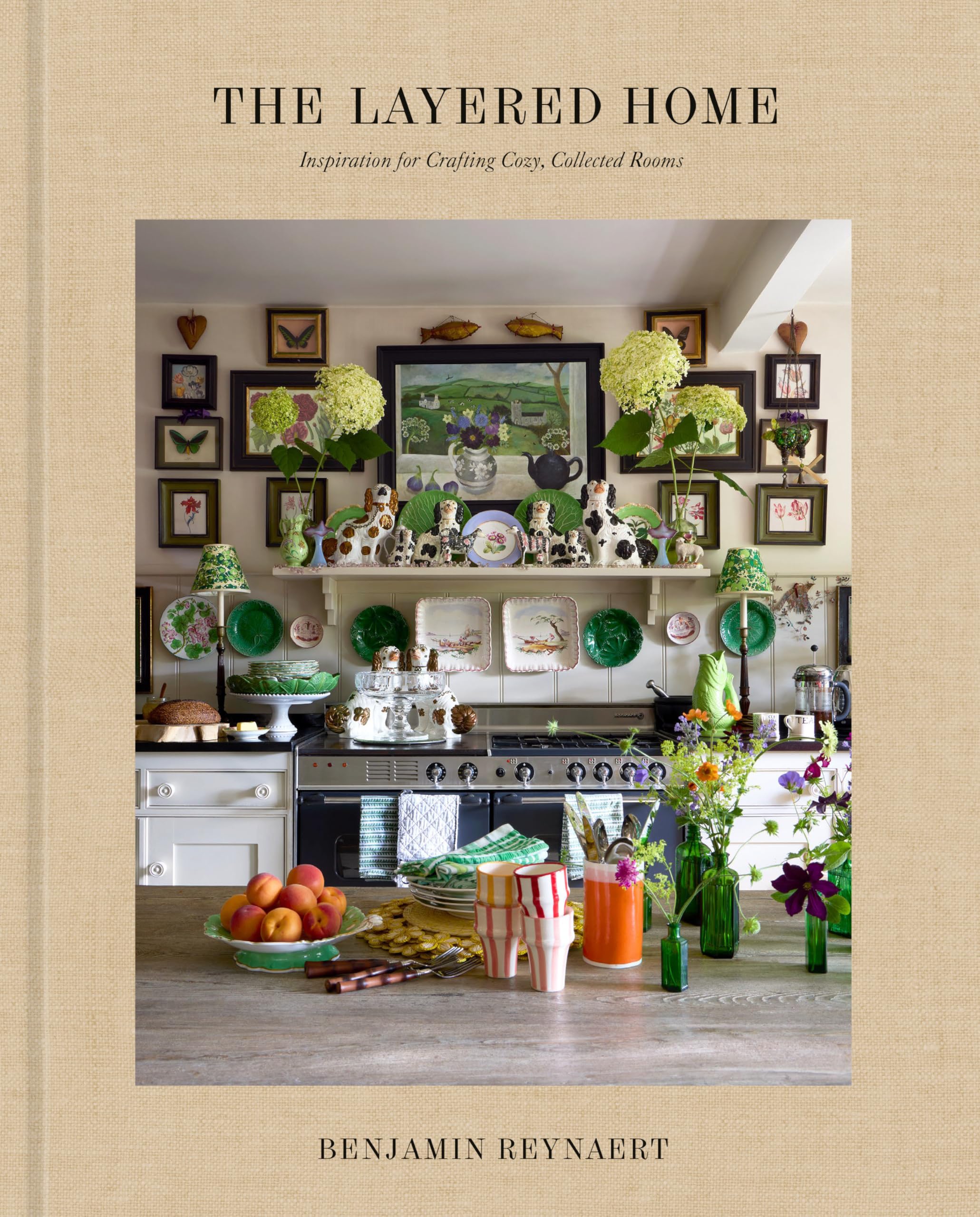
This book is a strong pick for buyers who want warm, collected styling ideas that suit modern organic decor because it focuses on real homes and layered, lived-in looks.
Pros
- Rich photography that shows real, eclectic collections.
- Practical tips for arranging personal objects in a cozy way.
- Feels warm and approachable rather than overly staged.
Cons
- Some images and spreads may feel too busy for minimalists.
- A few readers reported content they found inappropriate.
- Larger format may take extra table space.
The Layered Home emphasizes texture, warmth, and objects that tell a story. It offers many photos of lived-in rooms that blend natural materials with collected pieces, which helps readers imagine organic, modern spaces that still feel personal.
The book leans into abundance and curation rather than strict minimalism. Pages showcase how to mix ceramics, linens, wood, and plants to get a comfortable, natural look. Short essays and captions give simple tips for arranging collections and building layers.
Design lovers who prefer calm, natural palettes with an artisanal touch will find useful inspiration here. Those who want very spare or ultra-modern minimalism might find this style too ornamented. Buyers can view or purchase it on Amazon: The Layered Home.
The Finer Things

It suits buyers who want an elegant, image-rich coffee table book that highlights classic materials and refined details for modern organic interiors.
Pros
- Rich, polished photography that showcases textures and finishes.
- Deep focus on timeless details that pair well with natural decor.
- Large, substantial volume that reads as a design reference and display piece.
Cons
- Photo quality varies, with some images less sharp at large scale.
- Heavier and thicker than typical coffee table books, so it can feel bulky.
- More classic than cutting-edge, so it may not suit ultra-minimal modern tastes.
This book compiles interiors and objects that emphasize craft, texture, and calm palettes. It aims at readers who favor warm woods, woven textiles, and curated details rather than loud trends.
The layout mixes large photography with concise text, which helps readers scan images quickly or linger on specific ideas. Pages feel substantial, so the book reads like a long reference rather than a quick flip-through.
Its scale and finish make it an obvious display piece on a sofa table or shelf, adding a curated look to organic modern rooms. Buyers who want the slickest, most contemporary minimalism might find the tone more traditional than expected.
Oasis

It is worth buying for readers who want calm, sunlit interiors and desert-inspired materials that fit modern organic decor.
Pros
- Strong visual focus on warm, natural tones and textures.
- Mix of interiors and architecture for design inspiration.
- High-quality photography and sturdy hardcover presentation.
Cons
- Emphasis on desert locations may limit variety for some tastes.
- Shorter write-ups leave some projects wanting more detail.
- Bigger size and weight make it less portable.
The book shows homes that use stone, wood, clay, and woven materials in simple, modern layouts. Photos highlight light, shadows, and earthy color palettes that pair well with organic plants and natural textiles.
Text passages give context about builders and design choices without heavy technical language. Readers who prefer room-focused styling over deep architectural theory will find useful ideas.
Oasis works as a visual anchor on a coffee table for modern organic interiors, adding warmth and a calm, curated look.
Olive Ampersand

It is a simple, linen-style decor book that suits modern organic tablescapes for a neutral, textured look.
Pros
- Subtle fabric-effect cover suits natural decor.
- Compact size fits small coffee tables.
- Neutral color pairs well with plant accents.
Cons
- Minimal internal layout may offer little reading value.
- Single copy rating limits buyer feedback.
- Not a deep art or design reference.
The cover has a realistic linen texture that adds a tactile, organic feel without competing with other decor items. It works well as a stack base for smaller objects or beside a vase of greenery.
The book’s slim profile keeps a table from feeling cluttered. Someone wanting more visual content or a design guide may find it too spare.
It suits shoppers who want a decorative accent rather than a full coffee table book of essays or photos. Check the product page for current images and buying details: Olive Ampersand.
The Forever Home
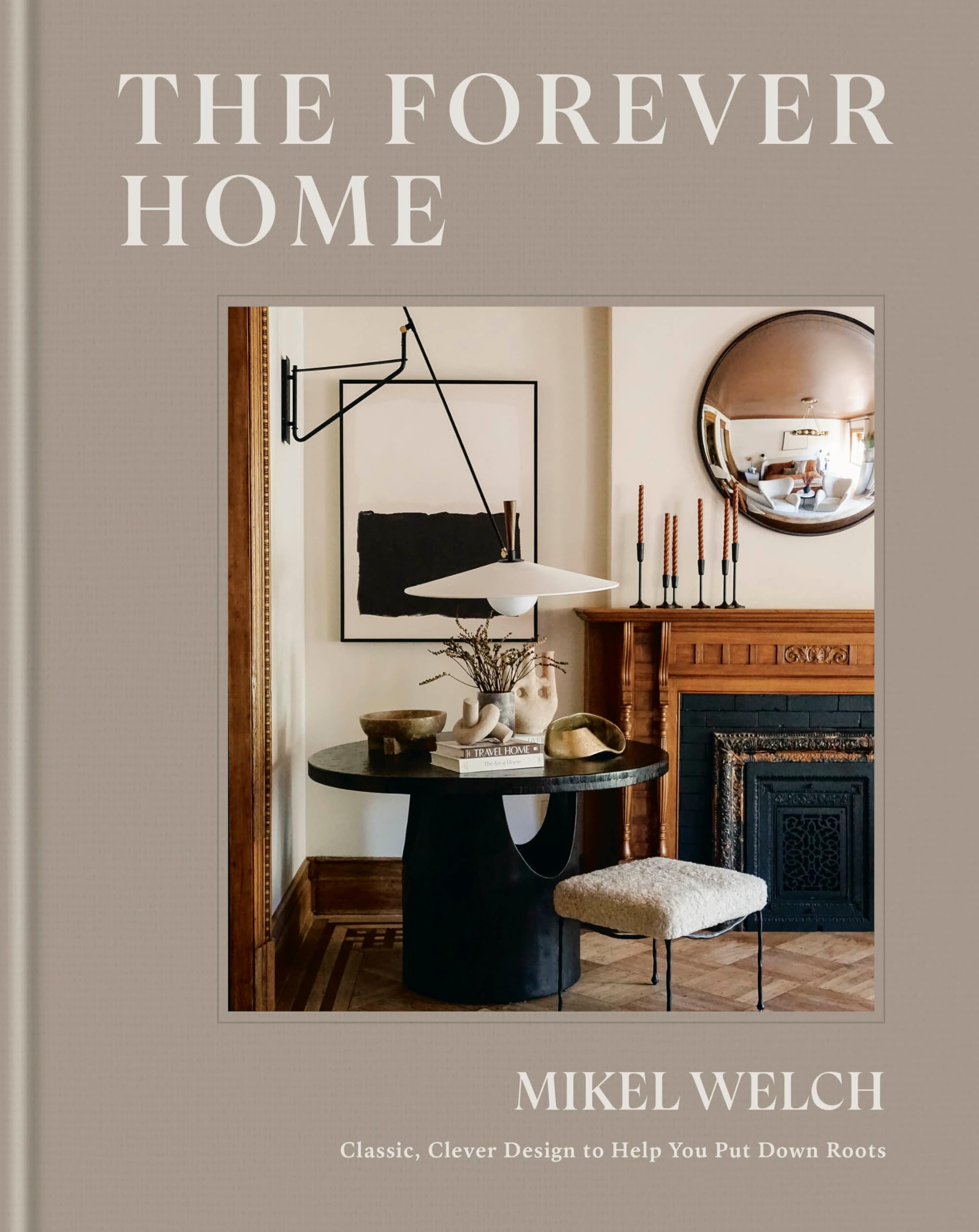
This book is a strong pick for buyers who want polished, timeless images and practical ideas that suit modern organic decor.
Pros
- High-quality photos that fit organic and modern styling.
- Practical design tips readers can adapt.
- Sturdy, substantial book that looks good on a table.
Cons
- Small format may limit large spreads.
- Not focused solely on organic decor.
- Some ideas feel familiar rather than new.
The Forever Home presents clean, calm photography and smart design tips that match a modern organic aesthetic. It leans on classic styling with natural materials, making it easy to mix with plants, wood, and neutral palettes.
Readers will find pages that inspire simple edits and thoughtful arrangements. Short, practical suggestions help translate ideas into real styling choices without heavy jargon.
The book’s weight and glossy finish give it a crafted look for coffee table display. Those seeking strictly botanical or raw minimalism might prefer a title devoted only to organic interiors, but this one still blends well into that look.
Eat Drink Nap

This book suits buyers who want a stylish, cozy coffee table book that blends home photos, simple recipes, and lifestyle ideas.
Pros
- Warm, inviting photography that fits modern organic decor.
- Mix of recipes and styling tips adds practical value.
- Heavy, well-made book that looks substantial on a table.
Cons
- Large and heavy, so it can feel bulky in small spaces.
- Some readers may find the style specific rather than universal.
- Publication is older, so some trends feel dated.
Eat Drink Nap pairs natural textures and layered interiors with bright, relaxed photography that fits organic-modern rooms. The images lean toward lived-in comfort rather than minimalism, which helps the book feel approachable on a coffee table.
The book includes recipes and short lifestyle notes that break up the photos and give guests something to flip through. Its fabric cover and weight make it feel like a deliberate decor piece, not just reading material.
Buyers seeking a neutral, natural look will find this title complements wood, plants, and soft textiles. Those wanting the latest design trends should note the 2014 publication date, but the cozy tone still reads well.
Buying Guide
Choose books that match the room’s scale and color scheme. A larger coffee table calls for bigger, landscape-format books; smaller tables work better with a couple of slim, portrait books stacked. Balance sizes to avoid a cluttered look.
Look for high-quality printing and paper. Thick, matte paper feels natural and fits organic decor better than glossy stock. Clear, well-exposed photography and true-to-life colors help items read well at a glance.
Consider subject matter and mood. Nature, craft, architecture, and simple interiors often blend with modern organic style. Pick themes that echo textures and materials in the room, like wood, stone, or woven fibers.
Pay attention to cover design and binding. Neutral or textured covers with minimal text suit organic spaces best. Lay-flat binding makes books easy to browse and keeps stacks tidy.
Think about durability and use. If the table sees traffic, choose well-bound books that resist wear and spills. Easy-to-clean covers and sturdy boards extend the life of the books.
Budget and collectability matter. A modest budget can still yield beautiful, well-produced titles. For investment pieces, check printing quality and edition information before buying.
Use display strategy to enhance the look. Mix vertical and horizontal placements and add a small object or plant for contrast. Keep groupings simple and let negative space breathe.
Editor’s pick
They chose three books that pair well with modern organic decor: one for texture, one for color, and one for slow living. Each book brings a calm, natural feel and works as both reading material and decor.
- Texture: Wabi-Sabi Home — Soft photography and simple layouts highlight natural materials. It shows how to use wood, linen, and clay in crisp, modern rooms.
- Color: Natural Color — Muted palettes and earthy tones guide color choices without overwhelming a space. It helps readers pick paint, textiles, and accents that feel rooted and fresh.
- Slow living: The Kinfolk Table — Quiet scenes and deliberate styling promote slow, thoughtful design. Its photos look relaxed on a coffee table and invite conversation.
| Book | Best for | Why it fits |
|---|---|---|
| Wabi-Sabi Home | Texture | Emphasizes raw materials and imperfect beauty |
| Natural Color | Color schemes | Shows simple, earthy palettes for modern spaces |
| The Kinfolk Table | Lifestyle & styling | Encourages slow, uncluttered arrangements |
They recommend placing one of these books on a stack with a small ceramic tray or a living plant to complete the look. Rotating covers by season keeps the display fresh.
Frequently asked questions
What makes a coffee table book fit modern organic decor?
It should use natural colors, simple layouts, and photos of plants, textures, or landscapes. Books that show materials like wood, stone, and linen work well.
How many books should someone display?
Three to five books create a balanced stack without clutter. Mix sizes and lay one flat with a small object on top for a relaxed look.
Can books with glossy or bright covers work?
Yes, if the cover colors are muted or tied to the room’s palette. Matte finishes and neutral tones blend more easily with organic decor.
Should subjects focus only on nature?
No. Design, architecture, crafts, and food can complement organic decor when their imagery feels calm and natural. Choose books with thoughtful layouts and high-quality photography.
How to care for coffee table books?
Keep them away from direct sunlight and moisture to avoid fading and warping. Dust them regularly and use coasters when placing drinks on top.
Where to find good books?
Independent bookstores, museum shops, and publishers that focus on design and nature offer excellent choices. Online reviews and sample pages help pick the right visual style.
Conclusion
They should choose books that match the room’s scale, color, and texture. A few large volumes can anchor a table, while smaller books add height and interest.
Mix practical guides with visual inspiration to keep the display useful and beautiful. Natural materials and muted palettes help books blend with modern organic decor.
Rotate titles seasonally to keep the look fresh without buying more items. Use trays or bowls to group books and protect surfaces.
Quality matters more than quantity. Select well-made books with durable covers and pleasing layouts for a lasting, tactile experience.