Frame for Canvas Board: Complete Artist’s Guide

A frame for canvas board helps the artwork feel finished, balanced, and more intentional in a room. The best choice depends on the art’s style, the space, and whether you want a subtle or more gallery-inspired look.
A frame for canvas board does more than tidy up an artwork’s edges. It gives the piece visual authority, helps it sit comfortably in a room, and can shift the mood from casual studio study to finished interior statement. For art lovers and home decorators alike, the right frame is often the quiet detail that makes a canvas board feel complete.
Because canvas board behaves differently from stretched canvas, framing choices matter in a slightly different way. The best result is usually one that protects the work, respects its proportions, and supports the image without stealing attention from it.
- Visual impact: Framing adds scale, structure, and room presence.
- Style match: Minimal frames suit modern work; classic profiles suit traditional pieces.
- Room fit: Light, wall color, and furniture materials should guide the finish.
- Value: Better framing can raise perceived value without overpowering the art.
- Care: Keep framed pieces away from humidity, heat, and harsh direct sun.
What a Frame for Canvas Board Does for Art Display and Room Presence
A frame for canvas board creates a visual boundary, which helps the eye read the artwork as intentional and finished. On a wall, that boundary can make a small painting feel more substantial and a larger piece feel more anchored.
It also changes how the work interacts with the room. Instead of floating visually on the wall, the artwork gains a defined presence that can echo nearby furniture, lighting, and architectural lines.
Why canvas boards need a different framing approach than stretched canvas
Canvas board has a firmer, flatter structure than stretched canvas, so it often sits more like a panel than a soft-wrapped surface. That means the frame can be chosen for clean alignment and edge clarity rather than for accommodating a deeper, more flexible profile.
With stretched canvas, a floater-style presentation is often used to preserve the visible edge and create breathing room. With canvas board, the frame can still be minimal and modern, but it may also feel more like a traditional picture frame depending on the artwork’s style and the look you want in the room.
Canvas board is typically easier to frame neatly than a thick stretcher bar, but the board still needs a frame depth that suits its thickness and mounting method. If the fit is too tight, the artwork can look cramped; if it is too loose, the presentation can feel unfinished.
How a frame changes scale, depth, and visual focus in interiors
Framing can subtly enlarge the perceived scale of a canvas board by adding a perimeter that the eye registers as part of the composition. This is especially useful for smaller works, where a frame can help the piece hold its own on a larger wall.
Depth matters too. A frame with a slight inset or shadow line adds dimensional interest, while a flatter frame keeps the image more graphic and contemporary. In both cases, the frame directs attention back to the artwork and helps it read clearly from across the room.
Choosing the Right Frame for Canvas Board by Style and Medium
The best frame for canvas board depends on the artwork’s tone as much as its size. A restrained abstract, a softly painted still life, and a bold figurative piece can all call for very different framing decisions.
Think of the frame as part of the composition’s final sentence. It should feel natural to the medium, the palette, and the room where the work will live.
Minimal contemporary looks for abstracts, studies, and mixed media
For abstracts and mixed media works, a slim, understated frame often works best. Clean lines keep the focus on texture, gesture, and color relationships rather than on ornament.
This approach is especially effective for studies, sketches, and experimental pieces that benefit from a gallery-like presentation. If the artwork already has strong visual energy, a minimal frame helps it breathe.
If the artwork has strong edge activity, layered marks, or visible brush texture, choose a frame that leaves visual space around the image rather than one with heavy detailing.
Classic, gallery-inspired choices for figurative and still-life work
Figurative and still-life pieces often suit more traditional framing directions. A classic profile can give the work a sense of permanence and formality, especially in dining rooms, libraries, and more traditional living spaces.
Gallery-inspired frames are also a good fit for works that feel intimate or observational. They create a sense of care without making the piece feel overly decorative.
If you are building a wall of framed studies or small originals, it can help to compare framing styles the same way you might compare display methods for tabletop art. For a related interior approach, see gold picture frame stands for tabletop art display and tabletop easel display ideas for small original art.
How color, texture, and finish affect the artwork’s mood
Frame color can soften or sharpen the mood of a canvas board. Warm wood tones often feel calm and organic, black frames read crisp and modern, and metallic finishes can add a more luminous, formal note.
Texture matters as well. A matte finish tends to recede, making it a good choice for quiet interiors, while a satin or lightly reflective finish can add polish. The key is balance: the frame should echo the artwork’s feeling, not override it.
In many contemporary interiors, the most successful frames are the ones you notice only after you have looked at the artwork itself. That “late reveal” effect is often what gives a room a curated, gallery-like calm.
Canvas Floater Frames and the Most Common Design Trade-Offs
Canvas floater frames are popular because they create a small visual gap around the artwork, making the piece appear to float within the frame. That effect can feel elegant, modern, and especially suited to canvas board pieces that need a clean, finished edge.
Still, there are trade-offs. The best choice depends on how much emphasis you want on the frame itself, how much depth the artwork has, and how formal the room feels.
Deep-set versus slim-profile options
Deep-set options create more shadow and a stronger sense of dimension. They can make a small canvas board feel more substantial and can be especially appealing when the artwork has rich texture or bold tonal contrast.
Slim-profile frames are quieter. They keep the presentation light and contemporary, which is ideal in rooms where the artwork is meant to blend with books, textiles, and other decorative layers rather than dominate them.
- Modern abstracts
- Small originals
- Rooms that need a lighter visual touch
- You want a more traditional picture-frame look
- The room already has strong architectural detail
- The artwork needs a more formal finish
Wood tones, painted finishes, and metallic effects in modern rooms
Wood tones are often the easiest way to warm up a room. Oak, walnut, and other natural finishes can make canvas board art feel grounded and approachable, especially in spaces with linen upholstery, woven rugs, and soft lighting.
Painted finishes are useful when you want the frame to coordinate with wall color or furniture. Metallic effects, meanwhile, can introduce a little edge or glamour, but they work best when used sparingly so the artwork remains the hero.
When to prioritize subtlety over decorative impact
Subtlety is usually the better choice when the artwork already has a strong voice. A highly expressive painting, a saturated color field, or a piece with intricate mark-making often benefits from a frame that stays in the background.
Decorative impact makes more sense when the room itself is understated. In a very neutral interior, a slightly richer frame can add welcome structure and keep the art from disappearing into the wall.
Curator Recommendations for Pairing Frame, Artwork, and Interior Setting
The most convincing framing choices are rarely made in isolation. They work best when considered alongside the room’s light, furniture, and overall rhythm.
Think of the frame as part of a larger visual conversation. It should support the art, but also make sense beside the objects that live around it.
Best frame directions for living rooms, hallways, studios, and bedrooms
Living rooms often call for frames that feel balanced and refined, since these spaces tend to mix art with conversation, books, and seating. Hallways can handle slightly bolder framing because the art is usually seen in passing and needs clear definition.
Studios suit more flexible, creative framing choices. Bedrooms usually benefit from softer finishes and quieter profiles that support a restful mood rather than a high-contrast statement.
- How far away the artwork will usually be viewed
- Whether the room needs warmth, contrast, or calm
- How the frame will sit beside shelves, lamps, and textiles
How to match framing with natural light, wall color, and furniture materials
Natural light can intensify reflections, so matte and satin finishes often feel safer in bright rooms. In darker rooms, a slightly reflective frame may help lift the artwork and keep it from feeling heavy.
Wall color is equally important. On pale walls, dark frames create crisp contrast; on deeper walls, lighter wood or metallic finishes can help the work stand out. Furniture materials matter too, especially if you want the frame to echo wood grain, brass details, or black metal accents.
Direct sun, high humidity, and heat sources can all affect framed artwork over time. Keep canvas board pieces away from radiators, steamy rooms, and windows with harsh afternoon light when possible.
Using repetition across a collection for a cohesive visual story
One of the most elegant ways to frame a collection is to repeat a frame family across multiple works. Even if the artworks vary in subject, a consistent material or finish can create a sense of rhythm and intention.
This is especially effective for gallery walls, stairwell displays, and rooms where you want the art to feel collected over time rather than assembled all at once.
Try thinking in chapters rather than matching every piece perfectly. A shared wood tone, a repeated matte black edge, or a recurring metallic accent can let different works feel related without becoming monotonous.
Practical Examples: How a Frame for Canvas Board Elevates Different Art Types
Some artworks become easier to live with once they are framed well. A frame for canvas board can sharpen a composition, add warmth, or simply give a small piece the confidence it needs on a large wall.
The effect is often most noticeable with intimate works, domestic subjects, and giftable originals that deserve a polished finish.
Small-format originals and the value of a clean border
Small-format paintings can vanish visually if they are left unsupported on a large wall. A clean border gives them presence and helps the viewer understand where the image begins and ends.
This is where a frame can make the biggest difference. It turns a modest-scale work into a deliberate design object, which is especially useful in reading corners, entryways, and small apartments.
Landscape, botanical, and figurative works in domestic spaces
Landscape and botanical pieces often feel most at home in natural wood or softly finished frames. Those choices reinforce the organic qualities of the subject and work beautifully with layered, lived-in interiors.
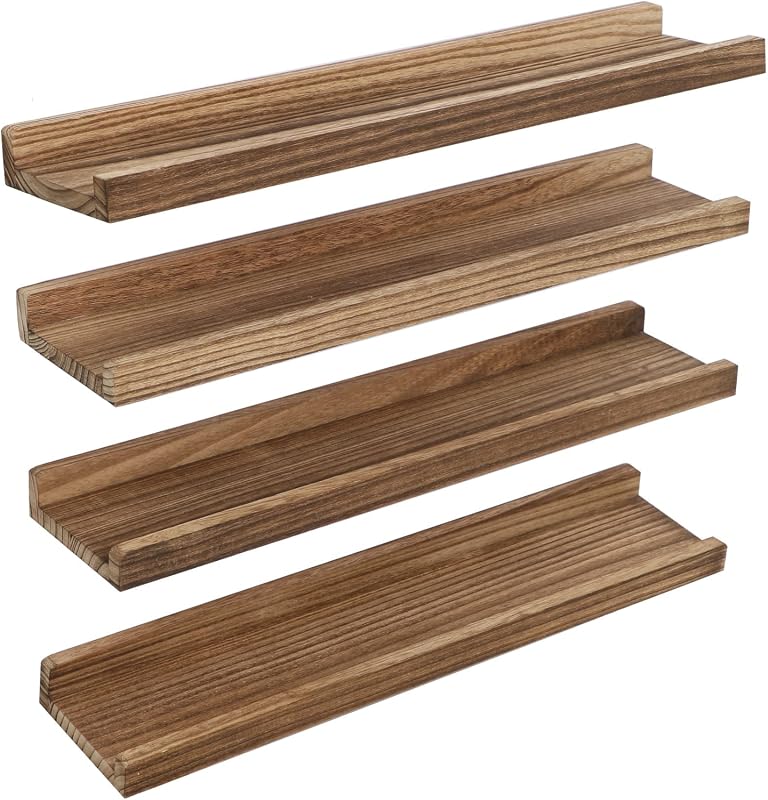
Figurative works can go either way: a restrained frame for a quiet, contemplative piece, or a slightly more defined profile for work that should feel like a focal point. For artists and collectors who enjoy making the most of small-format work, related display ideas can also be found in picture ledge shelves for framed art display and whether picture ledges are safe for displaying framed art.
Gifting framed canvas board art for housewarmings, weddings, and milestones
Framed canvas board art makes a thoughtful gift because it arrives feeling complete. The frame signals care, and the finished presentation helps the recipient imagine where the piece might live in their home.
For housewarmings and weddings, choose framing that is broadly adaptable: warm neutrals, understated black, or a gentle metallic finish. The goal is to give the artwork a lasting home without locking it into one overly specific style.
A small original landscape in a natural wood floater frame is one of the most versatile gift choices for new homes. It feels personal, easy to place, and refined enough to move from entry console to bedroom wall without losing charm.
Price Context and What Influences Value in 2026
Pricing for a frame for canvas board varies widely depending on materials, size, finish, and craftsmanship. In 2026, buyers are still likely to see a broad spread between simple ready-made options and more tailored framing work.
Rather than focusing on a single number, it helps to think in tiers based on quality and presentation goals.
Material quality, finish, and craftsmanship considerations
Entry-level framing usually prioritizes affordability and standard sizing. Mid-range options often improve on finish, color consistency, and overall fit. Premium framing tends to emphasize better joinery, more refined surface treatment, and a more bespoke appearance.
Craftsmanship matters because framing is partly about the visible details: clean corners, consistent edges, and a finish that looks intentional in daylight and evening light alike.
What buyers can expect across entry, mid-range, and premium framing
Entry-level framing is usually best for casual rooms, temporary displays, or pieces that may be rotated often. Mid-range framing tends to offer the most balanced value for everyday interiors because it looks considered without becoming excessive.
Premium framing is worth considering when the artwork has emotional, decorative, or long-term significance. It can be especially appropriate for heirloom gifts, original works, or pieces you expect to display for many years.
Why a well-chosen frame can increase perceived value without overpowering the work
A thoughtful frame often makes an artwork feel more complete and more desirable, even when the piece itself is modest in scale. That perceived value comes from presentation: the work looks cared for, placed, and ready to live in a refined space.
The best framing choices enhance that impression without overstatement. If the frame becomes the loudest thing in the room, the balance is lost.
Care Tips for Keeping Canvas Board Frames Looking Refined Over Time
Framing is not only about appearance on day one. It is also about how the piece will age in a home that has changing light, dust, and movement.
A little care goes a long way, especially if the artwork is meaningful or if the frame has a delicate finish.
Dusting, handling, and placement away from humidity and heat
Dust frames regularly with a soft, dry cloth. Avoid abrasive cleaners, which can dull painted or metallic finishes and leave visible marks on matte surfaces.
Keep framed canvas board away from humid bathrooms, direct heat sources, and areas where condensation may build up. Even when the frame itself looks sturdy, the artwork inside can still be sensitive to moisture and temperature shifts.
Protecting surfaces, corners, and artwork edges during moving or storage
When moving a framed piece, hold it from both sides rather than lifting from the top edge. Corners are often the most vulnerable part of any frame, and small impacts can show quickly.
If you need to store the artwork, wrap it carefully and keep it upright in a dry, stable place. Avoid stacking heavy items against the front of the frame, since pressure can damage both the finish and the artwork edge.
Maintenance considerations for matte, satin, and metallic finishes
Matte finishes are elegant but can show fingerprints if handled repeatedly. Satin finishes are a little more forgiving and often easier to live with in busy homes.
Metallic finishes need gentle care to preserve their sheen. They can be beautiful in low light, but they also reveal dust and scuffs more readily, so regular light cleaning is worthwhile.
- Improves visual finish and room presence
- Helps small works feel more substantial
- Supports the artwork’s style without overwhelming it
- Makes gifting and display feel more intentional
A Creative Recap: Framing as Part of the Artwork’s Final Story
The right frame for canvas board is not just a border. It is part of the artwork’s final composition and part of the room’s visual language.
When chosen well, it helps the piece feel settled, expressive, and ready to be lived with rather than merely hung.
How the right frame completes the viewing experience
A good frame gives the eye a place to pause. It creates a transition between image and wall, which makes the artwork easier to absorb and more satisfying to revisit over time.
That completion is especially valuable in homes where art is part of daily life. The frame turns looking into lingering.
Why thoughtful framing supports creative living and lasting display appeal
Thoughtful framing supports the way people actually live with art: in changing light, across seasons, and alongside books, plants, and furniture that evolve over time. It helps a piece stay relevant as the room around it shifts.
For Hurrell Editions, that is the real appeal of a well-chosen frame for canvas board. It is a design decision, yes, but also a small act of care for the artwork and the home it inhabits.
Recommended Products
SHOP THIS SETUP
MCS Gallery Float Frame for Canvas, 16×20 inch, Black
This is a strong all-around choice for framing canvas board because it gives artwork a clean floating presentation without hiding the edges. The MCS Gallery Float Frame is widely used for stretched canvas and canvas board pieces, and its simple black finish works well in modern, gallery-style interiors.
Frequently Asked Questions
The best frame depends on the artwork’s style, size, and the room where it will hang. Minimal frames suit modern work, while classic profiles often suit figurative or still-life pieces.
They do not always need floater frames, but floater-style presentation can work very well. It creates a clean gap that feels modern and helps the artwork read as a finished object.
Wood often feels warmer and more versatile, while metal can look sharper and more contemporary. The right choice depends on the artwork’s mood and the surrounding furniture and wall color.
Costs vary by size, finish, and craftsmanship, so it helps to think in entry-level, mid-range, and investment tiers. A more refined frame is often worth it for original artwork or long-term display.
Dust it gently, avoid harsh cleaners, and keep it away from humidity and direct heat. Protect the corners and finish during moving or storage.
Yes, a frame can increase the perceived scale by giving the artwork a defined border and more visual presence. This is especially helpful for small originals on larger walls.