Best Impressionist Art Coffee Table Books

Impressionist art coffee table books bring famous paintings and lively color into living rooms. They mix large reproductions, concise essays, and clean design so readers can enjoy the work without visiting a museum. These books suit readers who want visual impact, easy browsing, and durable pages that hold up to regular handling.
Buyers should focus on image quality, reproduction size, binding, and the credibility of the text. Image quality and accurate color reproduction matter most because they determine how the paintings look off the page; larger plates and robust binding make a book easier to display and use. Choose books that balance high-quality, true-to-life images with clear, reliable commentary to get the best value for a display and reading experience.
Which Impressionist Art Coffee Table Books Should You Choose?
The best choice depends on how you plan to use it, how often you will move or restyle it, and whether you care most about budget, display quality, durability, or gift-ready presentation.
| Buyer Need | Best Choice | What to Check |
|---|---|---|
| Best everyday option | A well-reviewed, mid-priced pick | Look for stable construction, clear sizing details, and easy setup. |
| Best for gifting | A cleaner-looking option with polished presentation | Check packaging, finish, and whether the style fits many rooms. |
| Best budget buy | A simple set with the key feature you actually need | Avoid paying extra for sizes or add-ons you will not use. |
Before buying, compare the exact size, finish, mounting or storage method, and the return policy. Small differences in dimensions or materials can change how useful the product feels once it is in the room.
10 Best Impressionist Art Coffee Table Books
Below is a curated list of the best impressionist art coffee table books. Each selection highlights key artists, quality reproductions, and readable essays to help readers enjoy and learn about impressionism.
Met Museum Masterpieces
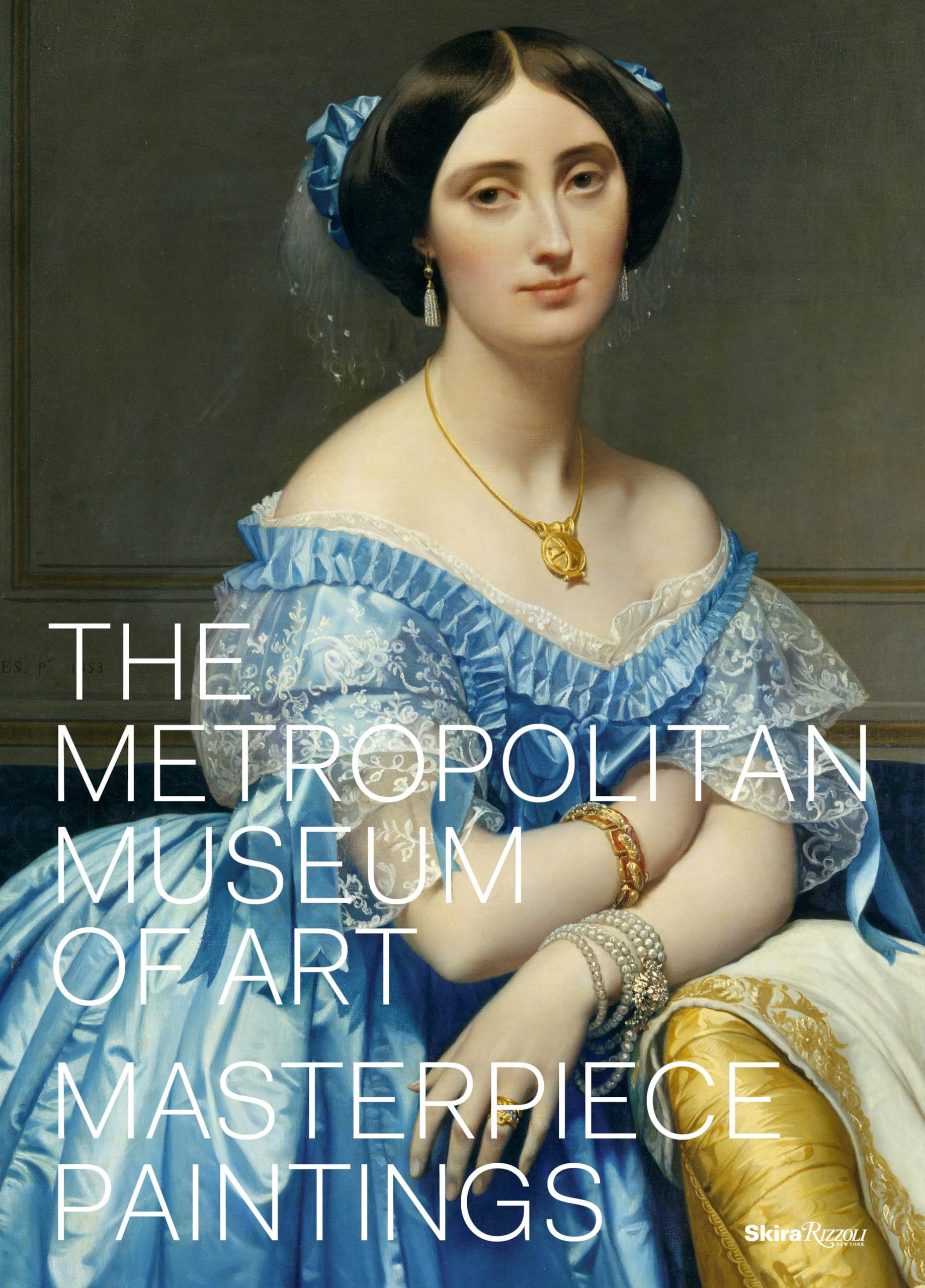
It is a strong pick for buyers who want a large, museum-quality coffee table book that showcases famous paintings with high-quality reproductions.
Pros
- Rich, high-resolution plates that highlight key works.
- Broad selection that represents the Met’s strengths.
- Sturdy, impressive presentation that feels like a keepsake.
Cons
- Very heavy and large, not easy to handle.
- Binding and shipping issues have appeared in some copies.
- Short text; readers wanting deep analysis may want a companion book.
This book presents hundreds of well-reproduced paintings from the Metropolitan Museum of Art. It favors big, clear images over long essays, so readers can browse artworks like a gallery walk.
The format works well on a coffee table or as a visual reference for students and casual viewers. The weight and size give it an impressive presence, but also make it awkward to lift and carry.
Some buyers report delivery or binding flaws, so inspect the copy on arrival if possible. Those who want detailed art history might pair it with a scholarly text, while casual collectors will enjoy the visual focus.
Art: The Definitive Visual Guide
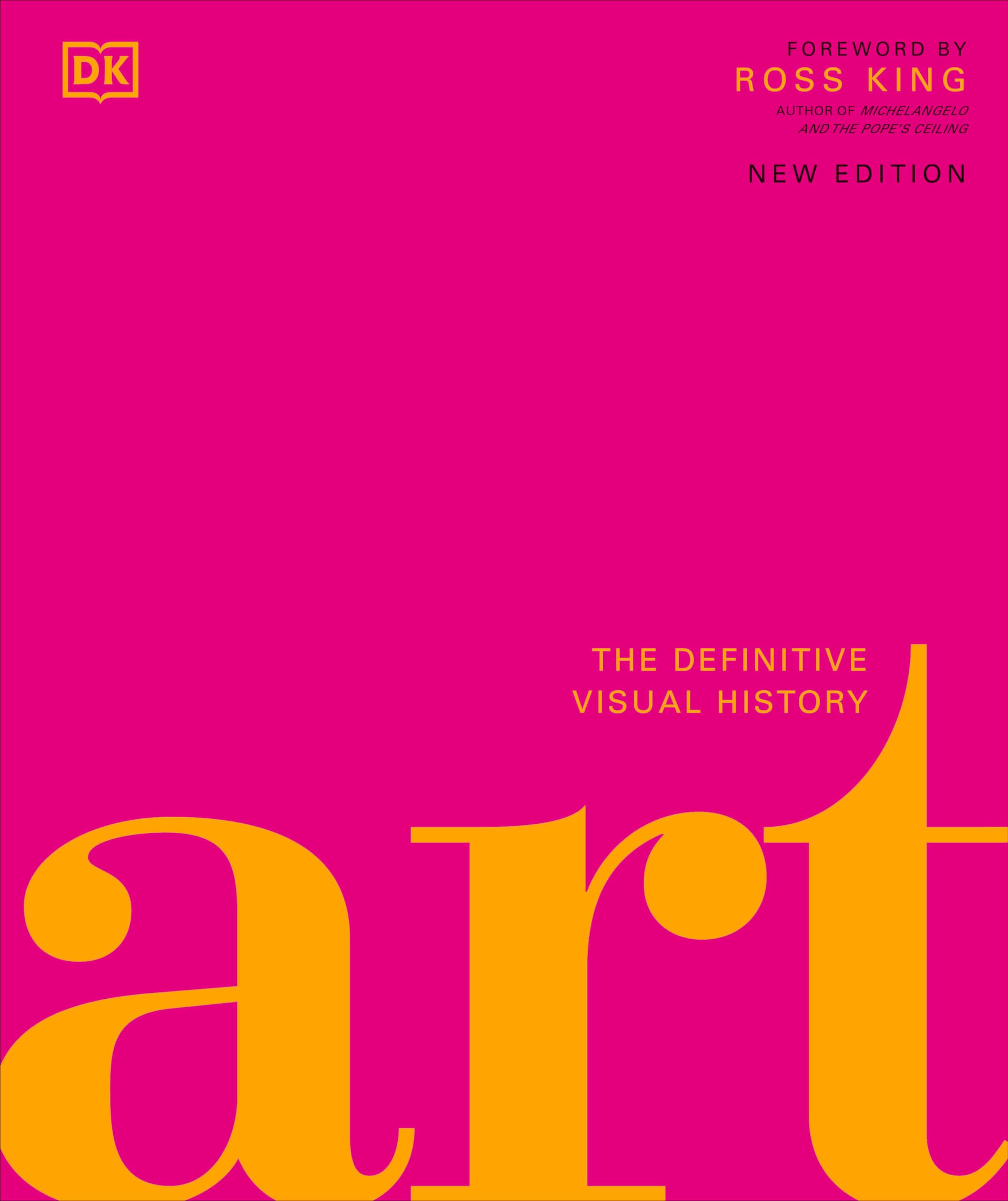
This book is a strong pick for buyers who want a wide, well-illustrated survey of art history that includes Impressionism among many other movements.
Pros
- Rich, high-quality images make artworks easy to appreciate.
- Wide chronological scope gives good context for Impressionism.
- Large, polished presentation looks attractive on a coffee table.
Cons
- Very broad coverage means less depth on any single movement.
- Heavy and large, which can be awkward to handle.
- Text can feel introductory for readers seeking specialist detail.
The layout pairs bold visual spreads with concise text. It helps readers locate key painters and works quickly without dense prose.
The book serves well as both a decorative piece and a general reference. It may not satisfy someone needing deep, scholarly analysis of Impressionist technique.
Those who want a handsome, readable introduction to art history will find it worthwhile, while specialists might prefer a focused monograph on Impressionism.
Monet: The Triumph of Impressionism
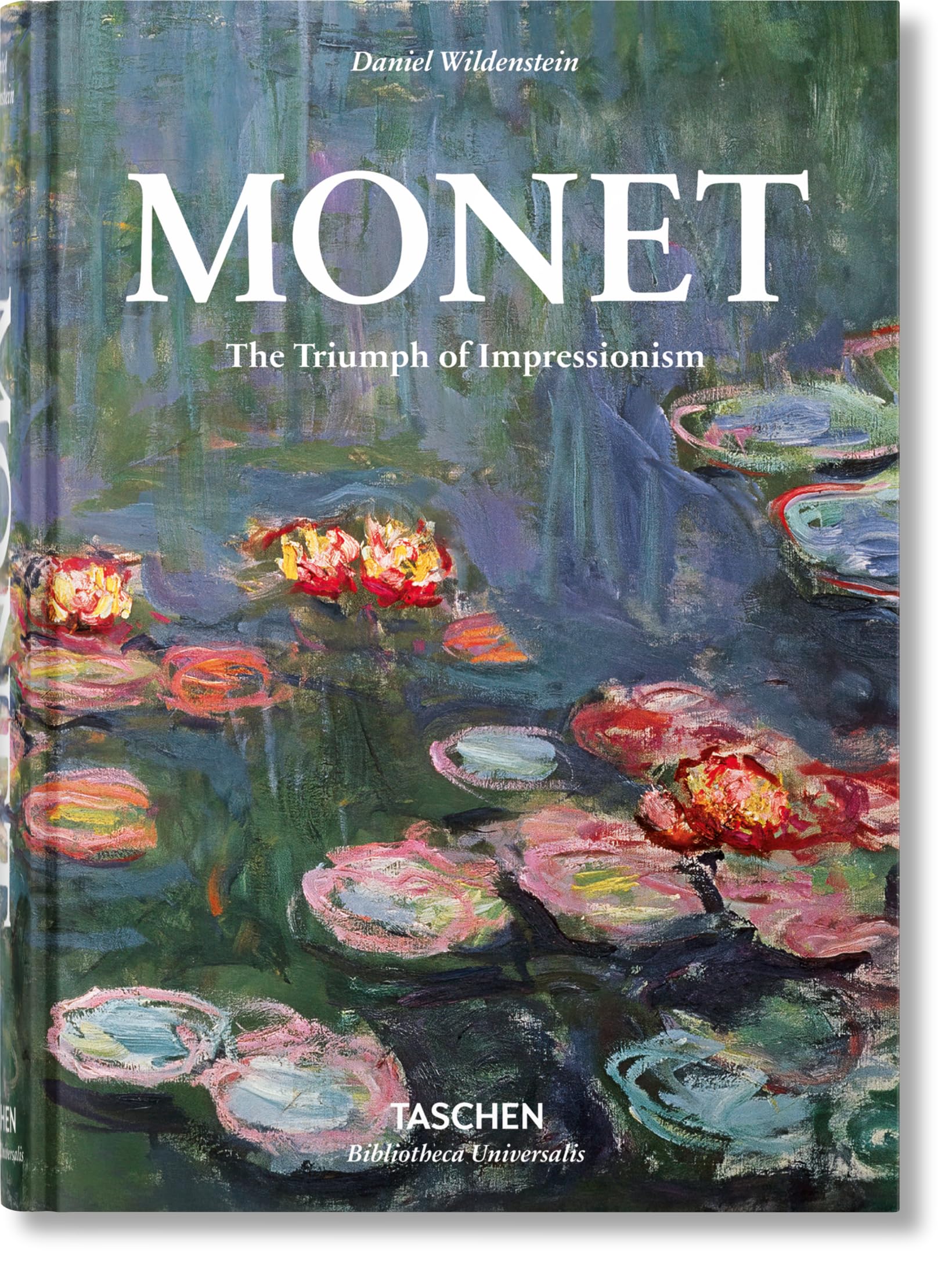
This book is a compact, well-illustrated introduction to Monet that suits casual readers and collectors who want a tasteful coffee table piece.
Pros
- Rich illustrations show Monet’s key works clearly.
- Compact size fits small spaces and layered displays.
- Affordable compared with larger art volumes.
Cons
- Smaller page size limits image scale and detail.
- May feel too brief for deep academic study.
- Some copies may appear used or imperfect on arrival.
The layout balances images and text so readers can enjoy Monet’s art without wading through heavy art history. It highlights major paintings and moments in his life in a way that stays readable.
The book’s small format makes it easy to place on a coffee table or shelf. It pairs well with larger books when people want a layered display.
Collectors who want large-format, museum-grade plates might find it lacking, but those seeking an attractive, informative volume at a fair price will likely appreciate this edition.
Buying Guide
Key features to consider
Buyers should check print quality first. Look for crisp reproductions, accurate colors, and minimal glare on glossy pages.
Binding and paper matter. Durable binding keeps the book flat for viewing. Heavier, acid-free paper holds color and resists yellowing.
Size and format
Larger pages show brushwork and texture better. However, big books take more shelf space and can be heavy to handle.
Hardcover vs. paperback affects longevity. Hardcover lasts longer; paperback can be more portable and affordable.
Content and scholarship
Readers should look for useful captions and clear provenance information. Essays by knowledgeable writers add context without overwhelming.
Illustrations should be well-captioned. A good balance of images and text helps both casual browsers and study readers.
Practical considerations
Price should match quality: higher print and paper standards cost more. Check page count relative to image size to judge value.
Consider intended use. Is it for display, study, or casual reading? Choose larger, better-printed volumes for display; lighter books for travel.
Quick checklist
| Feature | What to look for |
|---|---|
| Print quality | Accurate color, fine detail |
| Paper | Thick, acid-free |
| Binding | Sewn or well-glued, lies flat |
| Size | Large for detail, small for portability |
| Content | Clear captions, reliable essays |
| Price | Reflects materials and scholarship |
Editor’s picks
They chose books that balance image quality, scholarship, and ease of use. Each pick serves a different reader: the curious beginner, the serious student, and the coffee-table guest.
- Best for images: A large-format volume with high-resolution reproductions and accurate color. It lets viewers study brushwork and light without visiting a museum.
- Best for context: A well-illustrated book with clear essays and timelines. It explains artists’ influences and links paintings to social history.
- Best value: A compact, affordable book that still shows strong reproductions. It fits on a shelf and invites repeated browsing.
| Title type | Who it suits | Key feature |
|---|---|---|
| Image-focused large volume | Visual learners and collectors | Museum-quality plates |
| Essay-rich guide | Students and curious readers | Clear, concise scholarship |
| Compact pick | Casual readers and hosts | Great images at low cost |
They prioritized readable text and strong photos. The picks avoid heavy academic jargon. Each selection works well as a display piece and a learning tool.
Frequently asked questions
What makes a coffee table book “best” for Impressionist art?
They look for image quality, accurate color, good paper weight, and clear captions. Editions with essays by respected art historians add value.
Can beginners enjoy these books?
Yes. Many books explain context and techniques in simple language. They also show many images so readers can learn by looking.
How big should the book be?
Size depends on space and budget. Larger books show detail better, while smaller ones are easier to handle and store.
Are printed colors true to the original paintings?
High-quality presses aim for faithful color, but reproduction can vary. Matte or gloss paper and printing method affect how colors appear.
Is it worth buying used copies?
Used copies can be great value if pages and binding are in good shape. Check for stains, loose pages, or faded covers before buying.
Which artists are essential in these books?
Monet, Renoir, Degas, and Pissarro appear most often. Many books also include lesser-known Impressionists for wider context.
How should someone care for the book?
Store it flat or upright with support, away from direct sunlight and moisture. Clean hands before handling to avoid oils on the pages.
Can these books be gifts?
Yes. They suit art lovers, new collectors, and people who enjoy beautiful home decor. Add a handwritten note for a personal touch.
Conclusion
The selection of impressionist coffee table books gives readers a clear path to explore the movement. Each title highlights different strengths: rich images, readable essays, or focused artist studies.
Buyers should match a book to its use. Some want large plates for display, while others prefer essays to read. Size, image quality, and scholarship matter most.
Collectors will appreciate deluxe editions with fine paper and binding. Casual readers get value from compact guides with strong reproductions. Both types serve different needs.
A few books work well together. Pair a general survey with a monograph on Monet or Renoir for deeper context. This mix adds variety to a home or study.
Practical details help decide fast: price, size, and how often someone will browse it. Those factors narrow choices without needing expert knowledge.
The books mentioned offer reliable starting points for anyone who wants to enjoy impressionist art at home. They focus on visuals and clear writing, making the art accessible.
Impressionist Art Coffee Table Books FAQs
What should I check before buying impressionist art coffee table books?
Check the size, materials, finish, installation or storage requirements, and whether the product suits the room or use case you have in mind.
Is impressionist art coffee table books good for gifts?
It can be a good gift when the style is neutral, the size is practical, and the product solves a clear display, decor, storage, or creative-use need.
How do I avoid buying the wrong option?
Compare exact dimensions, read recent buyer feedback, and choose based on the main use case instead of only choosing the cheapest or most decorative option.