Best Black and White Photography Coffee Table Books

Black-and-white photography coffee table books celebrate contrast, light, and composition in a way that color books cannot. They gather striking images and the stories behind them, making them great for readers who love art, history, or thoughtful design. We look for books that balance strong photographs with good printing and thoughtful sequencing so the work reads well across the pages.
The most important thing to check is print quality — paper weight, tonal range, and how faithfully the images reproduce the photographer’s vision. Other factors matter too: the photographer’s reputation, the book’s layout and sequencing, the presence of useful captions or essays, and the book’s size and binding, since these affect how it looks on a table and how long it lasts. We tested a range of titles to find books that look beautiful, tell a clear visual story, and hold up to repeated viewing, so you can choose the right one for your space and tastes.
10 Best Black and White Photography Coffee Table Books
Below is our full list of the best black and white photography coffee table books. We chose titles that offer strong visuals, timeless themes, and high print quality to suit different budgets and tastes. Use this guide to find a book that matches your style or makes a striking gift.
There and Back

We recommend this book if you want bold mountain photography and adventure stories in a large, coffee-table format.
Pros
- Striking mountain and landscape images that draw you in.
- Large, physical format that suits display and casual browsing.
- Mix of photos and short adventure notes adds context.
Cons
- Some prints may look less sharp than expected in places.
- Limited text for readers who want deep essays.
- Heavier and larger than many other coffee-table books.
Jimmy Chin’s photos fill the pages with high-altitude scenes and tight action shots. We find the photos carry the mood of each climb, from quiet snowfields to exposed rock faces.
The book works well as a showpiece on a coffee table or gift for outdoor fans. We also note that readers seeking long essays may find the captions and notes brief.
Production quality feels solid overall, but a few buyers report mixed printing sharpness. We still think it makes a strong visual statement for anyone who likes black-and-white and adventurous landscapes.
Ansel Adams in the National Parks

We recommend this book if you want striking black-and-white landscape photography and a well-produced coffee table volume that shows Ansel Adams’ best work.
Pros
- Iconic, high-contrast landscape images that draw the eye.
- Strong printing and solid binding make it feel durable.
- Short stories and captions add context to the photographs.
Cons
- Large and heavy, so it may not suit small tables.
- Some readers may prefer color or more contemporary photographers.
- A few copies arrive with minor shipping damage.
We found the selection of images both familiar and surprising. Many classic Adams photos appear alongside lesser-known shots, so casual viewers and fans both get something new.
The book balances striking prints with brief background text. The short stories help explain location and technique without slowing the viewing experience.
Its size and weight give it presence on a table, but that also makes it bulky to move. Overall, the volume works best as a display piece and a book you return to for visual inspiration.
Purchase link: Ansel Adams in the National Parks: Photographs from America’s Wild Places
Black & White Photography Book
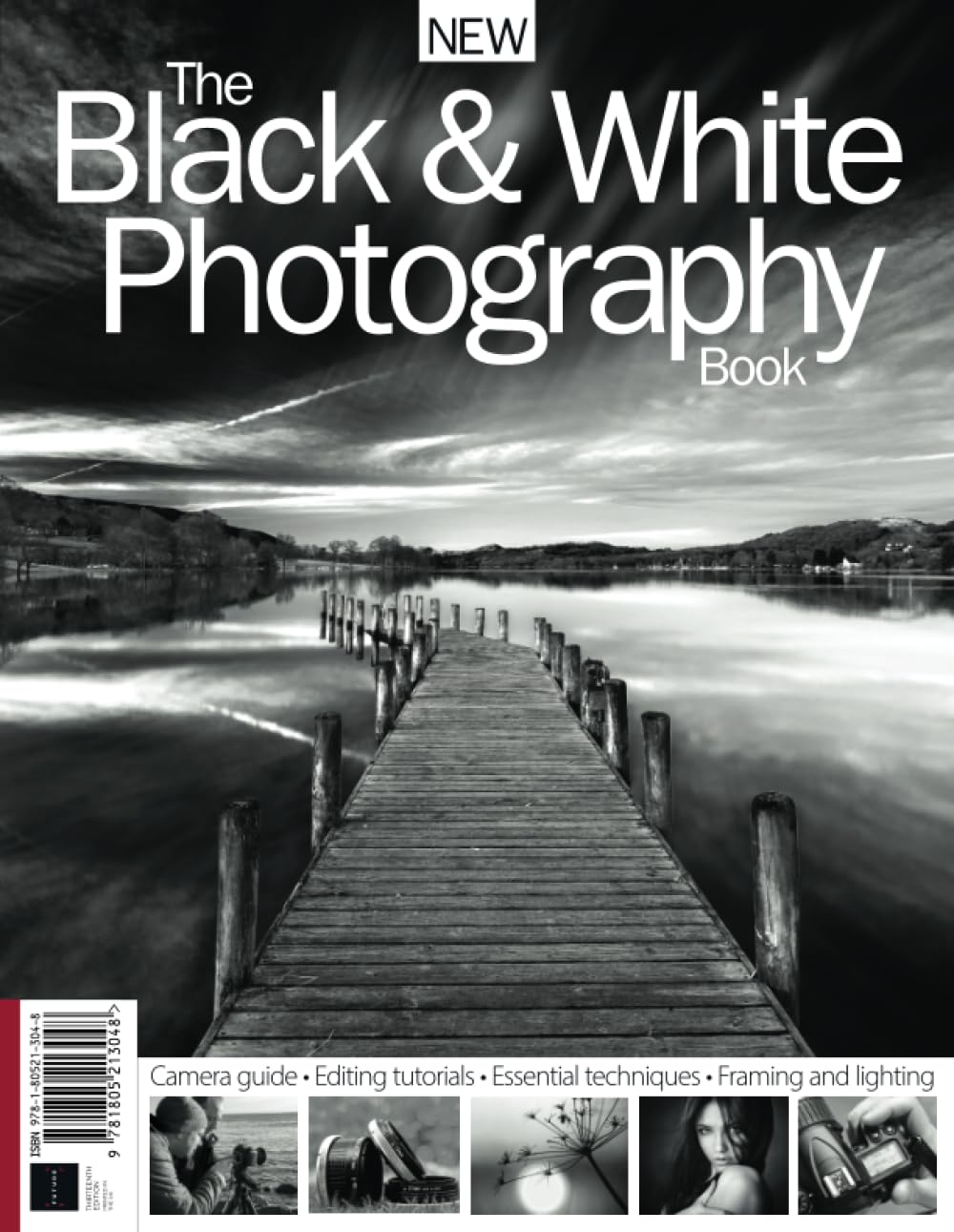
We recommend this book if you want a clear, compact guide to black and white photography that balances technique and visual examples.
Pros
- Practical tips that we can apply to many shooting situations
- Compact size makes it easy to keep on a coffee table
- Clear layout with useful illustrations
Cons
- Shorter length means less depth on advanced topics
- Mostly basic-to-intermediate content, not for experts
- Small print run so availability can vary
This book gives a focused, user-friendly guide to black and white photography. We like how it presents core ideas without overwhelming detail.
The format suits readers who want quick, actionable advice and strong visuals. We find the size and page count make it a good casual reference.
Photographers who want deep theory or a large portfolio might look elsewhere. We still see this as a solid pick for anyone building a black-and-white coffee table collection.
Nat Geo Stunning Photographs

We recommend this if you want a thick, high-quality coffee table book filled with striking images from around the world.
Pros
- Strong, wide-ranging photo selection
- Heavy, well-made volume that looks impressive
- Inspiring images for casual viewers and gift giving
Cons
- Many photos are in color, not strictly black and white
- Large size can feel heavy on small tables
- Some buyers report shipping damage to the cover or corners
This is a hefty National Geographic collection with 400 pages of standout photography. The images are bold and varied, and the book reads like a curated tour through Nat Geo’s archives.
We like the print quality and how the layout gives many photos room to breathe. Quotes and short captions add context without slowing the flow.
Expect mostly color images rather than a black-and-white-only book, so pick this if you want variety over a pure monochrome theme. The size and weight make it a strong visual anchor, but handle packaging carefully when ordering.
Black. White. Spaces.

We think this compact black-and-white coffee table book works well as a simple visual focus piece for homes or care settings because it offers clear interior photos in a small, easy-to-handle format.
Pros
- High-contrast images that are calming and easy to see
- Small size makes it easy to move and handle
- Designed with seniors and dementia patients in mind
Cons
- Short at 76 pages, so content is limited
- Lightweight format may feel less durable on a busy table
- Niche focus may not suit all decor styles
The book shows interior scenes in strong black-and-white tones. The pictures aim to be soothing and uncluttered, which can work well where simple visuals help calm attention.
We like that the size and weight make it easy to pass around and place on low tables or bedside stands. The approach appears thoughtful for seniors or those with cognitive challenges, offering clear shapes and contrast rather than busy color.
Some buyers may find the page count too small if they expect a large coffee table volume. Others might prefer a heavier binding or more varied subjects for broader decor appeal.
Buy on Amazon: Black. White. Spaces.
Photography: The Definitive Visual History

We recommend this book for buyers who want a thorough, well-illustrated timeline of photography that works equally well as a coffee table showpiece and a reference.
Pros
- Deep historical coverage with strong visual examples
- High-quality production that looks good on display
- Good balance of images and explanatory text
Cons
- Large and heavy for casual handling
- Dense at times for readers who want only a quick browse
- Price can vary after purchase
This DK volume gives a wide view of photography from its origins to modern practice. We find the images and captions make it easy to follow the development of techniques and styles.
The layout mixes clear timelines, essays, and many reproductions. We think that helps both newcomers and those with some background who want a reliable reference.
Expect a substantial book that sits well on a table and invites slow reading. We suggest it for buyers who want depth and visual richness rather than a light picture book.
Monochromatic

We recommend this book if you want a mid-size black-and-white coffee table book that fits a modern or minimalist room.
Pros
- Clean, consistent black-and-white images
- Good size for tabletop display
- Sturdy hardcover feel
Cons
- Mixed overall polish and editing
- Narrow subject variety for some tastes
- Lower number of buyer ratings
The images have a clear monochrome theme that helps tie a room together. We found the size makes it easy to place on coffee tables or shelves without overwhelming the space.
Print quality looks solid for the price, and the hardcover gives it a more finished look. We noticed the book leans toward decorative use rather than deep photographic essays.
Some readers may want a broader mix of subjects or higher editorial depth. We suggest this for styling and visual appeal more than for a serious collector’s study.
Lindbergh: On Fashion Photography (45th Ed.)

We recommend this book if you want a compact, richly photographed collection of Peter Lindbergh’s black-and-white fashion work that also serves well as a stylish coffee table piece.
Pros
- Strong, consistent black-and-white imagery that shows Lindbergh’s signature style.
- Compact size makes it easy to display and leaf through.
- High page count offers a deep survey of his work.
Cons
- Smaller format limits full-size viewing of some images.
- Heavier than it looks, so it can feel dense for casual browsing.
- Focused on fashion, so it may not suit all black-and-white photography tastes.
We find the book’s pace calm and intimate. The photos emphasize mood and personality more than glossy perfection, which makes studying each image rewarding.
The layout gives us many examples of Lindbergh’s approach to light, shadow, and composition. That helps the book work both as visual inspiration and as a decorative object.
Overall, the volume balances a substantial collection with a size that fits most coffee tables, though those wanting larger prints might prefer a bigger edition.
Mastering Black & White Photography

We recommend this book if you want a clear, practical guide to black-and-white photography with strong landscape examples.
Pros
- Practical, hands-on advice we can apply quickly
- Clear layout with good monochrome examples
- Compact size fits a coffee table or bag
Cons
- Focus leans toward landscapes and coastal scenes
- Not a deep technical manual on zone systems
- Some readers may want a wider variety of subjects
This book shows strong, well-composed black-and-white photos and tells us how the images were made. The author keeps explanations simple and useful, so we can learn composition and lighting without wading through dense theory.
The pages are concise and the short chapters make it easy to pick up ideas fast. We see many examples taken in coastal landscapes, which work well for mood and texture but may feel narrow for those seeking street or portrait work.
Overall, the tone stays practical and encouraging. If we want a stylish coffee table book that doubles as a primer for shooting in black and white, this one fits that need.
The Art of Seeing in Black and White
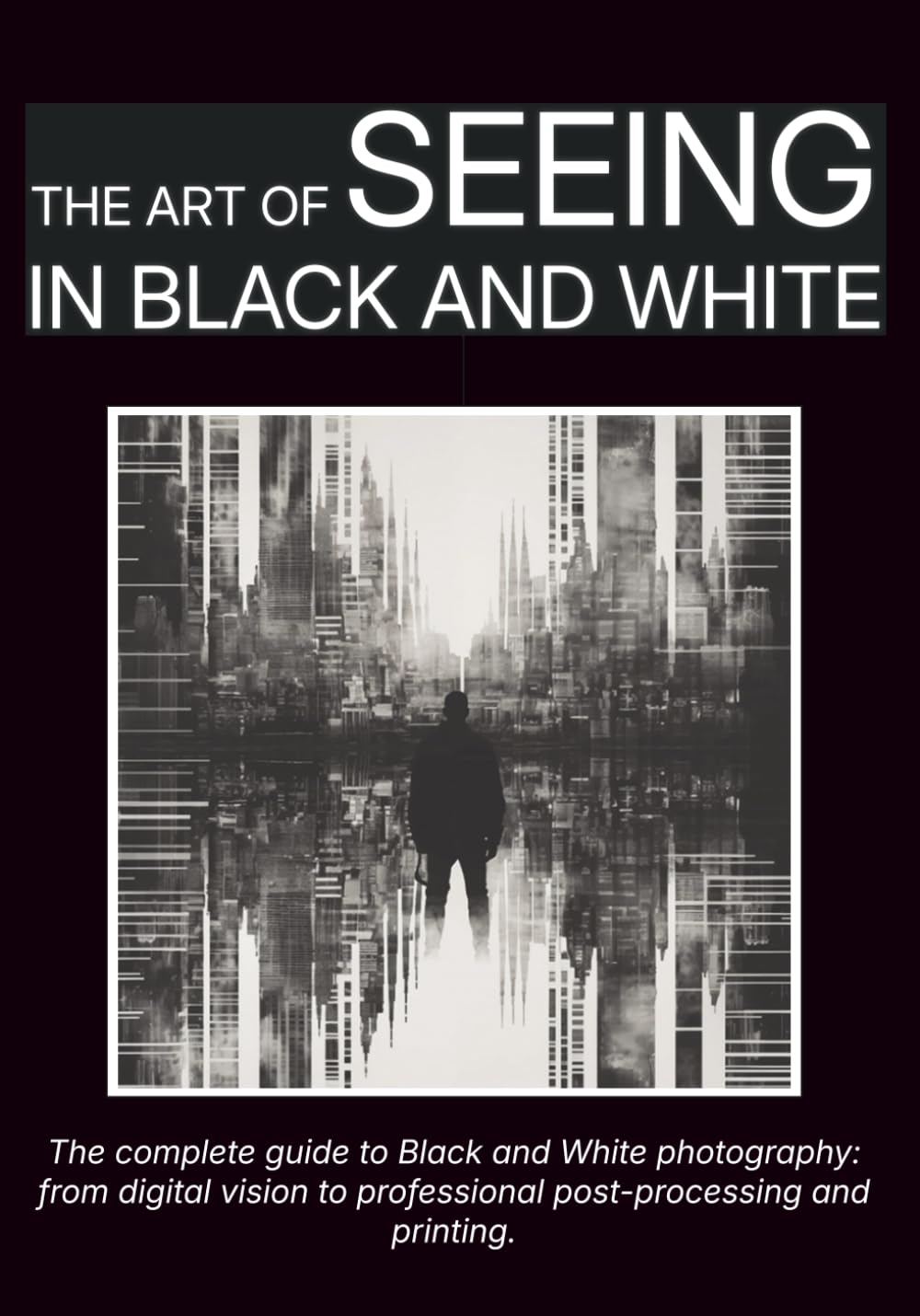
We recommend this book if you want a focused guide on black-and-white workflow from shooting to print.
Pros
- Clear step-by-step approach to black-and-white processing
- Compact size makes it easy to handle and gift
- Recent publication covers current digital tools
Cons
- Short page count limits depth on some topics
- Smaller trim may reduce impact as a coffee table display
- No reader reviews yet to gauge user experience
We like that the book aims to cover the full process, from vision to post-processing and printing. The layout feels practical for someone who wants actionable tips without wading through long theory.
The size and weight make it easy to keep on a side table or take to a shoot. That said, the modest page count means advanced readers might want deeper tomes for niche techniques.
We find the recent publication date a plus for up-to-date software workflows, though the lack of community feedback means we rely on the publisher’s description more than user reports.
The Art of Seeing in Black and White
Buying Guide
We look for books that match our taste and purpose. Think about whether you want a book for display, study, or casual browsing.
We check print quality first. Paper weight, ink contrast, and binding affect how photos look and how long the book lasts. Heavier paper and sewn bindings usually hold up better.
We consider image selection and layout. Do the photos feel varied and well sequenced? Is there enough white space so images can breathe? Good editing helps the story flow.
We value captions and essays. Short captions give context. Longer texts explain technique or history. We prefer a balance depending on how deep we want to go.
We weigh size and format. Large-format books show detail but need more shelf space. Smaller books are easier to handle and read on the couch. Choose by where and how you’ll use the book.
We check production details and extras. Look for durable covers, protective dust jackets, and clear table of contents. Indexes and contributor notes help research.
We set a budget and compare value. Higher price can mean better materials or rare prints, but not always. Decide what matters most to us and spend accordingly.
Editor’s picks
We chose books that show strong black-and-white vision, solid editing, and great printing. Each pick works well on a coffee table and invites viewers to linger.
- “The Americans” — Robert Frank
A landmark book with raw, honest street scenes. The sequencing still feels fresh and influential. - “Henri Cartier-Bresson: The Decisive Moment”
Classic composition and timing. Clean printing highlights his precise framing. - “Annie Leibovitz: A Photographer’s Life, 1990–2005” (black-and-white sections)
Intimate portraits and strong contrast. The mix of public and private moments reads like a visual diary.
We include a quick reference table to help compare size, page count, and best use.
| Title | Pages | Size | Best for |
|---|---|---|---|
| The Americans | ~150 | Medium | Social documentary |
| Cartier-Bresson | ~120 | Small/Medium | Composition study |
| Leibovitz (BW sections) | ~400 | Large | Portraits and storytelling |
We prefer books with tactile paper and faithful prints. Good books let tones breathe and keep details in both shadows and highlights.
We recommend getting used copies for rare editions. First editions can be pricey but often offer unique design and printing quality.
Frequently asked questions
What makes a great black and white coffee table book?
We look for strong composition, contrast, and clear subject focus. The book should have high-quality prints and good paper to show tonal range.
How do we choose between classic and modern photographers?
We match taste and decor. Classics offer historical depth; modern photographers bring new perspectives and techniques.
Are these books just for photographers?
No. We recommend them for anyone who likes art, design, or visual storytelling. They work well as conversation pieces.
How do we care for and display these books?
Keep them out of direct sunlight and away from moisture. Lay them flat or use a book stand to protect the spine.
What price range should we expect?
Prices vary from affordable reprints to high-end collector editions. We advise checking print quality and binding before buying.
Can we use images from the books for projects?
Most books are copyrighted. We suggest seeking permission or checking fair use rules before reproducing images.
Do large-format books always look better?
Bigger books can show more detail, but they also require more space. We balance image impact with practical size for our living area.
How do we pick a book as a gift?
Consider the recipient’s interests and the room style. A themed book—street, portrait, landscape—often makes a thoughtful choice.
Conclusion
We chose books that show the depth and range of black and white photography. Each title teaches us about light, form, and mood in ways color cannot.
We picked classics and modern works to suit different tastes. Some books focus on portraiture, others on landscapes or street scenes, so there is something for every reader.
Our favorites make great coffee table pieces and useful reference books. They invite guests to flip through and spark conversations about technique and emotion.
If you want a striking book, go for high-contrast images and strong sequencing. If you prefer subtlety, choose books with soft tones and careful composition.
We recommend handling these books with care and displaying them where light won’t fade the pages. They last longer when stored flat and kept away from direct sunlight.
We hope this list helps you find a book that fits your space and interests. Take one home, open it, and let the images guide your next photo project or quiet moment.