Best Mid Century Modern Architecture Coffee Table Books

Mid-century modern architecture books show the clean lines, open plans, and inventive materials that shaped homes and public buildings from the 1940s to the 1970s. These coffee table books combine large photos, floor plans, and short essays to make design ideas easy to see and understand. They work as both visual inspiration and quick reference for readers who like architecture, interior design, or period furniture.
Buyers should focus on image quality, scope of coverage, and book size. High-resolution photos and good printing show details of materials and proportions. A book that covers a range of architects and regions gives broader context, while a smaller, well-curated volume is easier to display and handle. Choose books with strong photography and clear captions so the design details are easy to study and enjoy.
10 Best Mid-Century Modern Architecture Coffee Table Books
Below is a curated list of the best mid-century modern architecture coffee table books. Each title offers clear photos and concise essays to help readers explore the style’s key buildings, designers, and ideas.
Mid-Century Modern: Interiors, Furniture, Design Details
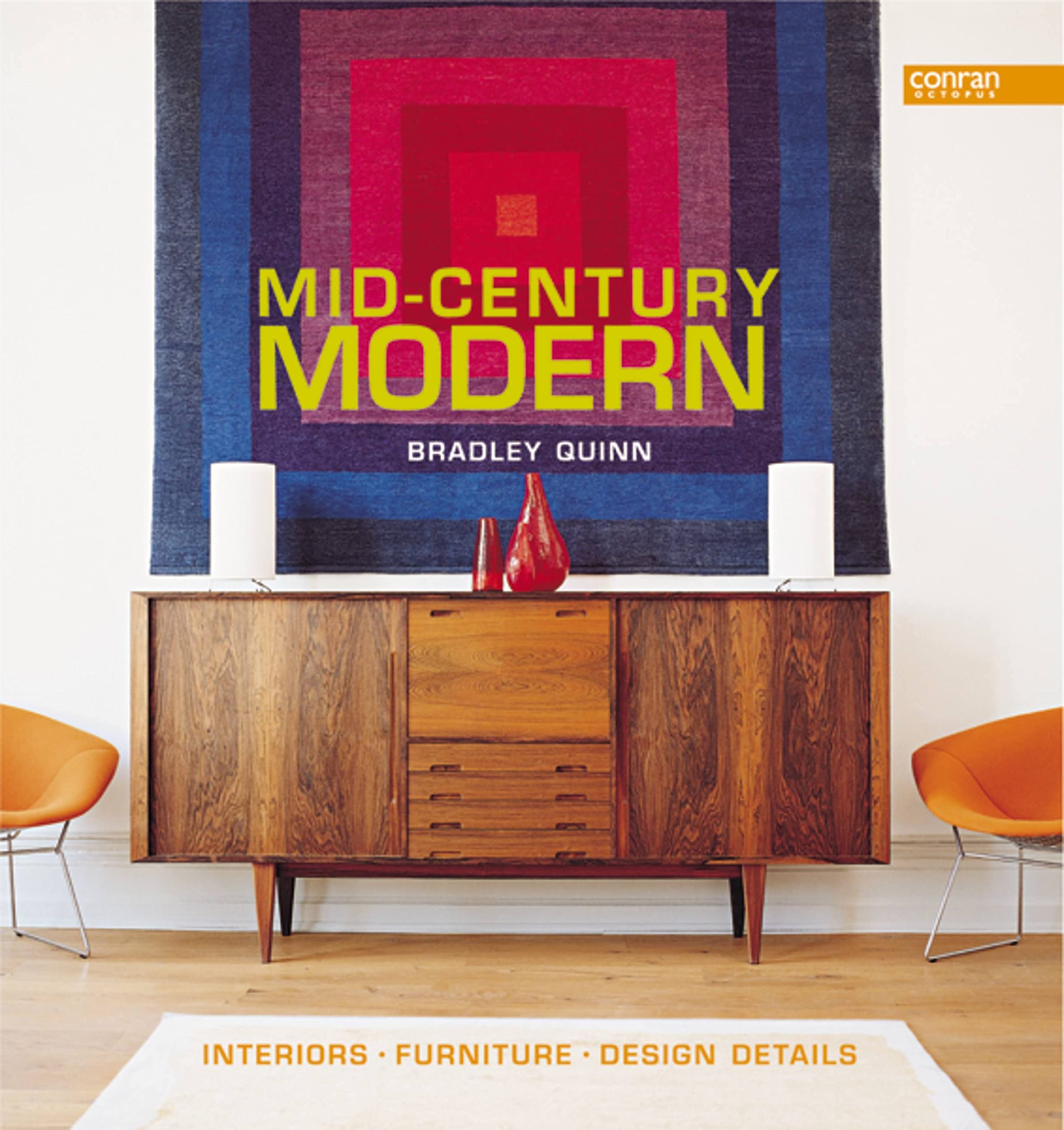
This book is a solid pick for buyers who want a well-illustrated survey of mid-century interiors and furniture, though some readers may find the text heavier than expected.
Pros
- Strong selection of photographs showing homes and furniture.
- Good regional variety and historical context.
- Useful as a visual reference for fans and designers.
Cons
- Some readers find the text dense or long.
- Occasional delivery damage reported by buyers.
- Fewer Scandinavian examples than some expect.
The book offers many clear photos and period details that make it a good visual coffee table piece. Images come from private homes and archives, giving a mix of classic and lesser-known examples.
Text sections provide historical background and design notes. Readers looking mainly for pictures will still find value, but those who want light captions may be disappointed.
Condition on arrival seems variable based on reviews, so buyers should watch seller packaging and return options. Overall, it suits readers who want a detailed, image-forward look at mid-century modern design.
AD at 100: Architectural Digest at 100

It is worth buying for someone who wants a large, high-quality visual history of American interiors and design across a century.
Pros
- Rich, high-resolution photography that inspires design ideas.
- Well-curated selection spanning many famous homes and designers.
- Handsome, museum-style production that looks great on display.
Cons
- Large and heavy, so it is not convenient to carry around.
- Can be pricey depending on where it is purchased.
- Some copies arrive with minor cover wear or shipping damage.
This book collects standout moments from a century of Architectural Digest, offering room-by-room photos and profiles that show how taste changed over time. It reads like a visual archive more than a text-heavy history.
The layout favors big images and crisp reproductions, which makes it a useful coffee table piece and a quick source of inspiration for designers and design fans. It does not replace deep scholarly study, but it excels at showing styles and atmospheres.
Buyers who want a decorative, reference-rich book will appreciate the scale and care of this edition; people who need a lightweight manual or a tight budget might look elsewhere.
Mid-Century Modern Designers

This book is worth buying for readers who want a compact, well-photographed survey of mid-century designers and their home objects.
Pros
- Strong photography that shows design details clearly
- Concise profiles that are easy to read
- Covers a wide range of household designers and objects
Cons
- Some notable designers get shorter coverage than expected
- Few deep analytical essays or critical context
- Slightly heavy for casual coffee-table browsing
The book groups many makers across furniture, ceramics, textiles, and small objects, so readers get a broad view of mid-century domestic design. Photos and captions carry most of the book’s appeal, making it a good visual reference for decorating or design inspiration.
Text entries stay brief and focused, which helps readers scan quickly but limits deeper background on the most famous names. Those who want long biographies or academic analysis might find the coverage light.
Overall, it suits buyers who want attractive images and clear summaries rather than exhaustive research. Check the current listing for price and availability: Mid-Century Modern Designers.
Atlas of Mid-Century Modern Houses

This book is worth buying for people who want a global, image-rich guide to mid-century homes and architects.
Pros
- Stunning, high-quality photographs that work well on a coffee table.
- Wide geographic scope with regional sections for easy browsing.
- Large page count means lots of content to explore.
Cons
- Heavy and bulky, so not great for travel.
- Catalogue order can feel non-chronological and slightly hard to follow.
- Some readers may want broader coverage beyond a few cities in certain countries.
The book delivers crisp photos and detailed house profiles that make it a visual treat.
It organizes chapters by region, which helps readers jump to areas they care about.
Text blocks include short design bios and architectural notes that add useful context without being dense.
The physical heft signals quality, though it also makes the book less portable.
Buyers who want a richly illustrated survey of mid-century houses will find a lot to enjoy here.
Those seeking a strict chronological narrative or a lightweight volume might look elsewhere.
Mid-Century Modern Design: A Complete Sourcebook

This book is worth buying for readers who want a wide visual and historical reference to mid-century modern furniture and interiors.
Pros
- Rich collection of photographs and illustrations.
- Broad coverage of designers, styles, and furniture types.
- Good as a visual reference and inspiration source.
Cons
- Text is only in English.
- Large size and weight may not suit casual browsing.
- Price may feel high to some buyers.
The book offers hundreds of images and clear identifications of furniture and designers. It suits readers who want to spot and name mid-century pieces or find ideas for decor and renovation.
Its layout favors visual learning, with many large plates and graphics across 544 pages. The run time of images over text makes it more of a coffee table reference than a short-read guide.
Some buyers may find the weight and size cumbersome, and a few copies arrive damaged in transit. Still, the depth of images and historical notes makes it a strong pick for fans of mid-century modern design.
Mid-Century Modern Furniture

It is a strong pick for buyers who want a thorough, well-illustrated survey of mid-century furniture design.
Pros
- Deep, well-researched coverage of designers and pieces
- High-quality photos and illustrations
- Big, coffee-table friendly format
Cons
- Large and heavy to handle or store
- May feel dense for casual readers
- Less focused on modern reinterpretations
This book collects a wide range of iconic mid-century chairs, tables, and lighting with clear captions and useful context. It suits someone who wants a solid reference and a striking book to display.
The layout balances biography, design detail, and images across many pages. Readers can flip between designer profiles and photographic spreads without losing the narrative thread.
Production quality feels premium, which fits its role on a coffee table or shelf. Those who prefer light picture books or short reads may find it more detailed than necessary.
Purchase link: Mid-Century Modern Furniture
Eames
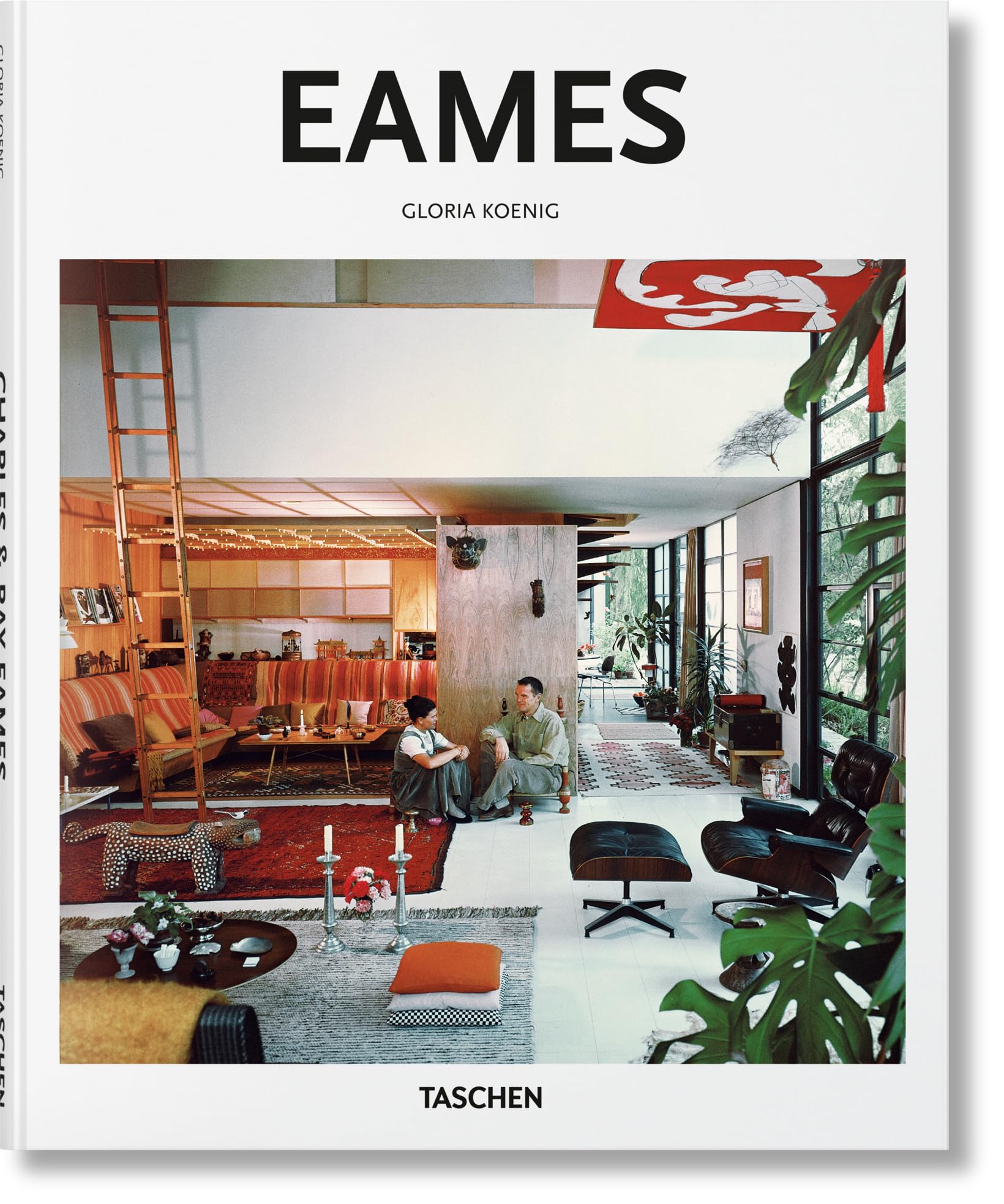
This book is a compact, stylish introduction to Ray and Charles Eames that works well as a coffee table book and quick reference.
Pros
- Clear balance of images and text
- Compact size fits most shelves and tables
- Good value for a concise illustrated overview
Cons
- Short at 96 pages for deep research
- Thin paperback may wear with heavy use
- Limited detail for specialists
The layout mixes strong photos with readable text. It gives a solid sense of the Eames’ style without overwhelming the reader.
Its small size and clean design make it easy to flip through in casual settings. The images help display key furniture and architectural ideas clearly.
Collectors looking for a short, attractive introduction will find it useful. Those needing exhaustive technical or archival detail may want a longer volume.
Modernist Icons

This book is a strong pick for buyers who want large, high-quality photos of midcentury houses even if the text and production have mixed feedback.
Pros
- Large, striking photography that suits a coffee table display.
- Wide selection of iconic midcentury homes and interiors.
- Nice collectible feel for fans of the style.
Cons
- Thick pages can feel stiff and show a strong paper odor.
- Writing and layout feel uneven compared to the photography.
- Some copies show lower production quality than expected.
The book presents many classic midcentury homes with generous image spreads. Readers will find the pictures easy to browse and share with guests.
Text provides background on architects and interiors but tends toward short, general descriptions. Those who want deep analysis might feel the writing is light.
Production drew mixed reactions: some praise the size and photos, while others mention heavy paper and layout issues. Buyers focused on visuals will likely be pleased; those wanting refined typography or in-depth essays may want to compare other titles.
Buying Guide
What to look for
Buyers should check the book’s scope and focus. A broad survey covers movement history and designers, while a focused book dives into house tours or furniture details.
Visuals and reproduction
High-quality photos matter. Look for good photo resolution, accurate color, and clear captions to help readers understand design elements.
Text depth and credibility
Check the balance between images and text. Essays should explain context, design principles, and influence. Verify that essays cite sources or include expert commentary.
Format and size
Consider trim size and layout. Large format books show photos better but take more space. Hardcover or sewn bindings last longer and handle repeated use.
Paper and printing quality
Paper weight affects how images look. Heavier, matte paper reduces glare and holds ink well. Look for good printing registration so images stay sharp.
Audience and usability
Match the book to the reader’s needs. A casual reader may prefer more images; a student or professional may need deeper analysis and bibliographies.
Price and edition
Compare price to content and build quality. Special editions may include extra essays or inserts. Check publication date to ensure coverage of recent scholarship.
Editor’s picks
They selected five books that balance strong visuals with useful context. Each choice highlights notable designers, iconic furniture, or defining interiors from the mid-century modern era.
- “Mid-Century Modern: Furniture of the 1950s” — A focused catalog of classic pieces. It shows clear photos and short captions that help readers spot key design traits.
- “Atomic Ranch: Design Ideas for Stylish Ranch Homes” — Practical ideas for applying mid-century style today. It mixes renovation stories with high-quality room photography.
- “Eames: Beautiful Details” — Close looks at the Eameses’ work and process. The book includes sketches, prototypes, and finished pieces.
- “Mid-Century Modern Complete” — A broad survey with maps, timelines, and designer profiles. It serves as a good reference for newcomers and enthusiasts.
| Title | Strength | Best for |
|---|---|---|
| Mid-Century Modern: Furniture of the 1950s | Clean photography | Identifying key pieces |
| Atomic Ranch | Practical inspiration | Home projects |
| Eames: Beautiful Details | Design process insights | Fans of Eames |
| Mid-Century Modern Complete | Wide scope | Reference use |
They prioritized books that pair strong imagery with clear text. Each pick remains factual and useful without overstatement.
Frequently asked questions
What should readers look for when choosing a mid-century modern coffee table book?
They should check image quality, author expertise, and the book’s focus—whether it covers designers, furniture, interiors, or architecture. High-quality photos and clear captions matter most.
Are these books good for beginners?
Yes. Many titles introduce key designers and show signature pieces with clear photos. Beginners should pick books with timelines or glossary entries for context.
Which authors or photographers are trusted?
Look for recognized historians, museum curators, or well-known architecture photographers. Credible contributors usually list sources and provide accurate dates.
Are large coffee table books worth the cost?
They can be. Bigger books often offer larger, sharper images and more comprehensive essays. Buyers should compare sample pages or previews when possible.
Can these books double as design references?
They often can. Many include high-resolution photos, plans, and detailed captions useful for designers and students. They may not replace technical manuals.
Where can someone buy or preview these books?
Booksellers, museum shops, and library catalogs often carry them. Online previews and library copies let readers check quality before buying.
How should someone care for a coffee table book?
Keep it away from direct sunlight and moisture. Use a clean surface and handle pages gently to keep photos and bindings in good shape.
Conclusion
The books listed give a solid view of mid-century modern architecture. They cover key architects, signature buildings, and the movement’s design ideas in clear, visual ways.
Readers can pick books by interest: visual inspiration, historical context, or practical restoration tips. A large coffee table book works well for design lovers; a smaller, focused book suits research or study.
Several titles offer strong photo collections, while others add essays that explain why the style mattered. Each book helps the reader understand how mid-century design shaped homes, public buildings, and furniture.
They can mix and match a photo-rich volume with a text-driven guide for balance. This approach gives both immediate visual appeal and deeper historical insight.
Buyers should check publication date, image quality, and author expertise before choosing. These factors affect accuracy and usefulness for design projects or simple enjoyment.