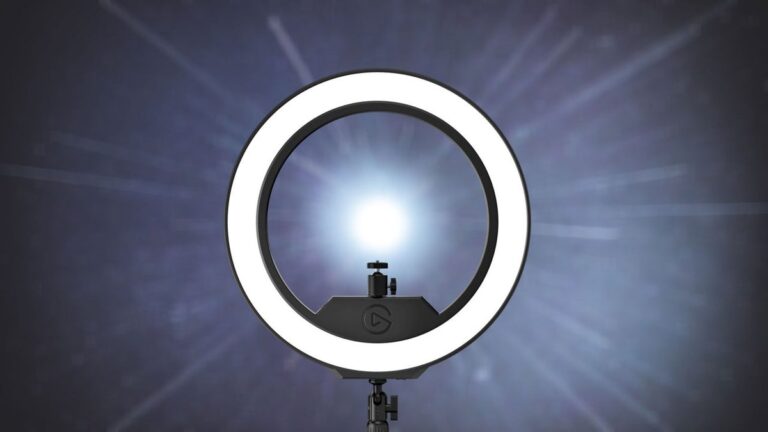
Diffuser for Ring Light

A diffuser for ring light softens harsh light, reduces glare, and makes close-up video or call lighting look more flattering. The best choice depends on fit, material, and how much brightness you are willing to trade for a smoother look.
diffuser for ring light is one of the simplest ways to make a ring light feel less harsh, more flattering, and easier to live with in a real room. If your setup throws bright hotspots, shiny reflections, or a “too digital” look on skin and surfaces, a diffuser can help soften the beam without changing the whole lighting kit.
- Fit first: Match the diffuser to your ring light’s diameter and mounting style.
- Softness vs output: More diffusion usually means less brightness and softer shadows.
- Best use cases: Beauty, streaming, and video calls benefit the most.
- Material matters: Neutral, durable, easy-to-clean materials are usually the safest buy.
- Placement still counts: Good height and distance often matter as much as the diffuser itself.
What a Diffuser for Ring Light Does and Whether You Need One
A diffuser sits between the ring light and the room, spreading the light so it looks less direct and more even. In practical terms, that usually means softer shadows, less glare on glasses or glossy skin, and a smoother transition between highlights and midtones.
You may not need one if you already like the crisp, high-contrast look of a bare ring light or if your room is bright enough that the light is only a fill source. But if the ring light is your main front light for video calls, beauty content, or close-up work, a diffuser often makes the result look more natural.
It helps to think of a diffuser as a quality-control accessory rather than a brightness booster. The goal is not maximum output; it is more controlled, comfortable light that suits faces, products, and small interiors.
How to Choose the Right Diffuser for Your Ring Light
The best choice depends on fit, material, and how much softness you want to trade for brightness. Since ring lights vary by diameter, mounting style, and accessory system, the official product listing and manufacturer specifications matter more than a generic “universal” label.
Size, Fit, and Mounting Compatibility
Start with the actual diameter of your ring light and any inner opening or lens mount the diffuser needs to cover. A loose cover can sag, block controls, or shift unevenly; a tight one may be difficult to install or remove.
Check whether the diffuser is clip-on, slip-on, magnetic, or built into the fixture. If your ring light folds, tilts, or uses a phone holder in the center, make sure the diffuser does not interfere with those parts.
- Confirm the ring light diameter and mount style
- Check clearance for phone holders, stands, and controls
- Review whether the diffuser is removable for cleaning or storage
Material, Light Softening, and Color Accuracy
Diffusers are typically made from fabric, silicone, plastic, or layered synthetic materials. Thicker or more opaque materials usually soften light more, but they also reduce brightness more noticeably.
If color accuracy matters, look for a diffuser that does not introduce an obvious color cast. Clear or neutral-white materials are usually safer choices than heavily tinted ones, but the exact result varies by model and the ring light’s own LED color quality.
Manufacturer descriptions may say a diffuser is “softening” or “glare reducing,” but the actual effect depends on the ring light’s output, distance to the subject, and room reflectivity.
Durability, Heat Resistance, and Ease of Cleaning
A diffuser should handle regular installation and removal without stretching, warping, or cracking. If your ring light runs warm, check the material’s heat tolerance in the product details rather than assuming all covers behave the same.
Cleaning matters more than many buyers expect. Makeup residue, dust, and fingerprints can build up quickly on light-shaping accessories, so a surface that wipes clean easily is usually more practical than one that needs delicate care.
Do not assume every diffuser is safe to leave on every ring light indefinitely. Check the manufacturer’s instructions for heat, ventilation, and cleaning limits, especially on compact models.
Best Uses by Room, Setup, and Content Style
A diffuser is most useful when the ring light is close to people or reflective surfaces. It is less about the room’s “style” in a decorative sense and more about how that room uses light: close-up filming, desk work, mirror-adjacent placement, or a small studio corner.
Beauty, Streaming, and Video Calls
Beauty content and live streaming are the most obvious use cases because the camera is often close to the face. A diffuser can make skin texture look less stark and reduce the bright ring reflection that some people find distracting.
For video calls, the benefit is usually subtler but still useful. Softer front lighting can make you look less washed out, especially if you sit near a monitor or under mixed room lighting.
Home Office, Bedroom, and Small Studio Spaces
In a home office, a diffuser can make the ring light feel less like a spotlight and more like general task lighting for the upper body and face. That matters if your desk is small or the background is close behind you.
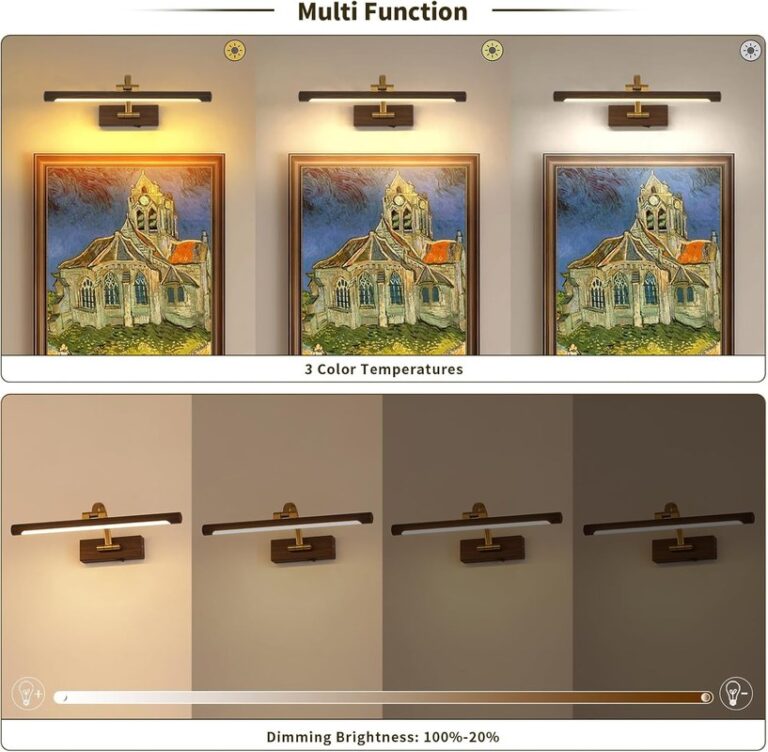
Bedrooms and compact studio corners often benefit from softer light because walls, mirrors, and glossy furniture can bounce a bare ring light around aggressively. If you are building a cleaner-looking workspace, pairing a diffuser with thoughtful placement can help the setup feel more intentional. For readers comparing broader room lighting options, this small-space picture light guide is useful for understanding how controlled light changes a room’s mood.
Think of the diffuser as the “soft finish” in a room that already has strong lines, screens, and reflective surfaces.
When a Diffuser Is Less Useful
A diffuser is not always the right answer. If you need maximum brightness for a large room, product photography across a wider surface, or a punchier look with more defined shadows, the diffuser may make the light too soft or too dim.
It can also be less helpful when your ring light is already far from the subject, since distance alone softens light. In that case, a diffuser may add complexity without much visible improvement.
Styling a Ring Light Setup for a Cleaner Look
A diffuser can improve the light, but the setup still needs to look tidy in the room. Cables, stand position, and background clutter often affect the finished appearance as much as the light itself.
Placement Tips for Flattering Front Lighting
Place the ring light slightly above eye level and angle it gently downward for a more flattering result. That position usually reduces under-eye shadows without making the face look flat.
Keep the light far enough away that the diffuser can spread the beam before it reaches the subject, but not so far that the output becomes weak. If you are using a phone or webcam, check the frame on screen rather than judging only by room brightness.
- Raise the stand before raising brightness; better placement often solves more than extra power.
- Keep the diffuser centered so the light stays even across the face or subject.
- Use a simple background if you want the softer light to feel more polished on camera.
Matching the Diffuser to Your Desk, Background, or Decor
Clear, white, or neutral-toned diffusers tend to disappear visually in most modern rooms. If your desk setup leans minimalist, a low-profile diffuser usually looks cleaner than a bulky add-on.
In warmer, more decorative rooms, the goal is often to make the lighting feel deliberate rather than technical. A diffuser can help the ring light blend into the space instead of reading as obvious gear, especially when paired with coordinated stands, organizers, or a muted background palette.
Benefits, Limitations, and Common Mistakes
The value of a diffuser is easiest to understand when you compare what it improves against what it inevitably changes. Like most light-shaping tools, it solves one problem by creating a mild trade-off elsewhere.
What a Diffuser Improves Most
The biggest gains are usually softness, comfort, and visual polish. It can reduce harsh highlights on skin, soften shine on eyeglasses, and make a ring light’s beam less obvious in the final image.
It also helps when the room has reflective surfaces such as mirrors, picture frames, lacquered furniture, or glossy paint. In those spaces, a diffuser can make the lighting feel more controlled and less busy.
Trade-Offs in Brightness and Shadow Control
Any diffuser that softens light will usually reduce brightness to some degree. That may mean you need to move the light closer, raise the output, or accept a gentler look with less punch.
Soft light also reduces shadow definition. That is great for faces and many everyday setups, but it may be a drawback if you want more shape, texture, or contrast in product shots or creative portraits.
- Softer, more flattering front light
- Less glare on reflective surfaces
- Cleaner on-camera appearance
- Some brightness loss is normal
- May reduce shadow definition too much
- Fit and compatibility can be model-specific
Frequent Buying and Setup Errors
One common mistake is buying a diffuser before confirming the ring light’s size or mounting style. Another is assuming one universal cover will work equally well across multiple models, which is rarely true in practice.
People also often place the light too close to the face after adding a diffuser, then compensate by increasing brightness too much. That can undo the softening effect and create a flat, overlit look.
- Verify fit before ordering
- Test the light at a slightly greater distance first
- Check the result on camera, not just in the room
- Buying based on “universal” claims alone
- Overdriving the brightness to compensate for poor placement
- Ignoring how the diffuser changes the look on screen
Comparing Diffuser Types and What Offers the Best Value
Different diffuser styles suit different priorities. The best value is not always the cheapest option; it is the one that fits your light, your room, and how often you plan to move the setup.
Clip-On, Slip-On, and Built-In Options
Clip-on diffusers are convenient when you want quick removal and a cleaner fit around the ring. Slip-on styles can be simple and inexpensive, but they may be less secure if the sizing is not exact.
Built-in diffusion is the most seamless option because it is part of the light’s design. That usually gives the cleanest appearance, but it also means you cannot fine-tune the diffusion separately from the fixture.
| Option | Best For | Key Consideration |
|---|---|---|
| Clip-on | Flexible setups and frequent adjustments | Check that clips do not block controls |
| Slip-on | Simple, budget-conscious use | Fit must be close to exact |
| Built-in | Cleanest overall look | Less flexibility if you want a different softness level |
Budget vs Premium Materials
Budget diffusers can be perfectly practical if the fit is right and the material is even. The main risk is that cheaper materials may yellow, wrinkle, or lose shape sooner, depending on use and storage.
Premium versions may offer better stitching, more stable mounting, or more consistent light spread. That said, a higher price does not automatically mean better performance for your specific ring light, especially if the size or shape is off.
Best Choice for Different Budgets and Needs
If you only need softer light for occasional calls, a basic removable diffuser may be enough. If you stream, film regularly, or want a more polished desk setup, it can be worth choosing a sturdier option that is easier to install and remove.
For buyers comparing value, the strongest choice is usually the one that balances fit, easy cleaning, and predictable light softening. If you are also deciding between different gallery-style lighting accessories for a room, the broader principles in how to choose a picture light for artwork can help you think about beam control and room scale.
The best value is usually a diffuser that fits securely, softens light without excessive color shift, and removes easily for cleaning. That balance works especially well for home offices and content corners where the setup needs to look neat day after day.
Care, Maintenance, and Final Recommendation
A diffuser lasts longer when it is handled gently and stored flat or uncompressed whenever possible. Even simple accessories can wear unevenly if they are repeatedly stretched, folded tightly, or left dusty.
Cleaning, Storage, and Replacement Timing
Use the manufacturer’s care instructions first, since materials vary. In general, a soft dry cloth or lightly damp cloth is enough for dust and fingerprints, but harsh cleaners can damage coatings or cloud the surface.
Store the diffuser away from direct sunlight, heat, and heavy pressure. If it starts to warp, discolor, crack, or lose its shape, replacement is usually the better option than forcing it back onto the light.
Who Should Buy One in 2026
A diffuser for ring light is a smart buy for anyone who uses a ring light close to the face, wants a less harsh on-camera look, or needs to tame reflections in a compact room. It is especially useful for beauty creators, remote workers, and renters building a tidy desk or filming corner.
If your priority is crisp, high-output light or you rarely shoot yourself on camera, it may be less necessary. But for most people who want the ring light to feel more flattering and less technical, a well-fitting diffuser is one of the simplest upgrades you can make.
- Choose fit first, then softness level and material quality.
- Expect some brightness loss in exchange for a smoother, more flattering look.
- Best results come from good placement, not just adding an accessory.
Frequently Asked Questions