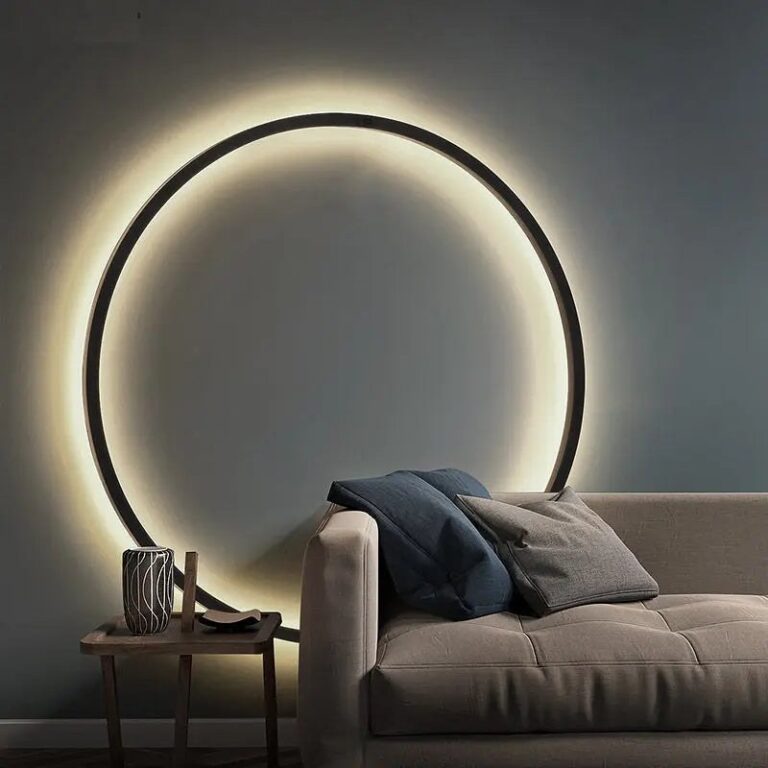
Are Ring Lights Bad for Your Eyes

No, ring lights are not inherently bad for your eyes. They can cause discomfort if they are too bright, too close, flicker, or are used in a dark room for long periods.
are ring lights bad for your eyes is a fair question, especially if you spend long stretches on video calls, makeup, streaming, or desk work. The short answer is that ring lights are not inherently bad, but the wrong brightness, distance, flicker, or placement can make them uncomfortable fast.
- Brightness matters most: Lower, well-matched output is usually more comfortable than maximum brightness.
- Distance helps: Moving the light farther away often reduces glare and eye fatigue.
- Flicker is a real factor: Stable dimming is important for sensitive users and long sessions.
- Room balance counts: Ring lights work best with some ambient light, not as the only light source.
Are Ring Lights Bad for Your Eyes? The Short Answer and Why It Depends
For most people, a ring light is more of a comfort issue than a danger issue. The ring shape itself is not the problem; eye strain usually comes from how intense the light is, how long you look at it, and whether the room is balanced with enough ambient light.
If a ring light is too bright, aimed directly into your eyes, or used in a dim room for hours, it can leave your eyes feeling tired, dry, or gritty. Sensitive users may also notice headaches or difficulty focusing, especially with lower-quality LEDs that flicker or cast harsh glare.
The practical takeaway is simple: a ring light can be a good tool when it is used as a soft, controlled source of fill light. It becomes less comfortable when it is treated like the only light in the room.
How Ring Lights Affect the Eyes: Brightness, Flicker, Glare, and Blue Light
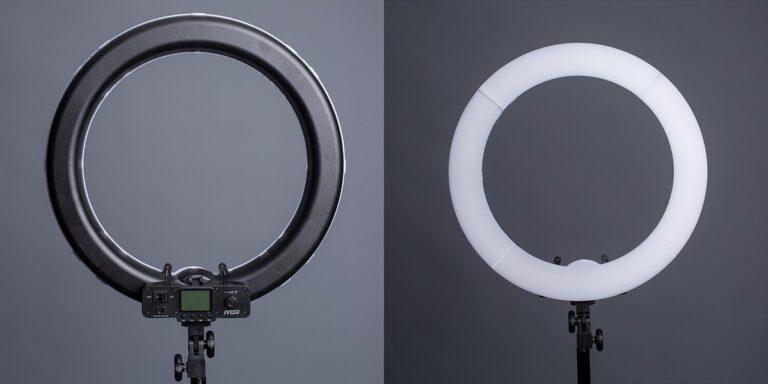
Ring lights are popular because they create even illumination and reduce shadows, but the eye response depends on more than brightness alone. The most common comfort issues are glare, flicker, and a mismatch between the light and the room around it.
Why brightness and distance matter more than the ring shape itself
A ring light that is close to your face can feel much stronger than one placed farther away, even if both are set to the same output. Light intensity drops with distance, so moving the fixture back a little often makes it easier on the eyes without sacrificing usefulness.
Brightness also matters because pupils respond to contrast. If the ring light is much brighter than the rest of the room, your eyes keep adjusting, which can feel tiring during longer sessions. A dimmer setting that matches the task is usually more comfortable than maximum output.
When flicker becomes a problem for comfort and focus
Some LED ring lights flicker in ways you cannot always see directly, but your eyes and brain may still notice the effect as fatigue or reduced concentration. This is more likely with cheaper dimming systems or lights that behave inconsistently at lower settings.
If you are sensitive to flicker, look for product listings that specifically mention flicker-free performance or stable dimming. Because specifications vary by model, it is worth checking the manufacturer details rather than assuming every LED ring light behaves the same way.
Flicker sensitivity varies a lot from person to person. A light that feels fine for one user may still bother someone who gets headaches easily or spends hours in front of a screen.
Blue light concerns in 2026: what is known and what is overstated
Blue light gets a lot of attention, but for ring lights the more immediate issue is usually glare and brightness rather than blue light alone. Many LED ring lights offer adjustable color temperatures, which can help you choose a warmer setting for evening use or a cooler setting for daylight-style tasks.
Blue light from a ring light is not automatically harmful in everyday use, but very cool, intense light can feel harsh in a dark room and may make it harder to relax late in the day. For comfort, it is usually better to match the color temperature to the time of day and the purpose of the light.
If you want a broader lighting perspective, Hurrell Editions also covers how gallery picture lights work and why dimming matters in display lighting, which is a useful comparison when you are thinking about eye comfort and brightness control.
Who Ring Lights Suit Best and Which Rooms They Work In
Ring lights are most useful when you need a controlled face light or a compact task light. They are less appealing when you want a room to feel warm, layered, and relaxed.
Home offices, beauty setups, and content-creation corners
Ring lights make sense in home offices when video calls are a regular part of the day and you want your face to read clearly on camera. They are also a natural fit for beauty stations, where even frontal lighting helps with makeup application, skincare routines, or close-up grooming tasks.
For content-creation corners, a ring light can be a practical way to get repeatable lighting without a large studio setup. The best results usually come from using it as part of a small lighting system rather than as the only source in the space.
Bedrooms and living rooms: when ring lights feel too clinical
In bedrooms and living rooms, ring lights can sometimes feel too direct or technical, especially if the room is designed for rest. A bright circular light can visually dominate a softer interior and make the space feel more like a studio than a home.
That does not mean they never belong there. It just means they work best in a corner that can be visually separated from the main lounging area, or when the light is used briefly and dimmed well below full output.
Students, streamers, and casual users: matching use case to output
Students who need light for studying and occasional online classes may be better served by a ring light with strong dimming and warmer settings, rather than a high-output model designed for filming. Streamers may care more about consistent facial lighting and camera appearance, while casual users may only need something simple and adjustable.
The right choice depends on how long the light will be on and how close you will sit to it. If the light will run for hours, comfort features matter more than dramatic brightness claims.
What to Look for When Buying a Ring Light for Eye Comfort
When eye comfort is the priority, the best ring light is not necessarily the brightest or the most feature-packed. It is the one that gives you enough control to match the light to your room and your routine.
Brightness control, dimming range, and color temperature options
Look for a wide dimming range so you can lower output for close-up work and raise it only when needed. A good ring light should let you fine-tune brightness rather than forcing a few large jumps between settings.
Color temperature options are useful too. Warmer settings can feel easier on the eyes in the evening, while neutral or cooler settings may work better for daytime tasks, makeup, or camera work. The key is flexibility, not a single “best” setting.
Diffusion quality, CRI, and flicker-free performance
Diffusion affects how soft the light feels. Better diffusion helps reduce the hard-edged glare that can make LEDs uncomfortable, especially when the light is close to your face.
CRI, or color rendering index, matters when you want colors to look natural on camera or at a vanity. Higher CRI is generally preferred for makeup and creative work, but you should still check the full product specs because CRI alone does not guarantee comfort.
Flicker-free performance is especially important for long sessions. If the product page does not say anything about flicker, treat that as a signal to read carefully and compare models before buying.
- Check dimming range and color temperature control
- Look for diffusion and flicker-free claims in the product specs
- Confirm stand height, stability, and footprint for your room
- Verify warranty, return terms, and care instructions on the official listing
Power source, stand stability, and build materials
Plug-in models usually offer steady power for long sessions, while battery-operated or rechargeable versions can be more flexible in small spaces. The tradeoff is that battery-based lights may need more attention to runtime and charging, depending on the model.
Stand stability matters more than many buyers expect. A wobbly tripod or lightweight base can make placement awkward, especially in tight rooms where the light sits near a desk, vanity, or bed. Build materials also affect how durable the setup feels over time.
Size, shape, and placement flexibility for small or shared spaces
Smaller ring lights are easier to tuck into apartments, shared bedrooms, and multipurpose rooms, but they may not spread light as broadly. Larger models can feel more even, yet they take more floor space and can dominate a room visually.
If your space is limited, prioritize adjustability and footprint over sheer size. In many homes, a flexible stand and a compact head are more useful than a large light that is hard to store.
For readers comparing different lighting styles, Hurrell Editions has a helpful guide to whether gallery picture lights are worth it, which is useful if you are deciding between decorative lighting and task lighting in a shared room.
How to Place and Use a Ring Light Safely and Comfortably
Good placement is what turns a ring light from a harsh spotlight into a useful everyday tool. The goal is to keep the light effective without forcing your eyes to stare into it directly for long periods.
Ideal height, angle, and distance from face or workspace
A ring light usually feels best when it sits slightly above eye level and points gently downward, rather than shining straight into your face. That angle helps soften shadows without making the beam feel aggressive.
Distance matters just as much. For face lighting, a bit more space often creates a softer, more flattering result. For desk lighting, the light should illuminate the work surface without hitting your eyes directly every time you look up.
Best settings for reading, video calls, makeup, and filming
For reading, use the lowest brightness that still makes text easy to see, and pair the ring light with room lighting so your eyes do not adapt to a single bright source. For video calls, aim for even front lighting without a hot spot in the center of your face.
For makeup, neutral to slightly warm settings often help colors read more naturally. For filming, consistency matters more than raw brightness, so a stable setting that stays comfortable during the full session is usually the better choice.
Place the ring light a little above eye level so it softens shadows instead of shining straight into your eyes.
Start dim and increase only until the task looks clear and the room still feels comfortable.
Use a lamp or natural light so the ring light is not the only bright source in the room.
Common mistakes: direct stare exposure, over-bright setups, and poor room balance
The most common mistake is placing the light too close and too bright, then using it in a dark room. That combination creates the strongest contrast and is the most likely to feel tiring.
Another mistake is treating the ring light as a replacement for all other lighting. A better setup usually includes a softer room lamp or daylight from a window, which gives your eyes more visual balance.
- Use the lowest comfortable brightness
- Keep the light slightly above eye level
- Balance it with ambient room lighting
- Staring into the light for long periods
- Running it at full power in a dark room
- Ignoring flicker or glare if it feels uncomfortable
Styling a Ring Light Into Your Space Without Harshness
A ring light does not have to make a room look like a studio set. With a little attention to finish, placement, and surrounding decor, it can blend into a home office or vanity area more gracefully.
Matching the finish and stand to modern, minimalist, or creative interiors
Neutral finishes tend to disappear more easily in modern and minimalist rooms, while black or matte metal stands often look cleaner than glossy plastic. In creative spaces, a ring light can feel intentional if it sits near other functional tools rather than floating in the middle of the room.
The goal is to make the light look like part of the setup, not a temporary afterthought. That usually means choosing a stand and base that visually align with the rest of the furniture.
Using ambient lamps and natural light to soften the look
Ambient lighting helps a ring light feel less stark. A table lamp, floor lamp, or daylight from a window can reduce the contrast that often makes LED lighting feel clinical.
In daytime, natural light can do much of the work, with the ring light used only as fill. In the evening, a warm lamp in the background can make the whole room feel more comfortable and less camera-focused.
If the ring light looks too harsh in your room, the fix is often not a different light — it is a softer surrounding layer of light.
Keeping cables, tripods, and accessories visually tidy
Visible cords and sprawling tripods can make a room feel busier than it needs to be. If the setup lives in a shared space, keep accessories stored together and route cables neatly so the light does not read as clutter.
That matters even more in bedrooms and small apartments, where one bulky stand can change the whole mood of the room. A tidy setup is easier to live with and less likely to get in the way of daily routines.
Benefits, Limitations, and Better Alternatives for Different Needs
Ring lights are useful because they offer predictable, frontal illumination in a compact package. But they are not the best answer for every room or every eye.
Advantages for visibility, consistency, and content quality
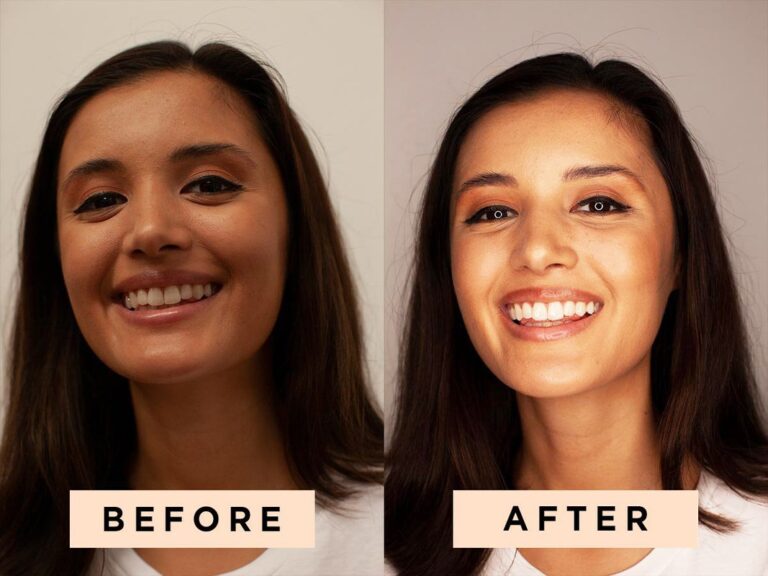
The biggest advantage is consistency. Ring lights make it easier to brighten your face evenly, reduce unflattering shadows, and get repeatable results for calls or filming.
They are also space-efficient compared with larger studio lighting setups. For renters, students, and creators working in small rooms, that compact footprint can be a major advantage.
- Even front-facing light for calls and filming
- Compact and often easy to reposition
- Useful for makeup, grooming, and desk tasks
- Can feel harsh if too bright or too close
- Some models may flicker or glare
- Not always the warmest or most relaxing room light
Limitations for long sessions, sensitive eyes, and small rooms
For long sessions, especially in a dim room, a ring light can become fatiguing if it is not carefully adjusted. Sensitive users may also prefer softer, more diffused light sources that feel less direct.
Small rooms can be tricky because the light may reflect off nearby walls, mirrors, or glossy surfaces. That can increase visual busyness and make the space feel brighter than intended.
Alternatives: softbox lights, monitor lights, desk lamps, and natural light
Softbox lights are often better if you want a broader, gentler wash of light for filming or portrait work. Monitor lights can be useful for desk setups because they illuminate the workspace without taking up much room.
Desk lamps are better for reading and task lighting, especially when you want the light aimed downward rather than at your face. Natural light remains one of the most comfortable options when your schedule and room layout make it possible.
If you are comparing lighting options for a smaller room, this guide to the best gallery picture light for small spaces can help you think about footprint, brightness, and visual balance in a more compact setting.
Care, Maintenance, and Final Verdict: Are Ring Lights Worth It in 2026?
Ring lights are worth it when you need controllable, face-forward lighting and you are willing to use them thoughtfully. They are less worth it if you want a soft, ambient room mood and do not need frequent task lighting.
Cleaning, storage, bulb/LED longevity, and checking for wear
Keep the light clean by dusting the ring, stand, and diffuser regularly, since buildup can make LEDs look harsher over time. Store the light carefully when not in use so the stand, joints, and cables do not get bent or stressed.
LED longevity varies by model and usage conditions, so check the manufacturer care guidance for heat, storage, and replacement parts. If you notice wobbling joints, damaged cords, or inconsistent output, stop using the light until the issue is addressed.
Do not keep using a light with frayed wiring, unstable hardware, or visible heat damage. For electrical safety, follow the official instructions and replace worn parts only with compatible components.
Value for money: when a ring light is a smart buy
A ring light is a smart buy if you need reliable lighting for video calls, beauty work, or content creation and you want a setup that is simple to manage. It is especially practical when space is limited and you need something that can be moved or stored easily.
It is less compelling if you only want occasional reading light or if your room already has strong natural light and layered lamps. In those cases, a ring light may be more equipment than you need.
Final recommendation based on eye comfort, quality, and intended use
My recommendation is to choose a ring light only if you can adjust brightness, color temperature, and placement to suit your eyes and your room. When those controls are present, ring lights are usually comfortable enough for everyday use and genuinely helpful for task lighting.
If you are sensitive to glare or plan to use the light for long sessions, prioritize softer diffusion, stable dimming, and a setup that includes other room lighting. That approach gives you the benefits of a ring light without making the space feel harsh.
FAQs
See below for common questions about comfort, placement, and buying the right model.
Frequently Asked Questions