Diy Floating Picture Frame: Complete Artist’s Guide

A diy floating picture frame gives canvas art a polished, gallery-style edge while keeping the artwork visually open. It works best when the materials, reveal gap, and finish are chosen to support both the art and the room.
A diy floating picture frame gives canvas art a cleaner, more finished presence without overpowering the work itself. In 2026 interiors, that balance matters more than ever: people want rooms that feel curated, personal, and quietly gallery-like, not overly decorated.
- Best fit: Stretched canvas, canvas prints, and mixed-media panels.
- Design effect: The reveal gap creates a clean floating look.
- Top materials: Oak, walnut, pine, poplar, or painted wood.
- Style rule: Let the frame support the art, not overpower it.
- Care note: Avoid humidity, direct sun, and uneven mounting.
What a DIY Floating Picture Frame Is and Why It Elevates Art in 2026 Interiors
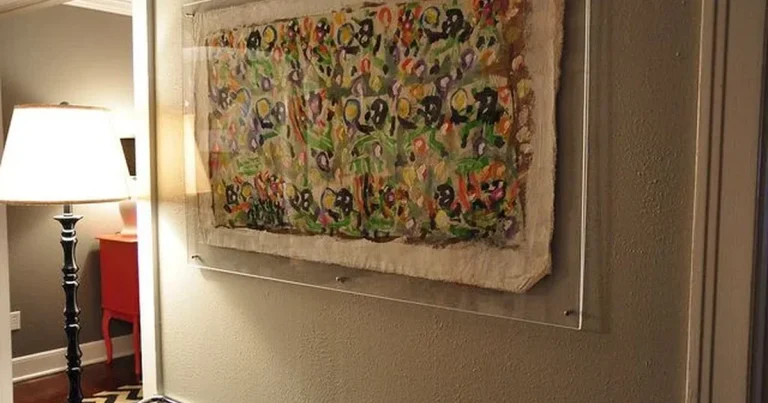
A floating picture frame is designed to hold a canvas or panel slightly inset from the front edge, creating a slim reveal around the artwork. That visible gap is what makes the piece feel “floated,” as if it is suspended inside the frame rather than pressed into it.
This effect works beautifully in homes that lean modern, warm minimal, or art-forward. It adds definition to a canvas while preserving the texture, brushwork, and edges that make the artwork feel alive.
How the floating edge creates a gallery-style presentation
The floating edge acts like a visual pause. It separates the art from the wall just enough to make the object feel intentional, but not so much that it becomes ornate or distracting.
For painters and collectors, that restraint is the appeal. A good diy floating picture frame can make even a simple canvas look more resolved, especially when the frame color and reveal gap are chosen carefully.
Why artists, collectors, and design-led homes are choosing float frames
Artists like the way float frames protect the edges of a canvas while keeping the surface visually open. Collectors appreciate that the format feels contemporary without being trendy in a disposable way.
In design-led homes, the frame helps artwork read as architecture rather than decoration. That is especially useful in rooms with clean lines, pale walls, and layered natural textures.
- Creates a polished gallery feel
- Helps canvas art look intentional and finished
- Works across modern, warm, and minimalist interiors
- Can elevate both original art and high-quality prints
Choosing the Right Artwork: Canvas Sizes, Edge Depth, and Visual Impact
Not every piece needs a float frame, and not every float frame suits every piece. The best results come from matching the frame depth, canvas thickness, and visual scale to the artwork’s style.
Best uses for paintings, prints on canvas, and mixed-media panels
Float frames are especially strong for stretched canvas paintings, canvas prints, and mixed-media panels with clean edges. They also work well for works that benefit from breathing room around the perimeter.
For textured paintings, the frame can sharpen the presentation without flattening the surface. For photographic prints on canvas, it adds a more refined, collected feel.
- Stretched canvas paintings
- Canvas prints
- Mixed-media panels
- The artwork already has a strong decorative border
- You want a highly ornate or traditional look
- The piece relies on raw edge irregularity
When a float frame improves the work versus when it competes with it
A float frame improves the work when the artwork has enough visual clarity to stand on its own. It competes with the work when the frame is too dark, too thick, or too close in tone to the art without enough contrast.
As a rule, bold contemporary pieces can handle stronger frame colors, while softer or more atmospheric work often benefits from lighter wood or quiet neutrals.
- Canvas thickness and stretcher depth
- How much reveal gap you want around the edge
- Whether the art needs contrast or softness
- The room’s light, wall color, and furniture finish
Materials and Tools for a Clean DIY Floating Picture Frame Build
The cleanest DIY results usually come from straightforward materials and careful measuring. You do not need a complicated workshop setup, but you do need accuracy, patience, and a finish that suits the room.
Wood species, frame profiles, and finish options for contemporary interiors
Common choices include oak, walnut, poplar, pine, and pre-primed wood for painted finishes. Oak and walnut feel especially current because they bring warmth without visual clutter.
Frame profiles are usually simple: a clean rectangular edge, minimal ornament, and enough depth to create the floating effect. For contemporary interiors, matte finishes often look more natural than high gloss.
Essential tools, adhesives, fasteners, and measuring basics
You will typically need a saw, measuring tape, square, clamps, wood glue, corner fasteners or brad nails, and hanging hardware suited to the finished weight. Sandpaper and a good finish brush or cloth also help the frame feel polished.
Measuring is the part that matters most. The inner dimensions must match the canvas with just enough room for the reveal, and the corners should be square before anything is permanently fixed.
Budget context: entry-level DIY versus premium custom-looking results
Entry-level DIY builds usually use basic lumber, simple paint, and standard hardware. Mid-range results often come from better wood selection, cleaner joins, and a more deliberate finish.
Premium-looking results depend less on extravagance and more on precision: tight corners, consistent spacing, and a frame profile that feels intentional rather than improvised.
Step-by-Step Assembly Approach for a Crisp, Studio-Quality Finish
A diy floating picture frame is less about speed than precision. If the measurements are clean and the reveal gap is consistent, the finished piece can look surprisingly professional.
Preparing the canvas and planning the reveal gap
Start by measuring the canvas at its widest points, including any slight variation at the corners. Decide how much of the edge you want visible, since that reveal is part of the design.
For many canvases, a modest gap feels elegant and controlled. Too little gap can make the artwork feel cramped; too much can make the frame look detached.
Record the canvas width, height, and depth carefully before cutting any wood.
Choose a consistent gap so the canvas appears centered and balanced inside the frame.
Cutting, joining, and squaring the frame for a precise fit
Cut the frame pieces to length, then dry-fit them before applying glue or fasteners. A square frame is essential; even a slight angle can make the whole piece look off.
Clamps help hold the corners while the adhesive sets. If you are painting or staining the frame, finish the wood before final assembly whenever possible, so the edges stay crisp.
Mounting the canvas securely without distorting the surface
The canvas should be held firmly, but not crushed or bowed. Use mounting points that support the stretcher bars or panel without pressing directly into the painted surface.
Check the alignment from the front before fully securing the back. Once mounted, the artwork should sit evenly, with the reveal gap reading the same on all sides.
Canvas depth varies, so the frame should be planned around the actual stretcher bar thickness rather than a generic size estimate.
Style Trade-Offs: Natural Wood, Painted Finishes, and Contemporary Color Choices
The frame finish changes the entire mood of the piece. A diy floating picture frame can feel earthy, crisp, dramatic, or almost invisible depending on the color and texture you choose.
Warm oak and walnut for art-forward living rooms
Oak and walnut bring warmth, especially in living rooms filled with books, textured upholstery, and layered lighting. These woods feel thoughtful without stealing attention from the artwork.
They also age well visually, which makes them a strong choice for homes that value natural materials and a collected, lived-in atmosphere.
Matte black, white, and muted tones for minimalist or modern spaces
Matte black creates strong definition and works well when the art needs a sharper outline. White can feel airy and architectural, especially against darker walls or saturated artwork.
Muted tones such as soft gray, stone, or clay can be a lovely middle ground when you want the frame to blend into the room while still feeling intentional.
| Option | Best For | Note |
|---|---|---|
| Warm oak | Relaxed, artful living rooms | Brings softness and natural texture |
| Matte black | Modern and high-contrast interiors | Makes artwork feel more graphic |
| Soft white | Bright, minimal spaces | Keeps the presentation light and open |
How frame color changes the mood of the artwork and the room
Frame color does more than match the furniture. It can change whether the artwork feels serene, dramatic, grounded, or airy.
That is why a frame should be chosen in context, not in isolation. The best choice supports the art, the wall color, and the atmosphere of the room at once.
Curator Recommendations for Displaying Floating Frames in Real Homes
Float frames are versatile, but they shine most when placed with intention. Think of them as part of the room’s visual rhythm, not just an isolated wall object.
Best placements for bedrooms, entryways, reading corners, and dining rooms
Bedrooms often suit quieter pieces with soft wood or pale finishes. Entryways can handle a more assertive frame because the artwork acts as a first impression.
Reading corners and dining rooms are especially good places for float frames because those spaces naturally invite slower looking. The art becomes part of the room’s pace.
Pairing with lighting, shelving, books, and other decorative layers
Good lighting matters. A frame that looks elegant in daylight can disappear at night if the room is underlit, so consider a picture light or nearby lamp where appropriate.
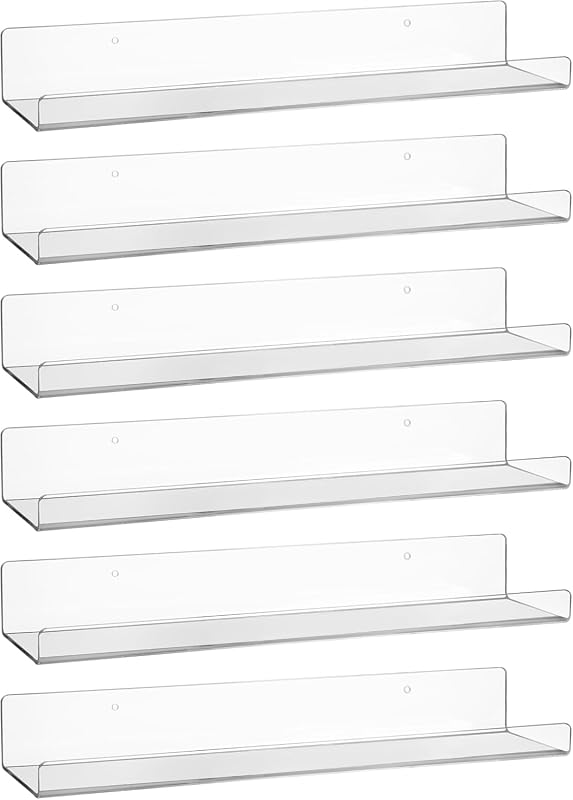
Float frames also pair beautifully with bookshelves, ledges, and layered surfaces. If you enjoy arranging art in small clusters, a resource like picture ledge shelves versus hanging individual frames can help you decide how to balance flexibility with a cleaner wall-mounted look.
When styling a float-framed canvas near books or lamps, leave a little negative space around it. The frame feels more deliberate when it is not crowded by too many objects.
Gift-worthy presentation ideas for artists, collectors, and housewarmings
A diy floating picture frame can be a thoughtful gift when paired with a meaningful canvas, a print from a favorite place, or a small original work. It feels personal without being overly sentimental.
For tabletop gifting or smaller artworks, pieces that coordinate with display hardware can be useful too, including options like gold picture frame stands for tabletop art display when the goal is a layered shelf or console arrangement.
A small canvas portrait or abstract study framed in walnut makes a particularly graceful housewarming gift. It feels finished, warm, and easy to place in both modern and traditional homes.
Care Tips, Longevity, and Common Mistakes to Avoid
Like most art display pieces, a float frame rewards careful handling. A little maintenance keeps it looking crisp and helps protect the artwork it holds.
Keeping the frame aligned, dust-free, and visually sharp over time
Dust the frame gently with a soft cloth and check that the canvas still sits evenly inside the reveal. If the piece is moved often, inspect the corners and hardware periodically.
For wall display, make sure the hanging system supports the weight evenly so the frame does not tilt or drift out of square.
Preventing warping, uneven reveals, and finish damage
Wood can warp if it is exposed to moisture or dramatic temperature changes, so avoid placing framed canvas art in damp bathrooms or near heat sources. Uneven reveals usually come from rushed measuring or a frame that was not squared before assembly.
Canvas art and wood frames can both be sensitive to humidity, direct sun, and repeated handling. If the artwork is valuable or especially delicate, use archival-safe materials and consider professional assembly.
When to choose a professional build for heirloom or high-value work
DIY is ideal for many home projects, but heirloom paintings, valuable originals, and unusually deep or irregular canvases may deserve professional handling. A custom framer can manage tricky dimensions and preservation concerns more confidently.
If you are framing work with sentimental or financial significance, the safest choice is often the one that protects the art first and the style second.
Creative Recap: Why a DIY Floating Picture Frame Feels Finished, Personal, and Gallery-Ready
A diy floating picture frame succeeds because it blends craftsmanship with restraint. It gives canvas art a defined edge, but it still lets the work breathe.
How the project blends craftsmanship, display, and interior styling
The appeal is as much about the room as the frame. A well-made float frame can make a wall feel edited, a corner feel more intentional, and a simple canvas feel worthy of closer looking.
It is one of those projects that quietly improves everything around it: the art, the wall, and the way the room is experienced.
Final takeaways for creating a frame that feels custom without losing the art
Choose materials that suit the artwork, measure carefully, and keep the finish aligned with the room’s mood. If you want a cleaner display strategy beyond one frame, our guide to styling picture ledges for layered art display can help you think about art as part of the whole interior.
Most of all, let the frame support the art rather than announce itself. That is what makes the result feel personal, polished, and genuinely gallery-ready.
Recommended Products
SHOP THIS SETUP
MCS Canvas Floater Frame for 1.5″ Deep Canvas, Black
This is a strong pick for anyone building a DIY floating picture frame because it’s designed specifically for stretched canvas and gives artwork the clean, gallery-style shadow gap that defines the look. It’s a practical choice for home decorators and artists alike, with a simple black finish that works with modern, minimalist, and traditional interiors.
Frequently Asked Questions
A diy floating picture frame is a frame built to hold a canvas with a visible gap around the edges. That gap creates a gallery-style effect that makes the artwork look suspended inside the frame.
Stretched canvas paintings, canvas prints, and mixed-media panels usually work best. Pieces with clean edges and enough visual presence tend to benefit most from the floating reveal.
Oak, walnut, poplar, pine, and pre-primed wood are all common choices. The best option depends on whether you want a natural finish, a painted look, or a more premium custom feel.
Choose a gap that shows the canvas edge without making the artwork feel cramped or detached. The ideal spacing depends on the canvas size, frame depth, and the visual style of the piece.
It is usually better to avoid humid rooms, since wood and canvas can react to moisture over time. If the piece must go in a challenging space, use stable materials and consider professional advice.
Choose a professional build for heirloom, high-value, or unusually delicate artwork. Professional framing is also a good choice when you need archival materials or a very exact fit.