10 Best Acid-Free Storage Boxes for Books and Art Preservation

Books, prints, family photos, comics, and loose paper ephemera all face the same quiet threat in storage: materials that can speed up yellowing, edge wear, dust buildup, and handling damage over time. If you are shopping for acid free storage boxes for books, the right pick depends less on trend and more on format, access style, and whether you are storing bound volumes, flat artwork, photographs, or collectible paper.
This Hurrell Editions guide is built for readers who want practical archival-storage direction without overclaiming conservation performance. Some options here suit bookshelves and home offices, while others make more sense for print drawers, studio storage, photo archives, or comic collections that may later move into display, framing, or even a stack of coffee table books for modern living rooms.
The best acid free storage boxes for books in this roundup are the ones that match your collection’s size and handling needs. For broad everyday use, the Pioneer Jumbo Scrapbook Storage Box offers accessible archival features and practical dimensions, while Lineco’s archival boxes are stronger candidates for flatter paper-based collections, prints, and documents that benefit from lignin-free board and drop-front or clamshell access.
Quick Product Comparison
| Product | Image | Best For | Today’s Price |
|---|---|---|---|
| 1. Pioneer Jumbo Scrapbook Storage Box | 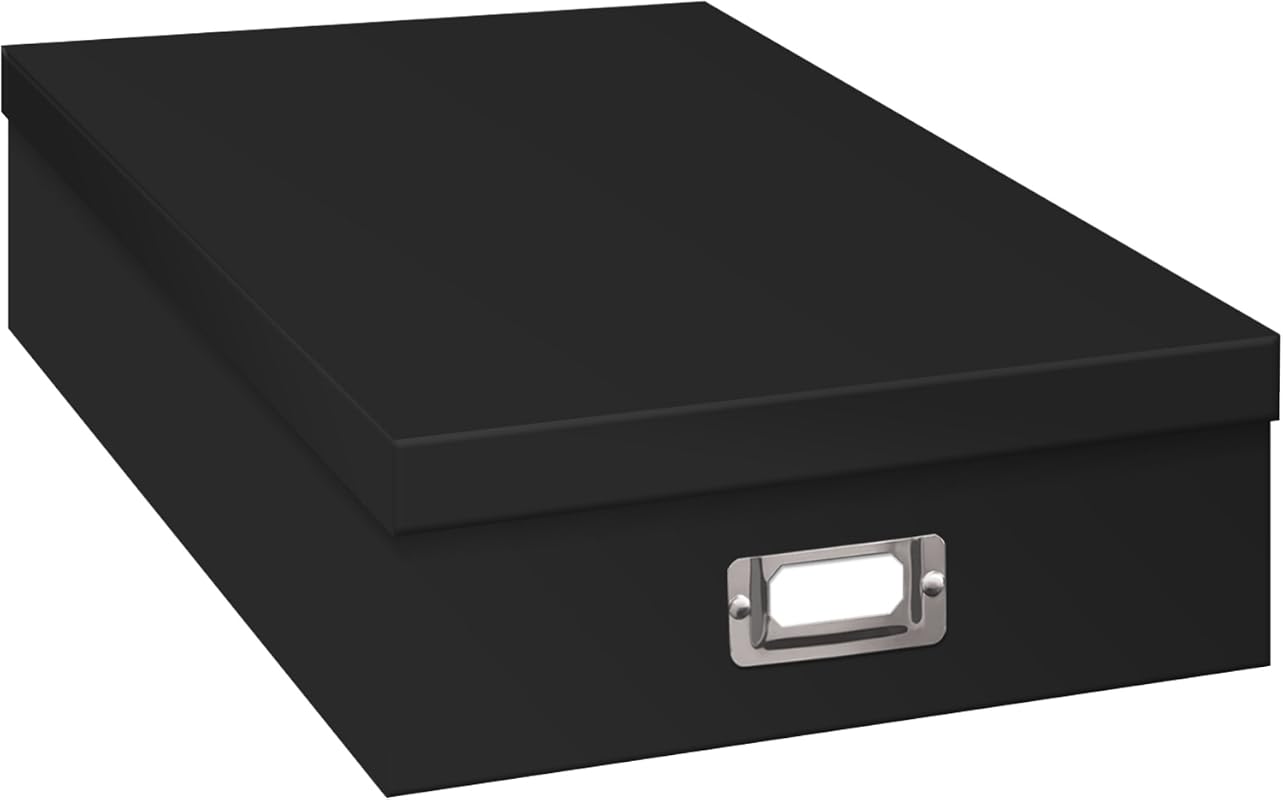 |
Scrapbooks, oversized paper items, and general shelf storage | See Price → |
| 2. Lineco Museum Storage Box | 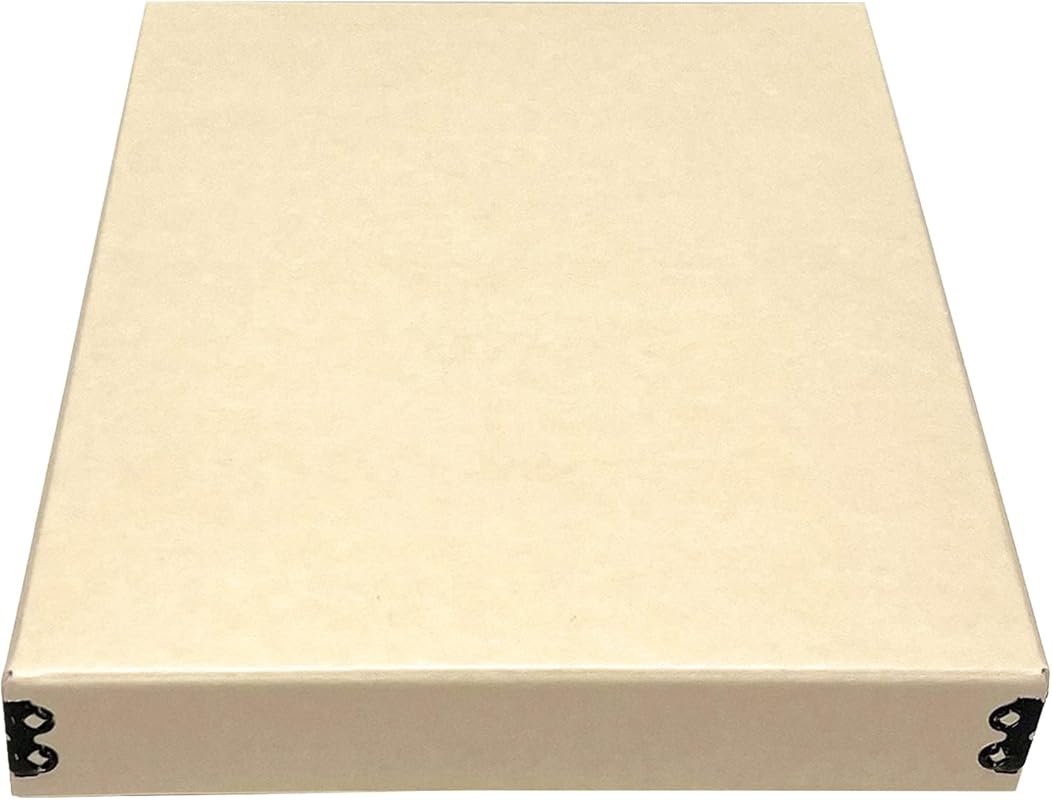 |
Certificates, photos, and delicate 8 x 10 inch paper storage | See Price → |
| 3. Protective Photo Slide Storage Binder | 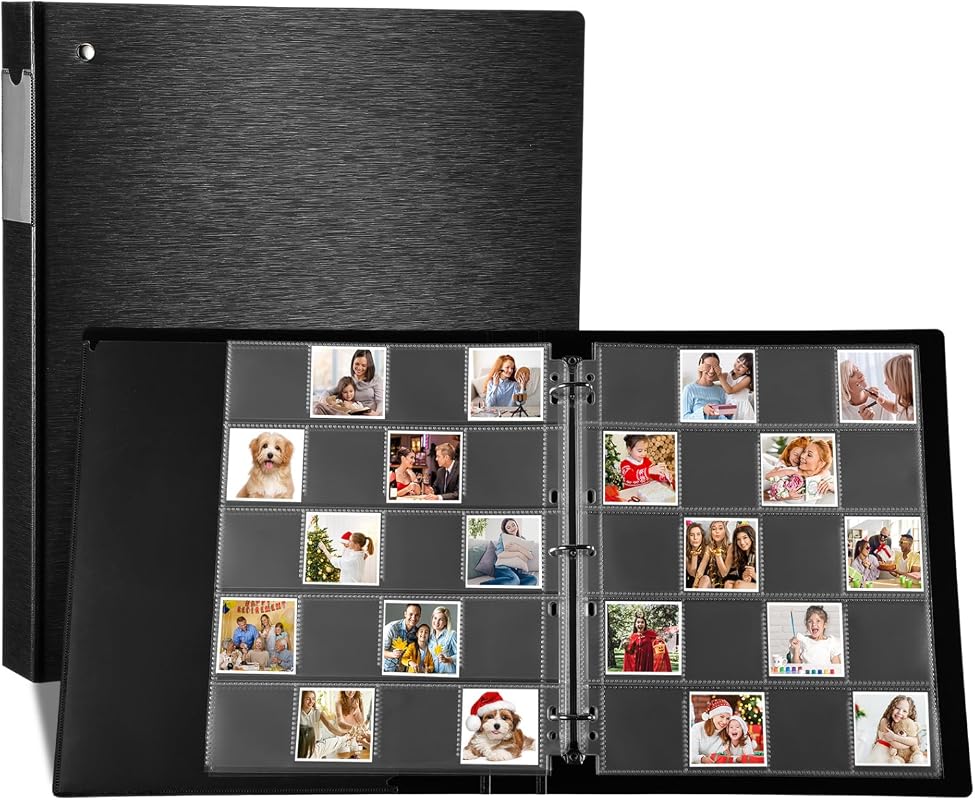 |
35mm slide archiving and visible page-by-page organization | See Price → |
| 4. Falken PureBox Pro Storage Box | 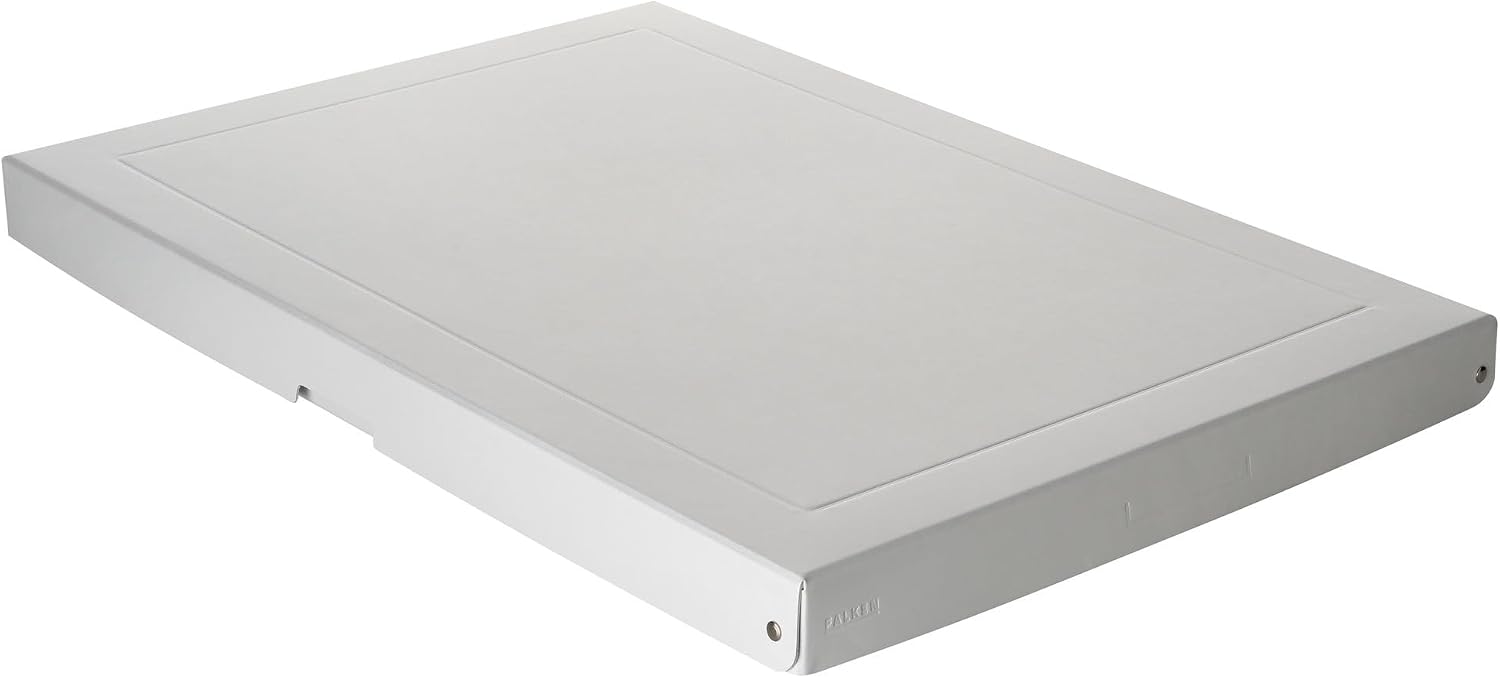 |
Large-format paper archives and standards-focused buyers | See Price → |
| 5. Photo Storage Boxes Organizer | 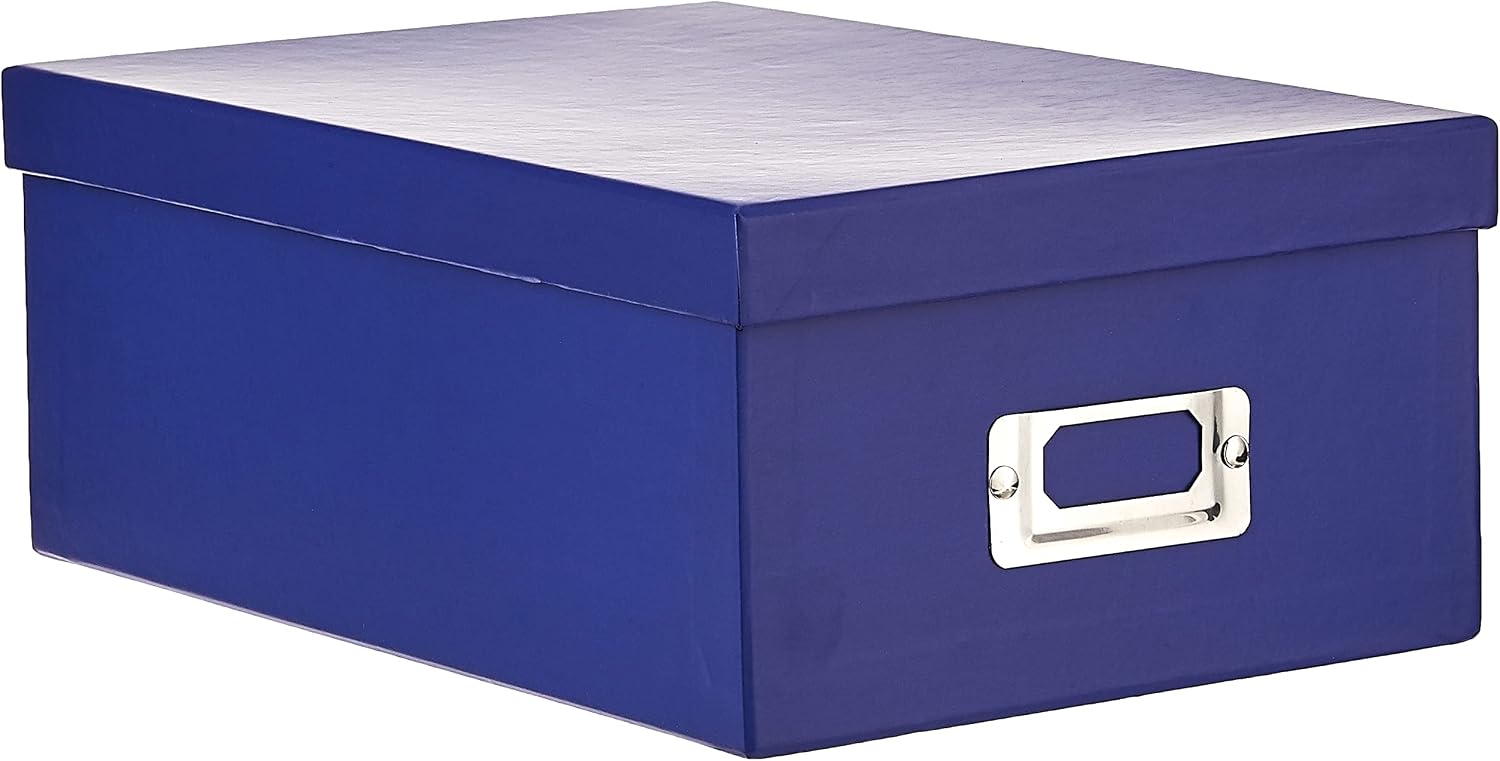 |
Sorting large batches of 4 x 6 prints | See Price → |
| 6. Lineco Clamshell Archival Folio Box | 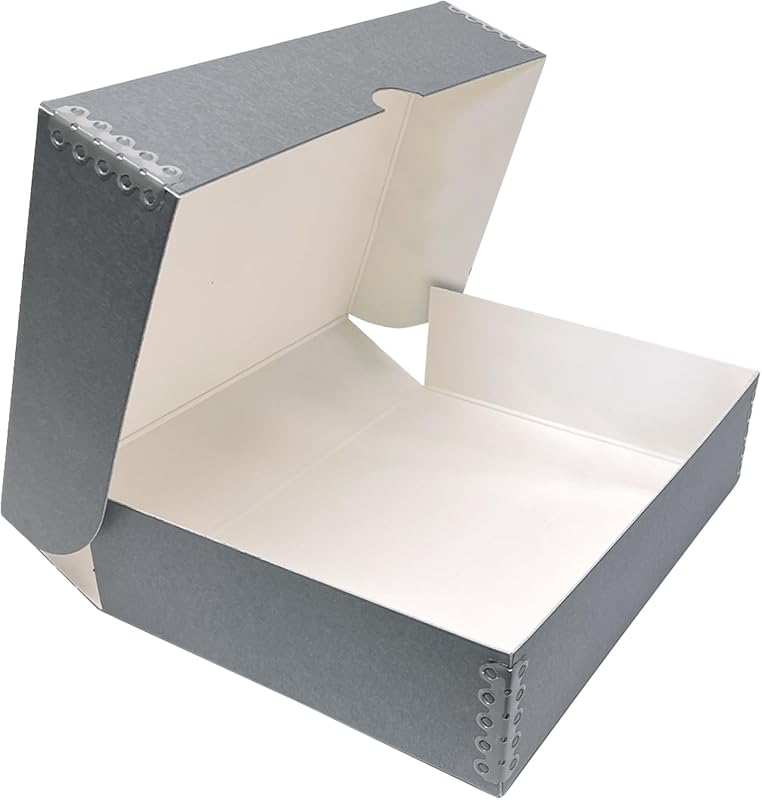 |
Magazines, prints, documents, and folio-style storage | See Price → |
| 7. 6 Pack Photo Storage Box | 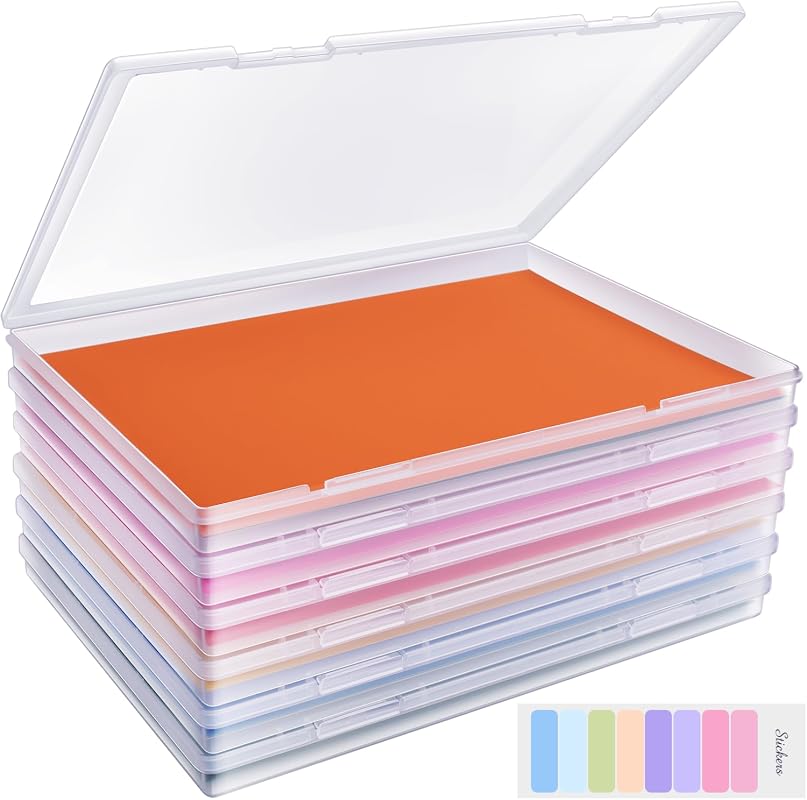 |
Visible, stackable storage for photos, crafts, and office papers | See Price → |
| 8. Lineco Museum Archival Storage Box | 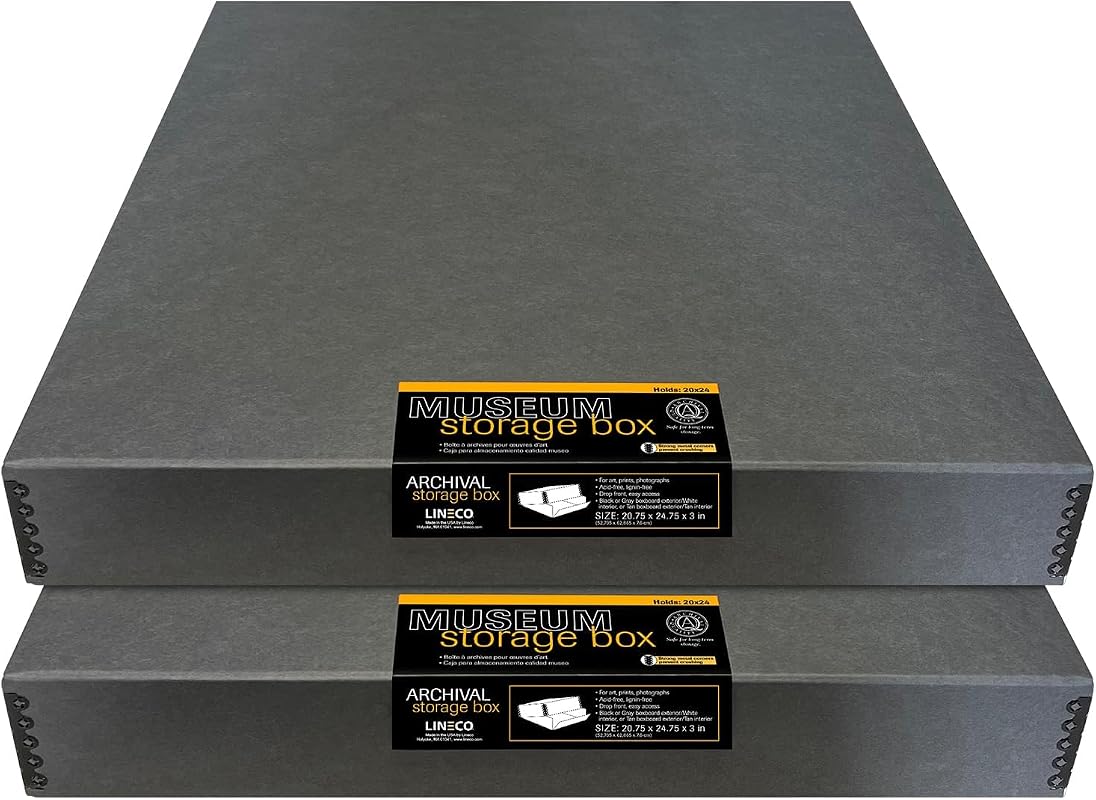 |
Large prints, artwork, and oversized flat paper storage | See Price → |
| 9. Silver Comic Book Boards | 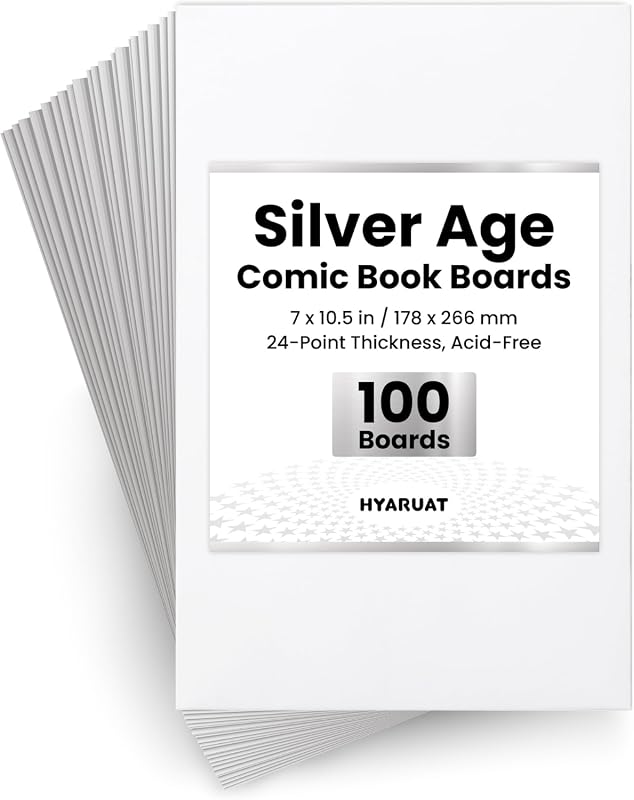 |
Supporting comics inside sleeves or bins | See Price → |
| 10. BCW Short Comic Book Bin | 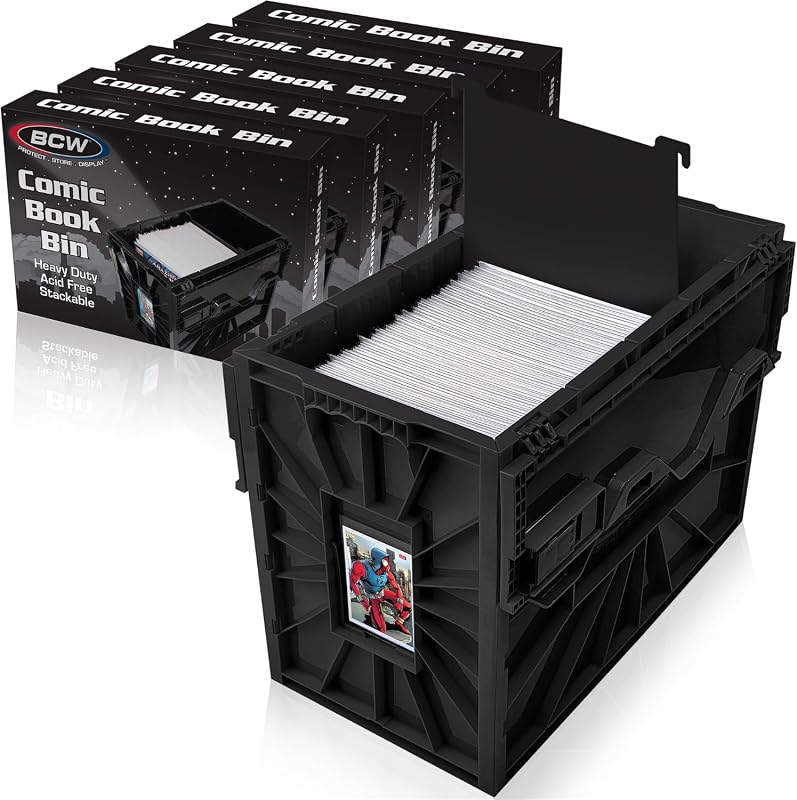 |
High-capacity comic storage with stackable organization | See Price → |
What to Look for in acid free storage boxes for books
Material claims you can actually verify
For archival storage, the most useful claims are the ones stated clearly in the product facts: acid-free, lignin-free, PVC-free, buffered board, or named standards such as DIN ISO 9706. If a listing does not explicitly make those claims, it is safer to treat it as a general organizer rather than a preservation-first option.
Shape and access style
Books and paper goods are easier to damage during retrieval than during storage. Drop-front and clamshell designs can reduce awkward lifting for flat prints, while lidded boxes work well for stacked scrapbooks, albums, and mixed paper supplies.
Size compatibility
Always match the box to the actual stored object, not just the room you want it to fit in. A box sized for 8 x 10 documents will behave very differently from one sized for 20 x 24 prints or one built for comic bins, so verify both the product dimensions and the dimensions of your books, sleeves, or folders before ordering.
Board strength or plastic durability
Thicker archival board, metal edge construction, and stackable heavy-duty plastic all matter when collections become dense. If you are storing large art books, magazines, or grouped paper archives, structural strength can be just as important as acid-free status.
Visibility versus light shielding
Clear plastic organizers make sorting easier, especially for photos and craft supplies, but opaque board boxes create a calmer, more library-like look and may better suit closed-shelf storage. The right choice depends on whether you prioritize quick identification or a quieter preservation setup.
If you are storing collectible books or loose prints that may later be displayed, choose a box large enough to avoid tight corners and repeated friction. For future presentation, Hurrell readers also often pair stored works with guidance on wood frames for pictures or browse display-focused book styling like neutral coffee table books for home decor.
Our Top 10 Acid Free Storage Boxes For Books Picks and Reviews
1. Pioneer Jumbo Scrapbook Storage Box, Black Archival Craft Organizer, 14.75 x 13 x 3.75 Inches
This Pioneer box is the most broadly useful option in the roundup for shoppers who need a straightforward archival-style organizer for scrapbooks, papers, and supplies. The supplied facts confirm acid-free construction plus acid-, lignin-, and PVC-free claims, which makes it one of the clearest general-purpose preservation picks here.
Key Features That Stand Out
- Made from acid free material, which is the baseline feature many book and paper collectors are shopping for.
- Archival and photo safe, with acid-, lignin-, and PVC-free claims stated in the product facts.
- Sturdy construction and a metal nameplate support repeat handling and easier labeling on shelves.
- Outside dimensions of 14-3/4 inches deep by 13 inches wide by 3-3/4 inches high give it a practical footprint for albums and paper stacks.
Why It Stands Out
Among the most versatile choices in this guide, this box bridges craft storage and preservation-minded home organization. It is especially useful when your collection includes mixed media such as scrapbooks, oversized papers, and printed keepsakes rather than only one narrow format.
Best For
Anyone storing scrapbooks, memory albums, loose papers, or larger book-adjacent materials in a closet, office, or studio shelf.
Pros and Cons
- Clear archival claims including acid-, lignin-, and PVC-free
- Useful dimensions for larger paper formats and albums
- Metal nameplate helps with identification
- Not designed as a drop-front or clamshell format for flat-art retrieval
- Shoppers should verify fit for thicker books or unusually oversized items
2. Lineco Museum Storage Box, Tan 8 x 10 x 1.5 Inch Archival Drop-Front Preservation Box
This Lineco box is a stronger alternative when your priority is flatter archival material rather than bulkier books. Its drop-front format, removable lid, and acid-free, lignin-free boxboard make it a focused preservation choice for photos, certificates, and delicate paper.
Key Features That Stand Out
- Acid-free and lignin-free boxboard is explicitly stated in the supplied facts.
- Made in the US from 60pt archival boxboard with metal edge construction for added strength.
- Drop-front design and fully removable lid allow easier retrieval of stored materials.
- Overall size of 8.75 by 10.75 by 1.5 inches fits up to 8 x 10 documents, prints, and photos.
Why It Stands Out
Its format is what makes it different. Instead of lifting contents up and out, the drop-front design supports gentler access for delicate paper items that can catch at corners or bend during removal.
Best For
Collectors preserving old photos, certificates, small prints, and paper memorabilia in standard 8 x 10 inch formats.
Pros and Cons
- Drop-front access is practical for delicate paper
- Acid-free and lignin-free board
- Metal edge construction adds structure
- Shallow depth limits use for thicker books or stacked materials
- Sized specifically for smaller paper formats, so verify compatibility first
3. Protective Photo Slide Storage Binder, 50 Acid-Free Pages, Holds 1,000 35mm Slides Total
Strictly speaking, this is not a box, but it earns a place in the roundup because many readers looking for acid-free storage boxes for books are also preserving adjacent paper and image archives. For 35mm slides, the binder format offers visibility, indexing potential, and acid-free storage pages in one system.
Key Features That Stand Out
- Acid-free material is stated for safe archiving.
- Includes 50 clear binder sleeves and holds 1,000 35mm slides total.
- 3-ring design with C-slot placement and snap opening supports easier organization.
- Date strip storage area helps with archival record keeping.
Why It Stands Out
This option is about access and visibility rather than stacked storage. If your archive includes family slides, negatives, or image collections that need to be reviewed rather than simply tucked away, a page-based format can be more practical than a closed box.
Best For
Households and hobby archivists organizing 35mm slides, negatives, and image collections that benefit from page-by-page viewing.
Pros and Cons
- High-capacity slide storage in a compact binder format
- Acid-free construction is explicitly stated
- Clear pages make visual sorting easier
- Not a traditional box for books or flat art
- Designed for slides and negatives, so use case is specialized
4. Falken PureBox Pro Archival Storage Box with Lid, Acid-Free, DIN A2, 40 mm Height
The Falken PureBox Pro is one of the most standards-specific products in the group. For buyers who care about formal archival references, its DIN ISO 9706 and DIN ISO 16245-A mentions make it especially notable for written and printed material storage.
Key Features That Stand Out
- DIN ISO 9706 certification is listed for ageing resistance specifications including acid-free material.
- DIN ISO 16245-A is listed for boxes and archive folders used to store written and printed material.
- Made from 1.2 mm thick special cardboard with riveted construction.
- Includes a labeling field and handle recess, and the box is stackable.
- DIN A2 format with 40 mm height suits larger flat contents.
Why It Stands Out
This is a more archival-system style product than a casual home organizer. It suits readers who want a large, clean, white storage box with documented standards language and stackable structure for flat collections.
Best For
Large-format paper archives, print studios, and buyers who prioritize standards-based storage language.
Pros and Cons
- Includes named archival standards in the supplied facts
- Stackable design with label field and handle recess
- Large A2 format supports oversized paper storage
- Large format may be impractical for standard bookshelves
- Buyers in the U.S. should double-check A2 compatibility with their stored items
5. Photo Storage Boxes for 4×6 Photos, Holds Over 1,100 Prints, Protective Organizer Case
This organizer is a practical choice for households that need to sort large print-photo collections quickly. It is photo safe and acid free, with index cards and a metal identification plate that make it more useful for categorizing decades of snapshots.
Key Features That Stand Out
- Photo safe and acid free according to the supplied facts.
- Holds over 1,100 4 x 6 prints, which is useful for large family archives.
- Heavy duty storage box construction supports repeated handling.
- Metal identification plate and included index cards help with organization.
Why It Stands Out
Its strength is scale. Instead of storing a few special items, this box is built around the reality of large print-photo collections that need a simple labeling system and a dedicated home.
Best For
Families sorting printed snapshots, vacation photos, and inherited 4 x 6 photo batches.
Pros and Cons
- High stated print capacity
- Acid-free and photo-safe claim is explicit
- Includes index cards for sorting
- Specialized for 4 x 6 photos rather than books or larger paper
- Bright blue finish may not suit every shelf aesthetic
6. Lineco 9×12 Clamshell Archival Folio Storage Box, 3 Inch Deep, Acid-Free Preservation Case
This Lineco clamshell box sits in a useful middle ground between slim document cases and oversized print boxes. Its 3-inch depth and buffered 60 pt. acid-free, lignin-free boxboard make it a strong fit for magazines, prints, and paper collections that need a little more volume.
Key Features That Stand Out
- Made with 60 pt. acid-free, lignin-free boxboard.
- Buffered with 3% calcium carbonate, as stated in the supplied facts.
- Clamshell lid and 3-inch deep format support easier access to stored materials.
- Metal edge corner design helps with stacking and storage.
- Dimensions of 12.25 by 9 by 3 inches suit magazines, prints, pictures, and documents.
Why It Stands Out
For readers storing mixed paper collections, depth matters. This box offers more capacity than a shallow print case while still keeping a folio-style format that feels orderly on a shelf or in a studio cabinet.
Best For
Magazines, prints, documents, and flat keepsakes that need a deeper archival box with bookshelf-friendly proportions.
Pros and Cons
- Acid-free and lignin-free board with buffering noted
- Clamshell design improves access
- 3-inch depth adds flexibility for thicker paper groupings
- Still sized more for paper archives than standard hardback books
- Buyers should verify interior fit for exact magazine or folio dimensions
7. 6 Pack Large Photo Storage Boxes, Clear Plastic Organizer for 8×10 Photos and Crafts
If you want visibility and stackability more than a traditional archival-board look, this 6-pack is a practical contender. The supplied facts state acid-free PP material plus BPA-, PVC-, and lignin-free claims, making it a useful hybrid between preservation and everyday organization.
Key Features That Stand Out
- Made from PP material described as acid-free, moisture-proof, and dust-proof.
- Supplied facts also state it is free from Bisphenol A, acids, PVC, and lignin.
- External dimensions of 11.5 by 8.8 by 1 inches suit 8 x 10 photos and letter or A4 paper.
- Two safety latches and a transparent design support secure, visible storage.
- Stackable boxes with labeling stickers help keep collections organized.
Why It Stands Out
This is one of the easiest systems to integrate into busy home storage because you can see contents at a glance. That makes it especially useful for active craft rooms, family paperwork, or photo sorting projects where boxes are opened often.
Best For
Craft rooms, home offices, and photo collections that benefit from clear, labeled, stackable storage.
Pros and Cons
- Clear design makes identification easy
- Stackable multi-pack format is space-efficient
- Acid-free and PVC-free claims are stated
- Slim depth may limit use for thicker books or bulky materials
- Plastic organizer look is less discreet than board archive boxes
8. Lineco Museum Archival Storage Box, Gray 2 Pack, Drop-Front Acid-Free Preservation Case
For oversized flat storage, this Lineco 2-pack is one of the most compelling options in the roundup. It combines acid-free, lignin-free 60 point board with a large 20 x 24 format and drop-front access that suits artwork and important paper collections.
Key Features That Stand Out
- Acid-free and lignin-free construction is clearly stated.
- Made with 60 point board for long-term storage according to the product facts.
- Drop-front sturdy design with metal edge corner construction helps durability and access.
- Overall size of 20.75 by 24.75 by 3 inches suits 20 x 24 documents, prints, and pictures.
Why It Stands Out
Large art and document storage often fails because retrieval is awkward. The drop-front structure matters here, especially for delicate or oversized works that should slide out rather than be bent upward during removal.
Best For
Oversized prints, artwork, certificates, and flat paper collections that need a larger archival footprint.
Pros and Cons
- Large-format storage with archival claims
- Drop-front access is useful for delicate prints
- Two-pack format may suit growing archives
- Too large for many standard shelves
- More specialized for flat art than for ordinary books
9. Silver Comic Book Boards, 100 Pack Acid-Free 24pt White Cardboard for Archival Storage
These are not storage boxes, but they are highly relevant for readers building a fuller archival setup for comics and paper collectibles. Boards help keep items flat inside sleeves or bins, adding structure that a box alone cannot provide.
Key Features That Stand Out
- Made from 24pt acid-free white cardboard for archival storage.
- Designed to help prevent bending, creasing, and other forms of damage.
- Precision cut to 7 by 10.5 inches for Silver Age comic bags.
- Pack includes 100 boards for larger collections.
- Compatible with HYARUAT sleeves and other Silver comic bags.
Why It Stands Out
Support boards are often the missing layer in comic preservation. If you already own bins or sleeves, these boards can improve flatness, reduce flex, and make the collection easier to sort and store upright.
Best For
Comic collectors who need archival support inserts to pair with bags, sleeves, or bins.
Pros and Cons
- Acid-free support for long-term comic storage
- Large 100-pack quantity
- Helps reduce bending and creasing
- Not a storage box on its own
- Sized specifically for Silver Age comic formats
10. BCW Short Comic Book Bin, 5 Pack Stackable Acid-Free Plastic Storage for 150 Comics
For high-volume comic storage, BCW’s acid-free plastic bin system is the most capacity-driven option here. It is built around organization, stacking, and security features rather than the flatter folio-style storage used for artwork and documents.
Key Features That Stand Out
- Holds 150 standard-sized comics each.
- Made from heavy-duty and acid-free plastic for long-lasting preservation.
- Designed to stack up to 6 high with snap-together construction.
- Includes an identification slot and one movable partition per bin.
- Interlocking panels and sliding locks support more secure storage.
Why It Stands Out
This is the organizational workhorse of the roundup. If your collection is large enough that labeling, partitions, and vertical stacking matter more than decorative subtlety, this system offers a more structured storage workflow.
Best For
Collectors managing larger comic archives who want stackable bins, labeling, and compartment-style organization.
Pros and Cons
- High capacity per bin
- Acid-free heavy-duty plastic construction
- Stacking and partition features improve organization
- Designed for comics rather than books or fine-art prints
- Larger bin system requires more dedicated storage space
Always verify the dimensions of your books, folders, prints, sleeves, or comics before buying. Several products in this roundup are format-specific, and a box that is archival on paper can still be a poor preservation choice if contents fit too tightly, bow, or scrape at the edges during removal.
Complete Buying Guide for Acid Free Storage Boxes For Books
Shopping for acid free storage boxes for books gets easier once you divide your collection by format. Bound books, flat documents, photo prints, slides, and comics all place different demands on a storage system. A roomy lidded box may work well for albums and scrapbook materials, while a drop-front case is usually the smarter choice for delicate flat paper.
The other key distinction is whether your archive is active or dormant. Active archives are opened often, sorted often, and moved from room to room. Dormant archives are stored for long stretches and only accessed occasionally. Clear plastic boxes, binders, and labeled bins often suit active use better, while board archive boxes suit quieter long-term shelf storage.
Room and style fit
For a home office or bookshelf, neutral board boxes such as the Lineco and Falken options generally look more restrained than clear plastic organizers. For a craft room or family archive closet, transparent latch boxes may be more convenient because you can identify contents immediately.
If the box will live in visible living spaces, think about whether you want it to blend with books and decor or function as a working storage tool. A black or gray box tends to disappear visually, while bright blue or clear plastic options read more utilitarian.
Dimensions and compatibility
Dimensions matter more than most shoppers expect. A box for 8 x 10 photos will not serve a shelf of art books, and a comic bin will not substitute for a folio print case. Measure the tallest, widest, and thickest item in your group, then leave enough clearance for easy removal.
Compatibility also includes how items are already housed. If your collection is inside sleeves, folders, or protective envelopes, include that extra thickness before choosing a box.
- Choose a box format that matches both the item size and how often you need to access it.
- Use labels, dividers, or index cards so you do not over-handle the collection while searching.
- Prefer explicitly stated acid-free or lignin-free claims when preservation is the priority.
- Do not force oversized books or prints into a tight box just because the outer dimensions look close enough.
- Do not assume every plastic organizer is archival unless the listing explicitly says so.
- Do not stack heavy items on shallow document cases that were designed for lighter flat paper.
- Store like with like: books with books, photos with photos, and comics with their own sleeves or boards when applicable.
- Keep storage boxes in a stable, dry interior space rather than garages, attics, or damp basements.
- If you plan to frame stored works later, organize by size now to make future display decisions simpler.
- For art and paper collections, open boxes on a clean flat surface so corners are not stressed during retrieval.
- Pioneer Jumbo Scrapbook Storage Box: the most versatile all-around pick for scrapbooks, papers, and mixed archival storage.
- Lineco Museum Storage Box: best for smaller flat documents and photos needing drop-front access.
- Protective Photo Slide Storage Binder: best for slide collections that need visible page-based organization.
- Falken PureBox Pro Storage Box: best for large-format paper archives and standards-focused buyers.
- Photo Storage Boxes Organizer: best for high-volume 4 x 6 print sorting and labeling.
- Lineco Clamshell Archival Folio Box: best for magazines, prints, and deeper folio-style storage.
- 6 Pack Photo Storage Box: best for clear, stackable organization in active home storage areas.
- Lineco Museum Archival Storage Box: best for oversized prints and large flat artwork.
- Silver Comic Book Boards: best as archival support inserts for comics stored in bags or bins.
- BCW Short Comic Book Bin: best for high-capacity comic storage with stackable structure.
- Always verify interior fit, especially if items are already sleeved, foldered, or unusually thick.
- When preservation matters most, prioritize clearly stated acid-free and lignin-free claims over generic organizer language.
Frequently Asked Questions About Acid Free Storage Boxes For Books
In this context, it means the product listing explicitly states the material is acid-free. That matters because many shoppers use these boxes to store books, photos, prints, or paper items that can be sensitive to poor-quality storage materials over time.
No. They can also make sense for family albums, photo prints, comics, certificates, magazines, and sentimental paper collections. You do not need a rare collection to benefit from better storage materials.
It depends on what you are storing. Drop-front boxes are often easier for delicate flat paper because items can slide out more gently, while standard lidded boxes can be more practical for thicker stacks, albums, or mixed supplies.
It can be, but only when the listing clearly states the relevant material claims. In this roundup, some plastic options explicitly mention acid-free construction and the absence of materials such as PVC or lignin.
Measure the actual items you want to store, including any sleeves, folders, or backing boards. Then choose a box that allows easy removal without tight corners, bowing, or compression.
Usually, it is better to separate formats when possible. Books, loose prints, photos, and comics handle differently, and organizing them by type reduces friction, weight stress, and unnecessary handling.
If you want one flexible place to start, the Pioneer Jumbo Scrapbook Storage Box is the easiest recommendation for general home use because its archival claims are clear and its dimensions work for a wide range of paper-based materials. If your collection leans more toward prints, documents, or delicate flat artwork, the Lineco archival boxes are more specialized choices with access styles better suited to careful retrieval.
The right decision comes down to format and handling. Choose a simple lidded box for mixed paper storage, a drop-front or clamshell case for flatter archival material, and a specialized binder or bin system when your collection is built around slides or comics rather than books.
This roundup was compiled using the supplied product titles, feature bullets, rating values, review counts, images, and Amazon links only. We compared each item through the Hurrell Editions archival storage and art preservation lens, focusing on stated acid-free or related archival claims, access style, dimensions, structural details, and intended use. No verified first-hand testing evidence was available for this article, so recommendations use evidence-based editorial analysis rather than personal testing claims. Shoppers should verify current dimensions, materials, certifications, and availability on the product page before purchase.