How High Should a Wireless Picture Light Be Mounted

Mount a wireless picture light a few inches above the top of the frame, then adjust for glare, artwork size, and viewing distance. The best placement is the one that lights the full piece evenly without looking detached from the art.
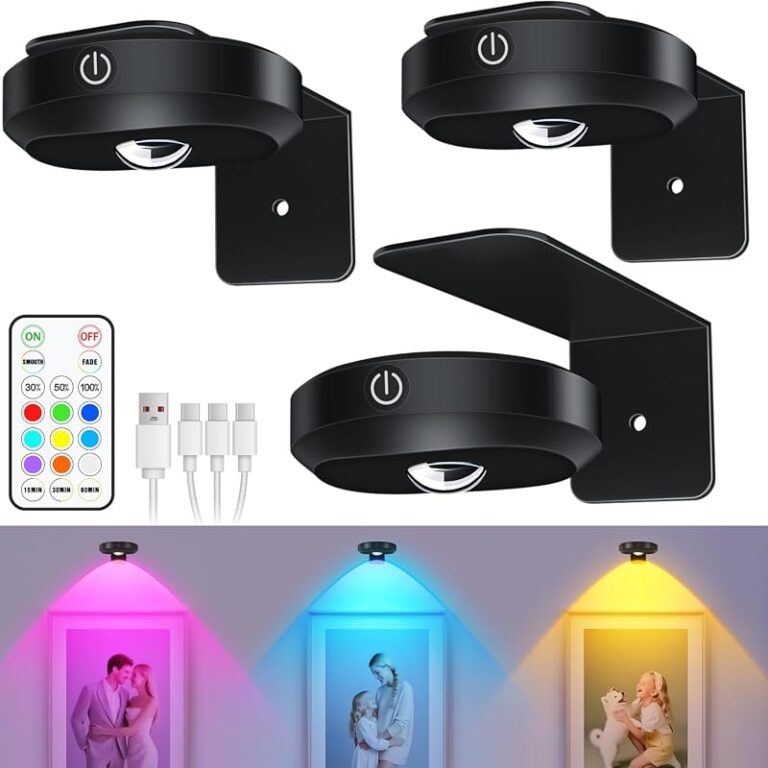
how high should a wireless picture light be mounted is usually answered by the frame first: place the light so its beam covers the artwork evenly without spilling too far onto the wall or creating a bright hotspot. For most pieces, that means mounting it a few inches above the top of the frame and then fine-tuning the angle based on frame size, room distance, and glare.
- Start point: 6 to 12 inches above the frame is a common baseline for many artworks.
- Size matters: Oversized or tall pieces may need more clearance; narrow frames usually need less.
- Check the room: Close-view rooms need more glare control than halls or stairwells.
- Match the fixture: Light width, brightness, and beam spread should suit the frame, not just the wall.
- Wireless tradeoff: Easy placement is a plus, but charging access and battery life still matter.
How High Should a Wireless Picture Light Be Mounted? The Quick Answer for Balanced, Flattering Light
The simplest rule is to mount a wireless picture light just above the artwork, typically high enough for the head or beam to wash the full piece without shining directly into your eyes. In practice, the best height depends on the frame’s proportions, the light’s reach, and how far viewers stand from the wall.
Wireless designs make this question a little more flexible than hardwired fixtures, because you are not tied to an electrical box or fixed wiring position. That freedom is useful, but it also means the mounting height has to do more of the visual work.
What a Wireless Picture Light Does and Why Mounting Height Matters
A picture light is meant to highlight artwork, photographs, and framed pieces so they read clearly in the room. The goal is not simply brightness; it is controlled, even illumination that supports the art rather than overpowering it.
How placement affects artwork visibility, glare, and wall shadow
If the light sits too high, the beam may miss the lower portion of the frame and leave the artwork looking unevenly lit. If it sits too low, the light can create glare on glass, cast a harsh shadow, or make the fixture feel visually crowded against the frame.
Mounting height also changes how much wall glow you see around the piece. A little halo can look elegant, especially in traditional interiors, but too much spill can make the light feel less focused and more decorative than functional.
Why wireless models change the usual installation approach
With wired picture lights, the mounting point is often influenced by the location of the electrical supply. Wireless models remove that constraint, so placement can be based more on the artwork itself and the room composition.
That said, wireless does not mean placement is arbitrary. You still want the fixture centered to the art, aligned with the frame, and positioned so the beam angle works with the artwork’s height and finish. If you are also deciding on the light type itself, how to choose a picture light for artwork is a helpful companion guide.
The Ideal Mounting Height: Rules of Thumb for Most Frames and Walls
There is no single universal measurement that works for every room, but there are dependable starting points. The safest approach is to think in relation to the top edge of the frame, not the floor.
Standard height range above the top of the frame
For many framed works, a wireless picture light is mounted roughly 6 to 12 inches above the top of the frame. Smaller frames often look best near the lower end of that range, while larger works can handle a bit more separation.
The actual sweet spot depends on the light’s design. A slim LED bar may sit closer to the frame, while a deeper arm or broader head may need extra clearance to avoid looking cramped.
Adjusting for tall canvases, oversized art, and narrow frames
Tall canvases and oversized framed prints usually need more vertical breathing room so the light can cover the full height without looking compressed. In those cases, a slightly higher mount can help the beam spread more naturally across the surface.
Narrow frames are different. Because they present less visual mass, mounting the light too high can make the fixture feel detached from the artwork. For those pieces, a closer placement usually looks more intentional.
If you are styling a long narrow wall or a compact display zone, the logic is similar to choosing proportions for a ledge. A related guide like how deep should a picture ledge be can help reinforce the same scale-first approach.
How viewing distance changes the best placement
The farther away people stand, the more forgiving the mounting height becomes. In a hallway or stairwell, viewers usually pass at an angle and distance, so the light can sit a little higher without feeling awkward.
In a bedroom or reading nook, people often view the art from closer range, which makes glare and fixture placement more noticeable. Close viewing usually rewards a lower, more carefully centered mount.
Step back to the main viewing point before finalizing the height. What looks centered from a ladder can feel too high once you see it from across the room.
How to Size and Position a Wireless Picture Light for Your Artwork
Height is only one part of the equation. The light’s width, brightness, beam shape, and finish all influence whether the installation looks polished or improvised.
Matching light width to frame width and artwork scale
A picture light should generally feel proportionate to the artwork beneath it. If the fixture is too short, it may look undersized and leave the outer edges of the frame underlit. If it is too wide, it can overpower the piece and draw attention away from the art.
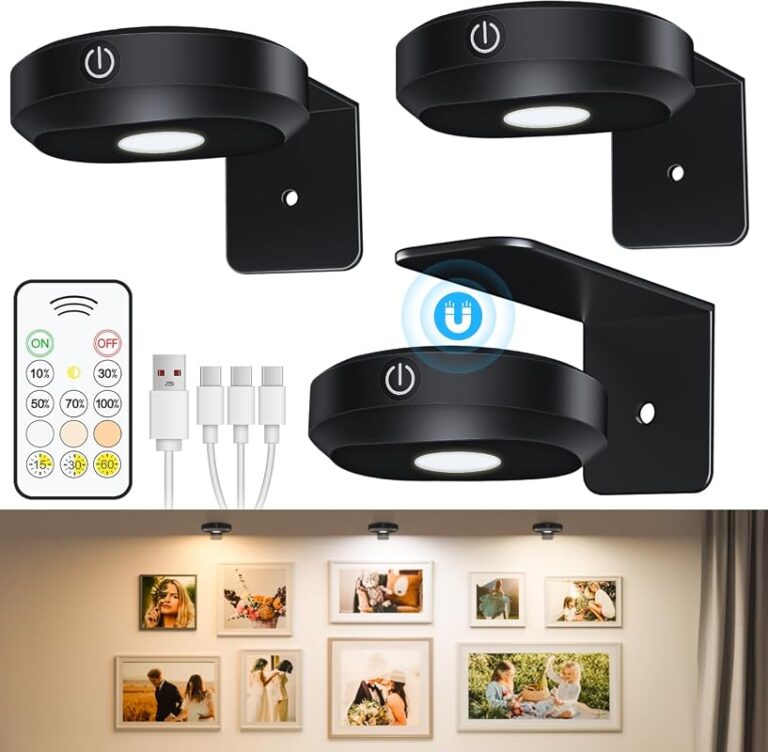
For a balanced look, match the light to the visual width of the frame rather than to the wall space around it. This matters especially with gallery walls, where a single oversized fixture can disrupt the rhythm of the arrangement.
Choosing beam spread, brightness, and color temperature
The best wireless picture light is not simply the brightest one. A focused beam helps illuminate the art cleanly, while a wider spread can be useful for larger pieces or textured surfaces that benefit from broader coverage.
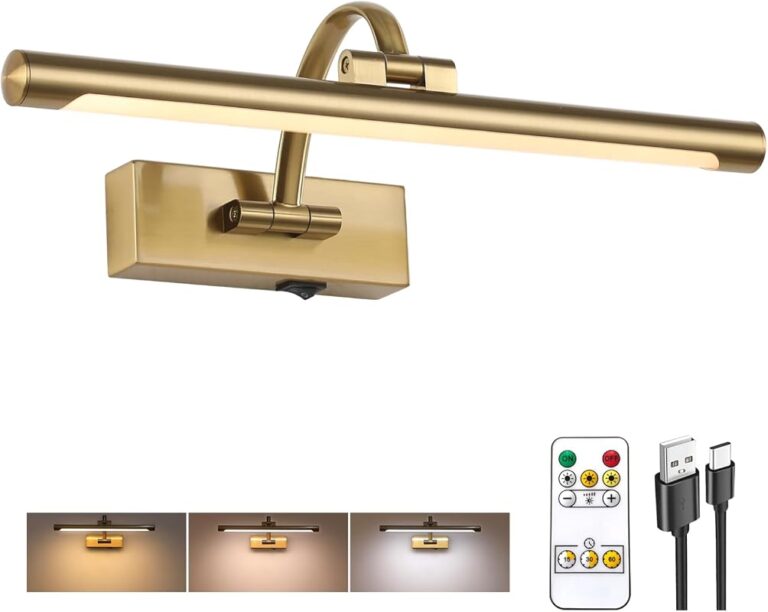
Color temperature matters too. Warmer tones often flatter traditional art, wood frames, and softer interiors, while neutral white can suit contemporary rooms and cleaner-lined gallery spaces. If dimming is available, it is often one of the most useful features because it lets you adjust for both art viewing and ambient room light. For more on that, see what is a dimmable picture wall light.
Battery life, charging method, and timer or dimming features
Wireless convenience is only convenient if the charging routine fits your household. Some models are easier to remove and recharge than others, and battery duration varies widely by brightness setting, usage, and manufacturer design.
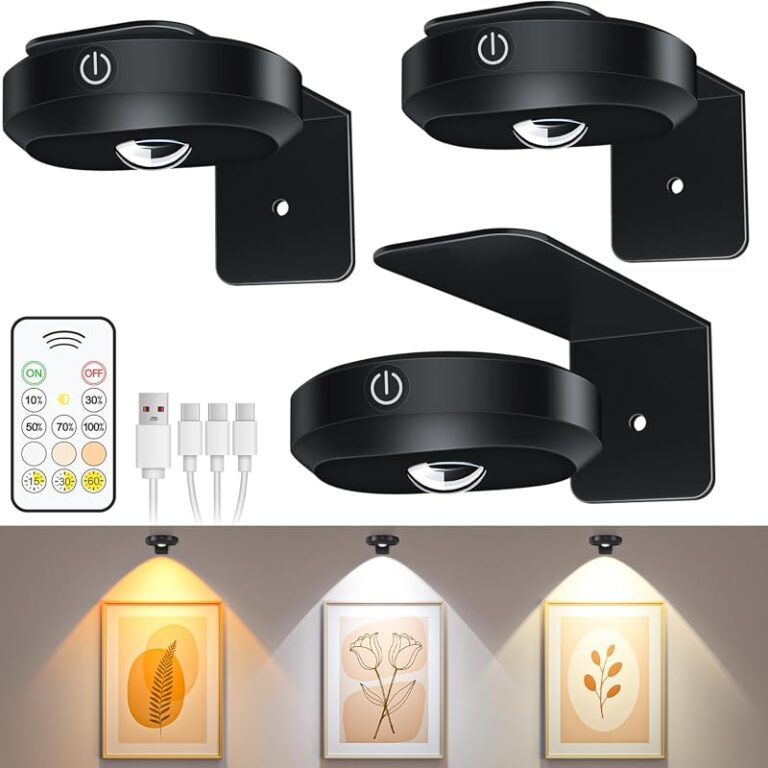
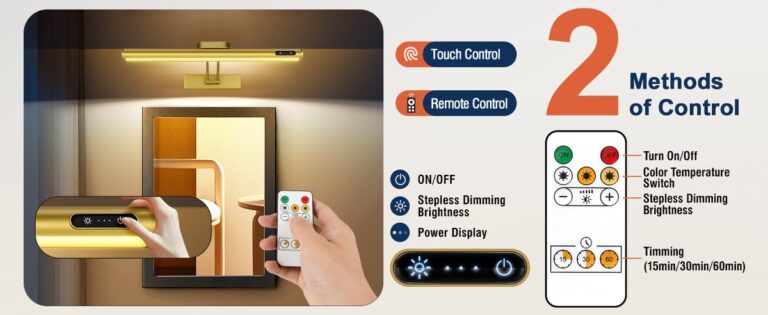
Timer functions and remote dimming can make height placement more forgiving because you can fine-tune the output after installation. If you want to compare charging expectations before buying, how long does it take to charge a picture light is worth reading alongside the product listing.
- Measure the frame width and height before choosing a fixture
- Check whether the light is rechargeable, battery-powered, or uses replaceable batteries
- Confirm whether dimming, timer, or remote controls are included
- Review the manufacturer’s mounting instructions and wall compatibility notes
Room-by-Room Styling Guide: Where Wireless Picture Lights Work Best
Wireless picture lights are especially useful where you want a polished art-focused look without adding new wiring. The best placement still changes from room to room because viewing distance, wall color, and ambient light all differ.
Living rooms, hallways, and stairwells
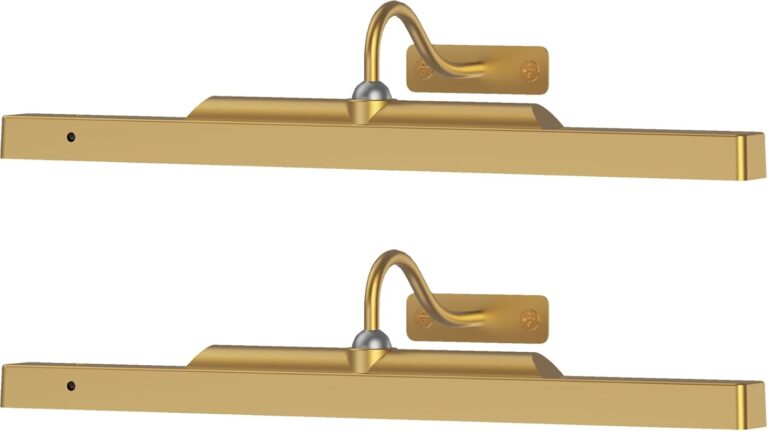
Living rooms often benefit from a slightly more decorative approach, especially when the picture light becomes part of the room’s overall layering. A traditional brass finish can soften a formal seating area, while a cleaner metal finish can keep the look restrained.
Hallways and stairwells are practical favorites because the art is usually viewed in passing. In those spaces, a wireless light mounted a touch higher can still feel balanced, especially if the wall composition needs extra visibility.
Bedrooms, dining rooms, and home offices
Bedrooms usually call for softer output and more careful glare control. A dimmable wireless picture light can be useful here because the room may shift from daytime brightness to evening calm.
Dining rooms often reward a warmer, more atmospheric approach, while home offices tend to work best with cleaner, less distracting light. If you are styling a compact room, a smaller fixture may feel more harmonious than a dramatic one, even if the artwork itself is large.
For a quiet, gallery-like effect, pair one well-sized picture light with a single framed print instead of crowding the wall with multiple competing accents.
When a wireless picture light suits modern, traditional, or gallery-style interiors
Wireless picture lights are especially attractive when you want a tidy wall with minimal visible hardware. That makes them a natural fit for modern interiors, but they can also work beautifully in traditional rooms if the finish and arm shape echo the rest of the decor.
Gallery-style interiors usually need restraint. In those spaces, the light should support the art rather than becoming the focal point, which is why proportion and mounting height matter so much.
Materials, Finishes, and Build Quality to Look For
The best mounting height can still look wrong if the fixture itself feels flimsy or visually mismatched. Build quality matters because the light sits in plain view and becomes part of the wall composition.
Metal finishes, arm design, and head adjustability
Metal finishes such as brass, black, chrome, and bronze create very different moods. Warm finishes tend to feel classic, while cooler or darker finishes can read more contemporary.
Head adjustability is especially important for wireless models because you may need to compensate for the artwork’s height or the wall’s lighting conditions. A well-designed arm should look intentional even when angled slightly downward.
Mounting hardware, wall type, and safe installation basics
Always check what mounting hardware is included and whether it suits your wall type. Drywall, plaster, brick, and tile each have different requirements, and the right anchor or fastener depends on the fixture’s weight and the wall’s condition.
Care Note
Do not assume a wireless light is automatically simple to install just because it has no cord. If the fixture is heavy, the wall is fragile, or the mounting surface is unusual, confirm the weight limit and consider a professional installer.
What matters most for long-term value and durability
Long-term value usually comes from a combination of sturdy construction, dependable charging, and an adjustable beam that still looks good after repeated use. A finish that resists fingerprints or visible wear is also helpful in high-touch rooms.
It is usually better to choose a well-proportioned, durable model than to chase extra features that you will rarely use. If you want a battery-powered format specifically, why use a battery operated picture light explains why that style can make sense in certain rooms.
Common Mounting Mistakes and How to Avoid Them
Most picture light problems come from placement, not from the light itself. A few small errors can make even a good fixture look awkward.
Mounting too high, too low, or off-center
Too high usually leaves the art looking disconnected from the light. Too low can crowd the frame and make the fixture feel heavy or intrusive.
Off-center placement is another common issue, especially when the wall space around the art is large. The light should generally align with the artwork, not with the nearest stud, shelf, or adjacent decor element unless the composition is intentionally asymmetrical.
Creating glare, uneven coverage, or visible hotspots
Glass-fronted frames are especially prone to glare if the beam is too direct or the light is mounted at the wrong angle. If the fixture is too close, you may also see a bright hotspot near the top edge instead of a smooth wash across the piece.
Adjustable heads help, but they are not a cure-all. The best result usually comes from combining the right height with the right brightness level and beam spread.
Ignoring art size, wall color, and surrounding decor
A white wall can make a light appear brighter and more exposed, while a dark wall can absorb spill and create a moodier effect. Surrounding decor matters too: nearby sconces, lamps, or reflective surfaces can change how the picture light reads in the room.
If your wall display includes shelves or ledges, consider the whole composition before drilling. The same proportional thinking used for picture ledges can help prevent visual clutter, especially in layered arrangements. For example, how to style a picture ledge can be useful when you are balancing art, spacing, and wall accents together.
- Center the light to the artwork and check the view from room level
- Test beam angle and dimming before settling on the final height
- Match fixture size to the frame, not the empty wall
- Mounting by guesswork without checking glare at eye level
- Choosing a light that is too small to cover the artwork evenly
- Ignoring wall type, anchor needs, or the fixture’s actual weight
Care, Maintenance, and Final Buying Advice
Once the light is installed, the job is not quite finished. A little maintenance keeps the fixture aligned, the finish clean, and the lighting effect consistent.
Cleaning, charging, and checking alignment over time
Dust can dull the finish and reduce the crispness of the light on the artwork, so occasional cleaning is worthwhile. Use the manufacturer’s care instructions for the finish, especially on plated or brushed surfaces.
Because wireless lights are portable and rechargeable, alignment can shift over time if the fixture is removed for charging or repositioning. It is worth checking the angle and height after each charge cycle, especially in rooms where the artwork is a focal point.
Limitations of wireless picture lights versus hardwired options
Wireless picture lights offer flexibility and a cleaner wall appearance, but they may require more routine charging and may not suit every scale of artwork. Very large pieces, museum-style installations, or spaces that need constant, high-output illumination may still be better served by hardwired lighting.
That tradeoff is not a flaw; it simply means wireless is best when you want convenience, style, and moderate art lighting without structural changes.
Final recommendation for choosing the right height and style
The best answer to how high should a wireless picture light be mounted is to start a few inches above the frame, then adjust until the beam covers the art evenly and the fixture feels visually attached to the piece. From there, let the room decide the final details: closer for intimate spaces, slightly higher for tall or public-facing walls, and always centered to the artwork.
For buyers who want a practical next step, compare the light’s width, dimming, and charging method before worrying about decorative details. If you want a rechargeable option with a modern wall presence, a well-proportioned wireless LED picture light is often the most versatile place to start.
Frequently Asked Questions