Ring Light Replacement Bulb

The best ring light replacement bulb is the one that matches your fixture’s base, size, voltage, and brightness requirements. If those details line up, choose the color temperature and dimming support that fit your room and how you use the light.
A ring light replacement bulb is the simplest fix when your existing ring light stops looking even, bright, or consistent, but the right choice depends on fit, output, and color quality. For Hurrell Editions, Julian Mercer recommends treating it as a compatibility purchase first and a lighting-style decision second.
- Fit first: Socket type, diameter, voltage, and wattage must match the fixture.
- Light quality matters: Brightness, color temperature, and dimming change how usable the bulb feels.
- Best for: Vanity stations, content creation, desks, and small rooms that need a simple lighting refresh.
- Common risk: Many ring lights use proprietary or integrated parts, so not every bulb is interchangeable.
- Smart buy: Verify the official product specs before ordering if the model details are unclear.
What a Ring Light Replacement Bulb Is and How to Choose the Right One
A ring light replacement bulb is the lamp component that restores illumination to an existing ring light fixture or compatible ring-style setup. In practice, it is not a one-size-fits-all purchase: the bulb has to match the socket, the physical dimensions of the fixture, and the kind of light you want in the room.
The safest way to choose is to start with your current fixture’s specifications, then narrow by brightness, color temperature, and dimming support. If you are replacing a failed bulb, the goal is usually to match the original closely enough that the light feels familiar rather than noticeably different.
Quick Answer: The Best Replacement Bulb Depends on Size, Fit, and Light Quality
The best ring light replacement bulb is the one that fits your fixture correctly, delivers the brightness you need, and gives off a color tone that works for your room or subject. If you use the light for beauty, video, or desk work, prioritize even output and dimming; if you use it mostly for ambiance, focus more on warmth and visual comfort.
When specifications are unclear, check the original product listing, the fixture label, or the manufacturer’s care sheet before buying a substitute. That extra step usually prevents the most common mistake: ordering a bulb that is technically close but physically or electrically incompatible.
Key Specifications to Check Before You Buy
Most buyers compare ring light replacement bulb options by appearance first, but the useful details are the ones printed on the fixture or product page. If you confirm the basics up front, you reduce the chance of flicker, overheating, or a bulb that simply will not seat correctly.
Bulb base type and compatibility
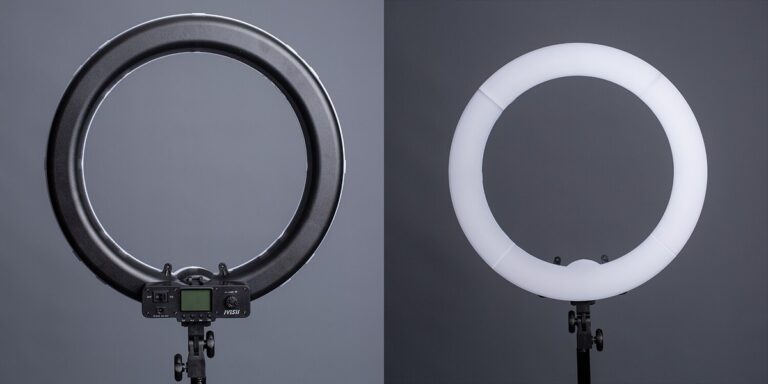
Base type is the first thing to verify because it determines whether the bulb can connect to the fixture at all. Ring lights may use a specific socket style, an integrated LED panel, or a proprietary replacement part, so the term “replacement bulb” can mean different things depending on the model.
If your fixture uses a standard base, match the base shape exactly. If it uses a custom or integrated design, the correct replacement may be a manufacturer part rather than a generic bulb. In those cases, the product listing or support page is more reliable than a visual guess.
Diameter, wattage, voltage, and brightness
Diameter matters because a bulb that is too large can interfere with the ring housing, diffuser, or mounting hardware. Wattage and voltage matter because they affect how much power the bulb draws and whether it is safe for the fixture.
Brightness is often described in lumens rather than watts, especially with LED replacements. For makeup or video use, even light output matters more than raw power. For small rooms, a very bright bulb can feel harsh unless it is dimmable or paired with diffusion.
- Confirm socket type and whether the fixture accepts a standard or proprietary replacement
- Match voltage and wattage to the fixture label or manufacturer guidance
- Check the bulb diameter against the ring housing and diffuser clearance
- Look for brightness information in lumens when available
Color temperature and dimming support
Color temperature shapes the mood of the light. Warm tones are usually more relaxed and flattering in casual spaces, while neutral and daylight tones are often preferred for makeup, content creation, and tasks that need a cleaner appearance.
Dimming support adds flexibility, especially if the same fixture is used for both practical lighting and softer evening ambiance. If you choose a dimmable replacement, make sure the dimmer and bulb are compatible; otherwise, you may get flicker, buzz, or uneven output.
If you are unsure between two color temperatures, choose the one that matches the rest of the room’s lighting most closely. A bulb that clashes with nearby lamps can make the whole setup feel off, even if it is bright enough.
Material quality, heat output, and lifespan
Material quality affects both durability and how the bulb handles heat. LED replacements usually run cooler than older bulb types, which is helpful in small rooms and on vanities where the light may stay on for longer stretches.
Lifespan claims vary by model, so treat them as manufacturer estimates rather than guarantees. Still, a bulb designed with better thermal management and stable electronics is usually a better long-term value than the cheapest option, especially if the fixture is used daily.
Which Rooms and Uses a Replacement Bulb Works Best For
A replacement bulb can solve a practical problem, but it can also improve how the room feels. The right bulb depends on whether you need flattering face light, clear task lighting, or a softer decorative glow.
Home beauty stations and makeup vanities
Beauty areas benefit from even, consistent light that reduces shadows around the face. A daylight or neutral-white replacement is often the most useful starting point because it helps color look more accurate while still feeling clean and bright.
If the vanity is small, a bulb with strong brightness control is especially helpful. Too much intensity can make makeup application harder rather than easier, while a dimmable option lets you adjust for daytime and evening routines.
Content creation, photography, and video calls
For video calls and content creation, the best replacement bulb is the one that produces stable, flicker-free light with a color tone that looks consistent on camera. If the bulb is too warm, skin tones can appear yellow; if it is too cool, the image can look flat or clinical.
Creators who work in mixed lighting should pay attention to color consistency more than brightness alone. A bulb that matches other lights in the room usually creates a more polished result than a brighter bulb with a mismatched cast.
If you are also comparing dedicated picture and gallery lighting for a studio-like room, it may help to read Hurrell Editions’ guides to choosing a dimmable picture wall light and gallery picture lights for small spaces for broader lighting context.
Small bedrooms, desks, and studio corners
In compact rooms, a replacement bulb can refresh the whole setup without requiring a new fixture. A softer output often works well near a desk or bedside area, where a ring light may function more like a task lamp than a primary beauty tool.
For studio corners, a neutral bulb can help keep the room flexible. It is easier to layer a neutral light with other decor and accent lamps than to try to correct a strongly tinted bulb later.
How to Match the Bulb to Your Existing Ring Light Setup
Matching the bulb to the setup matters just as much as choosing a good bulb on paper. The same replacement can feel perfect in one fixture and wrong in another if the housing, room size, or surrounding finishes change the way the light reads.
Checking fixture size and socket style
Start with the fixture itself. Measure the opening, note the socket style, and confirm whether the bulb needs to fit behind a diffuser or within a specific ring diameter.
When the original bulb is unavailable, compare product photos against your fixture carefully, but rely on the official dimensions whenever possible. A close visual match is not enough if the base or clearance is wrong.
Some ring lights use integrated LED modules rather than replaceable bulbs. In that case, the correct “replacement” may be a part designed for that exact model, not a generic bulb from a hardware aisle.
Matching brightness to room size and purpose
Small rooms usually need less brightness than people expect because light bounces off nearby walls and mirrors. A bulb that is too intense can create glare, especially in narrow bedrooms or desk corners.
For larger rooms or spaces with darker finishes, a stronger bulb may be necessary to avoid a dim, patchy look. The best choice is the one that fills the space without overpowering it.
Choosing warm, neutral, or daylight tones
Warm light tends to feel cozy and decorative. Neutral light is a flexible middle ground. Daylight tones are often preferred when accuracy matters, such as makeup application, product photography, or close-up video work.
If the room already has warm wood, brass, or cream decor, a neutral bulb may be easier to live with than a very cool one. If the space is modern, white, or minimal, a cooler tone can feel more natural.
- Match the bulb tone to nearby lamps so the room does not feel visually split.
- Use dimming whenever possible to soften reflections in mirrors and glossy decor.
- Keep a spare bulb only if the fixture uses a standard, clearly labeled replacement size.
Styling Ideas for Better Light and a Cleaner Setup
A replacement bulb can improve the room visually as well as functionally. Once the fixture is working again, small styling choices can make the light feel intentional instead of purely utilitarian.
Placement tips for flattering face lighting
For face lighting, the goal is usually even illumination rather than dramatic contrast. Position the fixture so the light sits comfortably in front of the face and does not force the subject to look upward or down at an awkward angle.
If the bulb is very bright, dim it before changing the placement. Light that is too strong often looks harsher than light that is slightly softer but better directed.
Think of the bulb as part of a calm routine zone: clear, flattering, and easy to switch from task lighting to a softer evening glow.
Using the bulb with mirrors, backdrops, and desk decor
Mirrors can amplify both the usefulness and the glare of a ring light replacement bulb. If your vanity has reflective surfaces, test the bulb at lower brightness first so you can judge how it behaves in the room.
With backdrops and desk decor, a consistent color temperature helps the whole setup feel coordinated. Neutral finishes, matte storage, and simple frames usually pair better with bright task lighting than highly reflective decor does.
For readers building a more complete lighting scheme around art or a hallway display, Hurrell Editions also covers what a dimmable picture wall light is and dimmable gallery picture lights, which can help when you want a more layered room plan.
Keeping the look cohesive with your room style
A replacement bulb should support the room’s style instead of fighting it. In minimalist spaces, a clean daylight tone can feel crisp and modern. In softer, more traditional rooms, a warmer bulb may preserve the mood better.
Try to think about the bulb as one element in the room palette. Light color, fixture finish, and surrounding decor all affect how polished the setup looks.
Benefits, Limitations, and Common Buying Mistakes
Replacing the bulb is often the most economical way to restore a ring light, but it is not always the simplest fix. The value depends on whether the fixture is standard, serviceable, and still a good match for your current needs.
- Usually cheaper than replacing the full fixture
- Can restore the original look and brightness quickly
- Lets you fine-tune color temperature or dimming if compatible
- Compatibility can be confusing on proprietary models
- Wrong wattage or voltage can cause poor performance
- Some fixtures do not support a true bulb swap at all
Why a replacement bulb can be a cost-effective fix
If the frame, socket, and wiring are still in good condition, a replacement bulb can extend the life of the whole setup without forcing a full upgrade. That is especially helpful for renters, students, and anyone working with a small vanity or desk budget.
The main advantage is continuity. You keep the fixture you already know, but restore the light quality that made it useful in the first place.
Where compatibility issues usually happen
Most problems come from assuming that all ring lights use interchangeable parts. In reality, many models are designed around specific bulb shapes, integrated LEDs, or brand-only replacements.
Another common issue is confusing “fits the ring” with “fits the socket.” Even if the bulb seems physically close, the electrical match still has to be correct.
Common mistakes with wattage, heat, and fit
Buying a bulb with the wrong wattage is one of the easiest ways to end up with disappointing results. Too little output can make the fixture feel weak; too much can create heat or stress the socket.
People also overlook heat management in small rooms or enclosed housings. Even with LED replacements, it is worth checking whether the fixture is designed for the bulb type you want to use.
- Verify the exact model or socket type before ordering
- Compare lumens, color temperature, and dimming support, not just the product photo
- Use the manufacturer’s instructions for installation and care
- Assuming every ring light accepts a standard replacement bulb
- Choosing the brightest option without checking room size
- Ignoring heat, clearance, or voltage details because the bulb “looks close enough”
Care, Maintenance, and When to Replace Again
Once the new bulb is installed, simple maintenance can help it last longer and perform more consistently. The goal is not complicated upkeep; it is avoiding the small habits that shorten lifespan or make the light look uneven.
Cleaning, storage, and safe handling
Turn the fixture off and let it cool before handling any bulb. Wipe dust gently with a dry, soft cloth, and avoid moisture unless the manufacturer specifically says the bulb or fixture can be cleaned that way.
If you keep a spare bulb, store it in its original packaging or another padded container. That helps prevent chips, scratches, and accidental damage to the base.
Do not force a bulb into the socket or touch hot components immediately after use. If the fixture shows signs of damage, loose wiring, or repeated flicker, stop using it and consult the manufacturer or a qualified professional.
Signs the bulb is fading or no longer performing well
Fading does not always look dramatic. The light may become dimmer, shift in color, flicker at random, or take longer to reach full brightness.
If the bulb no longer matches the rest of the room or starts behaving inconsistently, replacement is usually the better option than trying to work around it. For a setup used daily, a stable bulb is worth more than a slightly cheaper one that degrades quickly.
Final Recommendation: Who Should Buy a Ring Light Replacement Bulb in 2026
A ring light replacement bulb is best for anyone who already has a compatible fixture and wants to restore or refine the light without starting over. It is especially practical for vanity setups, content creators, and small-room users who care about even lighting and a clean, familiar look.
If you are unsure about fit, start with the fixture’s exact model information and official specifications before buying. When compatibility is confirmed, choose the bulb by color temperature, brightness, and dimming support so the replacement improves the setup instead of simply keeping it running.
- Match the socket, size, voltage, and brightness before anything else.
- Choose the light tone based on how the room and your routine actually use the fixture.
- When in doubt, verify the model details with the manufacturer rather than guessing from photos.
Frequently Asked Questions