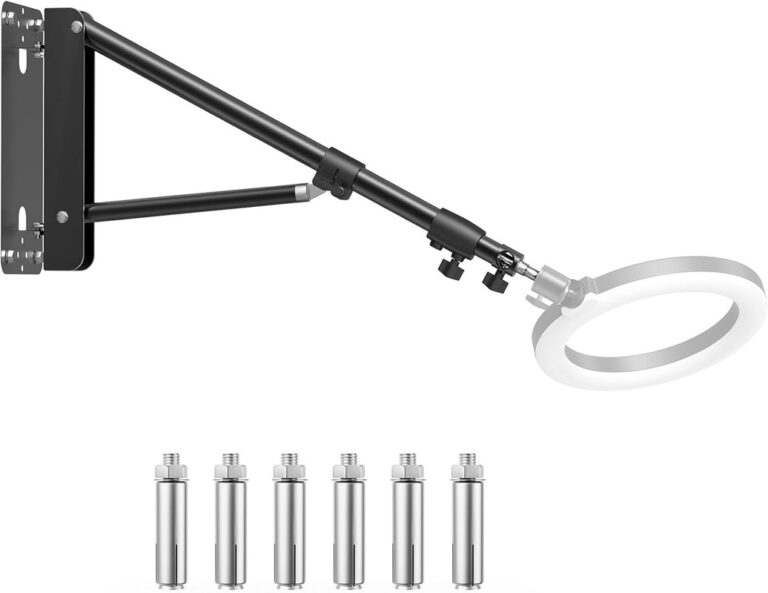
What Is a Ring Light

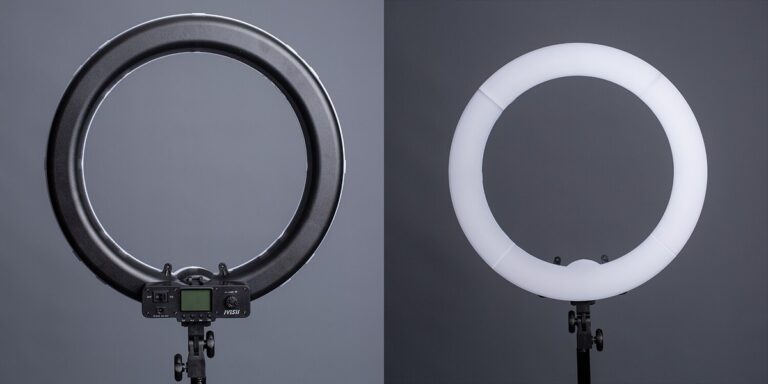
A ring light is a circular light designed to create even, front-facing illumination for close-up work. It is especially useful for video calls, beauty routines, and small content setups where simple, flattering light matters.
what is a ring light? It is a circular light designed to spread illumination evenly around a subject, which is why it shows up so often in beauty setups, livestreams, and home offices. For many people, it is less about dramatic lighting and more about getting a clean, flattering, easy-to-control result without a complicated setup.
- Definition: A ring light is a round fixture that helps reduce harsh shadows on faces.
- Best use: It works well for makeup, livestreams, remote meetings, and product shots.
- Key buying factors: Size, brightness, color temperature, power source, and stand type matter most.
- Main limitation: It can look flat and may create reflections on glasses or glossy surfaces.
- Best fit: It suits compact rooms, desks, vanities, and beginner-friendly setups.
What Is a Ring Light? A Clear Definition and Why It Matters
A ring light is a round lighting fixture with the bulb or LED array arranged in a loop. That shape helps the light wrap around a face, object, or small scene in a way that reduces harsh shadows and makes details easier to see.
Why it matters is simple: lighting changes how polished a photo, video, or video call looks. A ring light is one of the easiest ways to improve visibility and create a more consistent look, especially in rooms where daylight changes throughout the day.
How Ring Lights Work: Shape, Light Quality, and Common Uses
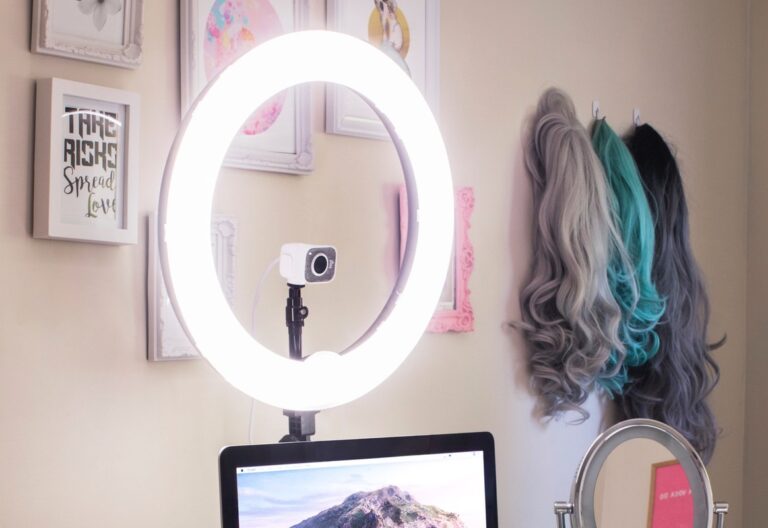
Ring lights work by placing the light source in a circle around a central opening. That opening is usually where a phone, camera lens, or mirror sits, so the light comes from nearly the same direction as the viewer.
This arrangement helps reduce uneven shadows on faces and small products. The result is often a brighter, more balanced look than a single lamp placed off to one side.
Why the Circular Design Creates Even Illumination
The circular design helps distribute light from multiple points around the subject instead of from one hard angle. That means cheeks, under-eyes, and other facial contours tend to look softer and more evenly lit.
It also helps with reflective surfaces and close framing. When the light is centered, the scene can feel cleaner and more symmetrical, though it may also look flatter than side lighting if you want strong depth.
Ring lights are often favored for close-range work because they can keep the light source near the camera axis, which helps minimize directional shadows.
Typical Uses for Beauty, Content Creation, Product Photography, and Video Calls
Ring lights are common in makeup routines because they make it easier to see color, blending, and symmetry. They are also popular for short-form video, livestreaming, and remote meetings where a bright face-forward look is helpful.
For product photography, a ring light can work well for small items, especially when the goal is clear detail rather than dramatic modeling. If you are building a broader setup, our guide on how to set up a home art studio space can help you think through desk layout, storage, and light placement together.
- Use a ring light for close framing, not large-room coverage.
- Keep the subject centered for the most even result.
- Pair it with a neutral background if you want a cleaner camera image.
What to Look for When Choosing a Ring Light in 2026
There is no single best ring light for every room or creator. The right choice depends on how large your setup is, how much brightness you need, and whether you want a simple plug-in model or a more flexible portable one.
Size, Brightness, and Color Temperature
Size affects how the light wraps around the subject. Smaller models are often easier on a desk or vanity, while larger ones can spread light more broadly and feel less concentrated.
Brightness matters because a dim light can force you to raise camera exposure or sit too close to the fixture. Color temperature is equally important: some ring lights offer warm, cool, or adjustable tones, which can help you match the room or your camera’s white balance.
Exact brightness output, color range, and dimming behavior vary widely by model. Check the manufacturer specifications rather than assuming all ring lights perform the same way.
Power Source, Mounting Options, and Build Materials
Ring lights may be powered by wall plug, USB, rechargeable battery, or a combination of options. Your choice should depend on whether the light will stay in one place or move between rooms.
Mounting also matters. Some models sit on a desk stand, while others use a tripod or clamp-style support. Build materials can affect stability, portability, and how well the light holds up over time, so it is worth checking the listing carefully before buying.
- Choose a size that fits the room and the distance you plan to sit from it.
- Confirm the power source matches your setup and outlet access.
- Check whether the stand, tripod, or phone holder is included.
Controls, Dimming, and Smartphone or Camera Compatibility
Simple controls are often enough for everyday use, but dimming can make a big difference if your room lighting changes during the day. Some models also offer remote control, app control, or preset modes, which can be helpful if the light is mounted farther away.
If you plan to use a phone, camera, or webcam, confirm that the holder or mounting area fits your device. Compatibility details are often listed by model, so it is best to verify those measurements before purchase rather than assuming a universal fit.
Who a Ring Light Suits Best and Which Room or Setup It Fits
Ring lights are most useful in compact spaces where you want controlled light without installing permanent fixtures. They are especially practical for people who need a quick setup that can be adjusted or stored away.
Best for Bedrooms, Home Offices, Studios, and Small Content Corners
In bedrooms, a ring light can double as a vanity or filming light if the room has limited natural light. In home offices, it can improve video call visibility without requiring major changes to the room.
Small studio corners also benefit because a ring light takes up less visual and physical space than a multi-light setup. If your focus is artwork or framed decor, you may also want to compare it with a dedicated picture light such as what is a dimmable picture wall light for more controlled wall illumination.
Best for Beginners, Creators, Makeup Users, and Remote Workers
Beginners usually appreciate ring lights because they are intuitive: turn them on, adjust brightness, and start. Creators and makeup users like the repeatable look, while remote workers often value the cleaner appearance on camera.
They are less ideal for someone who wants theatrical depth or full-room lighting. In those cases, a different lamp style or a multi-light arrangement may give more control over shadows and background separation.
Styling and Placement Guide for a Ring Light
Good placement matters as much as the fixture itself. A ring light can look flattering or awkward depending on height, distance, and how it sits in relation to your face, desk, or vanity.
Ideal Height, Distance, and Angle for Flattering Results
For most face-forward uses, the light should sit close to eye level or slightly above it. That placement usually creates a more natural look than lighting from below, which can be unflattering and distracting.
Distance affects softness and brightness. Closer placement often gives a more intense look, while moving the light back can soften the effect and reduce glare, though the exact sweet spot depends on the model and room size.
Position the center of the ring near your eyes or just above them.
Move the light farther away if the image looks too harsh or too bright.
Look for catchlights or glare in glasses, mirrors, or glossy surfaces.
How to Blend a Ring Light Into a Desk, Vanity, or Studio Setup
A ring light blends best when the stand, cable, and accessory storage are kept tidy. On a desk, that often means leaving enough clearance for your keyboard, notebook, or microphone without crowding the light base.
At a vanity, a ring light can become part of the routine rather than a separate object if it is easy to reach and quick to adjust. In a studio corner, keep it visually aligned with other equipment so the setup feels intentional instead of improvised.
If your setup looks cluttered, simplify the background first. A cleaner backdrop often improves the result more than adding another light.
Matching the Light to Your Decor and Existing Equipment
Ring lights come in finishes and support styles that can feel more minimal, technical, or casual depending on the model. Choose a version that works with your room rather than fighting it.
If your desk or vanity already has metal accents, a matching stand finish can help the setup feel cohesive. For a softer interior, a lighter or less industrial-looking support may blend in better, though availability varies by retailer and model.
When you are building a display-friendly room, it can help to think about the surrounding objects too. A ring light beside framed art, a mirror, or a shelf of creative tools often feels more deliberate than one placed alone in a corner.
Benefits, Limitations, and Common Mistakes to Avoid
Ring lights are popular because they are simple and effective, but they are not perfect for every situation. Knowing the tradeoffs helps you buy the right model and avoid disappointment.
Strengths: Softness, Consistency, and Ease of Use
The biggest strength is consistency. Once positioned, a ring light tends to deliver the same style of illumination from one session to the next, which is useful for repeat content or daily video calls.
It is also easy to learn. You do not need a deep lighting background to get a usable result, and many models are designed to be set up quickly by beginners.
- Even, face-friendly light for close-up use
- Simple setup for beginners
- Useful for video calls, beauty work, and small product shots
- Can look flat if you want dramatic shadows
- May create reflections in glasses or glossy surfaces
- Not ideal for lighting large rooms
Limitations: Eye Reflections, Flatness, and Space Constraints
Because the light is centered, it can create a distinct circular reflection in glasses, mirrors, or shiny surfaces. That effect is not always a problem, but it should be considered before you buy.
Ring lights can also reduce depth by lighting the face so evenly that features look flatter than with side lighting. In small spaces, the stand or tripod can take up more room than expected, especially if you need to keep a laptop, mic, or makeup tools nearby.
Common Setup Errors and How to Fix Them
One common mistake is placing the light too low. That can cast unflattering shadows upward and make the image feel unnatural.
Another is using maximum brightness when it is not needed. Overlighting can wash out skin tone, flatten texture, and make the camera image feel harsh. A third mistake is forgetting about the background, which can make even a good light setup look unfinished.
- Start with moderate brightness and adjust slowly.
- Keep the camera or phone centered inside the ring where possible.
- Test the light with your actual background and seating position.
- Putting the light below face level.
- Assuming one brightness setting works for every room.
- Ignoring glare on glasses, mirrors, or glossy packaging.
Care, Maintenance, and Value: Getting the Most from Your Ring Light
Ring lights are usually straightforward to maintain, but basic care helps them last longer and stay visually clean. That matters whether the light lives on a vanity, desk, or portable stand.
Cleaning, Storage, and Cable Management
Dust the fixture and stand regularly with a soft, dry cloth. If the light has a diffuser or plastic surface, avoid aggressive cleaners unless the manufacturer explicitly says they are safe.
For storage, collapse stands carefully and keep cords from bending sharply. Cable management may seem minor, but it makes the setup safer, easier to move, and less distracting in photos or video.
Always follow the manufacturer’s care instructions for cleaning, charging, and storage. If the light uses a battery or plug-in adapter, avoid moisture and check for heat buildup or damaged cords before use.
When a Ring Light Is Worth the Investment and When Another Light Is Better
A ring light is worth considering if you want a simple, repeatable lighting solution for close-up work. It is especially sensible for creators, makeup users, and remote workers who need a cleaner on-camera look without building a full lighting kit.
Another light may be better if you want more depth, softer side lighting, or broader room coverage. In those cases, a desk lamp, panel light, or picture-focused lighting solution may suit the space more effectively. For readers comparing lighting styles for wall art, our guide to how to choose a picture light for artwork explains a more specialized option.
The best ring light is the one that fits your space first and your camera needs second. For most people, a mid-size adjustable model with reliable dimming and a stable stand offers the most balanced mix of convenience and control.
Final Recommendation: Is a Ring Light Right for You?
A ring light is a smart choice if you want easy, flattering, front-facing light for selfies, makeup, calls, or small content setups. It is not the most dramatic lighting tool, but it is one of the most practical for everyday use.
If your room is compact, your setup changes often, or you want a simple way to look more polished on camera, a ring light is likely a good fit. If you need broader ambience or more sculpted lighting, consider whether a different fixture would serve the room better.
Frequently Asked Questions