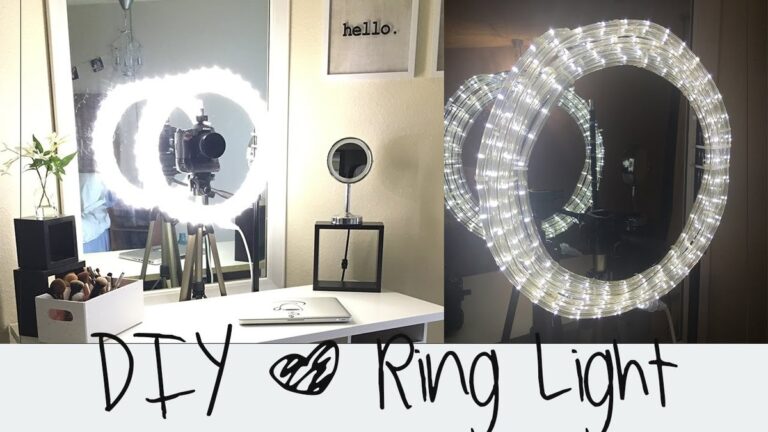
Why Is My Ring Light Flashing

The most common reason a ring light flashes is unstable power, a loose connection, or a dimmer that does not match the fixture. If it still flashes on different outlets and settings, the light may need replacement.
why is my ring light flashing is usually a power, connection, or dimmer issue rather than a sign that the light is “broken” beyond repair. In many cases, the fastest fix is to check the cable, power source, and brightness setting before you assume the LEDs have failed.
- Power first: Check the adapter, cable, outlet, or battery before assuming the LEDs are failing.
- Settings matter: Flashing only at certain brightness levels often points to a dimmer issue.
- Safety signs: Heat, odor, buzzing, or visible damage mean you should stop using the light.
- Buying smarter: Look for stable output, flicker-free drivers, and clear power specs.
Why Is My Ring Light Flashing? The Most Common Causes and the Quick Fixes
Flashing usually means the ring light is not getting steady power. The most common causes are a loose USB connection, an underpowered adapter, a dimmer that does not play well with the fixture, or an internal driver that is starting to fail.
If the light flickers only at certain brightness levels, the dimmer is often the first clue. If it flashes no matter what setting you choose, the issue is more likely the cable, plug, outlet, or the light’s internal electronics.
Before replacing anything, test the light on a different outlet or power source if the model allows it. If the flashing stops, you have likely found a power-delivery problem rather than a lighting failure.
How Ring Lights Work in 2026: LEDs, Power Delivery, and Flicker Triggers
Modern ring lights are usually LED fixtures with a driver that converts incoming power into a stable output for the diodes. When that power delivery becomes unstable, the LEDs can pulse, blink, or flash.
That is why a ring light can seem fine one minute and then start acting up when you dim it, move it, or plug in a different adapter. The light itself may still be functional, but its power path is no longer steady.
Power source issues: USB, battery, adapter, and unstable outlets
USB-powered ring lights are especially sensitive to weak ports, cheap hubs, and cables that are too long or damaged. Battery-powered models can flash when the battery is low or when the battery can no longer hold a consistent charge.
Plug-in models may flicker if the adapter does not match the fixture’s required output or if the outlet itself is unstable. If the flashing changes when you switch outlets, the problem is likely outside the ring light rather than inside it.
For readers comparing power styles more broadly, Hurrell Editions has a useful guide on why battery-operated lighting can be useful in spaces where cords and outlet access are limited.
Dimmer incompatibility, loose connections, and faulty switches
Some ring lights dim smoothly, while others step through preset levels. If a dimmer is poorly matched to the driver, the light may stutter at certain settings even though it looks stable at full brightness.
Loose barrel plugs, wobbly USB ports, and worn switches can create the same effect. A tiny break in contact is enough to make LEDs flash because they react instantly to changes in current.
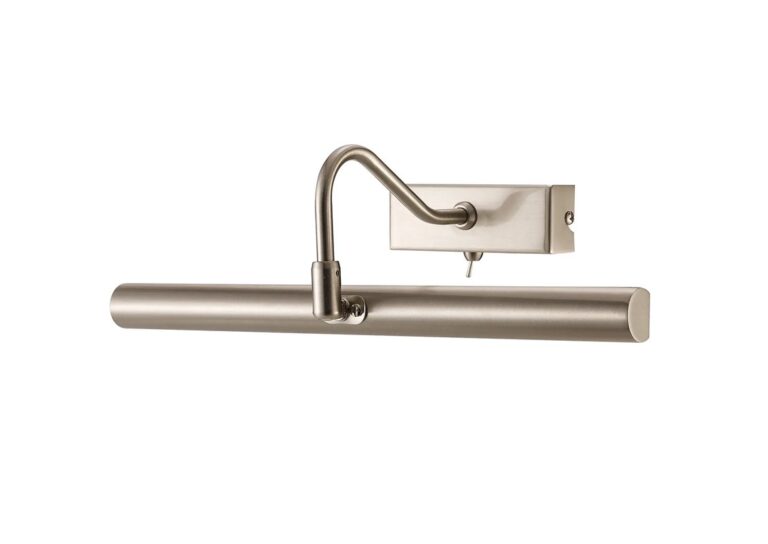
If your setup is doing this near artwork or a display wall, the same principle applies to other LED fixtures. Our guide to why gallery picture light flickering happens explains how dimmer and driver mismatch can affect decorative lighting too.
Heat, driver failure, and end-of-life LED behavior
Heat can shorten the life of the driver and the LEDs, especially in compact ring lights with limited ventilation. If the fixture flashes after warming up, that can point to an internal component that is no longer regulating power properly.
End-of-life behavior varies by model. Some lights dim first, some lose color consistency, and some begin to flash intermittently before failing completely.
If a ring light smells burnt, feels unusually hot, or flashes with visible sparking at the plug or switch, stop using it and replace it or have it inspected. Do not keep testing a light that appears unsafe.
What to Check First Before Replacing Your Ring Light
A few quick checks can save you from replacing a light that only has a minor connection issue. Start with the simplest parts of the setup and move toward the fixture itself only after those basics are ruled out.
Brightness setting, cable condition, and plug fit
First, test the ring light at full brightness if the model allows it. If the flashing only happens on lower settings, the dimming circuit is probably the trigger.
Next, inspect the cable for bends, fraying, or a loose fit at both ends. A plug that seems “almost secure” can still interrupt power enough to cause visible blinking.
- Confirm whether the flashing happens at all brightness levels or only at one setting
- Check the cable, adapter, and plug fit before assuming the fixture has failed
- Verify the power source matches the model’s required input
Room power setup and device compatibility
Some rooms have more electrical noise or weaker outlets than others, especially when several devices share the same strip or hub. If the ring light shares power with chargers, monitors, or other high-draw electronics, try isolating it.
Compatibility matters as much as the room setup. A ring light that works well with one adapter or USB port may flash with another because the output is not stable enough for that specific driver.
If you are choosing a light for a small workspace, it can help to look at compact, well-matched models such as the options discussed in our guide to the best gallery picture light for small spaces, where stable output and scale are especially important.
When flashing signals a safety concern
Not every flicker is dangerous, but some signs should be treated seriously. Rapid flashing combined with heat, a burning odor, a buzzing sound, or a damaged cord can indicate a fault that should not be ignored.
In those cases, the safest move is to unplug the light and replace it rather than continue troubleshooting. Electrical safety always comes before convenience, even for a small fixture.
Choosing a Ring Light That Won’t Flicker: Key Specs to Look For
If you are buying a new ring light, the best flicker prevention starts with the internal driver and the quality of the power system. A well-built ring light is less likely to flash when dimmed, moved, or used for longer sessions.
Flicker-free LED drivers and stable wattage
Look for manufacturer language that points to a flicker-free driver or stable output across the full dimming range. Not every listing will use the same terminology, so the key is to confirm that the light is designed for smooth, consistent power delivery.
Stable wattage matters because an undersized power supply can struggle when the light is pushed to higher brightness. If the adapter or battery cannot keep up, the ring light may pulse instead of holding a steady beam.
When product details are vague, check the official listing or manual before buying. If the seller does not clearly state the power input, dimming method, or compatibility, that is a warning sign for flicker-prone performance.
Color temperature range, CRI, and dimming performance
Color temperature range affects how flexible the light feels in a room, but dimming performance affects how usable it is day to day. A ring light with a wide color range is still frustrating if it flashes at the lower end of brightness.
CRI, or color rendering index, is also worth checking when accuracy matters, such as for content creation or makeup. For a deeper explanation of how lighting specs affect artwork and decor, see how to choose a picture light for artwork.
Build quality, materials, and expected lifespan
Better build quality does not guarantee a flicker-free light, but it often improves the odds. Sturdier switches, better connectors, and more reliable housings usually hold up better than ultra-budget fixtures with thin cables and generic adapters.
Expected lifespan varies by brand, brightness habits, heat exposure, and how often the light is moved. If a model feels flimsy in hand or has a weak connection point, it may be more likely to develop flashing problems over time.
Best Ring Light Setups by Room and Use Case
The best ring light setup depends on where you use it and what you want it to do. A desk setup, vanity setup, and bedroom setup all need different levels of brightness, reach, and visual balance.
Desk, vanity, bedroom, and content-creation spaces
For desks, a smaller ring light with modest output is usually easier to control and less likely to overpower a monitor or workspace. Vanity setups often benefit from even frontal light, while bedroom setups usually need softer output that does not feel harsh at night.
Content-creation spaces need the most consistency, especially if you record video or work under the light for longer periods. In that case, stable dimming and reliable power matter more than decorative features.
Placement height, distance, and angle for even light
Ring lights work best when the center of the light sits close to eye level or slightly above, depending on the effect you want. Too low, and the light can look flat or unnatural; too high, and it can cast unwanted shadows.
Distance also changes the look dramatically. If the ring light is too close, it may feel intense and uneven; if it is too far away, the light may not fill the space effectively.
A ring light can feel more polished when it is treated like part of the room’s composition, not just a temporary tool. Matching the stand finish to nearby furniture or hardware helps it blend in.
Matching ring light size and output to room size
Small rooms usually need less output than people expect, because the walls reflect light back into the space. Larger rooms may need a brighter model or a different lighting approach altogether if the ring light is expected to cover more than a close working area.
If you are unsure, choose the smallest size that still gives you the coverage you need. Oversizing often creates glare and makes flashing issues more noticeable because the light is being pushed harder than necessary.
Styling a Ring Light So It Looks Intentional, Not Temporary
Ring lights are practical, but they can also look cluttered if the stand, cable, and power brick are left exposed. A cleaner setup makes the light feel like part of the room rather than a piece of emergency gear.
Blending with modern, minimalist, and creator-style decor
In modern or minimalist spaces, a ring light looks best when the finish is simple and the silhouette stays visually quiet. Black, white, or neutral hardware often disappears more easily against walls, desks, and shelving.
Creator-style rooms can handle a more visible setup, especially if the light is framed alongside cameras, books, or art supplies. The goal is consistency, not hiding every tool.
Using stands, mounts, and cable management for a cleaner look
Choose a stand or mount that keeps the ring light stable and at the right height without forcing the cord into a tight bend. Cable clips, cord sleeves, and a nearby outlet can make the whole setup feel more finished.
For a related perspective on lighting choices that prioritize flexibility and placement, our guide to the dimmable picture wall light is useful if you want a more permanent, wall-based alternative.
Where flashing issues affect the overall aesthetic and workflow
Flashing does more than interrupt the light; it breaks the mood of the room. In a vanity, office, or content-creation space, a flickering ring light can make the setup feel unfinished and can also slow down your workflow.
If the light is part of the room’s visual identity, a persistent flash problem becomes both a technical and styling issue. That is another reason to fix connection problems early instead of living with them.
Benefits, Limitations, and Common Mistakes to Avoid
Ring lights are popular because they are compact, direct, and easy to place in small spaces. But they are not the answer for every room or every lighting goal.
When a ring light is the right tool
A ring light is a strong choice when you need frontal, even illumination in a limited footprint. It is especially useful for desk work, makeup, livestreaming, and simple portrait-style lighting where consistency matters more than dramatic shadow control.
The circular shape can also create a soft, recognizable catchlight that many people like for on-camera work.
When a different light type may be better
If you need broader room lighting, softer ambient light, or more control over shadows, a ring light may feel too narrow. In those cases, a desk lamp, panel light, or layered room lighting setup may work better.
For gift shoppers or decor buyers comparing lighting styles, it can help to think about whether the goal is task lighting, display lighting, or atmosphere. A ring light is excellent for the first category, but not always the most elegant option for the other two.
Setup mistakes that cause flicker, glare, or uneven lighting
The most common mistakes are using the wrong adapter, placing the light too close, and relying on a weak outlet or cheap extension setup. Another frequent issue is dimming a light below its stable range, which can trigger visible flicker.
- Test the light on a stable outlet before assuming the fixture is defective
- Keep cables relaxed and connections snug
- Match the light’s output to the size of the room or work area
- Running a USB light from a weak hub or damaged cable
- Ignoring heat, odor, or buzzing
- Using maximum brightness when a lower, steadier setting works better
Care, Maintenance, and Final Recommendation
Good care can prevent many flashing problems before they start. Even a simple ring light lasts longer when the cord, switch, and power source are treated carefully.
Cleaning, storage, and routine inspection
Dust the fixture gently and keep vents or openings clear if the model has them. Before storing the light, coil the cable loosely rather than bending it sharply around the stand or base.
It is also smart to inspect the plug, cable, and switch every so often for wear. Small connection issues are easier to solve early than after the light begins flashing regularly.
Repair vs. replace: value considerations in 2026
Whether to repair or replace depends on the model, the cost of replacement parts, and how severe the problem is. For many budget ring lights, replacement is often more practical than repair if the driver or power supply is failing.
For higher-quality fixtures, especially those with replaceable adapters or clearly documented parts, repair can make sense if the rest of the light is still in good condition. Always check the manufacturer’s warranty terms and care instructions before deciding.
Transparent verdict on when to troubleshoot and when to upgrade
Start by troubleshooting the cable, outlet, adapter, and dimmer. If the flashing disappears, the light may still be worth keeping.
If the problem persists across power sources, or if the fixture shows heat, odor, or visible damage, replacement is the safer and more sensible choice. In short, flashing is often fixable, but a recurring electrical fault is usually a sign to upgrade rather than keep experimenting.
- Most flashing ring lights have a power, cable, or dimmer issue before they have a total failure.
- Stable adapters, snug connections, and flicker-free drivers matter more than flashy feature lists.
- If the light smells hot, buzzes, or flashes on every power source, stop using it and replace it.
Frequently Asked Questions