How to Store Canvas Paintings at Home Without Damage

Store canvas paintings upright in a dry, climate-stable room with breathable protection and no direct floor contact. Avoid heat, sunlight, damp spaces, tight wrapping, and pressure on the painted surface.
Knowing how to store canvas paintings at home without damage starts with a simple rule: keep them upright, protected, and in a dry, temperature-stable room. Most problems come from pressure, moisture, sunlight, and poor placement, so the safest home setup is usually far less complicated than people expect.
- Best position: Store canvases vertically with support, not stacked flat.
- Best room: Choose an interior closet, bedroom, or study over a garage or basement.
- Surface safety: Keep bubble wrap and pressure off the painted face.
- Protection: Use acid-free tissue, glassine, corner guards, and breathable covers.
- Long-term care: Inspect stored pieces regularly for warping, mold, pests, or loose hardware.
How to Store Canvas Paintings at Home Without Damage: The Safe Method to Use First
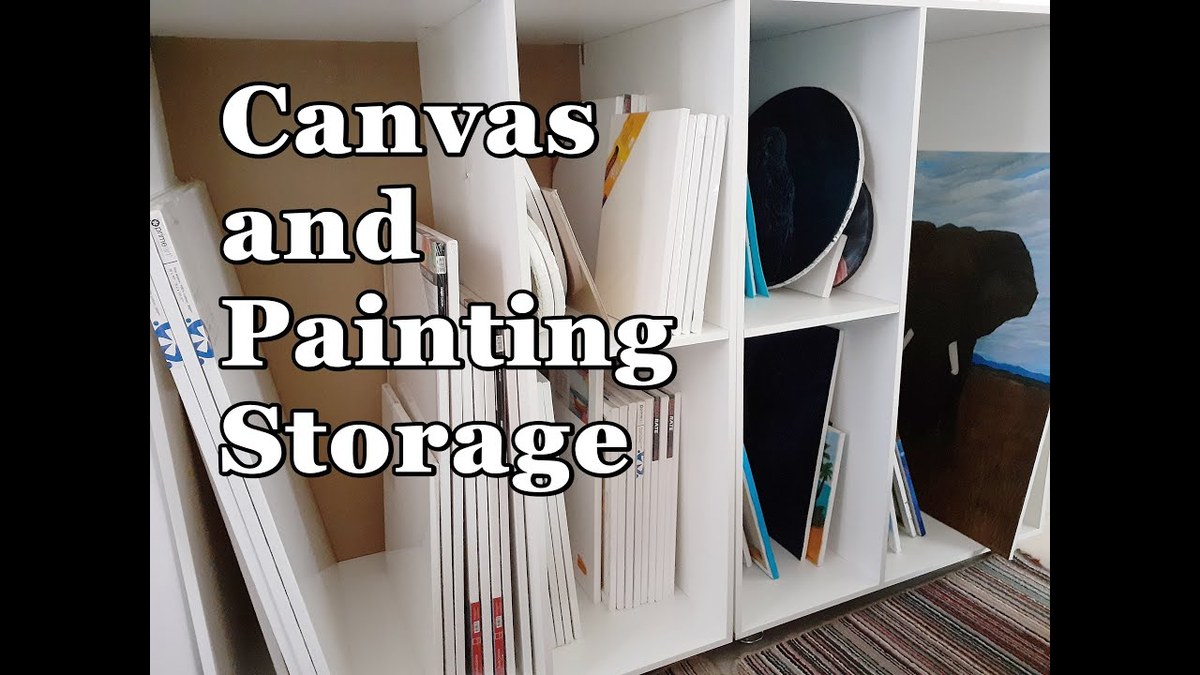
The safest default method for home storage is to place canvas paintings vertically, never flat under weight, in a clean indoor room with stable conditions. Each piece should be protected from dust and abrasion, spaced so frames and corners do not rub, and kept away from heaters, radiators, windows, exterior walls, and damp floors.
That approach works because canvas is flexible, stretcher bars can warp under pressure, and painted surfaces can scuff more easily than they look. A painting may seem sturdy on the wall, but storage creates different risks: stacked weight, accidental knocks, trapped humidity, and long periods without inspection.
Store canvases upright, dry, clean, and away from heat, sunlight, and pressure
Upright storage reduces stress on the canvas and stretcher. It also makes it easier to separate pieces with spacers or protective wrapping instead of piling them into a stack. Direct sun can fade pigments and heat the surface unevenly, while high heat and moisture can loosen adhesives, encourage mold, or distort wood components.
If you only remember one checklist, make it this: upright position, breathable protective layer, no direct sun, no damp air, no tight plastic against the paint, and no heavy object resting on top.
When short-term home storage is fine and when professional storage is safer
Short-term home storage is usually reasonable for decorative canvases, family artwork, student work, and sturdy framed pieces in good condition. It becomes less suitable when the piece is valuable, historically important, fragile, oversized, cracked, flaking, or already showing signs of mold, warping, or stretcher failure.
If the artwork is an original by a known artist, a limited edition with meaningful resale value, or a sentimental piece you cannot replace, higher-grade archival packing and professional advice may be worth the extra effort. For transport-related risks, it also helps to review guidance on how to transport paintings in a car so storage and moving plans work together.
What to Check Before You Store a Canvas Painting
A canvas painting is checked for frame damage and loose fittings before storage.
Before wrapping anything, assess the piece itself. Safe storage depends on what you are storing, not just where you are putting it.
Canvas size, stretcher strength, frame condition, and surface fragility
Large canvases are more vulnerable to twisting and puncture because they span a wider area and can flex when lifted. Check whether the stretcher feels rigid or loose, whether the frame joints are stable, and whether hanging hardware is secure rather than half-detached and likely to scratch nearby work.
Also look closely at the painted surface. Thick paint, textured brushwork, raised mixed-media details, metallic leaf, or cracked varnish all need gentler handling than a smooth, sealed decorative canvas.
Whether the artwork is original, limited edition, glazed, or unframed
Unframed canvases are more exposed at the edges and corners, while framed pieces can still be damaged by loose glazing, protruding hardware, or frame-to-frame contact. If the artwork includes glass or acrylic glazing, storage has to account for breakage and pressure points as well as the canvas itself.
Original and limited-edition works generally deserve more careful documentation and better materials than mass-produced decor art. If details about the piece matter for insurance, resale, or provenance, keep any labels, invoices, or certificates stored separately in a dry folder.
Signs of existing damage that should be documented before packing
Look for tears, dents, corner crushing, paint lifting, discoloration, insect activity, mold spotting, frame separation, loose staples, or stretcher warping. Photographing visible issues before storage can help you tell whether a problem is old or new later on.
If paint is flaking, the canvas smells musty, or you see active mold, do not wipe or press the surface. Isolate the piece from the rest of the collection and consult a conservator before packing it tightly.
The Best Room in the House for Storing Canvas Art
The best room is usually the one with the least fluctuation in temperature and humidity, not the one with the most spare space.
Why bedrooms, interior closets, and climate-stable studies usually work best
Bedrooms, interior closets, and home studies often stay relatively stable throughout the year. They are typically insulated, less exposed to outdoor damp, and easier to keep clean than utility spaces. A closet can work especially well if paintings are stored upright on a shelf base or low rack with enough air circulation around them.
If you are storing art in a creative workspace, the room should still be organized enough to avoid accidental bumps, spills, and tool contact. A well-planned studio setup is safer than a crowded multipurpose corner; for related room planning, see how to set up a home art studio space.
Why lofts, garages, sheds, basements, and exterior walls are high-risk
These areas are risky because they often experience the biggest environmental swings. Lofts and attics can become hot and dry, then cold again. Basements may trap moisture. Garages and sheds tend to invite dust, pests, and condensation. Exterior walls can transfer cold or damp into anything leaning against them for long periods.
Even if a basement looks finished, it may still be less stable than a bedroom closet. The issue is not appearance but exposure.
How room type, wall type, and floor surface affect storage safety
Hard floors are easier to keep dry and clean than carpet, but any floor can be risky if a canvas sits directly on it. Rugs can hold dust and moisture, while concrete can transfer dampness. If you must use a wall-adjacent area, leave a small gap from the wall and lift the art on a shelf, rack, or padded blocks rather than the floor itself.
A neat spare room can still be a poor storage spot if it receives strong afternoon sun or sits beside a radiator. Room stability matters more than room prestige.
Materials and Protective Supplies That Help Prevent Damage
You do not need a museum lab to store art safely at home, but the right materials reduce avoidable damage.
Acid-free tissue, glassine, corner protectors, archival boxes, and breathable covers
Acid-free tissue and glassine help protect surfaces from dust and abrasion. Corner protectors reduce impact damage, especially on framed pieces. Archival boxes or art storage cartons are useful for smaller works, while breathable fabric covers can shield larger pieces from dust without trapping moisture the way sealed plastic can.
For unframed or especially delicate works, choose materials that will not leave residue, texture transfer, or dye marks. If a manufacturer provides care instructions, follow those first.
Why bubble wrap should not touch the painted surface
Bubble wrap can imprint texture, stick to soft or tacky paint, and trap condensation if conditions change. If you use it at all, place a clean archival barrier such as glassine or acid-free tissue over the artwork first, then add cushioning on the outside where it cannot press directly into the paint layer.
Shelving, racks, spacers, and hanging hardware to keep stored art off the floor
Simple vertical storage works best when the base is stable and slightly padded. Shelving, slotted racks, or sturdy dividers help keep pieces upright without forcing them against one another. Small spacers between frames can prevent rubbing and chipped edges.
How to Pack and Position Canvas Paintings Correctly
Good storage is mostly about careful preparation and sensible positioning. The aim is protection without compression.
Cleaning hands, inspecting hardware, and preparing the surface without overhandling
Start with clean, dry hands or suitable gloves if the surface is especially delicate. Remove loose dust from the frame only if it can be done gently and safely; avoid household sprays, damp cloths, or vigorous wiping on painted areas. Check hooks, wires, D-rings, and screws so they do not snag wrapping or scratch nearby pieces.
How to wrap framed versus unframed canvas paintings
For framed canvases, protect the corners first, cover the front with a smooth archival barrier, then add a breathable outer layer. For unframed canvases, protect both face and back, paying special attention to edges and corners, which are easy to dent during storage.
If the piece is glazed, add enough structure around it that pressure does not rest on the glazing. If it is very large, a custom carton or professional packing may be the safer option.
Check for loose paint, weak corners, unstable hardware, and existing damage before wrapping.
Use glassine or acid-free tissue over the surface, then protect corners and edges.
Choose a breathable wrap or box that keeps off dust without sealing in moisture.
Place the piece vertically on a stable base with support and a little room around it.
Why canvases should be stored vertically with support and spacing
Vertical storage distributes weight more safely than stacking. It also lets you separate pieces by size and frame depth, reducing pressure points. The key is support: a canvas should not stand at a dramatic angle where it can bow, slide, or collapse onto the next piece.
Sizing, spacing, and layout tips for storing multiple pieces together
Group pieces by similar size when possible, and place the largest, sturdiest works at the back of a rack rather than in front of lighter pieces. Leave enough spacing to remove one painting without dragging it across another. If you rotate art seasonally, keep a simple inventory list so you are not repeatedly unwrapping every canvas to find one piece.
That same logic applies if you swap displayed work around the house. Readers planning a rotation system may also find ideas in how to display art at home like a designer.
Matching Storage Choices to Your Home, Decor, and Collection Size
The best storage setup depends on how much art you own and how much visible storage you can tolerate in daily life.
Best options for small flats, family homes, studios, and dedicated art rooms
In a small apartment, a bedroom closet or underused interior wall niche may be the most practical option, provided the art stays elevated and upright. In a family home, a spare room closet, study, or low-traffic guest room often works better than hallways or utility areas. Studios can support larger racks, but only if the space stays clean and reasonably climate-stable.
Dedicated art rooms offer the most flexibility because you can separate storage from everyday household traffic. Even then, avoid overfilling the room to the point that retrieving one piece becomes risky.
How to store pieces safely without disrupting a minimalist, classic, or eclectic interior
Minimalist homes usually benefit from concealed storage: closet racks, cabinet-style art storage, or slim vertical slots behind closed doors. Classic interiors often suit linen-like breathable covers, wood shelving, and orderly frame grouping. Eclectic homes can handle more visible storage, but visual charm should never replace practical spacing and protection.
If stored pieces are likely to return to display soon, think of storage as part of your broader home styling plan rather than a separate problem. That mindset fits well with an art-led approach to interiors, as explored in how to create an artful home with style and soul.
When discreet display storage or rotation systems make sense
If you frequently switch artwork, discreet display storage can be useful. Picture ledges, closed cabinets with vertical dividers, or a dedicated art closet let you rotate pieces without repeated heavy packing. The trade-off is that visible or semi-visible storage still needs protection from light, dust, and bumps.
Common Mistakes That Damage Canvas Paintings at Home
Most home damage is preventable. It usually comes from convenience choices that seem harmless in the moment.
Leaning art at sharp angles, stacking heavy pieces, and wrapping too tightly
A sharp lean can distort the canvas and make the piece more likely to tip. Heavy stacking can crack frames, dent corners, and press texture into paint surfaces. Wrapping too tightly can create pressure marks and trap humidity where the artwork needs to breathe.
Using damp rooms, plastic-only covers, or direct floor contact
Plastic-only covers can hold moisture against the artwork, especially in rooms with fluctuating temperature. Direct floor contact invites scuffs, accidental splashes, and moisture transfer. Even a clean floor is not ideal storage support for art.
Ignoring light, pests, mould risk, and temperature swings
Stored art is easy to forget, which is exactly why these risks matter. A bright spare room may expose paintings to UV for months. A quiet closet may hide pest activity. A room that feels fine to people can still swing enough in humidity to affect canvas and wood over time.
- Store paintings upright on a stable raised base.
- Use archival barriers between the surface and any cushioning.
- Inspect the room and the artwork several times a year.
- Stacking canvases flat under other items.
- Pressing bubble wrap directly onto paint.
- Using garages, sheds, or damp basements for long-term storage.
Care, Maintenance, Value, and the Right Long-Term Storage Decision
Storage is not a one-time task. The longer a painting stays packed away, the more important periodic checks become.
How often to inspect stored paintings and what changes to watch for
Inspect stored paintings periodically rather than leaving them untouched for years. Look for new warping, surface haze, musty odor, insect debris, mold spotting, frame separation, or abrasions from shifting. If the room changes seasonally, checks after major weather shifts are especially sensible.
Cost versus value: when archival materials are worth buying
Archival materials are most worthwhile when the artwork has financial, artistic, or sentimental value that would be hard to replace. For inexpensive decor canvases, basic careful handling and a stable room may matter more than premium packaging. For originals and limited editions, better barriers, supports, and boxes can be a smart preventive cost.
Limitations of home storage and when to consult a conservator or fine art shipper
Home storage has limits. If the painting is oversized, fragile, historically significant, actively deteriorating, or difficult to move safely through your space, a conservator or fine art shipper is the better next step. Their guidance becomes especially important when there is flaking paint, water damage, mold, or uncertainty about the medium.
Final recommendation: the safest home setup for preserving canvas paintings in 2026
For most households in 2026, the safest home setup is a vertical storage arrangement in an interior closet, bedroom, or study with stable temperature, low humidity, no direct sun, and no floor contact. Use an archival barrier over the surface, protect corners, leave breathing room between pieces, and inspect the collection regularly rather than sealing it away and forgetting it.
- Choose a dry, climate-stable indoor room rather than a garage, loft, shed, or basement.
- Store canvases upright with support, spacing, and protection from pressure.
- Use breathable, archival-friendly materials and keep bubble wrap off painted surfaces.
- Check stored art periodically and seek professional help for valuable or fragile works.
Frequently Asked Questions