
How to Set Up a Home Art Studio Space: A Practical Guide for Every Creative

To set up a home art studio space, choose a dedicated spot with good natural light, gather your core supplies, organize storage so tools are easy to reach, and protect your surfaces. Even a small corner can work beautifully with the right setup.
A great home art studio does not need to be large or expensive. It needs to be intentional. The right light, smart storage, and a surface you love working on can turn any room — or corner — into a creative sanctuary.
I still remember the first time I carved out a real studio space at home. It was just a corner of my spare bedroom, a folding table, and a shelf from a thrift store. But having a place that was mine — set up just for making art — changed everything about how often I actually sat down to create.
If you have been putting off setting up your own space because you think you need a whole room or a big budget, this guide is for you. I am going to walk you through every step, from choosing your spot to organizing your supplies, so you can build a studio that works for your life and your art.
Why a Dedicated Home Art Studio Space Matters
Having a set space for your art is not just about convenience. It is about permission. When you walk into a space that is ready for you — brushes clean, paper stacked, light on — your brain shifts into creative mode faster.
Research from Apartment Therapy consistently shows that environment shapes habit. A space designed for a specific activity makes it easier to start and sustain that activity. That is true for work, and it is absolutely true for art.
Without a dedicated space, most home artists spend the first twenty minutes of every session just setting up. By the time everything is ready, the creative impulse has cooled. A studio — even a small one — removes that friction entirely.
Georgia O’Keeffe famously arranged her studio so that the landscape outside her window became part of her workspace. You do not need a view of New Mexico. But you do need a space that feels like yours — one that invites you to sit down and make something.
Step 1 — Choose the Right Spot in Your Home
The best home art studio is the one you will actually use. That means picking a spot that is accessible, comfortable, and practical for the kind of art you make.
You do not need a spare room. A corner of a bedroom, a section of a living room, a garage wall, or even a wide hallway can work. The key is choosing somewhere you can leave things set up between sessions, even partially.
Walk through your home at different times of day and note where natural light falls. North-facing windows give the most consistent, diffused light — ideal for painting. East-facing windows give soft morning light. South and west windows can be bright but harsh in the afternoon.
If you work with oil paints, spray fixatives, or solvents, ventilation is not optional. Look for a spot near a window that opens, or plan to add a small fan to move air. Watercolor and drawing artists have more flexibility here.
You need enough room for a work surface, a place to step back and view your work, and basic storage. Even 40 to 50 square feet can be enough for a drawing or watercolor setup.
Hard floors — tile, vinyl, or wood — are far easier to clean than carpet. If you only have carpet, lay down a vinyl floor mat or a canvas drop cloth to protect it from spills and pigment.
Before buying anything, sit in the chosen spot with just a sketchbook for a few days. Notice what bothers you — too dark, too cold, too distracting — and adjust before you invest in furniture or storage.
Step 2 — Set Up Your Lighting
Light is the single most important element in any studio. Bad light causes eye strain, distorts colors, and makes long sessions uncomfortable. Good light makes everything easier and more enjoyable.
Natural daylight is ideal, but it is rarely enough on its own — especially in evenings or darker months. I use a combination of a large north window and two daylight-balanced LED lamps positioned at different angles to eliminate harsh shadows.
Look for bulbs labeled “5000K” or “daylight.” They mimic natural light closely and help you see true colors while you paint or draw. Avoid warm-toned bulbs in your main work light — they shift yellows and reds in ways that can throw off color-mixing decisions.
For a deeper look at studio lighting options, our Lighting & Ambience guide covers everything from task lamps to natural light maximizers.
Step 3 — Choose Your Work Surface
Your work surface depends on your medium. Painters need something at standing or near-standing height. Drawers often prefer a slight tilt. Illustrators and printmakers need a large, flat, stable table.
Here is what I recommend for the most common setups:
| Art Medium | Ideal Surface | Key Feature |
|---|---|---|
| Oil or acrylic painting | Easel + side table for palette | Adjustable height and tilt |
| Watercolor | Flat or slightly tilted table | Water-resistant surface or mat |
| Drawing and sketching | Drafting table or tilted board | Wrist support and tilt control |
| Mixed media | Large flat table with side storage | Easy-to-clean surface |
| Printmaking | Heavy, flat workbench | Stability and pressure resistance |
I started with a basic IKEA tabletop on adjustable legs, and it served me for three years. You do not need to spend much. You need something stable, the right height for your body, and easy to clean.
Always protect your work surface with a silicone mat, cutting board, or vinyl sheet before using solvents, inks, or wet media. Acrylic paint especially bonds permanently to bare wood and many plastics once it dries.
Step 4 — Organize Your Art Supplies
One of the biggest mistakes new home studio artists make is buying storage before they know what they actually need to store. Start by laying everything out and grouping by medium or frequency of use.
The rule I follow: things I use every session go on the table or within arm’s reach. Things I use monthly go on a nearby shelf. Things I rarely use go in a labeled box in a cupboard.
Pegboards are one of the most useful things I ever added to my studio. They keep brushes, scissors, rulers, and tape visible and reachable without taking up surface space. You can find affordable pegboard kits that mount easily on most walls.
Studies in environmental psychology show that visible, organized tools reduce decision fatigue and creative blocks. When you can see your supplies, you are more likely to reach for them and start creating.
Step 5 — Plan Your Budget
You can set up a functional home art studio for surprisingly little. Here is a realistic breakdown for a basic drawing or painting setup:
If you already have some furniture, you can get started for well under $100. Focus your early budget on light and surface protection — those two things affect every single session.
Why Your Studio Environment Shapes Your Art
I used to think that creative quality came purely from skill and practice. I still believe both matter enormously. But I have learned that environment plays a bigger role than most people admit.
When your studio is chaotic, your thinking tends to follow. When it is calm, organized, and well-lit, you enter creative flow more easily and stay there longer. The Smithsonian Magazine has written extensively about how artists across history designed their workspaces to support specific kinds of thinking and output.
A tidy, intentional space also signals to the people you live with that your art practice is real and worth respecting. That matters more than people expect when you are trying to protect creative time at home.
Dos and Don’ts for Setting Up a Home Art Studio
- Choose a spot with the best natural light available
- Protect all surfaces before you start working
- Keep your most-used tools within arm’s reach
- Use daylight-balanced bulbs for accurate color
- Label storage so everything has a home
- Test your setup for a week before making permanent changes
- Keep a small trash bin right at your work surface
- Don’t set up in a high-traffic area where you will be interrupted
- Don’t use warm yellow bulbs as your main work light
- Don’t skip ventilation if you use solvents or spray products
- Don’t buy storage before you know what you need to store
- Don’t place your easel directly in front of a bright window
- Don’t overcrowd your work surface — leave breathing room
Real-World Studio Setups That Work
Not every studio looks like the ones you see on Pinterest. Here are three real setups I have seen work beautifully for home artists:
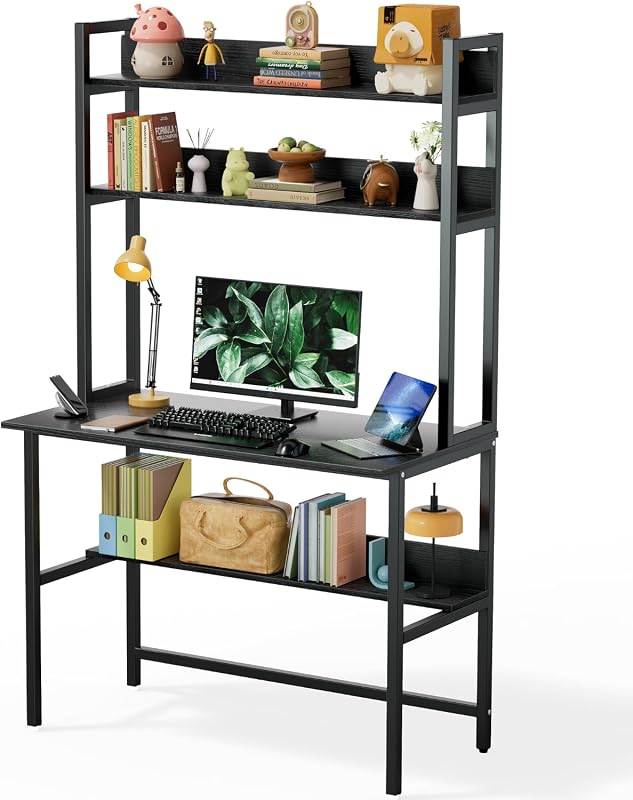
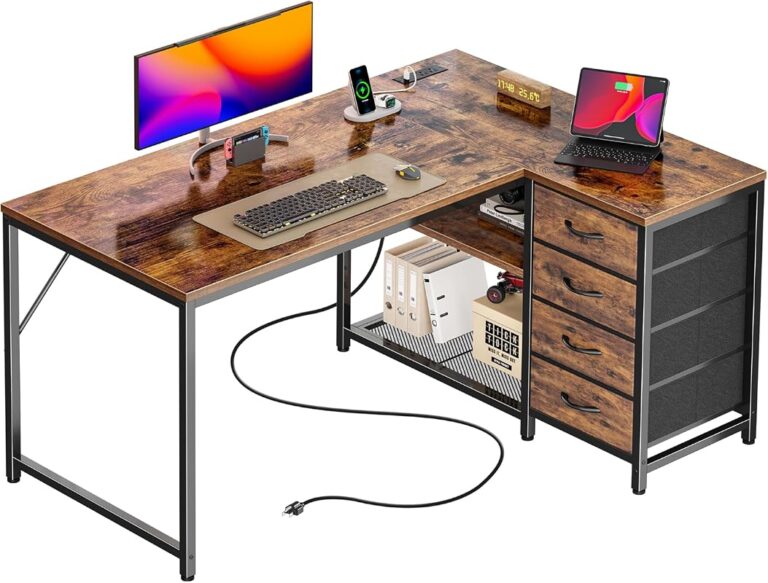
The Corner Studio: A watercolorist I know uses a single IKEA corner desk, two daylight lamps clamped to the shelf above, and three mason jars for brushes. Her paper and sketchbooks sit in a vertical file holder. Total cost: under $90. She paints almost every morning before work.
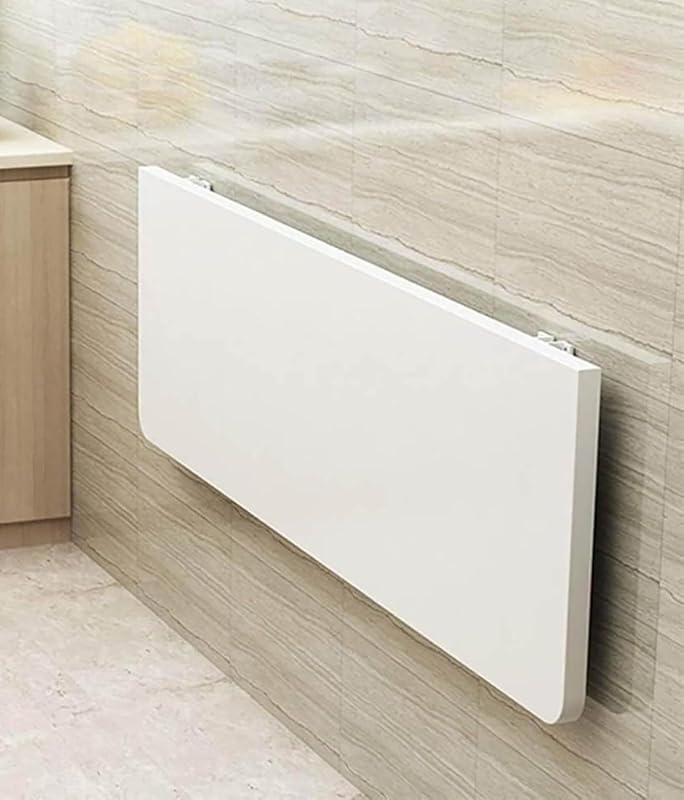
The Garage Wall: A painter friend converted one wall of his garage into a studio zone — a folding workbench, a standing easel, and a pegboard for brushes and palette knives. The concrete floor cleans up fast. He added a space heater for winter. Cost: around $200 total.
Common Mistakes to Avoid
I made most of these mistakes myself when I first set up my home studio. Learning from them will save you time and money.
- Buying too much too soon. Start with what you have and add as you identify real gaps.
- Ignoring ergonomics. A chair or table at the wrong height causes real physical pain over time. Check that your work surface suits your posture before you commit to it.
- Setting up in a shared space without boundaries. If others use the space too, create a clear visual boundary — a rug, a shelf, a curtain — so your studio corner stays set up.
- Storing everything in closed boxes. Out of sight often means out of mind. Use open shelves and jars so your supplies stay visible and inviting.
- Skipping the drop cloth. One spilled jar of ink on an unprotected carpet is an expensive lesson. Lay down floor protection before your first session.
If you rent your home, check with your landlord before mounting pegboards, shelving brackets, or heavy wall storage. Removable adhesive hooks and freestanding shelf units are excellent alternatives that leave no damage.
Pro Tips for a Better Home Studio
- Hang a corkboard or magnetic strip near your work surface for pinning reference images, color swatches, and notes without cluttering your table.
- Use a lazy Susan on your supply shelf so you can spin it and reach items at the back without rearranging everything.
- Keep a dedicated “clean up” kit — paper towels, cleaning spray, and a small brush — right at your station so tidying takes under two minutes.
- Put a small mirror to the side of your easel. Viewing your painting in reverse reveals composition problems your eye has stopped seeing.
- Add a cheap Bluetooth speaker. Music or ambient sound genuinely helps many artists stay in flow during long sessions.
- Take a photo of your studio setup when it feels right. It gives you a reset target on days when things get messy.
Displaying Your Finished Work in Your Studio
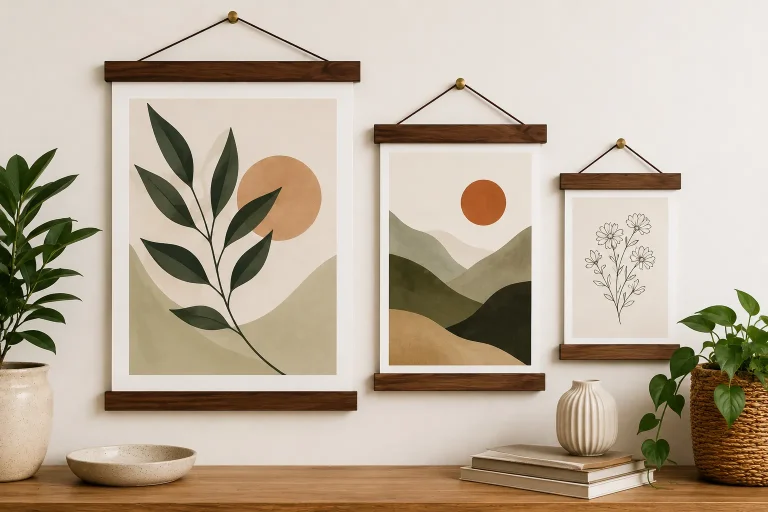
A studio is not just a place to make art. It is also a place to live with it. Seeing your finished work on the wall gives you a sense of progress and keeps you motivated to keep creating.
I hang finished pieces on a simple picture rail in my studio so I can rearrange them easily without putting new holes in the wall. Even a few pieces well-displayed can transform a work corner into a space that feels professional and inspiring.
For help choosing frames and display options that suit your style, our Art & Frames guide covers everything from gallery-style hanging to affordable ledge shelves.
You might also enjoy browsing our Creative Living section for more ideas on weaving art into everyday home life.
For displaying work-in-progress or finished pieces in your studio, I love a simple wooden picture ledge. It lets you lean multiple pieces at different heights without committing to hanging, and you can rearrange in seconds. Add one above your main work surface to keep current projects visible.
Recommended Products for Your Home Art Studio
Home Art Studio Setup at a Glance
| Setup Element | Budget Option | Mid-Range Option | Why It Matters |
|---|---|---|---|
| Work surface | Folding table ($30–$50) | Drafting table ($80–$150) | Stable surface protects your work |
| Lighting | Clip lamp + daylight bulb ($20) | Dedicated art lamp ($40–$80) | Accurate color and reduced eye strain |
| Storage | Jars + cardboard boxes ($10) | Shelf unit + bins ($40–$80) | Keeps supplies visible and reachable |
| Easel | Tabletop easel ($25–$40) | Standing studio easel ($60–$100) | Correct painting angle and posture |
| Floor protection | Drop cloth ($10–$15) | Vinyl floor mat ($25–$40) | Saves floors and carpets from spills |
- Choose a spot with the best natural light and good ventilation
- Invest first in lighting — daylight-balanced LEDs make the biggest difference
- Protect your floors and surfaces before your first session
- Store frequently used tools within arm’s reach and keep them visible
- Start simple and add to your studio as you identify real needs
- Display finished work in your studio to stay motivated and track progress
You do not need a dedicated room or a large budget to set up a home art studio. You need good light, a protected work surface, organized storage, and a spot you can call your own. Start with those four things and build from there. The best studio is the one you actually sit down in — every day, or as close to it as you can manage.
Frequently Asked Questions
You can set up a functional home art studio in as little as 40 to 50 square feet — roughly the size of a large closet or small corner. A work surface, a place to store supplies, and room to step back and view your work are the essentials. Many artists work happily in a corner of a bedroom or living room.
The best lighting combines natural daylight with daylight-balanced LED bulbs rated at around 5000K. Position your main light to the left of your dominant hand to minimize shadows on your work. Avoid warm-toned bulbs as your primary work light — they distort color perception, especially when mixing paints.
Yes. A basic, functional home art studio can cost as little as $50 to $100 if you already have a table or desk. Prioritize a good daylight lamp, floor protection, and simple open storage — jars and shelves go a long way. Add bigger items like a proper easel or drafting table over time as your budget allows.
Hard floors — wood, tile, or vinyl — are the easiest to clean and the most practical for any art studio. If you only have carpet, lay down a vinyl mat or canvas drop cloth before you start working. For your work surface, always use a protective mat or silicone sheet when using wet media, inks, or solvents.
No. A separate room is a luxury, not a requirement. Many working artists create in a corner of a shared room. The most important thing is having a spot you can leave partially set up between sessions, so you do not have to start from scratch every time you want to create.
Use open shelves and clear containers so supplies stay visible. Keep your most-used tools within arm’s reach on your work surface. Store less-used items on higher shelves or in labeled boxes. A pegboard mounted on the wall is one of the most space-efficient storage solutions for brushes, scissors, tape, and small tools.
If you use oil paints, spray varnishes, fixatives, or solvents, you need proper airflow. A window that opens is the minimum. Add a small fan to push fumes outward. For heavy solvent use, consider a proper air purifier or dedicated ventilation. Watercolor, gouache, and graphite artists have very minimal ventilation needs.
Stick to freestanding furniture and removable storage solutions. Tension-mounted shelves, freestanding pegboard frames, and adhesive hooks protect your walls and leave no permanent marks. Always check your lease before drilling or mounting anything. A large floor mat can protect carpets from spills without any installation at all.
Conclusion: Your Studio, Your Creative Life
Setting up a home art studio does not have to be complicated or expensive. It starts with choosing a spot, getting the light right, protecting your surfaces, and organizing your supplies so they are easy to reach and see.
From there, you build. You learn what you actually need from regular use, and you adjust. The studio I work in today looks nothing like my first corner setup — but that first corner is what made everything else possible.
If you are looking for inspiration beyond the studio itself, our Books & Gifts section has beautiful resources for creative living, including art books that double as studio décor and thoughtful gifts for fellow art lovers.
Start small. Start now. The best studio is the one you actually use.

3 Comments