Acid-Free Paper for Photos and Keepsakes

Acid-free paper is useful when you want to separate, wrap, or protect photos, prints, documents, fabrics, and keepsakes during storage. The goal is simple: reduce contact with acidic materials that can yellow paper, stain fabrics, or damage delicate surfaces over time.
Quick Answer
- Use acid-free paper between photos, prints, documents, and textiles that should not touch.
- Avoid newspaper, regular cardboard, and unknown tissue paper for long-term storage.
- Photos often need photo-safe sleeves, boxes, or interleaving paper depending on the item.
- Acid-free does not mean waterproof, mold-proof, or heat-proof. Storage conditions still matter.
What Acid-Free Paper Does
Regular paper and cardboard can contain acids that break down over time. Acid-free paper is made to be more stable for storage. It can help protect photos, art prints, letters, certificates, fabric pieces, and keepsakes from direct contact with materials that may cause discoloration.
Best Uses for Acid-Free Paper
| Item | How to use acid-free paper | Extra storage tip |
|---|---|---|
| Photos | Use between prints or inside photo-safe boxes | Avoid damp rooms and direct sunlight |
| Art prints | Interleave between sheets or wrap before boxing | Store flat when possible |
| Textiles | Use as gentle folds or layers | Do not overstuff boxes |
| Documents | Separate important papers | Use archival folders or boxes |
| Keepsakes | Wrap delicate items before storage | Label boxes clearly |
Acid-Free Paper vs Acid-Free Tissue Paper
Acid-free paper is often firmer and better for interleaving prints or documents. Acid-free tissue paper is softer and useful for textiles, garments, and delicate items that need cushioning. For photos, look for photo-safe or archival materials rather than assuming all tissue paper is suitable.
Storage Mistakes to Avoid
- Wrapping keepsakes in newspaper.
- Using ordinary cardboard boxes for long-term storage.
- Storing photos in damp basements or hot attics.
- Letting tape, glue, rubber bands, or PVC plastic touch photos.
- Overpacking textiles so folds become sharp and permanent.
When You Also Need an Archival Box
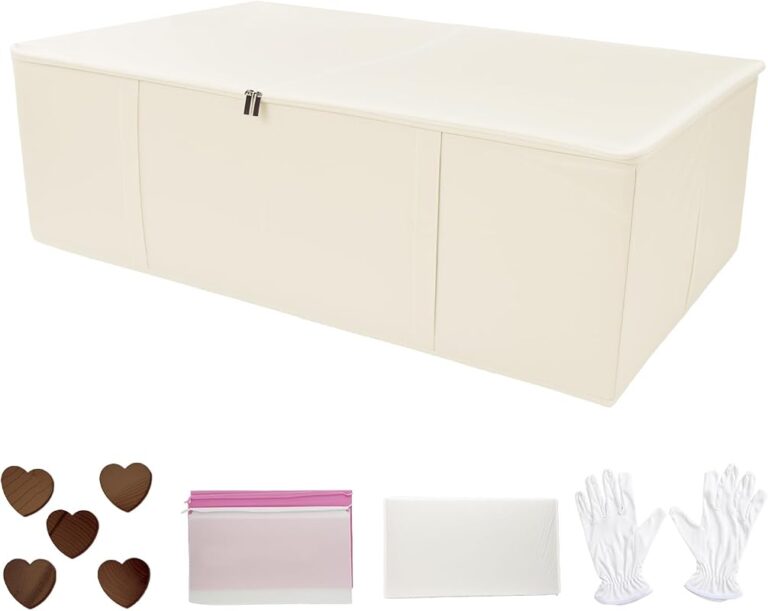
Acid-free paper is only one layer of protection. For long-term storage, pair it with an archival box, photo storage box, print storage box, or textile storage box that keeps dust, pressure, and handling damage under control.
How to Store Photos With Acid-Free Paper
For loose photos, place acid-free interleaving paper between prints only when needed, then store them in a photo-safe box or archival sleeve. Do not overpack the box, because pressure can bend corners and leave marks. For old family photos, write labels on the storage folder or box instead of writing directly on the back of the photo.
Acid-Free Storage Checklist
- Use clean, dry hands or cotton gloves for delicate items.
- Keep photos and papers away from basements, attics, and direct sunlight.
- Use archival boxes for long-term storage instead of regular cardboard.
- Separate different materials so fabric dyes, paper acids, or plasticizers do not transfer.
- Check stored items once or twice a year for moisture, odor, or pests.
Related Guides
- Best textile storage boxes for acid-free preservation
- Acid-free paper for storage guide
- Acid-free photo storage boxes
Buffered vs Unbuffered Acid-Free Paper
Some acid-free papers are buffered with an alkaline reserve, while others are unbuffered. Buffered paper is often used for many paper-based items, but some textiles, photographs, and sensitive materials may need unbuffered storage materials. If you are preserving valuable photographs, museum items, or heirloom textiles, check the product specifications or ask an archival supplier before choosing.
How Acid-Free Paper Fits Into a Complete Storage System
Think of acid-free paper as a contact layer, not the whole storage solution. The paper separates and cushions items, while the box, sleeve, or folder protects against dust, handling, pressure, and light. A good system uses clean materials, stable temperature, low humidity, and clear labels so items are protected and easy to find later.
When to Replace Old Storage Materials
If old envelopes, boxes, or tissue paper smell musty, feel brittle, or show yellow stains, replace them with archival storage materials. Stains can transfer slowly, especially when items are pressed together for years. Rehousing old photos and keepsakes is often one of the simplest ways to reduce future damage.
FAQ
Is acid-free paper safe for photos?
Acid-free paper can be useful around photos, but for long-term photo storage you should choose photo-safe or archival materials and avoid PVC plastics, tape, and damp storage.
Can I use acid-free tissue paper for clothes?
Yes, acid-free tissue paper is commonly used to cushion folds in clothing and textiles, especially for garments, quilts, and delicate keepsakes.
Does acid-free paper stop mold?
No. Acid-free paper does not stop mold. You still need a dry, stable storage area with good temperature and humidity control.
What should I avoid when storing old photos?
Avoid newspaper, regular cardboard, rubber bands, tape, glue, PVC sleeves, heat, humidity, and direct sunlight.
Note: Product availability, materials, and prices can change. Check the seller page and product specifications before buying.