How to Transport Paintings in a Car Safely

Transporting paintings in a car sounds simple until a canvas rubs against a seat, a frame corner chips, or heat softens a finish. This guide explains how to move paintings by car with practical steps for framed art, canvas panels, prints, and delicate surfaces.
Quick Answer
- Keep artwork upright whenever possible and avoid stacking heavy items on top.
- Use glassine, corner protectors, bubble wrap, cardboard, and a rigid outer layer.
- Avoid leaving paintings in a hot, cold, or humid car for long periods.
- Do not place bare bubble wrap directly on painted surfaces.
Before You Put Paintings in the Car
Start by checking the type of artwork. A framed print under glass needs different protection than an unframed canvas or an oil painting. Remove loose hanging wire if it can scratch the back of another piece. Photograph the artwork before packing so you have a condition record.
If the artwork is valuable, fragile, oversized, or freshly painted, consider professional art transport instead of a normal car trip.
Best Way to Pack a Painting for a Car Trip
- Cover the front with glassine or acid-free paper if the surface needs protection.
- Add corner protectors to frames and stretched canvases.
- Wrap with bubble wrap, keeping bubbles away from the painted surface.
- Add a flat cardboard or foam board layer on both sides.
- Tape the outer wrap, not the artwork or frame finish.
- Label the package as fragile and mark the top side.
Where to Place Paintings in the Car
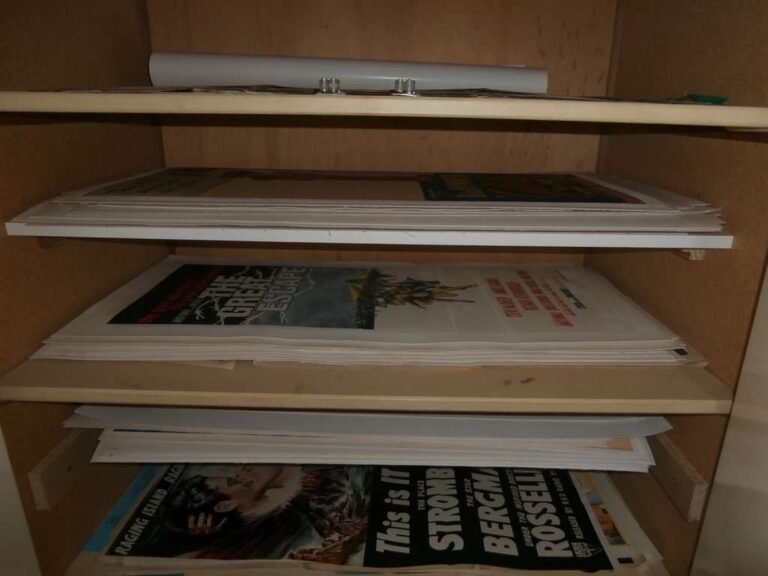
The safest place is usually upright behind the front seats, in the rear footwell, or flat in the cargo area if nothing can slide onto it. Avoid the trunk during hot weather because temperatures can rise quickly. If you must lay paintings flat, place the largest and strongest piece at the bottom and use a clean divider between each work.
Mistakes That Damage Paintings During Transport
- Putting bubble wrap directly against paint or varnish.
- Letting frames slide against each other.
- Leaving artwork in direct sunlight inside the vehicle.
- Using newspaper on artwork surfaces.
- Stacking suitcases, tools, or boxes on top of frames.
When You Need an Artwork Transport Case
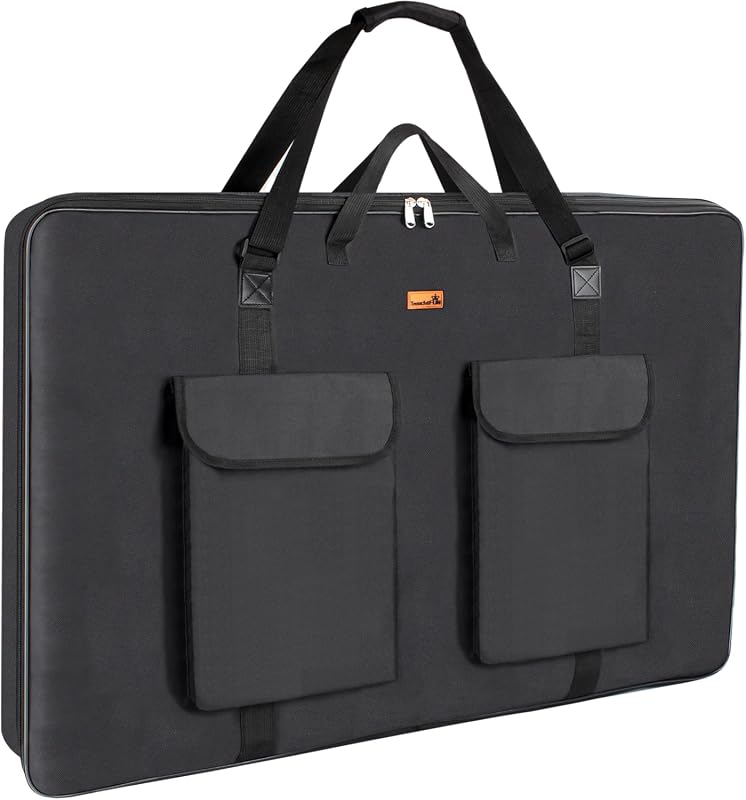
If you regularly move prints, drawings, canvas boards, or portfolio work, a rigid portfolio case or artwork transport case can be safer than improvised wrapping. It is especially useful for students, artists, photographers, and anyone taking artwork to shows or framers.
Car Transport Checklist Before You Leave
- Measure the painting and confirm it fits without bending or pressing against doors.
- Clear the back seat or cargo area before loading artwork.
- Bring extra towels, cardboard, tape, and corner protectors in case something shifts.
- Keep drinks, food, tools, and loose boxes away from the artwork.
- Drive smoothly and avoid sudden braking where possible.
Best Packing Materials for Paintings
For most home moves, the safest stack is glassine or acid-free paper near the artwork, then bubble wrap, then a rigid outer layer such as cardboard or foam board. If the painting has glass, add painter’s tape in an X pattern over the glass so small shards are less likely to scatter if it breaks. Do not tape the frame finish or painted surface directly.
Related Guides
- Best way to transport artwork safely
- Large art portfolio cases for artwork storage
- Art portfolio case 24×36 guide
Short Trips vs Long-Distance Car Moves
For a short local trip to a framer or gallery, careful wrapping and upright placement may be enough. For a longer drive, treat the painting like a fragile shipment. Add more rigid protection, keep the artwork away from windows, and plan stops so the car is not left in direct sun. If you are moving several paintings, separate each one with cardboard or foam board and avoid mixing framed glass pieces with unframed canvas in the same stack.
After the Painting Arrives
Do not unwrap delicate artwork immediately if it has been in cold or hot conditions. Let it adjust to room temperature first, then open the outer layers carefully. Check corners, frame joints, glass, canvas tension, and the back of the artwork. If moisture, dents, or loose frame parts appear, avoid hanging it until the issue is checked.
Painting Transport Risk Table
| Risk | Why it matters | Safer choice |
|---|---|---|
| Heat inside car | Can affect finishes, adhesives, and paper | Use climate-controlled cabin space |
| Loose frames | Can scratch or chip nearby artwork | Separate every piece with rigid board |
| Direct pressure | Can dent canvas or crack glass | Keep heavy items away from artwork |
FAQ
Can you transport paintings flat in a car?
You can transport some paintings flat if they are fully protected and nothing heavy sits on top, but upright positioning is usually safer for framed art and stretched canvas.
Should bubble wrap touch a painting?
Bubble wrap should not touch painted or delicate surfaces directly. Use glassine or acid-free paper first, then add bubble wrap outside that protective layer.
Is a car trunk safe for paintings?
A trunk can be risky in heat, cold, or humidity. Use the passenger area when possible so temperature and movement are easier to control.
What is the best cover for paintings during a move?
Glassine, acid-free paper, corner protectors, bubble wrap, and rigid cardboard or foam board create a safer layered packing system.
Note: Product availability, materials, and prices can change. Check the seller page and product specifications before buying.