Best Museum Coffee Table Books for Art Lovers

Museum coffee table books bring art into the home in a way that’s both beautiful and approachable. They collect images, essays, and curatorial notes so readers can explore movements, artists, and exhibitions without stepping into a gallery. For art lovers, these books serve as visual reference, decor, and a steady source of inspiration.
Buyers should weigh image quality, reproduction size, and the depth of scholarship. Large, high-resolution plates and accurate color reproduction matter most for enjoying and studying artworks, while solid binding and paper weight affect how the book looks and lasts. Choose books that balance excellent image reproduction with clear, concise text so the art reads well and the book stands up to regular use.
10 Best Museum Coffee Table Books for Art Lovers
Below is a carefully chosen list of the best museum coffee table books for art lovers. It highlights books that offer strong visuals, clear context, and lasting appeal for both casual readers and serious collectors.
Met Museum: Masterpiece Paintings

This book is worth buying for art lovers who want a large, museum-quality collection of classic paintings in one volume.
Pros
- Stunning, high-quality plates that show details well
- Wide, carefully curated selection from the Met’s collection
- Feels substantial and looks impressive on a table
Cons
- Very heavy and bulky to handle or move
- Binding may feel delicate on some copies
- Text is limited for readers who want deep analysis
The book offers large, vivid reproductions that let readers study color and brushwork without visiting the museum. It highlights many well-known works and also includes some surprising choices that broaden a casual viewer’s sense of art history.
Its size and presentation make it a clear coffee-table statement piece. The layout favors images over long essays, so it suits viewers who prefer to enjoy art visually rather than read dense interpretation.
They should expect a heavy volume that looks and feels luxurious but to check the binding and packaging on arrival. If portability and academic depth matter more than image quality, another title might fit better.
MoMA Now

This book is a strong pick for someone who wants a broad, museum-curated view of modern art with high-quality images and concise context.
Pros
- Wide range of works from MoMA’s collection.
- Large format and sharp reproductions that look good on a table.
- Organized, easy-to-scan entries for quick browsing.
Cons
- Heavy and large, not ideal for small spaces.
- Text can feel brief for readers wanting deep art history.
- Hardcover size makes it harder to carry around.
MoMA Now collects highlights from The Museum of Modern Art and presents them in a clean, museum-style layout. It suits readers who prefer clear visuals and short, informative captions over long essays.
The images are the main draw: they show scale, color, and texture well in a coffee-table-friendly size. The book works as a conversation starter and a visual tour of modern art movements.
Some readers might miss longer background or critical essays, but the concise format helps casual viewers and newcomers scan art quickly. The edition’s weight and size make it best for display rather than travel.
Louvre: All the Paintings
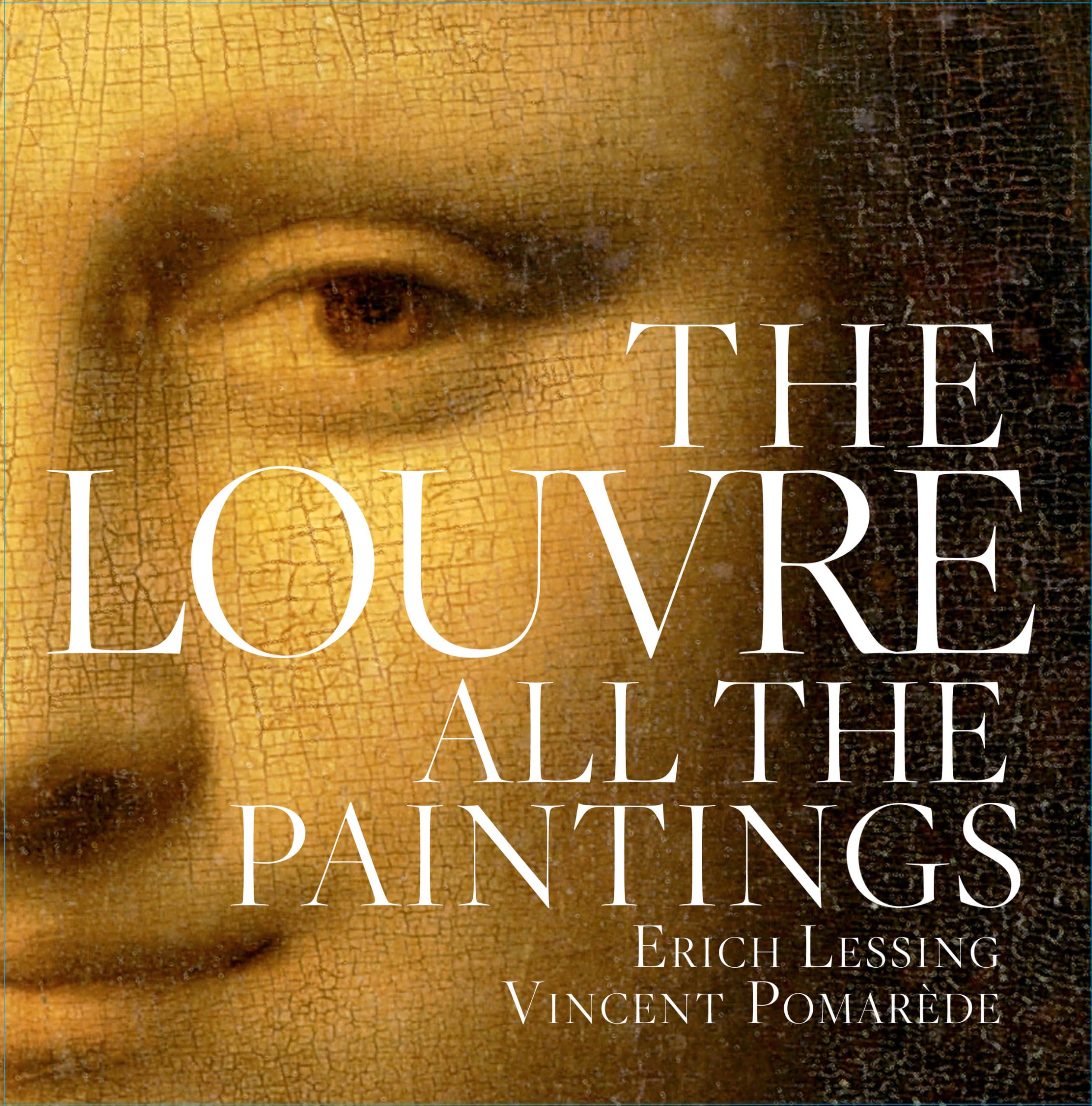
This book is a strong buy for readers who want a comprehensive, museum-quality collection of the Louvre’s paintings in one large volume.
Pros
- Very comprehensive coverage of the Louvre’s paintings.
- High-quality printing and color reproduction.
- Large format makes images clear and detailed.
Cons
- Heavy and bulky to handle or travel with.
- Some buyers expected extra media (DVD-ROM) that may be missing.
- Image sizes for some works can feel small given the book’s bulk.
This volume guides readers through more than 700 pages of the Louvre’s painting collection. It presents works in a clear, organized way that helps users explore artists and periods without visiting the museum.
The book’s printing quality makes many paintings look vivid and true to color. A reader who likes detailed captions and museum-style curation will find this useful for reference or display on a coffee table.
Because it weighs about nine pounds and measures 11 inches square, the book sits well as a visual centerpiece but is awkward to carry. Buyers should expect a substantial volume meant to stay at home rather than travel.
Art: The Definitive Visual Guide

This book is a strong buy for readers who want a wide, well-illustrated overview of art history in one volume.
Pros
- Stunning, high-quality images that make it visually appealing.
- Broad historical scope from prehistoric to modern art.
- Clear, accessible summaries that suit casual readers.
Cons
- Heavy and large, not easy to carry around.
- Lacks deep critical analysis for advanced readers.
- Some sections feel introductory rather than detailed.
The layout makes art easy to browse. Images sit alongside concise text, so readers can skim or dig deeper depending on time.
Its size and glossy pages give a museum-quality look on a coffee table. The book works well as a visual reference or casual read for guests.
Readers seeking a single, attractive volume that covers many eras will find this useful. Those who want dense scholarly essays may want supplemental titles.
Vanity Fair 100 Years

This book is a strong pick for art lovers who want a large, image-rich history of culture and photography collected by a major magazine.
Pros
- Rich selection of iconic photographs and portraits.
- Large format makes images feel immersive.
- Good mix of history and visual storytelling.
Cons
- Very heavy and large for casual handling.
- Some copies may show wear on delivery.
- Dense content can feel long to read through.
The book gathers a century of Vanity Fair’s best photography and profiles. It reads like a visual timeline of style, celebrity, and cultural shifts. Readers get both famous portraits and context that ties images to moments in history.
Its big size and glossy photography make it a standout on a coffee table. The matte cover with glossy lettering gives a chic, polished look that many buyers praise. Handling the volume can be awkward, but the images reward the effort.
This edition leans more toward visual impact than light browsing. People who enjoy studying photos and cultural moments will find hours of interest. Casual viewers may prefer a smaller book, but collectors and art lovers will value the range and curation.
Art — Discovering Infinite Connections (Metropolitan Museum of Art)

It is worth buying for art lovers who want a wide, visually rich look at art across time that highlights surprising links between works.
Pros
- Bold layout that links artworks in new ways
- High-quality printing and heavy paper
- Wide range of cultures and time periods included
Cons
- Large and heavy for casual reading
- Nontraditional organization may confuse readers expecting a timeline
- Price can be high for some buyers
The book treats the Met’s collection as a web of connections instead of a straight history. This makes browsing fun; readers can jump from a textile to a sculpture and see why they belong together.
Images look vivid on thick paper, and the design feels modern. The scale and printing give the pages a strong presence on a coffee table.
Some readers may find the layout less useful if they want strict chronology or a textbook-style overview. The size and weight also mean it sits best on a table rather than being carried around.
Overall, it works well as a visual conversation starter and a deep browse for museum fans who like to explore links across time and place.
Van Gogh: The Complete Paintings
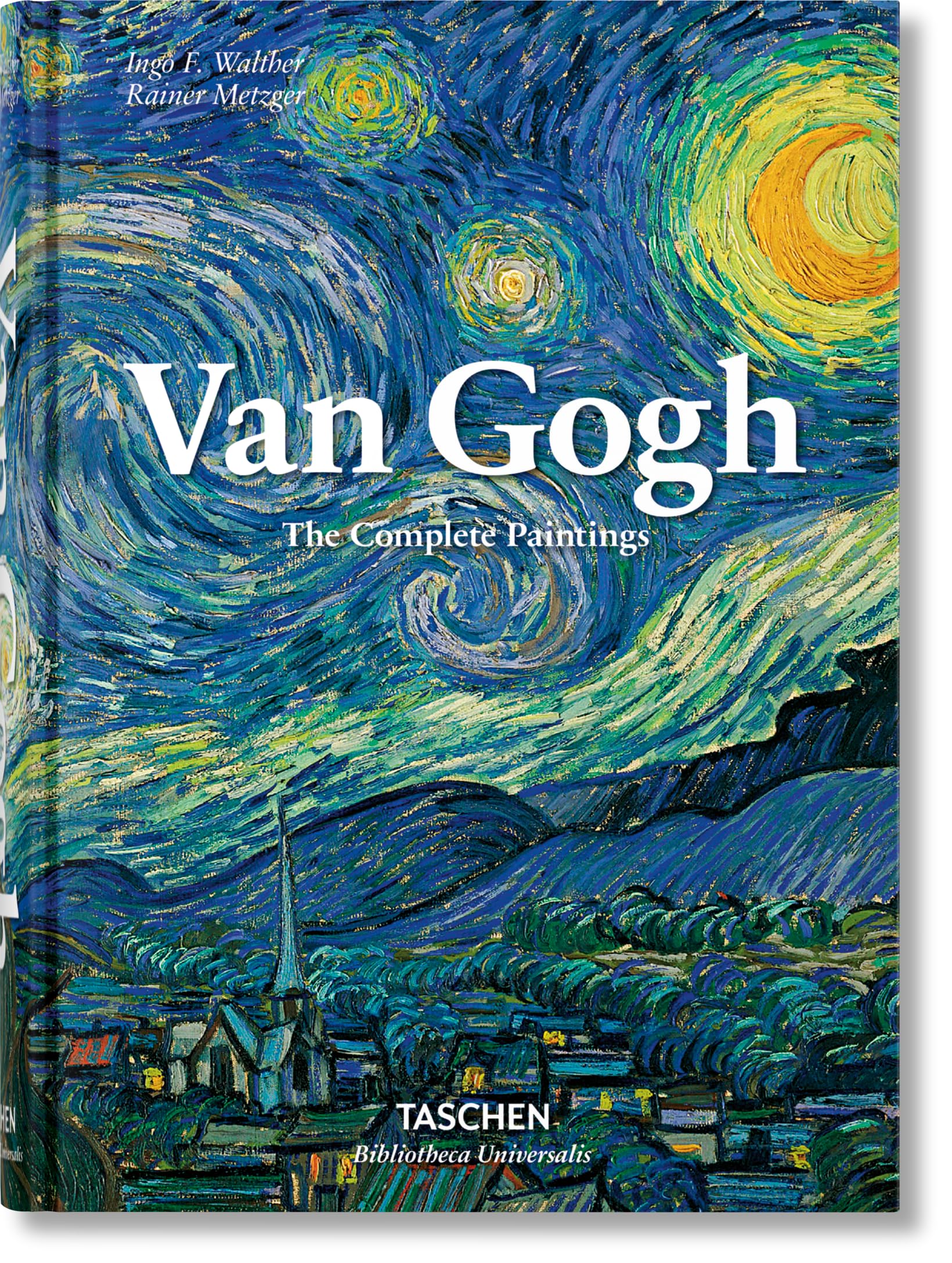
It is a strong pick for readers who want a compact but thorough visual guide to Van Gogh’s work.
Pros
- Very comprehensive coverage of paintings across Van Gogh’s career.
- Clear, faithful color reproductions on many pages.
- Durable binding that lies flat for easy viewing.
Cons
- Smaller physical size limits image detail compared with large-format art books.
- Very long (741 pages) can feel dense for casual browsing.
- Occasional shipping or surface defects reported by buyers.
This edition collects Van Gogh’s paintings in one volume, making it useful for fans who want a single reference rather than multiple books. The text balances biography and art commentary without overwhelming readers with academic language.
It reproduces many paintings with good color accuracy, so readers can study brushwork and motifs. The compact dimensions make it easier to handle than oversized museum volumes, but that also means some images are not as large or high-resolution as in bigger coffee table books.
Buyers looking for a museum-style, all-in-one painting survey will find this book practical and well-produced, while those who want museum-scale images may prefer a larger-format alternative.
Art: Over 2,500 Works

It is a strong pick for readers who want a broad, illustrated survey of art history from ancient to modern because it combines many images with clear, concise explanations.
Pros
- Wide scope covering many periods and styles.
- Lots of full-color images and visual examples.
- Good for learning movements and key works.
Cons
- Very large and heavy to handle on a small table.
- Not a deep scholarly text for advanced researchers.
- Some used copies may show wear.
The book packs more than 600 pages of paintings, sculpture, and visuals into one volume. It aims to show major works and explain why they matter, making it easy for curious readers to learn the basics of art history.
Many images get focused descriptions that point out important details and themes. Readers can flip to different movements or artists and find clear, readable text that supports the pictures.
Because of its size it makes a strong visual statement on a coffee table. It works well as a conversation starter and a casual reference for people who love art.
The Art Museum

It is worth buying for anyone who wants a single, broad survey of major artworks presented with strong production quality.
Pros
- Huge, wide-ranging selection of famous works
- High-quality color plates and printing
- Well organized for casual browsing
Cons
- Very heavy and large to handle
- Might be too broad for readers wanting deep focus
- Takes up significant shelf or table space
This book serves as a broad visual tour through art history, so it fits well on a coffee table where guests can flip through at leisure. The layout favors clear plates and short entries that make the content easy to skim.
Collectors will like the production values and the sense of having a single, comprehensive volume. It aims to cover many periods and styles, which helps readers who want an overview rather than a narrow specialty.
Buyers should expect a substantial, weighty book that looks impressive but needs space and care when moved. It works best as a reference or display piece rather than a light read.
In Vogue

It’s a strong pick for art and fashion lovers who want a rich visual history of Vogue and its influence on style.
Pros
- Beautiful, high-quality images and design.
- Wide historical scope across 444 pages.
- Good gift choice for fashion fans.
Cons
- Large and heavy for casual browsing.
- Some readers may want more critical analysis.
- Packaging issues reported by a few buyers.
The book offers a deep visual tour of Vogue’s covers, editorials, and photography. It focuses on the magazine’s role in shaping fashion and visual culture over decades.
Readers will find striking black-and-white and color plates on high-quality paper that work well on a coffee table. The layout highlights key photographers, editors, and iconic issues without dense academic language.
This edition suits anyone who values images and curated history over compact size. It pairs well with other museum or fashion books to create a stylish display.
Buying Guide
They should check the book size and weight first. Larger books show images better but can be heavy and hard to handle. Smaller books are easier to display and flip through.
They should look at image quality and paper type. High-quality photos on thick, matte or semi-gloss paper keep colors true and reduce glare. Low-quality printing can make famous works look flat.
They should consider the book’s scope and focus. Some books cover a single museum collection or artist, while others survey movements or periods. Choose the scope that matches the reader’s interest and prior knowledge.
They should review the text level and curator notes. Clear, concise essays and captions help readers understand context. Scholarly essays are valuable but may be dense for casual readers.
They should evaluate binding and durability. Sewn bindings and sturdy covers last longer on a coffee table. Flimsy bindings can split with frequent use.
They should check extras like timelines, maps, and indexes. Useful supplements add context and make the book easier to use for reference. They should also consider bilingual text if readers speak more than one language.
They should compare price and value. Higher price can reflect production quality, but it should match paper, printing, and scholarship. They should decide which features matter most and balance cost against those priorities.
Editor’s picks
The editor highlights five standout museum coffee table books that suit different tastes. Each choice balances strong images, clear essays, and durable design.
- The first pick focuses on classic masterpieces. It offers high-quality color plates and concise captions that make artworks easy to study.
- The second pick explores modern and contemporary art. Essays by curators explain movements and context without heavy jargon.
- The third pick is a museum monograph on a single artist. It includes rare prints and a timeline of the artist’s life for quick reference.
- The fourth pick emphasizes photography and design. The layout uses full-bleed photos and minimal text to let images speak.
- The fifth pick is a survey of global art. It covers varied regions and includes maps and short biographies for clarity.
| Title type | Best for | Notable features |
|---|---|---|
| Classics collection | Fans of old masters | High-res plates, clear captions |
| Contemporary survey | Modern art readers | Curator essays, trend context |
| Artist monograph | Deep dives | Chronology, rare images |
| Photography & design | Visual-first readers | Full-bleed photos, clean layout |
| Global survey | World art overview | Maps, brief bios |
They recommend choosing based on how the reader uses the book: study, display, or casual browsing. Each pick aims to be informative, well-produced, and suited to a museum-lover’s shelf.