History of Coffee Table Books: Why They Became Decor Icons

The history of coffee table books began with large illustrated books, art albums, travel volumes, and museum publications. Over time, these books moved from libraries and parlors into living rooms, where they became both reading material and decorative objects.
Coffee table books have a long story. They grew from fine art publishing, travel photography, museum catalogs, and the rise of the modern living room.
I like coffee table books because they feel calm, visual, and personal. They are not just books. They are part of the room.
When I look at a stack of art books on a table, I see taste, memory, and curiosity. That is why the history of coffee table books is also a history of how people learned to display culture at home.
What Is a Coffee Table Book?
A coffee table book is usually a large, visual book made to be displayed and browsed. It often has strong photography, art, design, fashion, travel, architecture, or lifestyle content.
The name comes from its common place in the home: the coffee table. But the idea is older than the phrase itself.
Not every large book is a coffee table book. A true coffee table book is both useful to browse and beautiful enough to display.
Where the Idea Came From
Before people used the phrase coffee table book, large illustrated books already had a place in homes. Wealthy families kept art books, travel albums, botanical books, and fine printed volumes in libraries and sitting rooms.
These books were made to impress. They showed education, travel, taste, and social status.
Many early display books were expensive because they used detailed illustrations, fine paper, and special printing methods.
Museum publishing also shaped the coffee table book tradition. Institutions such as The Met and MoMA helped make art books feel both educational and beautiful.
A Simple Timeline of Coffee Table Books
The coffee table book did not appear suddenly. It developed slowly as printing, photography, home design, and consumer culture changed.
| Period | What Changed | Why It Matters |
|---|---|---|
| 1800s | Large illustrated books became status objects | Books showed education, taste, and wealth |
| Early 1900s | Photography and art publishing grew | Visual books became easier to produce |
| 1950s–1960s | Modern living rooms became social spaces | Books moved onto coffee tables as decor |
| 1970s–1990s | Fashion, travel, architecture, and design books expanded | Coffee table books became lifestyle objects |
| 2000s–Today | Gift books and curated home styling grew | Books became part of personal branding at home |
How Coffee Table Books Became Popular
The modern coffee table book became popular when the living room became a more casual social space. People gathered around low tables, sofas, lamps, and decorative objects.
A large book on the table was useful. It filled space, started conversation, and showed what the homeowner cared about.
Home magazines and design media also helped. Sources such as Architectural Digest and Apartment Therapy often show books as part of a styled room.
The Role of Art and Museum Books
Art books are central to the history of coffee table books. They made serious visual culture feel accessible at home.
A museum book could bring painting, sculpture, photography, or design into a living room. It could sit beside a lamp, a vase, or a framed print and make the room feel more thoughtful.
An art coffee table book can make a home feel like a small private gallery. It invites slow looking, not just quick decoration.
How Photography Changed Coffee Table Books
Photography gave coffee table books their strongest visual power. Large photo books could show cities, people, homes, fashion, landscapes, and moments in history.
Unlike a small novel, a photography book could be opened anywhere. You did not need to read from page one. You could browse, pause, and enjoy one image at a time.
Better color printing made large visual books more attractive and more accurate.
People wanted books filled with real places, faces, interiors, and cultural scenes.
Books became part of the way a room looked, not only what a person read.
Why Coffee Table Books Matter in Home Decor
Coffee table books matter because they soften a room. They add scale, color, layers, and a human feeling.
A room with only furniture can feel empty. A room with books feels lived in. It tells guests that someone thinks, looks, collects, and cares.
Coffee Table Books Then vs Now
In the past, large display books often showed wealth, learning, and travel. Today, they still show taste, but in a more personal way.
Now a coffee table book might say, “I love modern art,” “I care about interiors,” or “I dream about Italy.” That personal feeling is what makes them powerful.
| Then | Now | What Stayed the Same |
|---|---|---|
| Often expensive and formal | Available at many price levels | Still used to show taste |
| Kept in libraries or parlors | Styled on coffee tables, shelves, and consoles | Still made for browsing |
| Focused on art, travel, and learning | Includes fashion, food, decor, pop culture, and lifestyle | Still visual and conversation-friendly |
| Used as status objects | Used as personal style objects | Still adds beauty to a room |
Do’s and Don’ts of Using Coffee Table Books Today
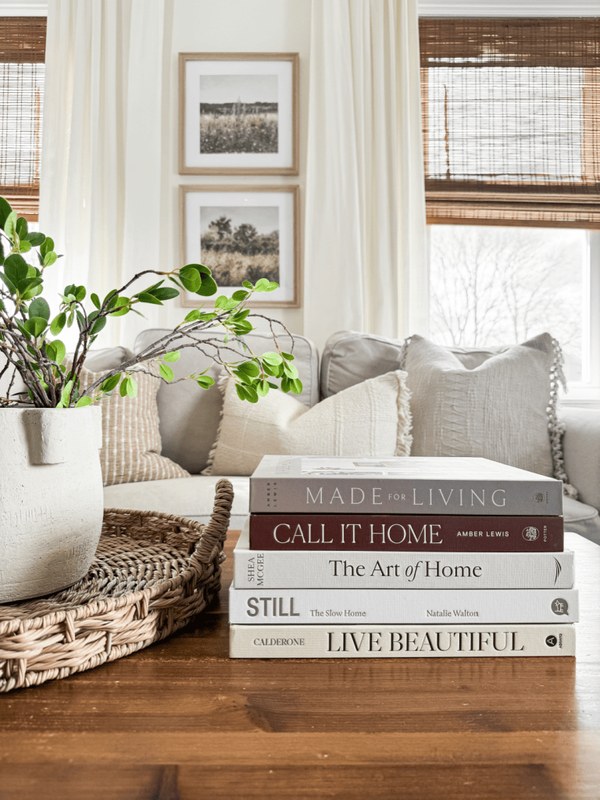
- Choose books that reflect your real interests.
- Mix old and new books for character.
- Use books to add height to a table display.
- Open books sometimes so they feel used and loved.
- Rotate books by season or mood.
- Do not buy books only for the cover.
- Do not overload a small table.
- Do not hide valuable books in direct sunlight.
- Do not treat books like untouchable props.
- Do not ignore the story the books tell about you.
What You’ll Need to Create a Historical Coffee Table Book Display
Common Mistakes People Make
The most common mistake is choosing books with no personal meaning. A coffee table book should not feel like a random hotel lobby object.
Another mistake is using too many books. A stack should give structure, not clutter. Leave space for daily life.
- Mix one older book with one modern book.
- Use museum books when you want a timeless look.
- Choose travel books if you want warmth and story.
- Place a small object on top of a closed book stack.
- Use a tray when drinks are near valuable books.
- Keep cloth-bound books away from water and candle wax.
Old coffee table books can be fragile. Keep them away from moisture, direct sun, food spills, and heavy objects that may damage the spine.
Shop This Look
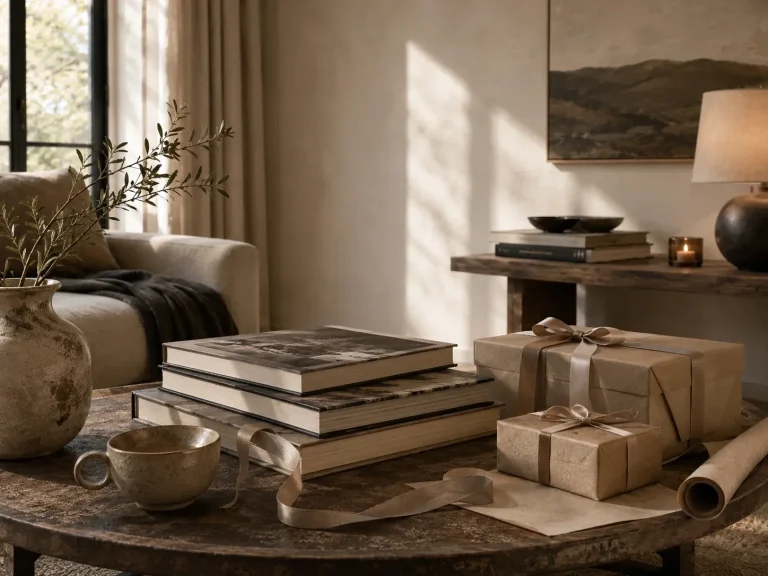
To create a coffee table display with a sense of history, I would start with one museum-style art book and one vintage travel or interiors book.
- Coffee table books grew from large illustrated books and art publishing.
- Modern living rooms helped turn them into decorative display objects.
- Art, photography, travel, and design books shaped the category.
- Today, coffee table books show personal taste and creative lifestyle.
- The best ones are beautiful, meaningful, and easy to browse.
The history of coffee table books shows how books moved from formal libraries into everyday living spaces. They still carry culture, beauty, and personality, but now they feel more personal and relaxed.
FAQ: History of Coffee Table Books
Coffee table books became especially popular in the mid-20th century as modern living rooms and low coffee tables became common.
Large illustrated books, art albums, travel volumes, museum catalogs, and fine printed books came before modern coffee table books.
They are called coffee table books because they are often large, visual books placed on coffee tables for display and casual browsing.
No. They are decorative, but they are also made to be read, browsed, shared, and enjoyed.
Common subjects include art, photography, fashion, travel, architecture, interiors, food, gardens, and culture.
Yes, especially if they have strong images, good condition, a known publisher, or personal meaning.
Display them away from direct sunlight and moisture. Use a tray, keep stacks low, and pair them with simple objects like a vase or small sculpture.
Final Thoughts
The history of coffee table books is really a story about how people bring art, travel, memory, and culture into the home.
They began as impressive illustrated volumes and formal art books. Today, they are warmer and more personal. They help a room feel finished, but they also invite people to slow down and look.
My recommendation is simple. Choose one coffee table book with history, one with personal meaning, and one that suits your room. That small stack can tell a beautiful story.