Acid Free Photo Storage: Complete Preservation Guide

acid free photo storage is the safer choice for prints, negatives, and albums you want to keep in good condition over time. The best option depends on the size of your collection, how often you handle it, and where it will be stored.
acid free photo storage helps slow the yellowing, brittleness, and surface wear that can happen when prints, negatives, and albums sit in unstable materials over time. If you care about family archives, collectible prints, or a tidy home system for keepsakes, the right archival materials make preservation much easier.
In this guide, Julian Mercer explains what to look for, where each storage type fits best, and how to avoid common mistakes that quietly shorten a photo’s life. For readers building a broader preservation system, Hurrell Editions also covers related archival storage options and practical display ideas for digital and printed photo collections.
- Best use: Protects meaningful prints, negatives, albums, and keepsakes from avoidable chemical and physical damage.
- Material check: Look for acid free paper, polypropylene, polyester, and lignin-free board across the full product.
- Room choice: A cool, dry home office or closet shelf is usually better than an attic.
- Buying rule: Match the format to how often you access the photos: sleeves for viewing, boxes.
- Common risk: Old inserts, poor adhesives, overfilling, and sunlight can undermine even good archival storage.
What Acid Free Photo Storage Means and Why It Matters
“Acid free” does not mean a product is magical or permanent. It means the storage material is designed to be less chemically reactive than ordinary paper, cardboard, glue, or plastic, so it is less likely to speed up deterioration in photos and paper-based memorabilia.
That matters because many older storage supplies were made with acids, lignin, or unstable plastics that can discolor prints, leave residue, or trap moisture. The goal is not only to protect the image itself, but also to keep the surrounding materials from becoming part of the problem.
The short answer: how acid free storage protects prints, negatives, and albums
Acid free sleeves, boxes, and albums create a more stable environment around the item. They reduce direct contact with harmful materials, help limit abrasion, and offer a cleaner buffer against dust and handling.
For prints, that often means less edge damage and less chance of long-term staining. For negatives and slides, it means a safer place to organize and retrieve them without repeated exposure to low-quality plastics or sticky inserts. For albums, it means the pages and backings are less likely to break down and damage the photos attached to them.
“Archival” is a broader term than “acid free.” In practice, buyers should look for both acid-free construction and material stability, especially when storing items for many years.
Who benefits most from acid free photo storage in 2026
This type of storage is most useful for people who want their photos to last beyond casual handling. That includes families organizing inherited albums, photographers archiving prints and negatives, collectors preserving signed or limited-edition work, and gift buyers creating a keepsake that is meant to stay in good condition.
It is also helpful for renters and homeowners who want a neat, low-clutter way to keep memories accessible without stacking loose prints in drawers. If your collection includes irreplaceable originals, acid free materials are usually worth prioritizing over decorative packaging alone.
How to Choose the Right Acid Free Photo Storage for Your Collection
The best choice depends on what you are storing, how often you need to access it, and whether the item will live in a drawer, on a shelf, or in a display-oriented album. The label matters, but the material and construction details matter just as much.
Key materials to look for: archival paper, polypropylene, polyester, and lignin-free board
Archival paper is a good fit for inserts, interleaving sheets, and boxes when you want a paper-based solution with a more stable profile. Polypropylene and polyester are common in sleeves because they are clear, lightweight, and generally preferred over brittle or reactive plastics.
Lignin-free board is useful in boxes and album covers because lignin can contribute to discoloration as materials age. When a product says “acid free,” it is still worth checking whether the board, backing, window sheet, and closure materials are all made with preservation in mind.
Material claims can vary by model, size, and retailer. If a listing is vague, check the manufacturer specifications and care instructions before assuming the entire product is archival.
Specifications that matter: thickness, sleeve clarity, closure type, and UV resistance
Thickness affects how well a sleeve or box resists bending and daily handling. Clear sleeves are useful when you want to view the image without removing it, but clarity should not come at the expense of long-term stability.
Closure type matters more than many shoppers expect. Flaps, friction-fit covers, and reinforced binders each serve different needs, and the wrong closure can make frequent access awkward or increase wear. UV resistance is also worth considering if the storage will sit near light exposure, though it should not be treated as a substitute for keeping photos out of direct sun.
What to avoid: acidic adhesives, PVC, unstable inks, and flimsy enclosures
Avoid adhesive products that are not clearly labeled for archival use, especially when they touch the photo surface or the back of a print. PVC is another common red flag because it can become unstable over time and is generally not a preferred storage material for preservation-minded buyers.
Also watch for thin, flimsy enclosures that buckle, tear, or allow the contents to shift too much. If the label is heavy on style language but light on material details, that is usually a sign to keep looking.
If a product uses decorative stickers, glued embellishments, or unknown adhesive tabs, do not assume it is safe for long-term contact with original photos.
Best Uses by Room, Collection Type, and Display Style
Storage works best when it fits the room you actually use. A family archive in a home office needs different access and labeling than a keepsake album displayed in a living room or a working print archive in a studio backroom.
Home office and study storage for active family archives
Home offices and studies are ideal for collections that get updated often. They are usually easier to keep dry, organized, and accessible than attics or basements, and they make it simpler to sort prints by year, event, or family branch.
For this use case, sleeves, binders, and labeled boxes are often the most practical. If you also keep digital copies, a system like a DIY digital photo frame can complement the archive by letting you enjoy images without repeatedly handling originals.
Bedroom, hallway, and living room solutions for keepsake albums and framed prints
In bedrooms and living rooms, the main goal is usually a balance of access and presentation. Acid free albums can sit on a shelf as part of the decor, while framed prints stay protected in the frame but should still be backed with archival materials when possible.
Hallways can work well for slim boxes or a small album library, especially when you want memories nearby without creating visual clutter. If you are pairing storage with display, a related guide on framing photos in acrylic can help you think through a cleaner, more modern presentation style.
- Keep frequently accessed albums on a mid-height shelf so they are easy to remove without bending.
- Use neutral boxes and sleeves in visible rooms so the storage looks intentional, not temporary.
- Leave a little breathing room around boxes and binders to reduce scuffing during retrieval.
Studio, archive, and retail backroom storage for photographers and collectors
Studios and backrooms need storage that is both protective and efficient. Photographers often benefit from clear sleeves, labeled binders, and sturdy archival boxes that can be sorted by client, series, or edition.
Collectors may prefer a more rigid system with better protection against handling and stacking. If the collection includes oversized prints or portfolio materials, a purpose-built option such as display-focused photo systems may not be the answer; instead, look for archival storage made for larger formats and long-term organization.
Acid Free Photo Storage vs Standard Storage Options
Standard storage is usually cheaper and easier to find, but it often sacrifices chemical stability, rigidity, or clarity. Acid free storage costs more in many cases because the materials and construction are intended to last longer and interact more safely with the contents.
Archival sleeves, photo boxes, albums, and binders compared
Archival sleeves are best when you want visibility and frequent access. Photo boxes are better when you want compact protection and less light exposure. Albums work well for storytelling and presentation, while binders offer flexibility for collections that may grow or change.
| Option | Best For | Key Consideration |
|---|---|---|
| Archival sleeves | Sorting and viewing prints | Check clarity, fit, and plastic stability |
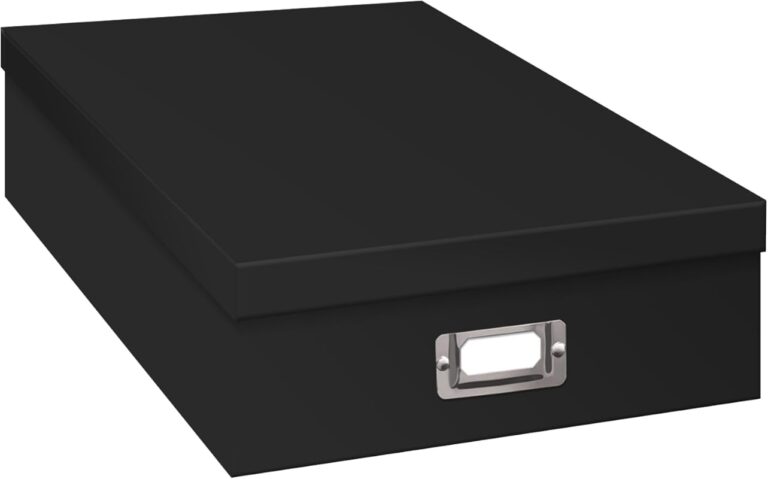
| Photo boxes | Long-term storage with less handling | Confirm board is acid free and lignin free |
| Albums | Gift sets and curated keepsakes | Review page materials and adhesive safety |
| Binders | Flexible growing collections | Look for reinforced covers and archival inserts |
When a premium archival option is worth the extra cost
A premium option makes the most sense when the photos are irreplaceable, sentimental, or professionally important. It is also a smart upgrade if the collection will be handled often, stored for many years, or passed to another family member later.
If the images are casual duplicates or temporary event prints, a standard solution may be enough. The key is matching the level of protection to the actual value of the contents, not just the price tag of the storage.
For most households, the best balance is a sturdy acid free box or binder for the main archive, plus clear sleeves for the prints you access most often. That setup works well in a study or closet shelf, but it still depends on consistent labeling and a dry storage location.
Limitations to consider before buying
Acid free materials slow deterioration, but they do not reverse past damage. They also do not protect photos from heat, flooding, mold, or careless handling, so storage location still matters.
Another limitation is inconsistency across product lines. A brand may offer an archival box with a non-archival insert, or a sleeve that is safe but too loose for the print size. Always verify the exact model rather than assuming every product in a category performs the same way.
Sizing, Placement, and Organization Tips for a Cleaner Archive
Good organization is part of preservation. When photos are easy to find and easy to return, they are less likely to be bent, shuffled, or stored in the wrong place after a quick look.
Choosing the right size for 4×6, 5×7, 8×10, and oversized prints
Choose a sleeve or box that fits the print size without forcing the edges. A 4×6 print should not rattle around in a much larger pocket, and an 8×10 should not be bent into a smaller enclosure just to make it fit.
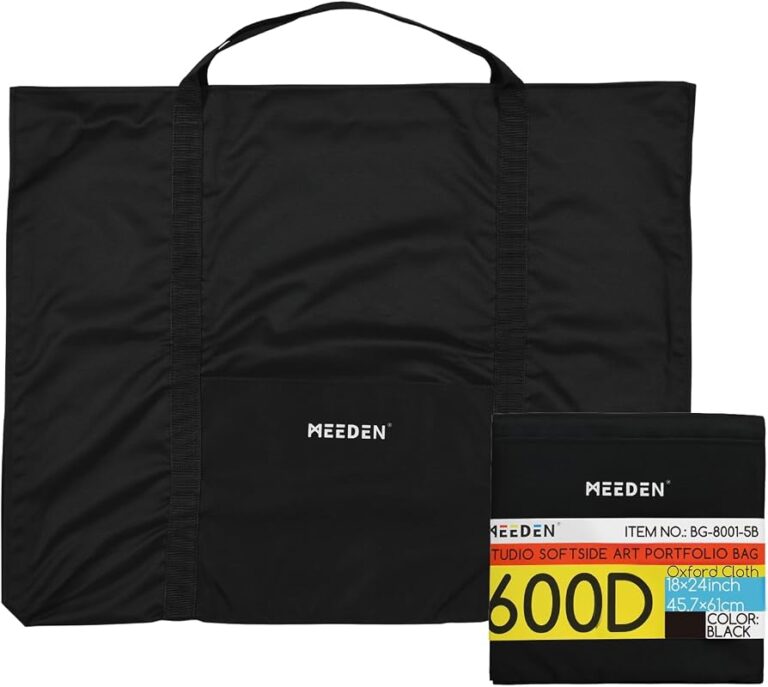
Oversized prints and panoramic pieces often need portfolio-style storage or larger archival boxes. If the item is a one-of-a-kind print, it is better to choose a larger and more rigid format than to compress it into a convenient but risky container.
How to group by date, event, or theme without damaging originals
Grouping by date works well for family archives, while event-based sorting is better for weddings, travel, or school memories. Theme-based organization can be useful for collectors who want to separate portraits, landscapes, or signed prints.
Use dividers, labels, or archival inserts rather than loose sticky notes or paper clips. If you need to move items around often, keep the system simple enough that everyone in the household can follow it without improvising.
Labeling, indexing, and shelf placement for easy retrieval
Label the spine, box front, or binder tab clearly so you can find what you need without opening every container. An index sheet inside the box or binder can also save time when the collection grows.
For shelf placement, keep heavier boxes lower and frequently used albums at eye level or slightly below. That reduces strain and helps prevent drops, which are often more damaging than slow aging.
If you are building a multi-box archive, use a consistent naming pattern such as year, event, and range of contents. It makes future sorting much easier than trying to remember what each box contains.
Care and Maintenance for Long-Term Preservation
Even the best storage system needs basic care. A few simple habits can make a noticeable difference in how well your photos, sleeves, and boxes hold up over time.
Handling rules that reduce fingerprints, bends, and surface abrasion
Handle prints by the edges whenever possible and avoid stacking loose photos on a desk where they can slide or catch. Clean, dry hands are usually enough for casual handling, though cotton gloves may be useful for especially delicate originals if they do not reduce your grip.
Do not force a print into a sleeve that is too small, and do not pull it out by one corner. Slow, even movement reduces surface abrasion and helps preserve fragile edges.
- Store prints flat in a clean, dry enclosure sized for the item.
- Return each photo to its labeled place after viewing.
- Use stable, archival inserts for notes or captions.
- Sliding photos in and out of tight sleeves repeatedly.
- Writing directly on originals with pens or markers.
- Mixing food, drinks, or craft supplies near the archive.
Storage conditions: light, humidity, temperature, and dust control
Keep photos away from direct sunlight, high humidity, and extreme temperature swings. A cool, dry, stable room is usually much better than a space that gets hot in summer or damp after storms.
Dust control matters too, especially for open shelving. Closed boxes and well-fitting albums reduce exposure, while exposed prints should be displayed only where lighting and climate are under control.
Cleaning sleeves, boxes, and albums without compromising archival quality
Use dry, gentle cleaning methods whenever possible. A soft, clean cloth can remove dust from outer surfaces, but avoid soaking or using harsh cleaners that may damage board, adhesives, or printed covers.
For sleeves and pages, check the manufacturer’s care guidance before using any cleaning product. If a surface is cloudy, sticky, or distorted, replacement is often safer than trying to restore it with chemicals.
Common Mistakes That Undermine Acid Free Storage
Most preservation problems come from small oversights rather than dramatic failures. The good news is that many of them are easy to avoid once you know what to look for.
Mixing new archival materials with old non-archival inserts
Replacing one part of a storage system does not always solve the whole problem. If you put a new acid free sleeve inside an old acidic album or use archival boxes with non-archival dividers, the weaker component can still affect the contents.
When updating a collection, review the entire path the photo touches: sleeve, page, backing, adhesive, box, and label. That is the easiest way to avoid hidden weak points.
Overfilling sleeves, forcing oversized prints, and using poor adhesives
Overfilled sleeves can warp prints and make them harder to remove safely. Forcing an oversized photo into a smaller pocket can crease corners or create permanent edge damage.
Poor adhesives are another common issue, especially in scrapbook-style albums. If the adhesive is not clearly archival, keep it away from the original print and use a safer mounting method instead.
Storing photos in attics, basements, or direct sunlight
Attics and basements are common household storage areas, but they are often the worst places for photo preservation because of heat, dampness, and temperature swings. Direct sunlight is equally problematic because it can fade images and age surrounding materials faster.
If you must use a less-than-ideal area temporarily, use the most protective archival container you can and plan to move the collection to a stable room as soon as possible.
Final Recommendation: Who Should Buy Acid Free Photo Storage in 2026
For most people, the right time to buy is when the photos matter enough that replacing them would be painful or impossible. The product itself is only part of the solution; the real value comes from using it in a stable room and keeping the system organized.
Best-fit buyer profiles: collectors, families, photographers, and gift buyers
Collectors benefit when they need safe, repeatable storage for prints, editions, or negatives. Families benefit when they want to preserve albums, school photos, and inherited snapshots in a form that is easy to revisit and pass along.
Photographers often need a more structured archive with sleeves, binders, or boxes that support labeling and retrieval. Gift buyers may prefer an archival album or keepsake box because it feels more thoughtful than generic storage and is more likely to be kept.
Value verdict: when acid free photo storage is a smart investment
It is a smart investment when the collection is meaningful, frequently handled, or expected to last. It is also a practical upgrade if you are tired of disorganized stacks and want a system that looks cleaner while offering better protection.
If the photos are temporary or easily replaced, a simpler option may be enough. But for originals, heirlooms, and carefully curated print collections, archival storage usually earns its place by reducing avoidable damage.
Closing guidance on building a preservation system that lasts
Start with the item you care about most, then choose the safest container that fits its size and how often you use it. From there, build outward with consistent labels, stable room placement, and materials that do not work against the photos over time.
If you want a system that feels calm, accessible, and durable, acid free photo storage is less about buying one perfect product and more about choosing a preservation method you can maintain for years.
Frequently Asked Questions