Are Gallery Picture Lights Worth It

Yes, gallery picture lights are often worth it if you want artwork to stand out, look better at night, and add atmosphere to a room. They are less worthwhile when your existing room lighting already shows the art clearly and evenly.
Are gallery picture lights worth it? In many homes, yes—they can make art easier to see, add atmosphere, and give a display a more intentional, collected look. The key is whether your artwork, room, and installation setup actually benefit from focused lighting rather than relying on general ceiling or lamp light.
Picture lights are not automatically necessary, and they are not just for formal galleries. A well-chosen fixture can lift a favorite painting, photograph, mirror, or framed print from “nice on the wall” to “clearly featured,” but the wrong size, brightness, or placement can create glare, shadows, and visual clutter. If you are deciding whether they are worth the cost, the answer comes down to visibility, mood, room function, and how permanent you want the setup to be.
- Best use: They add the most value over focal art in living rooms, dining rooms, hallways.
- Main decision: Size, beam spread, and brightness matter more than finish alone.
- Color choice: Warm or neutral white usually flatters art better than very cool LEDs.
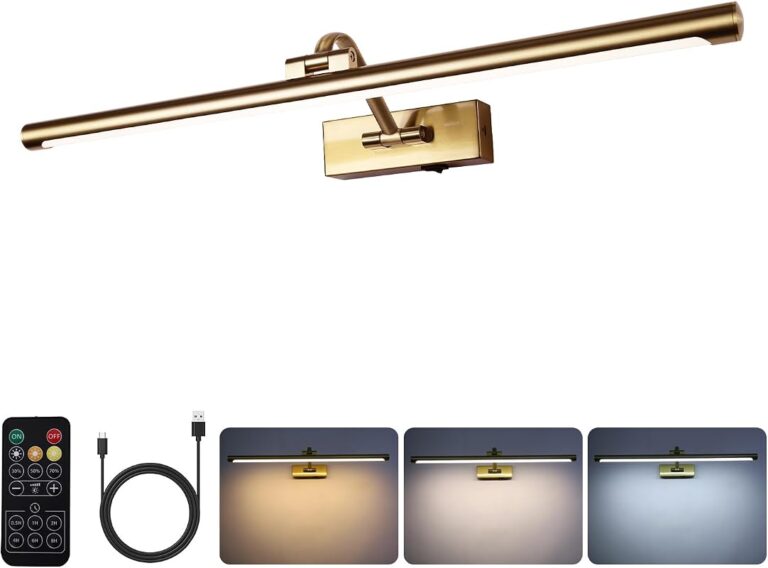
- Power options: Hardwired looks cleanest, while plug-in and rechargeable models are easier to install.
- Common mistake: Poor placement can cause glare, hot spots, and uneven lighting.
Are gallery picture lights worth it? A clear answer for art display, ambience, and value
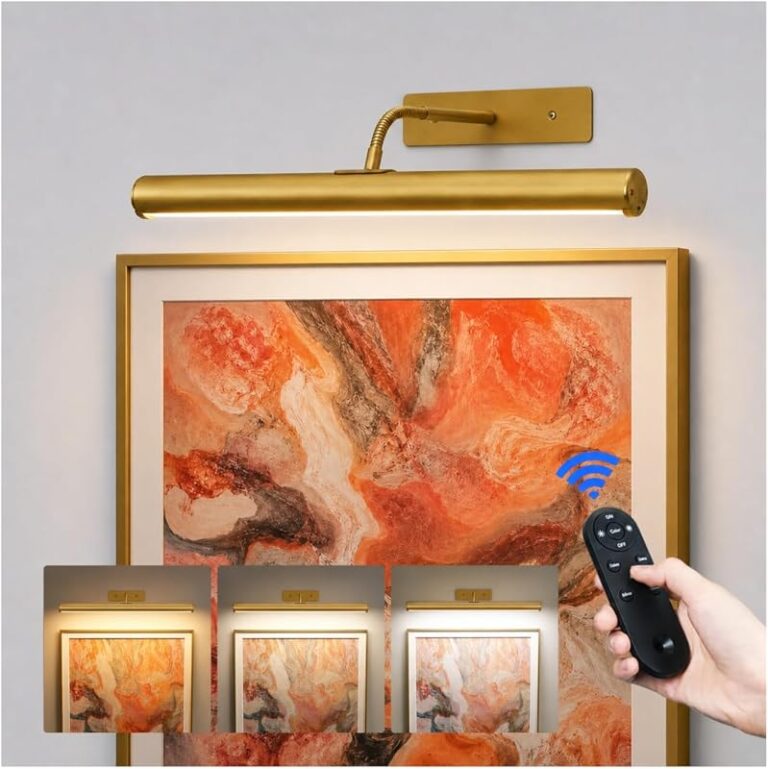
Gallery picture lights are worth it when you want to highlight a specific piece, improve how it reads in the room, and create a more polished display. They are especially useful for darker corners, evening ambience, statement artwork, and rooms where overhead lighting is too flat or too harsh.
They are less essential when your room already has excellent layered lighting, your artwork is small and casually placed, or you prefer a minimal wall without visible fixtures. In other words, picture lights are a design upgrade rather than a universal necessity.
What makes them valuable is not simply brightness. A good picture light directs attention, reveals texture and color more accurately, and separates the artwork from the background wall. That can make framed art feel more intentional, particularly in rooms where art is part of the overall decor scheme rather than an afterthought.
They also carry a decorative role. Even when switched off, a brass, bronze, black, or chrome picture light can act like a finishing detail above the frame. That matters if you like interiors that feel layered and collected rather than purely functional.
What makes a gallery picture light worth buying in 2026
In 2026, the strongest reason to buy a gallery picture light is flexibility. Many current models offer better LED efficiency, adjustable brightness, rechargeable options, and finishes that work in both classic and modern interiors. That means more households can use picture lights without committing to full rewiring.
What matters most is whether the light improves the way your art looks at the times you actually enjoy it. Daylight may make a painting look beautiful at noon, but if the room feels dim in the evening, a dedicated picture light can keep the piece present after sunset.
How picture lights improve visibility, colour perception, and mood
Art often looks flatter under a single ceiling fixture than it does under directional lighting. A picture light helps by washing the upper area of the artwork with controlled illumination, which can make brushwork, tonal contrast, and frame detail easier to appreciate.
Color perception also changes with poor room lighting. Warm, dim ambient bulbs can muddy cooler tones, while very cool bulbs can make a room feel clinical and drain warmth from traditional art. A thoughtfully chosen picture light can create a more balanced view of the piece without overwhelming the room.
Mood is the third major benefit. Picture lights create pockets of glow that feel calmer and more intimate than bright overhead lighting. In living rooms, dining rooms, and hallways, that effect can be just as valuable as the art visibility itself.
Perceived color accuracy varies by the lamp’s color temperature, beam quality, dimming level, the artwork’s glazing, and the room’s existing light sources.
When they add genuine value versus when general room lighting is enough
A picture light adds genuine value when the artwork disappears at night, sits on a wall with uneven light, or serves as a focal point over a mantel, console, sideboard, or bed. It also makes sense when you want art to contribute to the room’s evening atmosphere rather than only being visible during the day.
General room lighting may be enough if the artwork is already well lit by sconces, lamps, or balanced ceiling lighting. In a bright, evenly layered room, a picture light can become more decorative than necessary.
If you are considering a battery model for flexibility, Hurrell Editions also has a closer look at whether battery-operated picture lights are any good, which is useful if wiring is not practical.
Who should consider gallery picture lights and which rooms benefit most
Picture lights suit anyone who treats wall art as part of the room’s identity: collectors, design-led homeowners, renters wanting a low-commitment upgrade, and gift shoppers styling a meaningful framed piece. They are particularly helpful where art is meant to be noticed from a distance rather than discovered up close.
Living rooms, dining rooms, hallways, studies, and bedrooms
Living rooms are one of the best places for picture lights because art often competes with televisions, windows, shelving, and general seating-zone lighting. A dedicated light helps a single piece hold its own.
Dining rooms benefit because evening use matters there. A picture light can create a softer, more intimate backdrop than a bright overhead fixture alone.
Hallways are another strong match, especially if they lack natural light. A row of framed works with selective lighting can turn a transitional space into a more gallery-like moment.
In studies and home offices, picture lights can make art feel more considered without requiring bright task-level lighting across the whole room. Bedrooms can also work well, though the glow should usually be softer and warmer to maintain a restful mood.
When they suit original art, limited editions, photography, mirrors, and gallery walls
Original paintings and limited-edition prints often benefit most because texture, paper quality, and framing details are part of their appeal. Photography can also look excellent under picture lights, especially black-and-white or high-contrast images that gain depth from directional illumination.
Mirrors are a separate case. A picture light above a mirror can be elegant, but it functions more like decorative accent lighting than practical face lighting. It should not be expected to replace proper vanity lighting.
Gallery walls can work with picture lights too, but usually only when the arrangement is structured and the lighting plan is deliberate. One light over a dense cluster can leave outer frames underlit. If you are building a layered wall display, ideas from this guide to a gallery wall frame set for a bedroom can help with scale and composition.
What to look for before you buy: size, beam spread, brightness, and colour temperature
The best picture light is not simply the prettiest finish. It needs to fit the artwork’s width, cast a suitable beam, provide enough brightness for the room, and use a color temperature that flatters both the art and the surrounding decor.
- Measure the frame width, not just the visible artwork.
- Check whether the beam is fixed or adjustable.
- Confirm the power source and whether dimming is included.
- Match brightness and color temperature to the room’s evening lighting.
Choosing the right width for the frame or artwork
As a general rule, the fixture should look proportionate to the frame rather than stretching far beyond it or appearing tiny and incidental. Many people prefer a light that spans roughly half to about two-thirds of the frame width, though this varies by style and beam spread.
A slim contemporary frame can handle a cleaner, narrower fixture. A large traditional oil painting with a wide ornate frame often looks better with a more substantial light. The visual weight of the fitting matters just as much as the measurement.
If you are between sizes, compare the fixture width to the outer frame edge and the room scale. A slightly smaller light often looks more refined than one that dominates the piece.
How many lumens you need for subtle accent lighting versus statement illumination
Lumen needs vary by artwork size, wall color, and how bright the room already is. For subtle accent lighting, lower output can be enough to create a gentle glow. For a statement piece in a dark room, you may want a brighter fitting or a dimmable model that can be adjusted.
The smartest option is often dimmability rather than maximum output. Over-lighting art can flatten it visually and make the fixture feel harsh, especially in bedrooms or dining spaces.
If you are comparing LED options, checking guidance on LED picture light bulbs can help you understand what to verify before buying, including compatibility and output differences by model.
Best colour temperature for art: warm white, neutral white, and when to avoid overly cool LEDs
Warm white is often the safest choice for traditional interiors, classic frames, and rooms that already use warm ambient lighting. It tends to feel inviting and flattering, especially with oil paintings, antique finishes, and darker wall colors.
Neutral white can work well for contemporary spaces, photography, and cleaner black, white, or natural wood schemes. It may reveal detail more crisply without feeling as stark as a cool office-style LED.
Overly cool LEDs are usually the least forgiving for art display in the home. They can make walls feel chilly, exaggerate glare on glass, and clash with warm furnishings. If the manufacturer lists color temperature options, choose with the room in mind rather than assuming brighter-looking means better.
Power source, installation, and safety basics
Power source affects both appearance and convenience. The right choice depends on whether you want a built-in look, renter-friendly flexibility, or the easiest possible installation.
Hardwired, plug-in, and rechargeable picture lights compared
Hardwired picture lights usually offer the cleanest result because there is no visible cord and no charging routine. They often suit permanent art arrangements and more architectural interiors, but installation is more involved and may require a licensed electrician.
Plug-in models are easier to install and can still look attractive if the cord path is planned well. They are practical for larger pieces where regular use matters and an outlet is nearby.
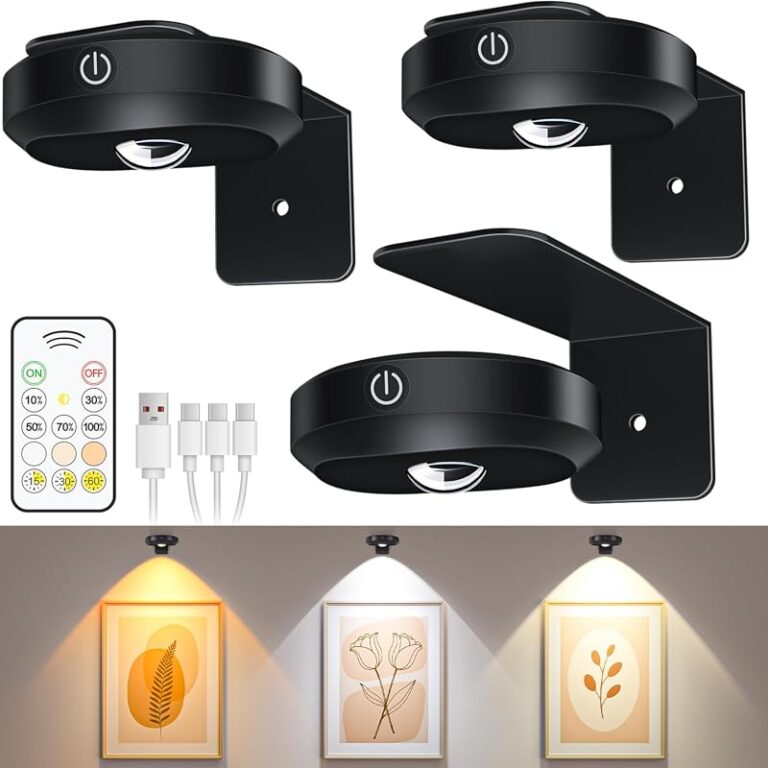
Rechargeable and battery-powered models are ideal for renters, awkward walls, and spaces where wiring would be disproportionate to the project. Their tradeoff is upkeep. Charging frequency, battery type, and runtime vary, so confirm the manufacturer details before buying. If that is your likely route, these guides on how long battery-operated picture lights last and ongoing maintenance can help set expectations.
Placement height, distance from the artwork, and reducing glare
Placement is where many picture lights succeed or fail. Too high, and the beam may skim the wall rather than the art. Too close, and it can create a hot spot at the top of the frame.
The ideal distance varies by the fixture arm, shade design, and beam angle, but the goal is consistent: even illumination across the piece with minimal glare. Reflective glass, glossy photography, and metallic details need extra care because they can bounce light directly back into the room.
- Center the light carefully over the frame.
- Check the effect at night, not just in daylight.
- Use dimming or lower output if reflections appear.
- Mounting so close that the top edge is much brighter than the bottom.
- Ignoring glass reflections on glossy prints.
- Assuming one beam width suits every frame.
Wall type, fixing hardware, cable planning, and safe installation considerations
Before buying, check your wall type, the light’s mounting method, and whether hardware is included. Plaster, drywall, masonry, and paneling all have different fixing requirements, and the suitable anchor depends on both the wall and the fixture weight.
For plug-in lights, think about cable routing before installation. A beautiful fixture can look messy if the cord is an afterthought. For hardwired models, use a qualified professional where required, especially if new electrical work is involved.
Do not guess on wall anchors, electrical connections, or weight limits. Check the manufacturer’s instructions and use a professional installer if the wall condition, wiring, or fixing method is uncertain.
Materials, finishes, and how to match picture lights to existing decor
Finish choice affects whether the light feels integrated or distracting. The best finish usually echoes something already in the room: frame tone, hardware, furniture legs, metal accents, or even the wall color contrast you want to create.
Brass, bronze, black, chrome, and painted finishes in traditional and modern interiors
Brass and bronze tend to feel classic, warm, and decorative. They pair well with antique-inspired frames, dark woods, and layered interiors.
Black picture lights are often the easiest fit in modern spaces because they create crisp contrast and visually recede at the same time. Chrome and polished metal finishes feel cleaner and more contemporary, though they can reflect more light and draw more attention to themselves.
Painted finishes can work beautifully when you want the fixture to blend into the wall or coordinate with cabinetry or trim. The main thing is consistency: the finish should look intentional within the room’s broader palette.
Pairing the light with frame style, wall colour, and surrounding furniture
A heavy gilt frame can support a more decorative fixture, while a thin oak or black frame usually looks better with a simpler profile. On dark walls, a brass or bronze light can read as a jewel-like accent. On pale walls, black can create a sharper gallery-style outline.
Consider the furniture below the artwork too. A picture light over art above a sideboard or mantel should feel connected to the visual weight beneath it. If the frame, fixture, and furniture all fight for attention, the arrangement can feel overworked.
The benefits and limitations of gallery picture lights
Picture lights can be transformative, but they are not magic. Their value comes from the balance of practical improvement and decorative payoff.
Why collectors and design-led homeowners rate them highly
Collectors often appreciate picture lights because they help individual works feel singled out and respected. Design-conscious homeowners like them because they add atmosphere and make a room feel more resolved.
They also help bridge the gap between daytime and evening interiors. Art that disappears after dark can remain part of the room’s visual story, which is a major reason picture lights continue to appeal beyond formal gallery settings.
Common drawbacks: shadows, reflections, battery upkeep, and over-lighting
The most common drawbacks are glare on glass, uneven spread, and excess brightness. Rechargeable and battery models also require maintenance, which can become annoying if the light is mounted in a hard-to-reach spot.
Some rooms simply do not need them. If the artwork already looks balanced under existing light, adding a fixture may create visual noise rather than improvement.
- Highlights art more deliberately than general room lighting
- Adds evening ambience and a gallery-like finish
- Can improve visibility in dark corners or hallways
- Available in wired, plug-in, and rechargeable formats
- Wrong placement can create glare or hot spots
- Battery models need charging or replacement cells
- Some fixtures look too small or too heavy for the frame
- Not always necessary in well-layered rooms
Common picture light mistakes to avoid
Most disappointment comes from buying by finish alone and ignoring proportion, output, and placement. A beautiful fixture still needs to work with the artwork.
Choosing the wrong scale, placing the fitting too high or too close, and ignoring artwork surface finish
A tiny light over a large frame can look accidental, while an oversized fixture can dominate the art. Placement mistakes are just as common: too high often causes weak coverage, and too close can create a bright band across the top.
Surface finish matters too. Matte paintings and textured canvases are generally more forgiving than glossy photographs or glazed prints, which show reflections more readily.
Using the wrong bulb output or colour temperature for the room
Brightness should suit the room, not just the artwork. A very bright light in a soft bedroom can feel jarring, while a weak light in a long hallway may do very little.
Color temperature should also relate to the rest of the lighting scheme. If the room is warm and layered, a cool-toned picture light can feel disconnected. If you are also considering alternative accent methods, compare them carefully with options like LED strip lights for picture frames, which create a different effect entirely.
Care, maintenance, and long-term value
Picture lights are usually low-maintenance, but they still benefit from occasional care. Dust can dull both the finish and the light output, and loose fixings can affect alignment over time.
Cleaning finishes, checking fixings, and maintaining rechargeable or wired models
Use the manufacturer’s care instructions for the finish, especially with brass, bronze, or painted surfaces. In general, a soft dry cloth is safer than harsh cleaners, which can damage coatings.
Check wall fixings and alignment periodically, particularly in high-traffic areas or older walls. For rechargeable models, keep an eye on charging performance and battery behavior over time. For wired models, confirm bulb compatibility and replacement guidance if the design uses replaceable lamps.
Are gallery picture lights worth the cost? Final recommendation by room, art type, and budget
For most buyers, gallery picture lights are worth the cost when they are used selectively rather than everywhere. They offer the best value over a focal painting in a living room, a framed piece in a hallway, a dining room artwork seen mostly at night, or a carefully styled study wall.
They are especially worthwhile for original art, limited editions, and framed photography that deserves more presence. They are less compelling for small casual prints in already bright rooms or for anyone who does not want the visual presence of another fixture.
If your budget is tight, prioritize one excellent light over the most important piece rather than several mediocre ones. If you rent or want flexibility, a rechargeable or battery option may be the most practical starting point. If you own the home and want the cleanest finish, hardwired often gives the most integrated result.
- Worth it for focal art, weak evening lighting, and stronger ambience.
- Less necessary in rooms that already have balanced layered lighting.
- Choose by frame width, beam spread, brightness, finish, and power source.
- The best result comes from careful placement and a color temperature that suits the room.
Frequently Asked Questions