Are Gallery Picture Lights Easy to Install

Yes, many gallery picture lights are easy to install, especially battery-powered and rechargeable models. Hardwired fixtures and tricky wall surfaces make the job more technical.
Are gallery picture lights easy to install? In many homes, yes—especially if you choose a battery-powered, rechargeable, or plug-in model designed for straightforward mounting. The difficulty rises when the wall surface is tricky, the fixture is oversized, the artwork is valuable, or the light needs hardwiring.
A well-chosen picture light can make framed art feel finished, intentional, and far more visible after dark. But “easy to install” depends less on the idea of a picture light itself and more on the type of light, the wall you are mounting into, and how precise you want the final look to be. For most readers, the real goal is not just getting the light on the wall, but getting even illumination without glare, awkward shadows, or visible cables.
- Easiest type: Battery and rechargeable picture lights usually require the least installation effort.
- Main challenge: Placement matters as much as mounting if you want even light without glare.
- Wall matters: Drywall is often simpler than masonry, tile, or older plaster.
- Best results: Match fixture width, beam spread, and color temperature to the artwork.
- Call for help: Hardwiring and valuable art deserve extra caution and often a professional.
Are Gallery Picture Lights Easy to Install? The Short Answer for Most Homes
The easiest gallery picture lights are usually wireless models with simple brackets, light overall weight, and flexible positioning. These often suit renters, casual decorators, and anyone adding accent lighting to a single framed piece without opening walls or rerouting power.
That said, “easy” can mean two different things. It may mean physically simple to mount, or visually easy to make look polished. A fixture can be quick to attach but still difficult to place well if the beam is narrow, the artwork is reflective, or the frame is unusually wide.
When installation is genuinely simple
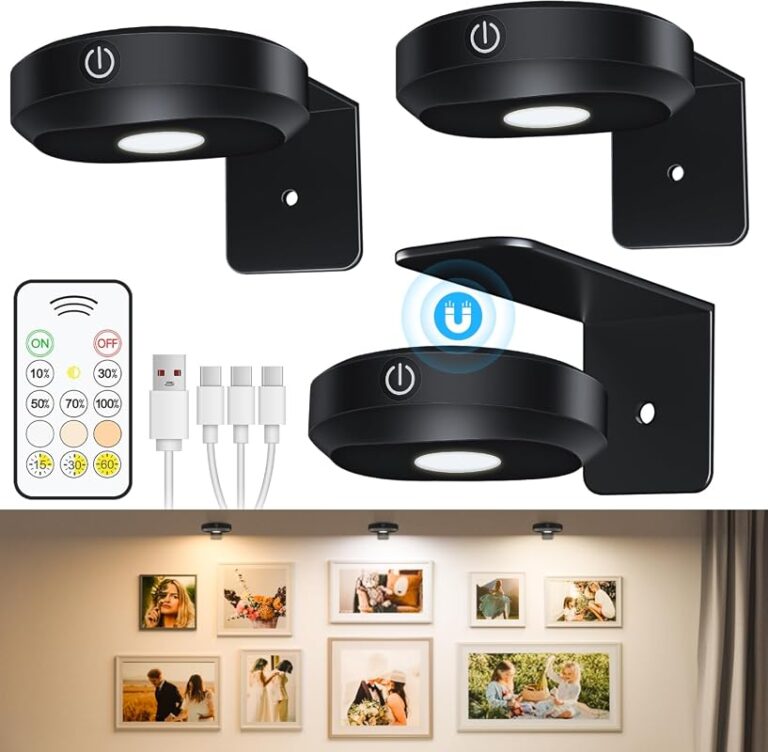
Installation is usually straightforward when the light is battery-operated or rechargeable, the artwork is already hung securely, and the wall accepts standard fixings without trouble. Lightweight fixtures with a separate mounting plate tend to be the least intimidating because you can position the bracket first and attach the light body afterward.
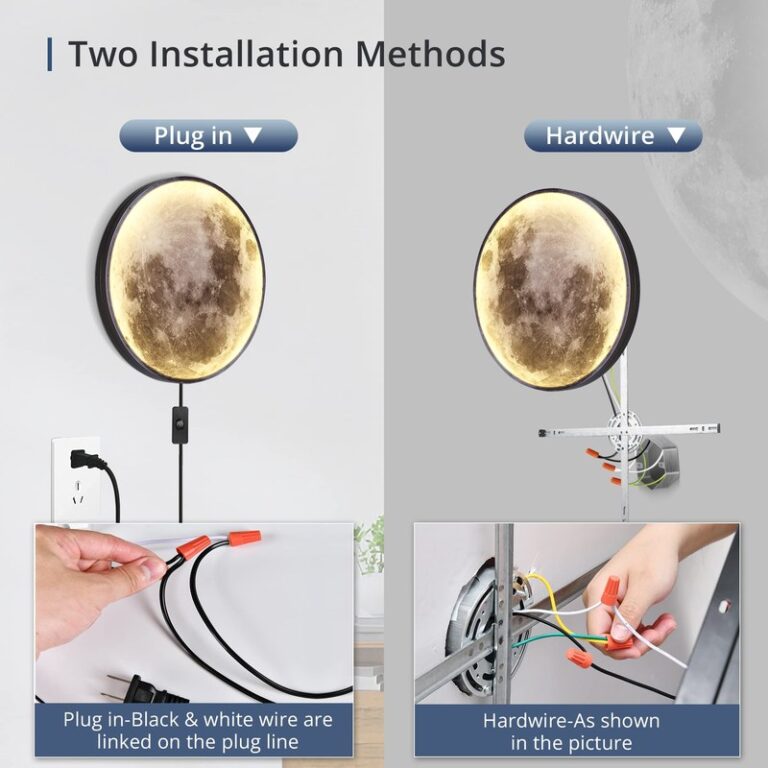
Plug-in models can also be relatively easy if there is an outlet nearby and the cable can be routed discreetly. In these cases, the main tasks are measuring, leveling, and checking that the beam lands across the art rather than above or below it.
When it becomes more technical
Things get more technical when the fixture is hardwired, the wall is masonry, the art is large, or the frame sits in a difficult position such as above stairs or over a mantel. Precision matters more with larger works because small placement errors become obvious once the light is switched on.
Hardwired installation should be treated as a professional-level job in many homes, especially where electrical codes, concealed wires, or finished plaster are involved. Valuable original art also deserves extra caution because repeated drilling, poor alignment, or excessive heat near the frame can create problems that are expensive to correct.
What Affects How Easy a Gallery Picture Light Is to Install
Before buying, it helps to think beyond style. The power source, wall material, artwork size, and adjustability of the light all affect how quickly the project goes and how refined the result looks.
Power source: plug-in, battery, rechargeable, or hardwired
The power source is usually the biggest factor in installation difficulty. Battery and rechargeable lights are often the easiest because they avoid cable management and electrical work. If you are comparing formats, our guide to are battery-operated picture lights any good explains where wireless options work best and where they can feel limiting.
Plug-in lights sit in the middle. They are simpler than hardwired fixtures, but the cable path matters. A visible cord can undermine the clean gallery effect unless it drops neatly behind furniture, follows trim, or is intentionally concealed.
Hardwired lights usually deliver the most built-in look, but they are rarely the easiest to install. They require planning around electrical access, wall condition, and sometimes repainting or touch-up work after installation.
Wall type, frame weight, and existing hanging hardware
Drywall is often more forgiving than brick, concrete, tile, or older plaster, but no wall should be treated casually. The right fixing depends on the wall type and the weight of both the light and the artwork. If the picture is already hanging from a delicate hook or aging hardware, adding a light above it may mean reassessing the entire setup.
Existing placement also matters. If the artwork is already centered perfectly and close to the ceiling, there may not be enough space above the frame for the fixture to sit comfortably. Likewise, a deep or ornate frame can change how far the light needs to project.
Light size, reach, and adjustability
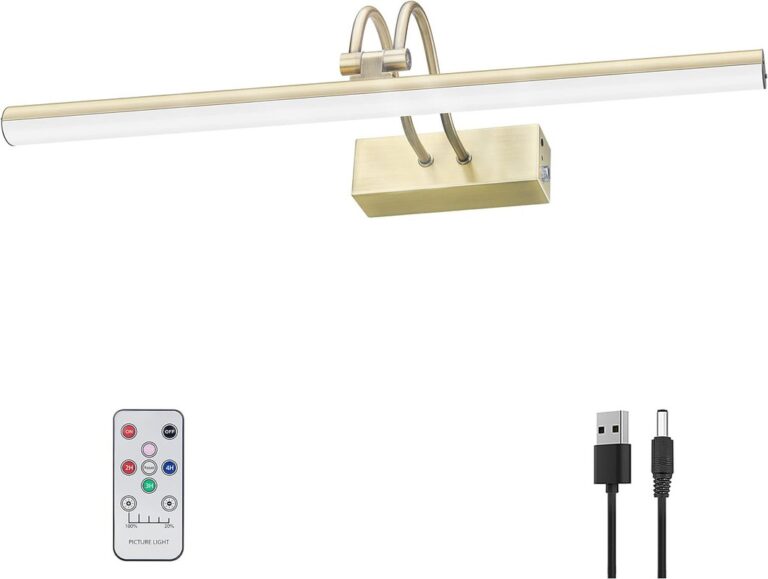
A compact light with a swivel arm or adjustable shade is generally easier to live with than a rigid fixture that only works at one angle. Adjustability gives you room to correct minor placement errors and tune the beam after installation.
Size matters too. A light that is too short may create bright hotspots in the center of the art, while one that is too long can overpower a small frame. If you are still deciding on proportions, Hurrell Editions has a related guide on how to choose a picture light for artwork.
How to Choose the Right Gallery Picture Light Before You Install It
Choosing well at the start often makes installation feel easier because you are not trying to force the wrong fixture into the wrong setting. The best match balances beam spread, color tone, finish, and practical suitability for the room.
Brightness and beam spread for different artwork sizes
Brightness should match the scale of the art and the ambient light in the room. A small drawing in a dim hallway may only need subtle accent lighting, while a wide canvas in a living room may need a broader, stronger wash of light.
Beam spread is just as important as brightness. A narrow beam can make the center of the work glow while leaving the edges dull. A wider beam generally suits larger pieces, especially if the artwork has detail across the full width.
If you are between two fixture sizes, choose based on beam coverage rather than style alone. A slightly less decorative light that illuminates evenly usually looks more expensive once installed.
Colour temperature and how it changes the look of art
Color temperature changes how artwork reads on the wall. Warmer light can make traditional oil portraits, antique maps, and gold-toned frames feel inviting, while cooler or more neutral light may suit black-and-white photography, contemporary prints, or minimalist interiors.
There is no single perfect setting for every room. What matters is avoiding a mismatch between the art, the surrounding lamps, and the wall color. If one light is very warm and the rest of the room is crisp and cool, the artwork can look disconnected from the space.
Materials, finishes, and build quality to look for
Metal construction, stable joints, and a finish that complements nearby hardware tend to matter more over time than decorative flourishes. Look closely at how the arm adjusts, whether the mounting plate appears substantial, and whether the finish is likely to show fingerprints or wear.
Brass, bronze, black, chrome, and painted finishes all create different effects. Traditional gallery styling often leans warm and classic, while black or chrome can feel cleaner and more architectural. Always confirm the official product listing for exact materials, dimensions, and included hardware before buying.
Safety basics and suitability for residential interiors
Picture lights intended for residential interiors should be used in conditions that match the maker’s guidance. Confirm whether the light is designed for indoor dry locations, what type of bulb or integrated LED system it uses, and whether any clearance notes are listed for frames or walls.
LED models are widely preferred because they are efficient and generally better suited to art lighting than hotter legacy bulb types. If preservation is a concern, our article on will LED lights fade pictures covers the broader issue of light exposure and artwork care.
Placement Rules That Make Installation Easier and the Result Better
Good placement reduces the need for trial and error. It also helps a modest fixture look intentional rather than improvised.
How high above the frame to position the light
Most picture lights look best when mounted a short distance above the top of the frame, not far up the wall. Too high, and the beam can skim the wall instead of the art. Too low, and the fixture may feel cramped or cast harsh shadows from the frame itself.
The ideal distance varies by fixture design, frame depth, and beam angle, so it is best to compare the manufacturer’s guidance with your frame dimensions before drilling. A mock-up using painter’s tape can help visualize the final position without committing too early.
Sizing the fixture to the artwork width
A common rule of thumb is to choose a fixture that feels proportional to the artwork rather than exactly matching its width. Many people prefer a light that spans a portion of the frame instead of the entire piece, but the right ratio depends on the beam spread and the visual weight of the fixture.
Very narrow lights on wide art often look under-scaled, while oversized lights can dominate delicate pieces. If the artwork has a thick mat and slim outer frame, think about the visible art area as well as the outer dimensions.
Spacing for single works, pairs, and gallery walls
Single artworks are usually the easiest to light because the fixture can be centered directly above one piece. Pairs require more discipline: each light should align consistently so the arrangement feels intentional rather than staggered.
Gallery walls are more complex. Sometimes one light per piece is too busy, and a better solution is to light only the anchor works or use another approach entirely. If your display is more layered and shelf-based than wall-mounted, a picture ledge may be a better foundation than multiple lights.
Avoiding glare, shadows, and uneven illumination
Glare is the issue that most often turns an “easy” installation into a frustrating one. Glass-covered art, glossy prints, and metallic finishes can all reflect the bulb or LED strip if the angle is wrong. Adjustable fixtures help because you can fine-tune the beam after mounting.
Uneven illumination usually comes from a mismatch between light width, beam spread, and mounting height. Before final tightening, it is worth checking the light in both daytime and evening conditions. A setup that looks balanced in daylight may reveal hot spots at night.
- Center the fixture carefully and test the beam before fully securing it.
- Consider glass reflections, especially opposite windows or lamps.
- Use the official mounting template or dimensions when provided.
- Mounting by eye alone without checking level and spacing.
- Assuming one brightness level works for every art type.
- Ignoring how frame depth can create shadows.
Which Rooms Suit Gallery Picture Lights Best and How to Match Them to Existing Decor
Picture lights are not limited to formal art rooms. They can work beautifully anywhere a framed piece deserves emphasis and the surrounding decor supports a deliberate focal point.
Living rooms, hallways, dining rooms, bedrooms, and studies
Living rooms and dining rooms are natural fits because picture lights add evening atmosphere and help artwork hold its own against layered lamp light. Hallways benefit too, especially where art would otherwise disappear after dark.
Bedrooms and studies can work well when the lighting stays soft and the fixture scale remains restrained. In restful spaces, the goal is usually a gentle accent rather than a dramatic spotlight.
Traditional, contemporary, and mixed interiors
Traditional interiors often suit classic arms, warm metallic finishes, and softly glowing light. Contemporary spaces tend to favor slimmer silhouettes, cleaner lines, and more understated hardware.
Mixed interiors are often the most interesting. A modern black picture light over a vintage frame can look intentional if the room repeats that black elsewhere, such as in curtain rods, side tables, or cabinet pulls.
Choosing finishes that work with frames, wall colours, and nearby hardware
Finish matching does not need to be exact, but it should feel related. Brass can echo gold frames or warm wood tones, while black often works well against pale walls and graphic frames. Chrome or nickel can make sense where nearby sconces, handles, or furniture legs already carry a cooler metal note.
For a collected look, repeat the picture light finish in one or two nearby accents rather than trying to match every metal in the room perfectly.
Common Installation Mistakes, Limitations, and When to Call a Professional
Even a simple fixture can go wrong if the planning is rushed. Most problems come from underestimating the wall, the beam, or the value of the art below it.
Misjudging wall type, fixings, and cable routes
One of the most common mistakes is assuming the included hardware will suit every wall. It may not. Older plaster, masonry, tile, and specialty wall finishes often need more care than standard drywall.
Cable routes are another issue, especially with plug-in models. A cord that looked manageable in theory can become visually distracting once the light is installed. If you are considering a wireless route instead, Hurrell Editions also covers do battery picture lights need to be charged so you can weigh convenience against maintenance.
Choosing the wrong brightness or colour temperature
A light can be beautifully made and still feel wrong if it is too bright, too dim, too warm, or too cool for the room. This is especially noticeable when multiple artworks in the same space are lit inconsistently.
Because brightness and color rendering vary by model, it is worth confirming the official specifications before purchase rather than relying on product photos alone. Retail images often show stylized room scenes, not a neutral representation of beam output.
When hardwiring, masonry, or valuable art needs extra care
Call a professional when the light must be hardwired, when the wall is difficult to drill safely, or when the artwork is especially valuable, fragile, or irreplaceable. This is less about making the task sound intimidating and more about protecting the wall finish, the electrical system, and the art itself.
Do not guess on wall anchors, electrical connections, or load limits. Check wall type, fixture instructions, and artwork value first, and use a qualified installer when the risk of damage is high.
Care, Maintenance, and Long-Term Value of Gallery Picture Lights
Installation is only part of the ownership experience. A picture light is worth more when it stays attractive, functions reliably, and continues to suit the artwork over time.
Cleaning finishes and preserving appearance
Most finishes benefit from gentle dusting with a soft, dry cloth. Avoid abrasive cleaners unless the manufacturer specifically approves them, since decorative coatings can scratch or dull more easily than expected.
In kitchens, humid areas, or rooms with frequent candle or fireplace use, residue can build up faster. Regular light cleaning is usually better than infrequent aggressive polishing.
Replacing bulbs, charging batteries, or checking connections
Maintenance varies by power type. Integrated LED models may minimize routine bulb changes, while battery and rechargeable lights need occasional attention to stay convenient. If you are choosing a cordless option, battery access and charging frequency matter almost as much as appearance.
Before buying, confirm whether the light uses replaceable bulbs, integrated LEDs, disposable batteries, or USB charging. Those details differ widely by model and should always be checked on the official listing.
Energy use, durability, and whether the upgrade is worth it
For many rooms, a picture light is a finishing detail rather than a necessity. But it can be a worthwhile upgrade if you want artwork to remain visible in the evening, add depth to a gallery wall, or make a single special piece feel more intentional.
Long-term value comes from choosing the right format for your home. A renter may get more value from a rechargeable model that can move easily, while a homeowner renovating a formal room may prefer the permanence of hardwiring.
Final Recommendation: Who Should Install a Gallery Picture Light and Which Option Is Easiest
If you want the easiest path, choose a lightweight battery-powered or rechargeable gallery picture light with an adjustable head and straightforward mounting bracket. That format makes the most sense for renters, first-time decorators, and anyone lighting one or two framed works without electrical changes.
Homeowners who want the most built-in look may still prefer plug-in or hardwired fixtures, but those options reward more planning and, in some cases, professional help. For a polished result in 2026, prioritize fit before finish: correct width, even beam spread, suitable color temperature, and installation hardware that matches your wall type. Once those basics are right, the light is far more likely to look intentional—and far more likely to feel easy.
- Battery and rechargeable picture lights are usually the simplest to install.
- Wall type, beam spread, and fixture size matter as much as the mounting method.
- Hardwired lights look seamless but are often the least beginner-friendly option.
- The best installation is not just secure—it also avoids glare and lights the art evenly.
Frequently Asked Questions