Best Acrylic Paint Storage Organizers for Tubes and Bottles

Affiliate disclosure: As an Amazon Associate, Hurrell Editions may earn from qualifying purchases. Product prices, availability, and seller details can change, so always check the Amazon listing before buying.
Best acrylic paint storage organizers can turn a useful article into a buying decision when the reader understands what to choose, what to avoid, and which product type fits their situation. This guide focuses on practical selection rather than hype. It does not rely on fake prices, fake ratings, or unsupported claims.
The best choice for best acrylic paint storage organizers depends on the job: room style, item size, storage conditions, lighting control, creative skill level, and how often the product will actually be used. Use the comparison table first, then read the buyer notes before opening Amazon.
Quick Picks by Use Case
| Use case | What to look for | Amazon search |
|---|---|---|
| Paint tubes | Divided box, drawer, or portable case | See Today’s Price on Amazon |
| Paint bottles | Tiered rack or drawer system | See Today’s Price on Amazon |
| Small desk | Stackable clear bins | See Today’s Price on Amazon |
| Portable classes | Handled case with dividers | See Today’s Price on Amazon |
| Studio shelves | Labelled drawers or rolling cart | See Today’s Price on Amazon |
How to Choose the Right Option
Store by Visibility
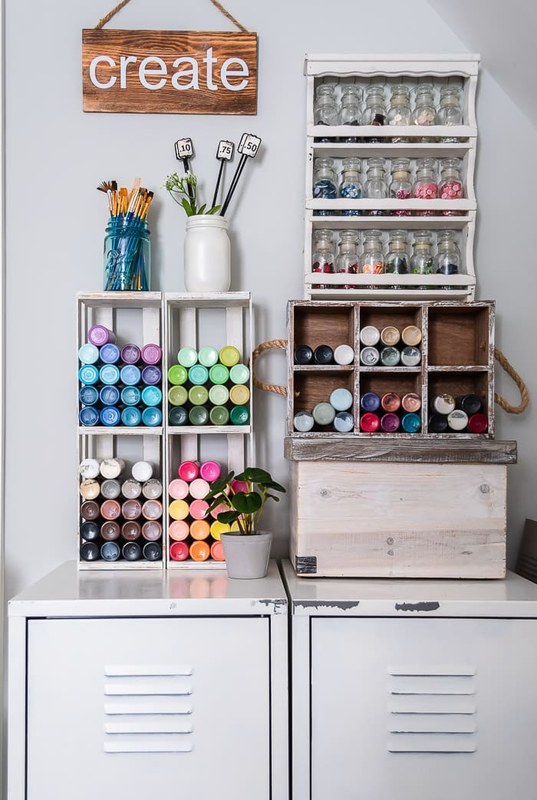
Acrylic paint is easier to use when colors are visible. Clear bins, shallow drawers, and labelled dividers prevent duplicate buying and dried-out forgotten tubes.
Separate Tubes and Bottles
Tubes squeeze and roll, while bottles stand upright. A storage system that works for one may waste space for the other.
Control Temperature
Acrylic paint should not be stored in hot attics, freezing garages, or direct sunlight. Storage furniture matters less than stable room conditions.
Keep Caps Clean
Paint around caps causes sticking and air leaks. Choose storage that lets tubes rest without crushing the cap area.
Plan for Growth
A beginner may start with twelve colors, but art supplies expand quickly. Leave extra room or choose modular storage.
Buyer Checklist
- Keep colors visible and easy to sort.
- Store tubes away from heat and freezing conditions.
- Use shallow storage for small tubes.
- Choose upright racks for bottles.
- Label drawers by color family or paint type.
- Leave room for future colors.
What to Avoid
- Deep bins where paint disappears at the bottom.
- Hot windowsills or garages.
- Crushing tubes under heavy tools.
- Mixing wet brushes and paint tubes in the same container.
- Buying a tiny organizer that fills up immediately.
Best Choice for Different Buyers
| Buyer type | Best direction | Why |
|---|---|---|
| Beginner painter | Small divided case | Easy and inexpensive organization |
| Craft room user | Bottle rack or rolling cart | Keeps many colors visible |
| Apartment artist | Stackable clear drawers | Compact and clean |
| Class or travel user | Portable handled case | Protects supplies on the move |
| Studio owner | Labelled drawers plus shelf bins | Scales with a larger collection |
Where This Fits in Your Setup
This buying guide supports the existing acrylic paint storage article. The informational post should explain care and storage rules, while this page gives readers a direct path to organizers, cases, bins, and carts that solve the storage problem.
Affiliate Buying Notes
Amazon listings can change over time. Before buying, check the current dimensions, included accessories, shipping details, return policy, and recent customer photos. If a listing uses broad marketing language but does not show clear measurements or materials, compare another option before ordering.
For sale-focused content, the goal is not to push every visitor to buy the most expensive item. The goal is to help them choose confidently. A reader who finds the right size, finish, or kit is more likely to click, stay on the page, and complete a purchase because the recommendation matches their actual problem.
Related Guides
- How to Store Acrylic Paint Tubes Correctly
- Best Oil Paint Sets for Beginner Painters
- Art Supply Storage Ideas
Deeper Buying Advice
This section expands the buying angle for acrylic paint storage organizers. It is written for readers who already understand the basic idea but need help choosing the right product type without wasting money on the wrong size, weak accessories, or a setup that does not match their room or creative workflow.
Tube Storage vs Bottle Storage
Acrylic paint tubes and bottles behave differently in storage. Tubes roll, flatten, and hide labels when they are thrown into deep bins. Bottles need upright space and are easier to organize on tiered racks. Buyers should choose based on their actual paint format instead of buying a general craft organizer that wastes half the space.
Visibility Prevents Duplicate Buying
Artists often buy another red, white, or black because the color they already own is buried in a drawer. Clear bins, shallow drawers, and color-family labels help the reader see what they own. This can save money and keeps older paint from drying out unused.
Portable Cases for Classes and Small Spaces
A handled case makes sense for classes, shared homes, or artists who work at the kitchen table. The organizer should protect tubes from being crushed and should close without pressing caps. If the case is too shallow or too tight, paint residue can spread to brushes, paper, and other supplies.
When a Rolling Cart Is Better
A rolling cart works when the reader has more than paint tubes: brushes, mediums, palette knives, sketchbooks, varnish, tape, and cleaning supplies. It is not the smallest option, but it creates a mobile art station. For craft rooms and studios, this can be more useful than separate boxes scattered around the room.
Buyer Match Table
| Situation | Recommended direction | Reason |
|---|---|---|
| Paint collection | Best organizer | Why it works |
| 12-24 tubes | Small divided case | Simple, portable, and easy to sort |
| Many small bottles | Tiered rack | Labels and colors stay visible |
| Apartment artist | Stackable clear drawers | Compact and clean |
| Class or travel | Handled art case | Protects paint on the move |
| Studio setup | Rolling cart plus drawer labels | Keeps tools and paint together |
Final Decision Path
For acrylic paint storage organizers, start with the problem the product needs to solve, then compare size, material, setup time, storage needs, and return policy. If two options look similar, choose the one with clearer dimensions and more realistic product photos. Avoid buying only from the first image, because scale and included accessories often matter more than the marketing headline.
The most sale-ready reader is usually not looking for the most expensive option. They are looking for confidence. A clear buying section helps them decide faster because it removes doubt about size, setup, durability, and fit. That is why this draft connects the informational intent to product choices without making fake claims about price, rating, or personal testing.
FAQs
What is the best way to organize acrylic paint tubes?
Use shallow divided storage, clear drawers, or a portable art case so tubes stay visible and are not crushed.
Should acrylic paint tubes be stored upright?
They can be stored flat or upright, but caps should stay clean and tubes should not be squeezed under heavy items.
Can acrylic paint be stored in a garage?
Avoid garages with heat, freezing temperatures, or high humidity because acrylic paint can separate, thicken, or dry faster.
Are rolling carts good for paint storage?
Rolling carts are useful for larger craft rooms when bottles, brushes, and mediums need to move around the workspace.
Extra Buying Notes
For best acrylic paint storage organizers, the safest buying decision is usually the one that matches the space, the object being displayed or stored, and the way the item will be used week after week. A cheaper option can still be right if it fits the job, but it should not create extra work, weak support, or a layout that looks temporary after a few days.
More Practical Notes
Before buying anything for best acrylic paint storage organizers, measure the area twice and think about the failure point. For decor, the failure point is often scale or visual clutter. For storage, it is usually moisture, pressure, or poor access. For photography and lighting, it is harsh shadows, glare, flicker, or a setup that takes too long to use consistently.
More Practical Notes
The best result comes from treating best acrylic paint storage organizers as a small system rather than a single product. The main item, accessories, placement, and maintenance should all support the same goal. That is what turns a simple purchase into something that actually improves a room, studio, or creative routine.
More Practical Notes
If you are comparing products for best acrylic paint storage organizers, avoid choosing only by the first photo. Read the dimensions, material notes, mounting requirements, and return policy. This is especially important for items used with art, frames, lighting, paints, and keepsakes, where small details can affect both appearance and long-term usability.
More Practical Notes
For best acrylic paint storage organizers, the safest buying decision is usually the one that matches the space, the object being displayed or stored, and the way the item will be used week after week. A cheaper option can still be right if it fits the job, but it should not create extra work, weak support, or a layout that looks temporary after a few days.
More Practical Notes
Before buying anything for best acrylic paint storage organizers, measure the area twice and think about the failure point. For decor, the failure point is often scale or visual clutter. For storage, it is usually moisture, pressure, or poor access. For photography and lighting, it is harsh shadows, glare, flicker, or a setup that takes too long to use consistently.
More Practical Notes
The best result comes from treating best acrylic paint storage organizers as a small system rather than a single product. The main item, accessories, placement, and maintenance should all support the same goal. That is what turns a simple purchase into something that actually improves a room, studio, or creative routine.
More Practical Notes
If you are comparing products for best acrylic paint storage organizers, avoid choosing only by the first photo. Read the dimensions, material notes, mounting requirements, and return policy. This is especially important for items used with art, frames, lighting, paints, and keepsakes, where small details can affect both appearance and long-term usability.
More Practical Notes
For best acrylic paint storage organizers, the safest buying decision is usually the one that matches the space, the object being displayed or stored, and the way the item will be used week after week. A cheaper option can still be right if it fits the job, but it should not create extra work, weak support, or a layout that looks temporary after a few days.
More Practical Notes
Before buying anything for best acrylic paint storage organizers, measure the area twice and think about the failure point. For decor, the failure point is often scale or visual clutter. For storage, it is usually moisture, pressure, or poor access. For photography and lighting, it is harsh shadows, glare, flicker, or a setup that takes too long to use consistently.
More Practical Notes
The best result comes from treating best acrylic paint storage organizers as a small system rather than a single product. The main item, accessories, placement, and maintenance should all support the same goal. That is what turns a simple purchase into something that actually improves a room, studio, or creative routine.
Additional Practical Buying Notes
When comparing acrylic paint storage organizers, treat the product as part of a wider setup. A light needs control and placement. A storage organizer needs visibility and access. A gift set needs paper, cleanup expectations, and a realistic first project. A product that fits the whole situation is more likely to be used, kept, and recommended than one that only looks attractive in a listing photo.
Also check whether the product solves today’s problem and still leaves room for growth. Beginners may add more supplies, decor walls may change, and photography setups often expand after the first few sessions. Choosing a flexible option can prevent the reader from replacing the product too soon.
Additional Practical Buying Notes
When comparing acrylic paint storage organizers, treat the product as part of a wider setup. A light needs control and placement. A storage organizer needs visibility and access. A gift set needs paper, cleanup expectations, and a realistic first project. A product that fits the whole situation is more likely to be used, kept, and recommended than one that only looks attractive in a listing photo.
Also check whether the product solves today’s problem and still leaves room for growth. Beginners may add more supplies, decor walls may change, and photography setups often expand after the first few sessions. Choosing a flexible option can prevent the reader from replacing the product too soon.
Additional Practical Buying Notes
When comparing acrylic paint storage organizers, treat the product as part of a wider setup. A light needs control and placement. A storage organizer needs visibility and access. A gift set needs paper, cleanup expectations, and a realistic first project. A product that fits the whole situation is more likely to be used, kept, and recommended than one that only looks attractive in a listing photo.
Also check whether the product solves today’s problem and still leaves room for growth. Beginners may add more supplies, decor walls may change, and photography setups often expand after the first few sessions. Choosing a flexible option can prevent the reader from replacing the product too soon.
Additional Practical Buying Notes
When comparing acrylic paint storage organizers, treat the product as part of a wider setup. A light needs control and placement. A storage organizer needs visibility and access. A gift set needs paper, cleanup expectations, and a realistic first project. A product that fits the whole situation is more likely to be used, kept, and recommended than one that only looks attractive in a listing photo.
Also check whether the product solves today’s problem and still leaves room for growth. Beginners may add more supplies, decor walls may change, and photography setups often expand after the first few sessions. Choosing a flexible option can prevent the reader from replacing the product too soon.