How to Store Acrylic Paint Tubes Correctly

Store acrylic paint tubes in a cool, dry, shaded place and keep the caps clean and tightly sealed after every use. Use drawers, trays, or lidded boxes to prevent leaks, clutter, and unnecessary drying.
Storage Products That Help Acrylic Paint Last Longer
Good storage does not need to be expensive. The main goal is to keep caps clean, tubes visible, and paint away from heat, freezing temperatures, and pressure damage.
| Reader goal | What to look for | Helpful product search |
|---|---|---|
| Small tube collection | A divided storage box keeps colors sorted and easy to find. | See Today’s Price on Amazon |
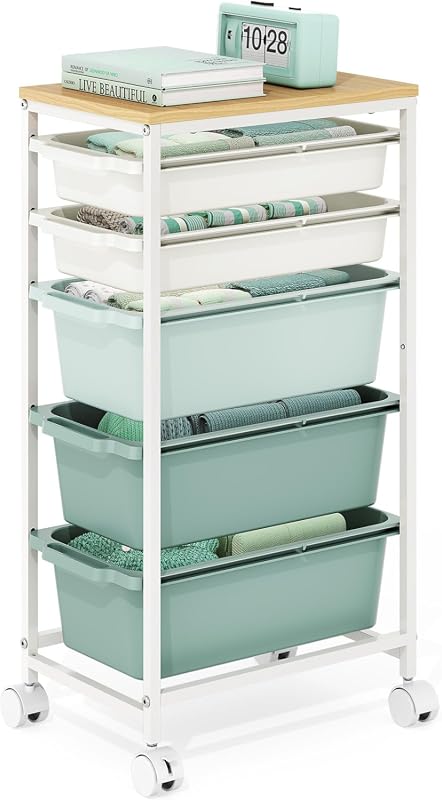
| Studio shelf setup | Clear bins or drawer organizers work well when you own many colors. | See Today’s Price on Amazon |
| Travel or classes | A portable art supply case protects tubes from being crushed in a bag. | See Today’s Price on Amazon |
Buying note: Check product size, materials, return policy, and current seller details before ordering. Prices and availability can change on Amazon.
Acrylic paint tubes are easy to underestimate until one splits, dries at the cap, or disappears under a pile of sketchbooks. Stored well, they stay usable longer, travel better between projects, and keep your studio looking calm rather than chaotic.
Whether you paint at a dining table, in a dedicated room, or from a compact cart in a shared space, the goal is the same: protect the paint, protect the space, and make your color choices easier every time you sit down to work. If you are also refining your setup, our guide to setting up a home art studio space pairs naturally with the storage habits below.
- Keep them cool: Avoid heat, direct sun, and warm fixtures.
- Seal properly: Wipe threads and close caps after every use.
- Choose a system: Drawers, trays, or boxes all work if they stay organized.
- Sort smartly: Group by color family, brand, or frequency of use.
- Inspect often: Replace leaking or split tubes before they spread mess.
Why Proper Acrylic Paint Tube Storage Matters for Artists and Creative Spaces
Good storage does more than keep things tidy. It helps acrylic paint remain reliable from one session to the next, which matters when you are building a palette you trust. Acrylics can thicken, skin over, or dry out if tubes are left open, exposed to heat, or stored in a way that stresses the cap and seam.
Preserving pigment quality, consistency, and working time
Acrylic paint is valued for its flexibility, but that same flexibility makes it sensitive to poor storage. Tubes that are upright in a hot cupboard, left uncapped, or crushed in a crowded drawer may separate, leak, or form dried residue around the opening. The result is paint that is harder to squeeze, less consistent, and sometimes unusable before it should be.
For artists who plan color mixes carefully, this can be frustrating. A well-stored tube keeps its texture closer to what the manufacturer intended, which means fewer surprises when you return to a painting days or weeks later.
Protecting your studio, shelves, and creative inventory from leaks and clutter
Leaks are not just inconvenient; they can stain shelves, warp paper labels, and transfer color onto brushes, books, or fabric storage. In a beautiful room, even a small paint spill can feel disruptive. Correct storage also helps you see what you own, so you do not buy duplicate tubes or lose track of nearly finished colors.
Note
Storage systems do not need to be expensive to work well. Entry-level organizers can be perfectly effective if they keep tubes dry, visible, and protected from pressure.
Understanding Acrylic Paint Tubes in 2025: Materials, Caps, and Packaging
Modern acrylic paint tubes are usually made to be lightweight and practical, but the details matter. Tube walls, cap threading, and label durability all affect how well a tube survives regular use in a studio, classroom, or travel kit.
How modern tube formulas behave in different studio conditions
Most acrylic paints today are designed to remain stable in normal indoor conditions, yet they still respond to temperature swings and humidity. Warm rooms can soften paint near the cap and encourage residue buildup, while cold storage may make the paint feel stiffer when squeezed. Neither is ideal for long-term organization.
That is why the best storage method is usually the one that keeps the tubes sheltered from extremes rather than the one that simply looks neat on a shelf.
What to look for in cap design, seam strength, and label wear
A good cap should close securely without needing force that strips the threads. If the seam at the end of the tube feels weak or the label is wearing away, treat the tube with a little more care and avoid overhandling it. Faded labels are especially common in studios where tubes are moved often or stored near windows.
Many artists organize acrylics by pigment family rather than by brand because it makes color mixing faster and reduces decision fatigue during a painting session.
The Best Ways to Store Acrylic Paint Tubes Correctly at Home or in the Studio
There is no single perfect system for every painter. The best setup depends on how often you use your paints, how much space you have, and whether you want everything hidden away or beautifully displayed. If you are selecting new supplies to complete your kit, our guide to best acrylic paint sets for home artists can help you think about what deserves prime storage space.
Keeping tubes upright, flat, or in drawers: when each method works best
Upright storage works well when caps are secure and the container keeps tubes from tipping. It is especially useful for short-term access, such as on a studio shelf or in a desktop caddy. Flat storage is often gentler for long-term keeping because it reduces pressure on the cap and makes it easier to stack or sort tubes by size.
Drawers are ideal if you want a cleaner look and less exposure to dust and light. They also make it easier to separate active colors from backup tubes. The main caution is overcrowding; if tubes are packed too tightly, caps can loosen or labels can rub away.
Using trays, boxes, caddies, and archival organizers for easy access
Simple trays are excellent for painters who like to work quickly and see every color at once. Boxes and lidded bins are better for protecting tubes from dust, especially in rooms that double as living spaces. Caddies are useful for moving supplies between rooms, while archival-style organizers make sense if you want a more careful, long-term system.
Store frequently used colors in the most accessible spot and keep specialty pigments slightly farther back. That small shift can make your painting routine feel smoother and more intentional.
Practical examples for small apartments, shared studios, and classroom carts
In a small apartment, a shallow drawer or lidded basket on a shelf is often enough to keep acrylics contained without taking over the room. In a shared studio, clear labeled bins help everyone return tubes to the right place. For classroom carts, lightweight trays and compartment boxes make it easier to sort by color and move supplies safely between stations.
If your home also houses books, prints, or decorative objects, hidden storage may be the better choice. It keeps the room visually calm while still allowing fast access when inspiration strikes.
Temperature, Light, and Humidity: The Environmental Rules That Protect Paint
Even the best organizer cannot compensate for a poor environment. Acrylic paint tubes last longer when they are stored in a cool, dry, shaded place away from heat sources and direct sun. That is especially important in rooms with large windows, radiators, or strong task lighting.
Avoiding heat near radiators, windows, and lighting fixtures
Heat can soften paint, weaken adhesives on labels, and make caps more likely to loosen over time. Direct sunlight may not ruin a tube immediately, but it can increase temperature swings and make the storage area less stable. Lighting fixtures placed too close to a shelf can have a similar effect, especially in compact workrooms.
Keep acrylic tubes away from direct heat and avoid storing them on windowsills, above radiators, or beside lamps that run warm. A shaded cabinet or drawer is usually safer.
Why cool, dry, and shaded storage supports longer tube life
A cool, dry environment helps prevent the slow issues that shorten tube life: cap residue, seam stress, and premature thickening. You do not need a climate-controlled studio, just a stable place that avoids dampness and heat spikes. For most homes, that means a cupboard, drawer, or shelf away from exterior walls and moisture-prone areas.
Humidity matters too. In very damp rooms, cardboard packaging can weaken and labels can curl, making it harder to identify colors later. A closed container offers a small but meaningful buffer.
Seasonal care tips for studios, lofts, and creative workrooms
Seasonal changes are easy to overlook. In summer, try not to leave tubes in hot cars, sunlit lofts, or near open windows for long periods. In winter, avoid storing them in unheated garages or sheds where freezing or repeated cold snaps may affect texture and packaging.
For artists who move between locations, a portable storage box with a secure lid offers more protection than loose bags or open baskets. It also keeps your materials ready for spontaneous sessions.
Style Trade-Offs: Functional Storage vs. Beautiful Interior Display
Storage is part of the room’s visual language. Some artists prefer to see their paint collection as a color story on the shelf, while others want every tube tucked away so the space feels more like a living room than a working studio. Both approaches can be beautiful if they are thoughtful.
Open shelving, labeled bins, and curated studio aesthetics
Open shelving can look wonderfully collected when the colors are arranged with intention. Labeled bins and matching containers add structure, especially in rooms that already feature books, ceramics, or framed art. This approach works best when the shelf is not overcrowded and the tubes are protected from direct light.
When to choose hidden storage for a cleaner living space
Hidden storage is usually the better choice if your painting area shares space with reading corners, dining furniture, or decorative shelves. It keeps the room calm and lets the art supplies appear only when you need them. That can be especially appealing in smaller homes where every object has to earn its place.
- Minimal rooms
- Shared living spaces
- Dust protection
- You want instant color visibility
- You repaint often
- You need a grab-and-go system
Balancing visual appeal with quick grab-and-go access during painting sessions
The most satisfying systems usually do both: they look good and work quickly. A closed cabinet with one open tray, for example, can keep the room tidy while still allowing you to pull out your active palette in seconds. If you enjoy displaying artful objects in the home, this is the same balance explored in our piece on how to store coffee table books—practical order with a polished finish.
Curator Recommendations for Organizing Acrylic Paint by Color, Brand, and Frequency of Use
When your tubes are easy to find, you paint more freely. A good organization system reduces time spent searching and helps you notice what you actually use, which is often more revealing than a simple inventory list.
Arranging tubes by palette family for faster creative decisions
Grouping tubes by warm, cool, neutral, or earth-tone families makes it easier to build a palette without overthinking. Some artists prefer arranging by color spectrum, while others keep whites, blacks, and mixing colors in a separate section for convenience. The key is consistency; once your system is intuitive, your hand will find the right tube faster.
Separating premium pigments from student-grade paints
If you use both student-grade and professional acrylics, it helps to separate them. Premium pigments often deserve the most protected storage because they tend to be used more selectively and may be part of a more refined palette. Student-grade tubes can live in a secondary bin, classroom cart, or travel kit.
This approach is not about hierarchy so much as clarity. When you know which paints are for study, experimentation, or final work, you make better choices with less hesitation.
Suggested systems for plein air kits, teaching studios, and giftable art sets
Plein air kits benefit from compact, shock-resistant cases that close securely. Teaching studios need systems that are easy to reset between classes, so labeled trays or compartment boxes are especially useful. Giftable art sets look best when the tubes are arranged neatly in a box or basket that feels ready to use rather than purely decorative.
A shallow divided tray in natural wood or matte neutral plastic is one of the most versatile storage pieces for acrylic painters. It suits shelves, drawers, and classroom carts alike, and it keeps color families visible without making the room feel busy.
Care Tips for Extending Tube Life and Preventing Common Storage Problems
Most storage problems begin with small habits. A cap left slightly loose, a thread covered in paint, or a tube shoved into a crowded bin can cause issues that are easy to avoid with a little routine care.
Checking caps, wiping threads, and sealing tubes after every use
After painting, wipe the threads and the neck of each tube before closing it. This helps the cap seal properly and prevents dried paint from building up around the opening. Turn the cap until it feels secure, but do not force it; over-tightening can damage the threading.
Remove paint from the threads and rim with a soft cloth or paper towel.
Seal the cap firmly enough to protect the contents, but avoid forcing it.
Put the tube back in its designated spot so it does not get lost or crushed.
Spotting early signs of drying, splitting, or leakage
Look for paint crust around the cap, a tube that feels unusually stiff, or a seam that appears stressed or dented. If you notice leakage, isolate the tube quickly so it does not stain neighboring materials. Early intervention can sometimes save a tube that would otherwise be discarded.
If a tube is splitting at the seam or leaking repeatedly, move it out of your main storage area immediately. Even a small leak can spread onto paper labels, fabric bins, and adjacent paints.
Price context: when it is worth replacing damaged tubes versus rescuing them
The decision often depends on the tube’s size, pigment quality, and how much paint remains inside. Entry-level tubes are usually easier to replace if the damage is significant, while higher-end pigments may be worth rescuing if the issue is only a stubborn cap or minor residue. If a tube is structurally failing, though, replacement is usually the cleaner choice.
A Creative Recap: Building a Storage Routine That Supports Better Painting
Learning how to store acrylic paint tubes correctly is really about creating a quieter, more dependable studio life. When your paints are protected from heat, light, and clutter, you spend less time managing supplies and more time making decisions about color, texture, and composition.
How thoughtful storage protects materials, saves money, and keeps inspiration ready
Well-stored tubes last longer, leak less, and stay easier to use. That protects your materials and helps you avoid unnecessary replacements, which is especially useful if you are building a collection gradually. It also keeps your creative space ready for the next idea instead of asking you to reorganize before you begin.
- Longer tube life
- Cleaner shelves and drawers
- Faster color selection
- Less waste from leaks or drying
A final editorial note on turning paint storage into part of your creative ritual
There is something quietly satisfying about returning each tube to its place after a session. It marks the end of the workday, preserves your materials, and makes the next painting session feel easier to begin. In that sense, storage is not just maintenance; it is part of the creative ritual itself.
If you enjoy giving art supplies as thoughtful presents, this same approach also makes a lovely framework for choosing a gift for a painter who values both beauty and function. A well-organized set of tubes can feel as considered as the work they will help create.
Frequently Asked Questions
Both can work, but flat storage is often gentler for long-term keeping. Upright storage is fine if the caps are secure and the container prevents tipping.
It is better to avoid hot rooms, windowsills, radiators, and warm light fixtures. Heat can weaken caps, encourage residue, and shorten tube life.
Trays, drawers, lidded boxes, and divided caddies all work well depending on your space. The best container keeps tubes dry, visible, and protected from pressure.
Wipe the threads and rim clean before closing each tube, then seal the cap gently but firmly. Store tubes where they will not be crushed or exposed to heat.
Yes, high humidity can weaken packaging and make labels wear faster. A cool, dry, shaded storage area is usually the safest choice.
Replace a tube if it is splitting, leaking repeatedly, or no longer seals properly. Higher-end pigments may be worth rescuing if the issue is minor, but structural damage usually means replacement.