How to Transport Paintings in a Car Safely

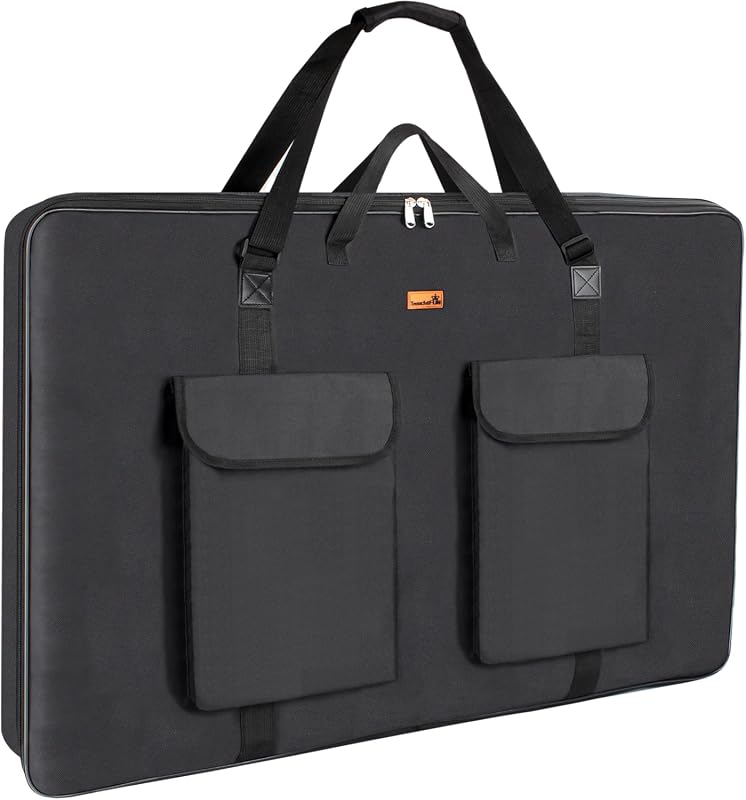
Transporting artwork requires care to protect pieces from scratches, dents, moisture, and shifting. Whether moving paintings, prints, sculptures, or framed photos, the goal is the same: keep the work stable, cushioned, and dry from pickup to delivery. Cases, crates, tubes, and padded bags serve different needs—rigid crates fit fragile or large paintings, padded portfolio bags work for flat works, and specialized boxes or foam trays help small sculptures.
Buyers should focus on size fit, level of padding, humidity protection, and ease of handling when choosing a transport solution. The right product keeps the artwork from moving, cushions impact, and blocks moisture; pick materials and dimensions that match the piece and the trip length. With those needs in mind, the next sections test common transport types and show which options protect art best.
10 Best Ways to Transport Artwork
Below is a curated list of top products and tools to move and protect paintings, prints, and sculptures. Each item was chosen for durability, ease of use, and protection so collectors, artists, and handlers can pick the right option for their needs.
Bankers Box Large TV/Picture Box (4 Pack)

This box is a good choice for moving large framed art or mirrors because it fits wide items and is made from sturdy cardboard.
Pros
- Fits up to 55″ pictures and TVs
- Strong, reinforced cardboard for better support
- Recyclable and reusable for future moves
Cons
- Not meant for shipping
- Requires extra padding for fragile art
- Bulky to store when full
The shape and size match large pictures and mirrors, so it reduces awkward handling. It asks the buyer to add blankets or bubble wrap, which gives flexibility in how items are protected.
It works best for local moves or carrying art between rooms. The box is made in the USA and aims to be durable enough for short trips.
Buyers should remember this is for moving only, not mailing. Using extra foam or wrap will help prevent scratches and pressure damage.
CalPalmy Extendable Poster Tubes (2-Pack)

It is a solid choice for anyone who needs a waterproof, adjustable tube to carry rolled art and large papers.
Pros
- Telescopes to fit various poster sizes.
- Screw caps seal out moisture and dust.
- Adjustable strap makes it easier to carry.
Cons
- Plastic can crack with very rough long-term travel.
- Inner diameter may not fit very thick rolls.
- Strap and locks can feel basic compared with premium cases.
The tube expands from about 24.5″ to 40″, so it handles posters, blueprints, and maps without folding. It uses screw-on caps that include label slots to keep contents identified.
Users mention the tubes are sturdy and waterproof for everyday moves and storage. The shoulder strap frees hands and adjusts to the tube length, which helps when walking through airports or campuses.
This kit comes as a two-pack, which suits artists or students who transport multiple pieces. It keeps rolled work flat and protected from creases and light exposure for regular use.
onesimcr Honeycomb Wrap

It is a good choice for eco-minded buyers who need flexible cushioning for artwork during moving or shipping.
Pros
- Biodegradable and recyclable paper cushion.
- Conforms to odd shapes for snug protection.
- Includes fragile stickers to mark boxes.
Cons
- Less water-resistant than plastic options.
- Thicker or very heavy pieces may need extra layers.
- Paper can tear if handled roughly.
This honeycomb wrap uses a paper lattice that expands around items to limit movement and surface scratches. It works well for framed prints, ceramic pieces, and light sculptures when layered properly.
The roll is long, so one purchase can cover many pieces. The natural brown paper looks tidy and avoids plastic waste in packing materials.
They should add extra corner protection and a sturdy box for heavy or valuable art. For damp or high-humidity moves, consider combining this with a waterproof outer layer.
JJRING Art Portfolio Tote

It is a lightweight, soft-sided bag that works well for carrying and protecting large flat artwork if you do not need rigid support.
Pros
- Durable, water-resistant fabric that helps keep pieces dry.
- Lightweight and easy to carry with the handle or shoulder strap.
- Extra outer pocket for small supplies and quick storage.
Cons
- No internal rigid support, so delicate pieces may need a backing.
- Fits snug for some 24″×36″ items and can be tight to insert.
- Large size can feel bulky to carry for long distances.
The bag uses heavy 600D fabric with a waterproof interior, so it keeps art safe from light moisture and dust. It feels sturdy at the seams and the zipper closes well, which helps prevent items from slipping out.
It works best for posters, canvases, and boards that can tolerate some flexing. People who need a hard case or frame-like protection should add a flat board inside before transport.
The outside pocket offers handy space for sketchbooks and brushes, making short trips and classes easier. Buyers should check exact dimensions to make sure their pieces slide in without forcing them.
DAT Foam Sheets 12″ x 12″ (100 Pack)

This is a good basic option for protecting flat and fragile items during moves or shipping because it offers many thin, reusable foam sheets at a low cost.
Pros
- Thin, flexible padding works well between plates or cards
- Lightweight and reusable for multiple jobs
- Comes in a large 100‑sheet pack for repeat use
Cons
- Sheets are thin for very heavy or high‑impact moves
- Limited size may not cover larger frames or canvases
- Not a substitute for rigid protection like hard panels
These foam sheets suit people who need simple cushioning for stacked or flat items. They slide easily between plates, cards, or small glass pieces and cut down on surface scratches.
They work well when combined with other packing materials like bubble wrap or cardboard corners to add structure. For framed art or canvases, the sheets protect surfaces but will not stop bending or punctures on their own.
They offer good value for light to moderate protection and reuse. Buyers should pair them with rigid supports and secure boxes when transporting larger or high‑value artwork.
EOOUT 24×36 Art Portfolio Bags
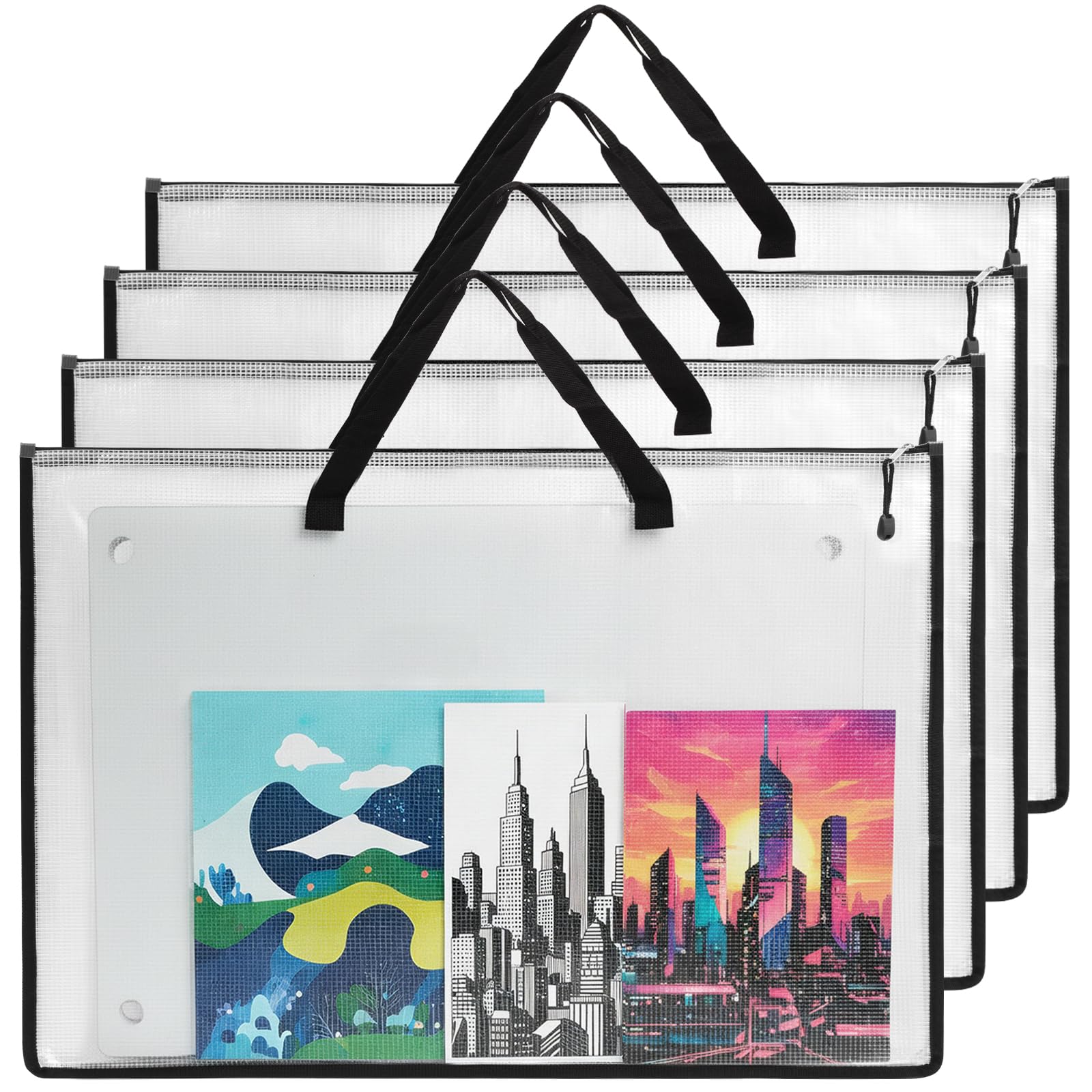
This is a solid choice for someone who needs a lightweight, foldable bag to protect posters and flat artwork.
Pros
- Protects from water, dust, and scratches.
- Lightweight with wide shoulder straps for easier carrying.
- Foldable and easy to store when not in use.
Cons
- Clear vinyl can show scuffs and fingerprints.
- Holds flat pieces only, not thick framed works.
- Limited to the sizes listed, may not fit odd-shaped art.
The bag fits common poster sizes and keeps items flat during short trips. Its waterproof vinyl adds simple protection against rain and dirt.
Straps and reinforced edges give basic strength without adding much weight. The zipper opening makes loading and unloading quick.
This works well for students, hobbyists, and anyone moving flat art or boards. It may not suit large framed paintings or three-dimensional pieces.
EOOUT 24×36 Art Portfolio Bags
Mr. Pen Poster Tube

It is a solid, adjustable plastic tube that protects rolled artwork and makes carrying prints easier.
Pros
- Strong plastic resists crushing.
- Adjustable length fits different poster sizes.
- Shoulder strap frees hands and makes travel simpler.
Cons
- Plastic can feel lightweight to some users.
- Screw cap may fog if not tightened perfectly.
- Not padded inside for delicate surfaces.
The tube keeps prints rolled and away from dust and moisture. It locks at different lengths so many sizes of posters, maps, or blueprints fit without folding.
People who move artwork to shows or classes will like the strap options. The crossbody or over-shoulder styles make it simple to carry on public transit or between venues.
This product aims to stop creases and dents during transport. It does not add soft padding, so fragile or heavily printed surfaces may still need extra protection like tissue or a sleeve.
ZAPPUP Felt Picture Moving Bag (2-Pack)
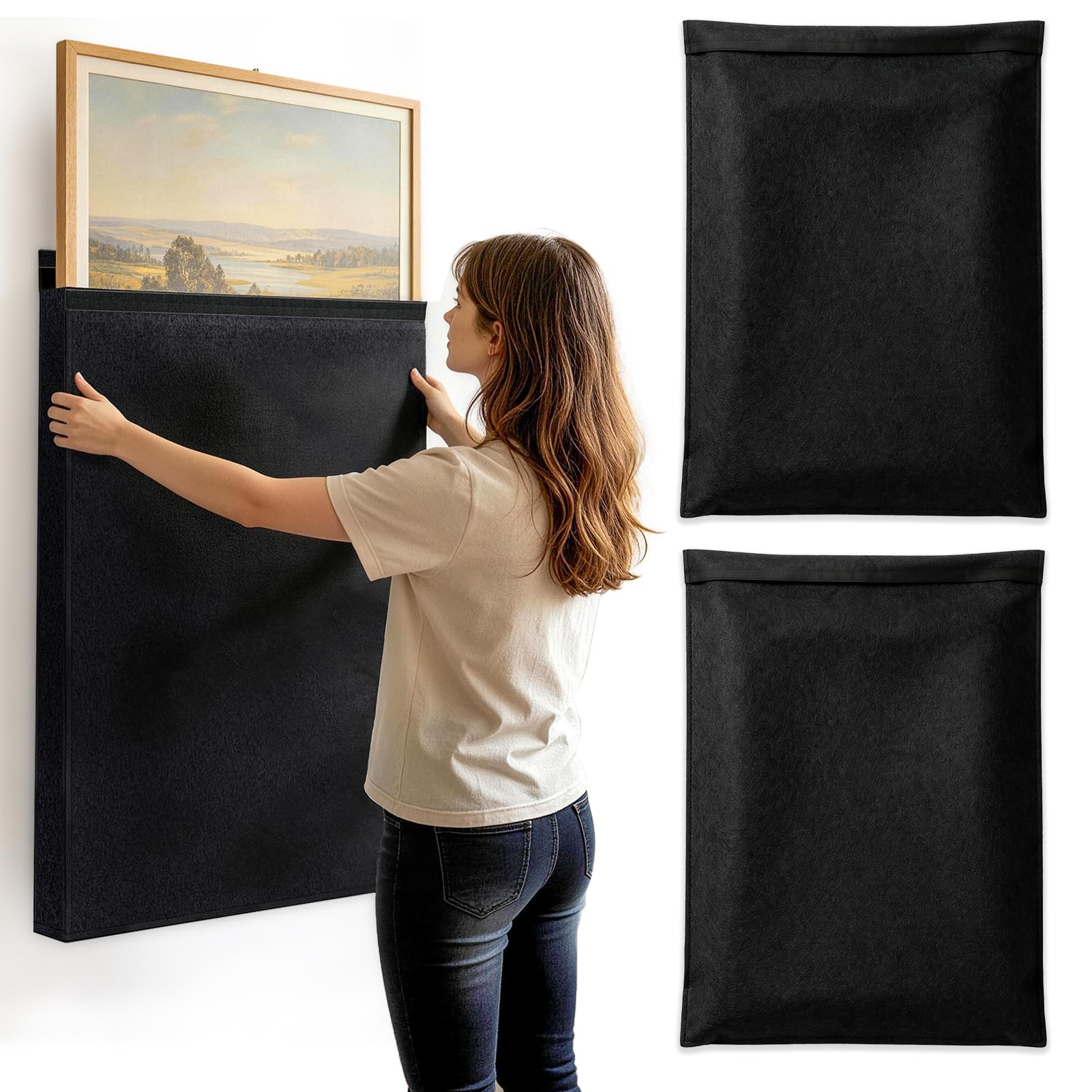
This is a solid, reusable option for protecting medium-sized frames and mirrors during moves or storage.
Pros
- Soft felt cushions surfaces and reduces scratches.
- Reusable and folds flat for easy storage.
- Hook-and-loop closure keeps dust out and pieces secure.
Cons
- Limited padding for heavy impact or rough handling.
- Size may not fit very large or deep frames.
- Black felt can show lint and dust.
The felt bag wraps artwork gently and avoids the rough edges of cardboard. It suits framed photos, canvases, and small mirrors that need scratch-free coverage.
They work well for stacking and short moves when you want a tidy, space-saving solution. The hook-and-loop top makes loading quick and keeps items from slipping out.
Buyers who need heavy shock protection or large custom crates may want extra padding or a different product. For everyday moves and storage, this two-pack offers simple, reusable protection without bulky boxes.
TRANSON Extendable Poster Tube

It is a sensible buy for someone who needs a simple, waterproof tube to keep posters and rolled artwork safe during travel or storage.
Pros
- Waterproof protection keeps paper dry.
- Telescoping length fits different poster sizes.
- Lightweight and easy to carry.
Cons
- Plastic body may dent under heavy pressure.
- Narrow diameter limits bulky items.
- Twist-lock can loosen if not secured tightly.
This tube offers basic, reliable protection for rolled prints, blueprints, and posters. It works well for students, designers, or anyone packing flat art into a tube for short trips or storage.
The adjustable length from about 17″ to 27″ makes it flexible for several common paper sizes. Users can tighten the twist lock, but they should check it before transport to avoid accidental sliding.
Its waterproof shell wards off rain and spills, which helps preserve paper and ink. The lightweight build keeps shipping costs down, though rough handling could dent the tube and affect contents.
TRANSON Extendable Poster Tube
APOCHON Foam Pouches 22×26 (30-Pack)
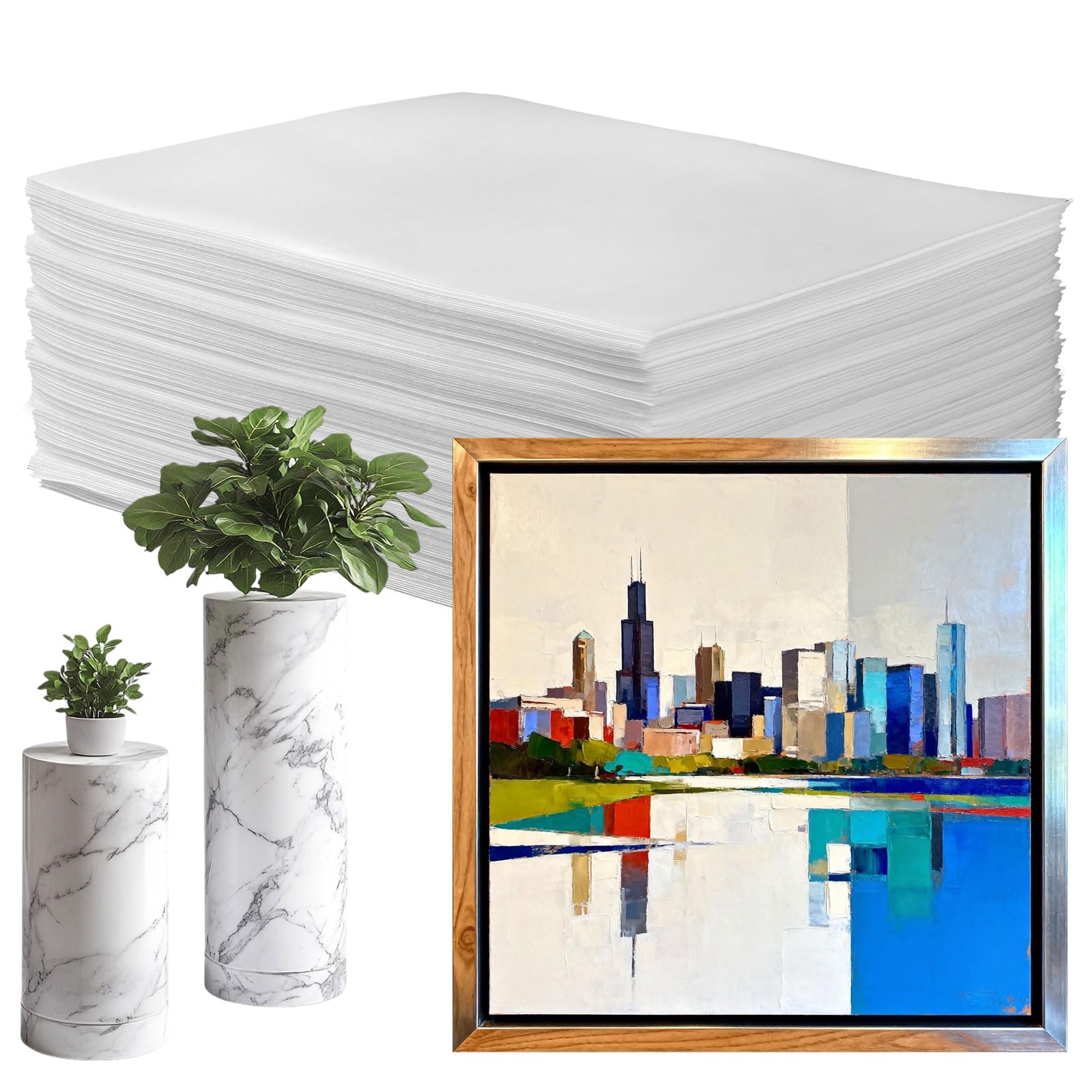
It is a good, low-cost choice for protecting flat artwork and frames during moves because the large foam sleeves cushion and resist moisture.
Pros
- Large size fits many canvases and framed pieces.
- Lightweight foam adds little shipping weight.
- Moisture and scratch resistant for basic protection.
Cons
- Thin foam may not absorb heavy impact well.
- Limited structure; pieces still need external boxes.
- Not tailored for odd-shaped or very valuable art.
The sleeves come in a big pack that covers many items at once. They slide over plates, frames, and canvases easily and keep surfaces from rubbing.
They work well when used with cardboard or a rigid backing. For gallery pieces or antiques, add a sturdy crate or extra padding to reduce risk.
Buyers who want simple, affordable wrap for standard artwork will find these useful; those needing heavy-duty protection should consider reinforced solutions.
Buying Guide
Choose materials that match the artwork’s needs. Sturdy, acid-free packing protects paper and canvas. For fragile items, look for shock-absorbing layers and hard outer cases.
Look for size and fit. The container should hold the work without bending or crowding. Adjustable inserts or foam allow for different shapes and sizes.
Check weight limits and handles. Strong handles and secure latches make carrying easier. Rolling cases help with very heavy pieces.
Prioritize climate control features if the work is sensitive. Sealed cases and desiccant pockets reduce humidity risk. Materials that resist temperature swings add extra protection.
Consider transport method and distance. Short local moves need lighter protection than long, multi-leg shipments. Air and international shipping often require rigid crates and extra padding.
Evaluate ease of use and setup time. Quick-open latches and clear labeling speed packing and unpacking. Reusable systems save money over time.
Compare cost vs. protection level. Higher-priced options often offer better shock and moisture control. Balance budget with the value and fragility of the artwork.
Feature checklist:
| Feature | Why it matters |
|---|---|
| Acid-free materials | Prevents chemical damage |
| Rigid outer shell | Protects against impact |
| Foam/adjustable inserts | Keeps artworks stable |
| Seals/desiccant pockets | Controls humidity |
| Strong handles/latches | Easier, safer transport |
They should read specifications and test a small piece when possible. Inspect seals and padding before trusting a shipment.
Editor’s picks
They choose options that balance safety, cost, and ease. Each pick suits a different need: local moves, long-distance shipping, and high-value pieces.
- Best for local moves: A roll of acid-free paper, corner protectors, bubble wrap, and a rigid cardboard crate. It costs little and works well for frames and canvases under 30 inches.
- Best for long-distance: Double-walled crates with foam lining and freight insurance. It adds cost but reduces damage risk in transit.
- Best for high-value art: Custom wooden crate, climate control during shipping, and a bonded art mover. It provides top-level protection and professional handling.
| Use case | Key items | Why it works |
|---|---|---|
| Local moves | Bubble wrap, corner guards, flat-panel box | Easy, cheap, protects edges |
| Long-distance | Crate, foam, shipping insurance | Strong, stable, insures loss |
| High-value | Custom crate, climate control, pro mover | Maximum safety and expertise |
They recommend labeling each package with “Fragile” and sending photos before and after packing. They also advise keeping documentation like receipts and condition reports for claims or appraisals.
Frequently asked questions
What is the safest way to pack a painting?
They should wrap the surface in clean, acid-free paper or glassine, then add bubble wrap and corner protectors. Place the painting in a rigid box or custom crate with padding so it cannot shift.
How should framed art be handled?
They should keep the frame upright and secure the glass with tape in an “X” pattern to reduce shattering. Use edge protectors and pack the piece in a box that fits tightly.
Can artwork be shipped without insurance?
Shipping without insurance risks loss or damage without compensation. They should buy declared value coverage or confirm that their carrier and shipper offer adequate protection.
Is climate control necessary for transport?
Yes, for delicate or temperature-sensitive works. They should avoid extreme heat, cold, and humidity and use climate-controlled vehicles or shipping services when possible.
How to transport sculptures or 3D pieces?
They need custom crates or padded boxes and internal braces to prevent movement. Fragile parts should be wrapped individually and supported during transit.
Should the artist or owner label the package?
They should label with “Fragile” and “This Side Up” and include a packing list and contact info inside and outside the package. Clear labels help handlers treat the art correctly.
When is it best to hire professional art movers?
They should hire pros for high value, large, or complex items. Professionals provide packing, climate control, and insurance options suited to fine art.
Conclusion
Transporting artwork takes planning, care, and the right materials. They should pick packing that matches the work’s size, medium, and value.
Professionals recommend using acid-free materials for paper and sturdy crates for large canvases. They also suggest padding, corner protectors, and climate control when needed.
Labeling and documentation reduce risk during transit. They should photograph each piece and note condition before and after transport.
For high-value or fragile items, hiring experienced art handlers adds protection. Insured, climate-controlled transport and proper crating lower damage and loss chances.
Small moves can use DIY kits and rigid boxes. Larger or international moves usually require specialized movers and customs paperwork.
A simple checklist helps keep tasks on track:
- Measure and photograph artwork
- Use appropriate packing materials
- Secure in vehicle or crate
- Insure and document condition
Following these steps gives art the best chance of arriving safe and intact.