Museum Catalogue vs Coffee Table Book: What Is the Difference?

A museum catalogue is usually made to document an exhibition, artist, or collection with scholarly essays, object details, and research notes. A coffee table book is made more for display, browsing, and visual pleasure. Both can be beautiful, but a museum catalogue is better for study, while a coffee table book is usually better for home styling and casual reading.
If you are deciding between a museum catalogue vs coffee table book, start with one simple question: do you want deeper art knowledge, or do you want a beautiful book that is easy to enjoy and display?
I have bought both over the years. Some museum catalogues have taught me more about an artist than any general art book could. Some coffee table books, on the other hand, have completely changed the feel of a living room with one strong cover and a few beautiful spreads.
Both belong in an art lover’s home. But they serve different jobs. In this guide, I’ll explain the difference in plain English, show when each one makes sense, and help you choose the right type for your space, budget, and reading style.
What Is a Museum Catalogue?
A museum catalogue is a book created around a museum exhibition, permanent collection, artist, period, or theme. It often includes essays from curators, scholars, conservators, or art historians.
You may also see it called an exhibition catalogue. These books are often sold through museum shops, university presses, specialist art publishers, and sometimes Amazon.
The main purpose is documentation. A museum catalogue records what was shown, why it mattered, and how the artworks connect to the wider history of art.
Many major museums publish catalogues alongside important exhibitions. The Met Museum’s publications archive is a good example of how museum catalogues can become long-term art resources, not just temporary exhibition souvenirs.
What You Usually Find Inside a Museum Catalogue
- Curator essays
- Artist biography and timeline
- Artwork plates and object entries
- Provenance or ownership history
- Exhibition checklist
- Bibliography or further reading
- Notes on materials, conservation, and technique
This makes a museum catalogue very useful if you want to understand an artist deeply. It is also helpful if you are studying art, collecting art books, or building a serious home library.
What Is a Coffee Table Book?
A coffee table book is a large, visual book made for browsing and display. It might cover art, photography, architecture, interiors, fashion, travel, nature, or design.
The goal is usually more visual than academic. A good coffee table book should look beautiful on a table, invite people to open it, and give enough information to make the subject enjoyable.
For more ideas in this category, I often suggest browsing a strong coffee table book collection before buying. It helps you compare styles, cover design, size, and subject matter quickly.
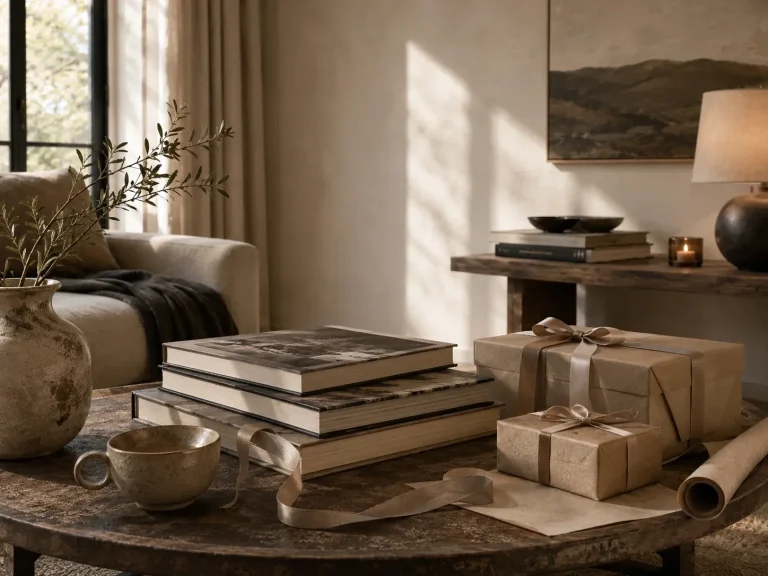
Imagine a large Matisse book open on a linen sofa table, beside a candle and a small ceramic bowl. Now imagine a heavy exhibition catalogue on the same table, full of essays and object notes. Both can look beautiful, but the mood is different. One invites relaxed browsing. The other invites slower study.
What You Usually Find Inside a Coffee Table Book
- Large images
- Short captions
- Introductory essays
- Beautiful layouts
- Decor-friendly covers
- Simple storytelling
- Less technical language
Coffee table books are ideal when you want art in your home in a relaxed way. They also make excellent gifts because they feel thoughtful, stylish, and easy to enjoy.
Museum Catalogue vs Coffee Table Book: Main Differences
The biggest difference is purpose. A museum catalogue explains and records. A coffee table book displays and inspires.
| Feature | Museum Catalogue | Coffee Table Book |
|---|---|---|
| Main Purpose | Research, documentation, exhibition context | Display, browsing, visual enjoyment |
| Writing Style | More scholarly and detailed | More accessible and visual |
| Best For | Students, collectors, researchers, serious art lovers | Home decor lovers, gift buyers, casual readers |
| Image Use | Often tied to object entries and exhibition themes | Often larger, more decorative, and easier to browse |
| Home Styling | Works best for art libraries, studios, and shelves | Works beautifully on coffee tables, consoles, and benches |
| Reading Experience | Slow, focused, note-friendly | Relaxed, visual, guest-friendly |
How to Decide Which One You Need
If you are still unsure, do not start with the cover. Start with your use case. Where will the book live? Who will read it? What do you want it to do?
If you want deep context, choose a museum catalogue. If you want a book that looks beautiful and feels easy to browse, choose a coffee table book.
Look for clear reproductions, good paper, and accurate color. This matters for both types of books.
If the writing feels too academic, it may not suit casual reading. If it feels too light, it may not satisfy deeper study.
A large coffee table book needs room to breathe. A museum catalogue may work better on a shelf, desk, or reading table.
If you will only skim, do not buy a dense catalogue. If you want to learn, do not buy a purely decorative book.
Why the Difference Matters
This difference matters because art books can be expensive. A beautiful book can feel like a small investment, especially if it costs $60, $90, or more.
If you buy the wrong kind, you may end up with a book that sits unopened. I prefer books that work hard: they should teach, inspire, or improve the room.
For art lovers, the best choice is often not either-or. A strong collection usually includes both. A few museum catalogues give depth. A few coffee table books give beauty and daily pleasure.
Some books blur the line. A museum catalogue can be gorgeous enough to work as a coffee table book. A coffee table book can also include excellent essays and real scholarship. Always judge the individual book, not only the label.
When a Museum Catalogue Is the Better Choice
Choose a museum catalogue when you want more than surface beauty. It is the better option when the artist, exhibition, or period truly matters to you.
- You want deep artist context
- You are studying a movement or exhibition
- You care about artwork details and provenance
- You want essays by curators or scholars
- You are building a serious art library
- Can feel dense for casual readers
- May have smaller images than expected
- Sometimes tied to one exhibition only
- Can be harder to find after it goes out of print
- May not be as decor-friendly on the cover
When a Coffee Table Book Is the Better Choice
Choose a coffee table book when you want beauty, easy access, and a strong visual presence in the room. It is also usually the safer gift.
- You want a book for display
- You want easy browsing
- You are buying a gift
- You care about cover design and room styling
- You want guests to enjoy it without effort
- May lack deep research
- Some are more decorative than useful
- Image quality varies widely
- Can feel generic if the subject is too broad
- Oversized books can be awkward on small tables
Real-World Examples
Let’s say you love Van Gogh. A museum catalogue from a major Van Gogh exhibition may give you essays, letters, technical studies, and close readings of specific paintings. That is ideal if you want to understand the work deeply.
A Van Gogh coffee table book, by contrast, may show the most famous paintings in a lush, easy-to-browse format. That is better if you want color, mood, and a beautiful object for your living room.
In my own home, I like pairing one deeper museum catalogue with one more visual coffee table book. The catalogue gives me something to read. The coffee table book gives the room energy. Together, they feel balanced.
Style Guide: Which Book Fits Which Room?
Your room style can help you choose. A book should feel like part of the space, not an afterthought.
If you are styling books beside framed art, you may also want to explore our Art & Frames guide. Framing and book styling often work together beautifully.
Budget: What Should You Expect to Spend?
Prices vary a lot. Museum catalogues can be affordable when first published, then become expensive when they go out of print. Coffee table books can also range from budget-friendly to collector-level.
Comparison by Use Case
| Use Case | Better Choice | Why |
|---|---|---|
| Gift for a casual art lover | Coffee table book | Easier to enjoy and display |
| Studying one exhibition | Museum catalogue | Includes exhibition essays and object details |
| Decorating a living room | Coffee table book | Usually stronger cover and display value |
| Building an art reference library | Museum catalogue | Better research depth |
| Learning about a single artist | Either | Choose catalogue for depth, coffee table book for visual access |
| Styling an entryway console | Coffee table book | Looks intentional and welcoming |
What You’ll Need to Display and Care for Either Book
Good lighting helps printed art look better. If your reading corner feels flat or dull, our Lighting & Ambience guide can help you think about warmer, softer light for art books and display areas.
Pro Tips for Choosing the Right Book
- Open the book before buying if you can. The cover matters, but the inside matters more.
- Check whether the images are large enough for your needs.
- Look at the captions. Good captions make a book much more useful.
- Choose a museum catalogue if you want deep context about one show or artist.
- Choose a coffee table book if you want something beautiful and guest-friendly.
- For gifting, avoid very narrow catalogues unless you know the person loves that artist.
- Mix one scholarly book with one visual book for a balanced home art library.
Common Mistakes to Avoid
- Do check paper and print quality.
- Do match the book size to your table.
- Do buy museum catalogues for artists you truly care about.
- Do use coffee table books to create mood in a room.
- Do choose books you will actually open.
- Don’t buy only because the cover looks expensive.
- Don’t assume every museum catalogue is hard to read.
- Don’t assume every coffee table book is shallow.
- Don’t place valuable books in direct sunlight.
- Don’t stack too many large books on a small table.
Keep museum catalogues and coffee table books away from direct sunlight, heat, and moisture. Sun can fade dust jackets and printed pages. Moisture can warp covers and damage the binding.
Shop This: Good Starting Points
If you are starting a small art book collection, I would begin with one museum-style art book and one easy visual coffee table book. That gives you both depth and daily display value.
Helpful Sources for Better Art Book Buying
If you want to compare deeper art resources, museum websites are often the best place to start. The MoMA publications section is useful for modern and contemporary art books.
For general home styling, Architectural Digest often shows how design books, art objects, and personal collections shape a room.
If you are buying for someone else, our gift guide for art lovers may help you choose between books, frames, creative tools, and decorative gifts.
Quick Recap
- A museum catalogue is best for research, exhibition context, and serious study.
- A coffee table book is best for display, gifting, and relaxed browsing.
- Some books can do both, especially high-quality museum publications.
- Check image quality, paper, size, captions, and binding before buying.
- Choose based on how you will actually use the book at home.
The museum catalogue vs coffee table book choice is really about purpose. Choose a museum catalogue when you want depth, scholarship, and exhibition detail. Choose a coffee table book when you want beauty, display value, and easy browsing. The best art lover’s home usually has room for both.
Frequently Asked Questions
A museum catalogue is usually tied to an exhibition, artist, or museum collection and includes deeper essays and object details. A coffee table book is usually made for display, browsing, and visual enjoyment.
Yes, if you care deeply about the artist, exhibition, or movement. A good museum catalogue can offer research, images, and context that are hard to find in lighter art books.
No. Many coffee table books are informative and well written. But they are usually designed to be easier to browse and more visually appealing for home display.
A coffee table book is usually safer as a gift because it is more accessible and display-friendly. A museum catalogue is better when the recipient already loves a specific artist or exhibition.
Yes. Many museum catalogues have beautiful covers and strong images. If the design is attractive and the size fits your table, it can work well as a coffee table book.
They often include specialist essays, high-quality images, careful printing, and limited print runs. Some become harder to find after an exhibition ends, which can raise the price.
A museum catalogue is usually better for focused learning. A broad coffee table book can still be helpful for beginners, especially if it has clear captions and timelines.
Final Thoughts
So, museum catalogue vs coffee table book — which should you choose?
If you want to study an artist, exhibition, or movement, choose the museum catalogue. If you want a beautiful book for your living room, a thoughtful gift, or an easy way to enjoy art at home, choose the coffee table book.
My honest recommendation is simple: buy one of each over time. Let the catalogue teach you. Let the coffee table book inspire your room. Keep both away from direct sun, open them often, and choose books that make you want to look again.
— Julian Mercer