How to Keep Tabletop Picture Frames From Tipping Over?

To keep tabletop picture frames from tipping over, place them on a flat, stable surface, fully open and secure the easel back, add small non-slip pads or removable museum gel beneath the base, and keep heavy or fragile frames away from edges, children, pets, and busy walkways. If a frame still feels unstable, choose a wider-base stand or mount it on the wall instead.
The simplest way to stop a tabletop picture frame from tipping is to improve three things: the surface, the frame support, and the placement. A few discreet fixes can make framed photos and art feel safer without changing the look of your display.
I love tabletop frames because they bring art and personal memories close to everyday life. A favorite photo on a dresser or a small print on a console can make a room feel finished. But a frame that wobbles, slips, or falls forward can quickly become frustrating.
In this guide, I will show you practical ways to stabilize leaning and standing frames while keeping your display beautiful, calm, and easy to live with.
Why Do Tabletop Picture Frames Tip Over?
Most tabletop frames tip for a simple reason: their weight is not balanced over a steady base. The frame may be too tall for its stand, the back support may not open far enough, or the surface may be smooth or uneven.
Sometimes the problem is not the frame itself. A dresser can shake when a drawer closes. A console table near a doorway can be bumped. A light frame can fall when a fan, pet, or cleaning cloth brushes past it.
If you enjoy styling framed art and photographs throughout the home, our Art & Frames guide offers more ideas for choosing and arranging display pieces.
A frame can look level from the front but still be unstable from the side. Check the angle of the easel back and the contact points underneath before adding decor around it.
How to Keep Tabletop Picture Frames From Tipping Over: Step by Step
Before adding any adhesive or accessory, test the frame in the place where you actually want to use it. A stable frame on a quiet shelf may become unstable on a busy entryway console.
Start by placing the frame on a solid shelf, mantel, dresser, desk, or console. Avoid soft runners, uneven stacks of books, or surfaces that shake when used.
Open the folding back fully and make sure it is not loose, bent, or pulling away from the frame. A weak easel back is one of the most common causes of forward falls.
Wipe dust from the underside of the frame and the tabletop. Dust can make even a well-balanced frame slide on polished wood or glass.
Place small non-slip pads beneath the lower corners, or use a tiny amount of removable museum gel where suitable. Test it first on a hidden area of the surface.
Set the frame several inches back from the edge. Keep fragile or glass-front frames away from high-traffic areas, children, pets, and places where drawers or doors create movement.
If the built-in support is weak, place the frame on a tabletop easel or display stand designed for its size and weight. If the frame remains top-heavy, hanging it may be safer.
Before trusting a framed piece in its final place, gently tap the table and open nearby drawers once or twice. If the frame wobbles or creeps forward, stabilize it before finishing the display.
Best Fixes for Different Frame Problems
Not every unstable frame needs the same solution. A sliding frame needs grip. A tall frame may need a stronger stand. A valuable or heavy frame may need a different display location altogether.
| Frame Problem | Likely Cause | Practical Fix |
|---|---|---|
| Frame slides backward or forward | Smooth tabletop or dusty base | Clean the surface and add non-slip pads |
| Frame falls forward | Weak or shallow easel-back angle | Use a sturdy display stand or replace the frame |
| Frame wobbles | Uneven base or warped stand | Add balanced pads or move to a flat surface |
| Tall frame feels top-heavy | Narrow base for the frame height | Use a wider stand or choose wall display |
| Frame tips when furniture is used | Vibration from drawers or foot traffic | Relocate it or use removable grip support |
Choosing the Right Stabilizing Method
For many lightweight frames, small rubber or silicone pads are enough. They are easy to hide and can help protect a tabletop from scratches as well as slipping.
Removable museum gel or putty can give extra hold for small decor displays. It can be useful on a console or shelf, but it should be used carefully. Some products can mark delicate finishes, painted surfaces, paper, or porous materials.
A tabletop easel or plate-style display stand is better when a frame has a poor built-in back. The stand supports the frame instead of trying to repair a weak hinge or folding tab.
| Stabilizing Option | Best For | Care Point |
|---|---|---|
| Non-slip rubber pads | Small to medium frames on smooth furniture | Keep pads balanced at both corners |
| Removable museum gel | Light frames or objects needing gentle grip | Test first on delicate furniture finishes |
| Tabletop display stand | Frames with weak or missing easel backs | Choose a stand sized for the frame |
| Wall hanging | Heavy, valuable, or top-heavy frames | Use suitable wall hardware |
| Lower shelf placement | Homes with pets or busy activity | Avoid easy reach or bump zones |
Always check the instructions for any gel, putty, tape, or pad before placing it on fine wood, painted furniture, antique finishes, fabric, or valuable frame materials.
Why Frame Stability Matters in a Creative Home
Framed art should feel joyful, not fragile. A stable display lets you enjoy a photograph, drawing, or small artwork without worrying every time someone closes a drawer or brushes past the table.
It also protects the frame and the furniture beneath it. A falling glass-front frame can crack, chip a tabletop, damage artwork, or cause injury. Even a lightweight frame can scratch a polished surface if it slides repeatedly.
When I arrange small framed pieces, I treat stability as part of styling. A clean, safe display always looks more confident than one filled with leaning items that feel ready to fall.
Real-World Styling Examples
A stable tabletop frame display can suit many parts of the home. The key is to match the frame type and stabilizing method to the room.
On a living-room console, try one medium natural wood frame placed toward the back, two small non-slip pads beneath it, and a low ceramic bowl beside it. The frame becomes the focus, while the low accent keeps the display calm and safe.
| Location | Good Display Choice | Safety Detail |
|---|---|---|
| Entryway console | One medium frame with simple decor | Use pads and keep back from the edge |
| Bedroom dresser | Small acrylic-front frame | Avoid heavy glass near sleep areas |
| Home office desk | Small portrait frame or art card stand | Keep clear of cables and moving equipment |
| Living room bookshelf | Layered small frame with books | Do not balance frames on uneven stacks |
| Dining sideboard | Pair of lightweight frames | Keep away from serving activity |
For room styling beyond frames, the Creative Living section can help you build displays that feel personal but uncluttered. Soft nearby lighting can also make framed art more inviting; see our Lighting & Ambience guide.
Do’s and Don’ts for Stable Tabletop Frames
- Place frames on flat, steady furniture.
- Check that the easel back opens fully and feels strong.
- Use small, discreet non-slip pads when needed.
- Keep frames back from the furniture edge.
- Use lightweight or acrylic-front frames in active areas.
- Do not balance heavy frames on small or soft surfaces.
- Do not place fragile frames near door swings or drawer movement.
- Do not use adhesive products on fine furniture without testing.
- Do not crowd a frame with tall objects that can knock it.
- Do not ignore a damaged stand or loose frame back.
Style Guide: Keep the Fix Hidden and the Art Visible
The best stabilizing solutions quietly do their job. You should notice the photograph or print first, not the supports underneath it.
What Not to Place Beside an Unstable Frame
Sometimes the problem is caused by surrounding decor. A tall vase can tip into a frame. A candle can create risk if a frame falls toward it. Large stacks of books can make the surface uneven.
Keep the arrangement simple until you know the frame is stable. Once the frame stays secure, add one low accent that does not block or bump it.
Never place an unstable picture frame next to a burning candle, at the edge of a high surface, or where it can fall onto a child or pet. For heavy, fragile, antique, or valuable framed pieces, choose a securely hung display or seek suitable installation advice.
Affordable Supplies That Can Help
A tabletop frame often needs only a small, simple fix. Search for products that suit the frame and your furniture surface, then check the maker’s care guidance before use.
Pro Tips for Styling Secure Tabletop Frames
- Choose wider frames or wider stands for portrait-oriented artwork.
- Place the tallest frame at the back when using more than one piece.
- Keep heavy decor separate from the frame rather than leaning it against the glass.
- Use acrylic-front frames in areas where falling glass would be a concern.
- Recheck stability after cleaning or moving furniture.
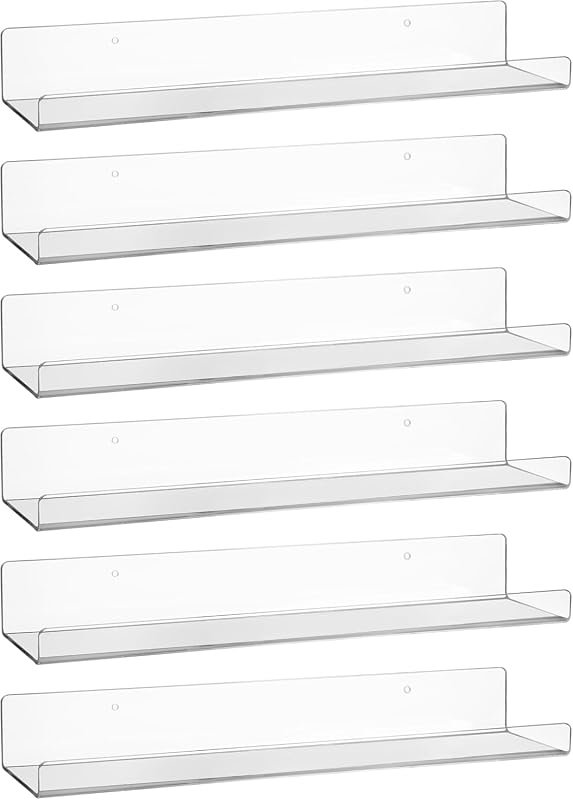
- Use a wall-mounted or picture-ledge display if tabletop space is too active.
If you would rather move your collection off a tabletop, our Hurrell Editions guides explore wall display, frames, and artful home ideas. For a fuller display with books or gifts, our Books & Gifts section may offer useful inspiration.
Trusted Inspiration for Display and Home Styling
When I need ideas for giving a framed piece enough space to breathe, I often look at the presentation of artworks through the Met Museum and the Museum of Modern Art. Their displays are not tabletop arrangements, but they are helpful reminders that restraint and spacing matter.
For practical home-styling inspiration, Apartment Therapy and HGTV offer room-based ideas that may help you place framed pieces in a way that fits daily life.
Common Mistakes to Avoid
The first mistake is treating a tipping frame as a styling problem only. Moving a vase beside it will not make a damaged easel back safer. Check the support before adding anything decorative.
The second mistake is using too much adhesive. More gel or putty is not always better, especially on delicate wood or painted furniture. A small, tested amount is safer than a thick hidden patch.
The third mistake is keeping a fragile frame in a risky place because it looks attractive there. If a frame sits near the edge of a busy console or above a place where it could fall onto someone, move it. Good design should work safely in real life.
- Is the tabletop flat, steady, and clean?
- Does the easel back open fully and hold the frame securely?
- Is the frame positioned back from the edge?
- Would a small pad, gel, or stand improve stability?
- Have you tested products on the furniture finish where needed?
- Is the display away from flames, heavy traffic, children, and pets?
- Would wall hanging be safer for this frame?
- Start with a clean, flat, steady tabletop.
- Check the frame’s built-in stand before adding stabilizers.
- Use non-slip pads or removable gel carefully where suitable.
- Choose a tabletop stand for frames with weak easel backs.
- Move heavy or fragile frames away from high-risk spots.
To keep tabletop picture frames from tipping over, stabilize the base, support the frame properly, and choose a safe place to display it. Simple fixes such as non-slip pads, a tested removable gel, or a well-sized stand can work well for lightweight frames. For heavy or fragile pieces, a securely mounted wall display may be the safer and more lasting choice.
FAQ: How to Keep Tabletop Picture Frames From Tipping Over
Check that the easel back is fully open and strong, then place the frame on a flat surface. Add non-slip pads or use a correctly sized display stand if it still tips.
Small rubber or silicone non-slip pads can help stop lightweight frames from moving. Test any product first if the tabletop has a delicate finish.
Removable museum gel may help stabilize some lightweight frames, but it should be used according to the product instructions and tested on furniture finishes first.
The stand may be loose, too narrow, bent, or set at a poor angle. The frame may also be too tall or heavy for its support.
They can be safe on a stable surface in a low-risk area, but acrylic-front or lightweight frames are often safer where children, pets, or frequent movement are present.
Use a separate stand if the built-in easel back is weak, missing, or does not support the frame securely. Choose a stand designed for the frame’s size and weight.
Consider hanging the frame if it is heavy, valuable, top-heavy, easy to bump, or unsafe on the available tabletop surface.
Final Thoughts
A tabletop frame should add warmth and personality to a room, not constant worry. In most cases, a secure easel back, clean level surface, and small non-slip support are enough to keep a lightweight frame standing safely.
My recommendation is to start with the simplest fix: check the stand, move the frame back from the edge, and add discreet grip if needed. If the frame is still unstable, do not force the display. Use a suitable stand or move the artwork to a secure wall arrangement.
When safety and styling work together, your framed art can stay exactly where it belongs: quietly making your home feel more personal.