Shadow Box Frame Sizes: How to Choose the Right Depth


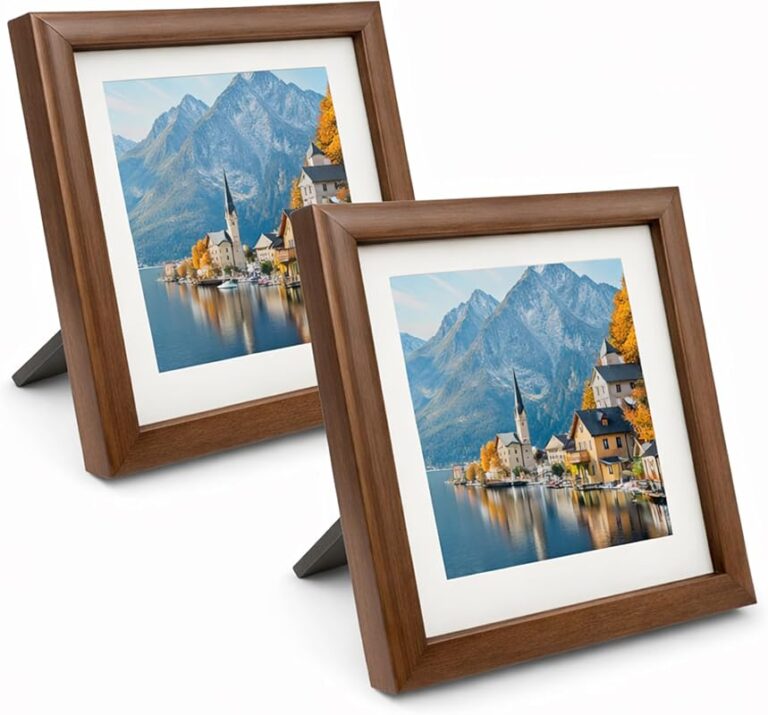
Shadow box frames shown in several sizes for comparing dimensions and proportions
The right shadow box size depends on the object’s width, height, and especially depth. Choose a frame that leaves room for mounting, breathing space, and the scale of the wall it will hang on.
shadow box frame sizes matter because the right dimensions determine not only what fits, but how polished the finished display feels. If you are framing a medal, jersey, certificate, or keepsake, the best choice comes down to width, height, and especially depth.
- Measure depth first: Many display problems happen when the frame is too shallow for the object and.
- Match the use case: Small boxes suit medals and pins, medium boxes suit photos and certificates, and large.
- Check the wall: Frame weight and hardware needs change with size, glazing, and backing.
- Leave visual breathing room: A slightly larger frame often looks better than a tight, crowded fit.
What Shadow Box Frame Sizes Are and How to Choose the Right One
Shadow boxes are built to hold objects that need more room than a standard picture frame allows. That extra interior space is what makes them useful for memorabilia, textiles, layered art, and sentimental items that deserve protection as well as display.
The easiest way to choose is to start with the object itself, then add room for mounting, spacing, and any background material you want to use. From there, think about where the frame will live on the wall and how much visual presence you want it to have in the room.
Standard vs custom shadow box dimensions
Standard shadow box dimensions usually work well for common display items like certificates, small collectibles, and framed photos with a bit of depth. These sizes are convenient because they are easier to find and often simpler to style in pairs or groups.
Custom dimensions make more sense when the object has an unusual shape, when the display needs a precise fit, or when you want a more tailored presentation. That can be especially useful for sports jerseys, heirlooms, or mixed-media arrangements where a standard opening would feel too tight or too loose.
Manufacturer size labels can describe the outer frame, the visible opening, or the internal depth, depending on the retailer. Always confirm which measurement is being listed before you buy.
How depth, not just width and height, affects what fits
Depth is the dimension that most buyers underestimate. A frame may be wide enough and tall enough, but still fail if the item stands away from the backboard or needs spacers, foam, pins, or a mount.
Shallow boxes are better for flat or lightly layered objects. Deeper boxes are better for bulky keepsakes, folded textiles, and items that need breathing room so they do not press against the glazing.
Shadow Box Frame Sizes by Use Case: Memorabilia, Artwork, Jerseys, and Keepsakes
The best size depends on what you are trying to display. A frame that feels generous for a medal may look undersized for a jersey, while a large box can overwhelm a tiny keepsake unless the layout is carefully balanced.
Small shadow boxes for medals, pins, and sentimental objects
Small shadow boxes are ideal for compact items that you want to protect and elevate visually. Think medals, patches, pins, travel souvenirs, baby keepsakes, dried flowers, or a few layered mementos arranged around a focal object.
These sizes work well when the object is the star and the background is doing quiet supporting work. They also fit easily on shelves, narrow walls, and bedside spaces where a larger frame would feel too heavy.
Medium sizes for certificates, photos, and layered displays
Medium shadow boxes are often the most versatile choice because they can handle a wider range of uses without dominating the wall. They are a strong fit for certificates, wedding keepsakes, framed photos with objects, and small collections that need a little visual breathing room.
If you are building a display with multiple elements, medium sizes can help keep the composition orderly. They are also easier to group than very large boxes, which makes them practical for hallways, offices, and mixed gallery walls.
For readers comparing display formats, our guide to gallery wall frame sets can help with layout planning when you want several coordinated pieces on one wall.
Large and extra-deep frames for jerseys, textiles, and 3D collections
Large shadow boxes are usually the right starting point for jerseys, uniforms, quilts, baby clothes, or layered collections that need both width and depth. These frames create enough visual scale for bigger rooms and let the object read clearly from across the space.
Extra-deep frames are especially useful when the item has volume or when the display includes multiple layers such as pins, plaques, or background fabric. For oversized wall art, it can also help to compare your plan with large poster frame sizes so the final scale feels intentional rather than cramped.
Large and deep frames can become significantly heavier than small display boxes. Check the wall type, mounting hardware, and product specifications before hanging, especially on plaster or masonry.
How to Measure Your Item Before Buying a Shadow Box Frame
Measuring carefully saves you from buying a frame that is technically close but practically wrong. The goal is to measure the object as it will be displayed, not just as it looks lying flat on a table.
Allowing room for mounts, spacers, and object thickness
Start by measuring the item’s height and width at its widest points. Then add room for any mount, mat, foam backing, pins, clips, or spacers that will hold the object in place or keep it off the glazing.
If the object is delicate, uneven, or slightly raised, build in extra clearance rather than aiming for a tight fit. A little extra room is usually better than forcing the item into a space that presses against the front panel.
Include the object itself plus any backing, mount, or decorative spacing you plan to use.
Make sure the frame can hold the thickest point without compressing the item.
When to choose a frame slightly larger than the object
A slightly larger frame is often the better choice when the object needs room to breathe, when you want a centered presentation, or when the display includes multiple elements. That extra margin can make the arrangement look more deliberate and less crowded.
Choose a snugger fit only when the object is already visually strong on its own and does not need much surrounding space. For text-heavy items like certificates, a modest border can help the piece feel cleaner and more readable.
If you are unsure between two sizes, the larger one is usually easier to style as long as the object remains visually anchored and the depth is sufficient.
Materials, Build Quality, and Specifications That Matter in 2026
Size is only part of the decision. Material, glazing, backing, and construction quality all affect how the shadow box looks, how long it lasts, and how well it protects the contents.
Frame materials: wood, metal, and composite options
Wood frames tend to feel warm and traditional, which works well for heirlooms, family keepsakes, and classic decor. Metal frames can look cleaner and more contemporary, making them a strong fit for modern interiors or more graphic displays.
Composite options vary widely, so the details matter more than the label. Check the finish quality, corner joins, and whether the frame feels sturdy enough for the size you want, especially if you are buying a larger display piece.
If you prefer a slimmer contemporary profile, a page like thin wood poster frame can be helpful for understanding how narrow profiles change the visual weight of a wall display. For a more structural approach, see aluminum picture frame kits for a sense of how metal framing systems are typically described.
Glazing choices: acrylic vs glass and when each makes sense
Acrylic glazing is often lighter and can be a practical choice for larger frames or spaces where reduced weight matters. Glass can offer a more traditional feel and may appeal to buyers who prefer a classic presentation, though it can add weight and breakability concerns.
The right choice depends on the size of the frame, where it will hang, and how delicate the contents are. For example, a lighter acrylic front may be easier to manage in a large hallway piece, while glass may be preferred for a smaller, more formal display if the product specifications support it.
For more detail on material tradeoffs, the article on acrylic glass picture frame guide offers useful context on how glazing choices are typically compared.
Backboard, lining, and archival considerations
The backboard matters because it supports the item and helps determine how securely it stays in place. Lining materials also affect the look of the finished piece, especially if the display includes fabric, paper, or sentimental items that should not appear flimsy against the background.
If the contents are valuable, irreplaceable, or sensitive to fading, look for archival or conservation-minded materials in the product description. That does not guarantee museum-grade protection, but it is a useful sign that the frame was designed with long-term display in mind.
- Confirm the listed outer size, opening size, and internal depth
- Check glazing type, backboard quality, and included mounting hardware
- Review care instructions for dusting, cleaning, and sunlight exposure
Best Rooms and Styling Ideas for Shadow Box Frame Sizes
Room scale changes how a shadow box reads. The same frame can feel elegant in one setting and oversized in another, so placement should be part of the sizing decision.
Living rooms, hallways, bedrooms, and home offices
Living rooms can handle larger statement pieces, especially above a console, sofa, or mantel. Hallways usually benefit from medium or small shadow boxes because those spaces are often narrower and seen in passing.
Bedrooms work well for sentimental displays, travel objects, and softer compositions, while home offices are ideal for certificates, achievements, and personal items that reinforce the room’s purpose. A display in a workspace should feel motivating without becoming visually busy.
A single shadow box in a hallway can feel like a quiet museum piece, while a grouped set in a home office can turn personal milestones into part of the decor.
Matching frame size and finish to existing decor
Size and finish should work together. A large dark frame can anchor a spacious room, while a lighter finish may help a smaller piece feel less heavy on the wall.
Try to echo one or two existing finishes in the room, such as wood tones, black metal, brass accents, or white trim. That keeps the display from looking disconnected from the rest of the decor.
Single statement piece vs gallery wall grouping
A single large shadow box creates focus and works well when the object itself is meaningful enough to stand alone. Groupings are better when you want a collected look or when several smaller items tell a stronger story together.
If you are building a wall with multiple pieces, keep the sizes related so the arrangement feels intentional. For mixed layouts, the article on mixed size gallery wall frame set can help you think about proportion and balance.
Hanging, Spacing, and Wall-Safe Installation Tips
Even the right size can look wrong if it is hung too high, too low, or too close to nearby pieces. Good installation is about visual balance and safe support, not just getting the frame onto the wall.
Choosing hardware for drywall, plaster, and masonry
Use hardware that matches the wall surface and the frame’s weight. Drywall, plaster, and masonry each require different approaches, and the correct choice depends on the exact product and wall condition.
If the frame is large or unusually heavy, review the manufacturer’s mounting guidance and consider professional installation when needed. That is especially important when you are dealing with older walls, fragile plaster, or valuable contents.
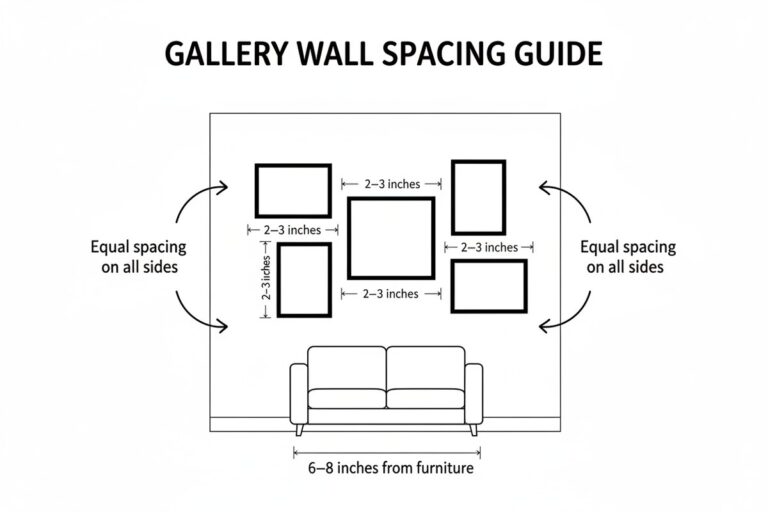
Ideal spacing for gallery walls and grouped shadow boxes
For grouped displays, consistent spacing helps the arrangement feel calm and deliberate. Too little space can make the wall look crowded, while too much can make each piece feel disconnected.
When mixing shadow boxes with flat frames, keep the visual centers aligned where possible, or use a common edge line for a more structured look. The goal is not perfect symmetry, but a rhythm that feels easy to read at a glance.
- Lay out the arrangement on the floor or with paper templates first
- Keep spacing consistent within each cluster
- Hanging mixed sizes at random distances
- Ignoring how the frame depth changes the wall’s visual profile
Height placement for eye-level viewing and balanced layouts
Most shadow boxes look best when the center of the piece sits near eye level, though furniture, ceiling height, and room function can shift that slightly. Above furniture, leave enough breathing room so the frame feels connected to the piece below it.
If the frame is part of a larger layout, step back and check how it reads from the main viewing point in the room. A display that feels balanced from across the space is usually more successful than one that only looks good up close.
Common Mistakes When Selecting Shadow Box Frame Sizes
The most common problems are usually preventable. They happen when buyers focus on the outer frame alone and overlook how the object will actually sit inside the box.
Underestimating depth and overcrowding the interior
Overcrowding is one of the easiest ways to make a display look unfinished. If the object is pressed too close to the glazing or squeezed against the backing, the piece can appear cramped and may be more vulnerable to damage.
Give the contents enough space to look intentional. That often means choosing a deeper frame than you first expected, especially for textiles, layered objects, and anything with irregular thickness.
Choosing a size that overwhelms the object or the wall
A frame that is too large can make a small keepsake disappear, especially on a narrow wall or in a compact room. On the other hand, a frame that is too small can make a meaningful object feel crowded and underpresented.
The best match depends on both the item and the surrounding wall area. If you want a cleaner, more proportional look, start by considering how the frame will relate to nearby furniture and other wall pieces.
Ignoring weight, wall type, and hardware limits
Weight matters more as frames get larger and deeper. A display that looks simple in a product photo may require more secure mounting than expected once you account for the frame, glazing, backing, and contents.
Before buying, confirm the wall type and the mounting method recommended by the manufacturer. If the piece is especially heavy or the wall is not straightforward, professional help may be the safest route.
Care, Maintenance, Value, and Final Buying Recommendation
A well-chosen shadow box should be easy to live with, not just attractive on day one. The best size is the one that protects the item, suits the room, and remains practical to maintain over time.
Cleaning, dust control, and protecting delicate contents
Dust the exterior gently and follow the care instructions for the glazing and finish. Avoid harsh cleaners unless the manufacturer explicitly recommends them, especially on acrylic surfaces or specialty finishes.
For delicate contents, keep the frame out of direct sunlight when possible and avoid humid spots unless the product is specifically designed for those conditions. That helps preserve paper, textiles, and other sensitive materials.
Sunlight, moisture, and heat can affect paper, fabric, adhesives, and finishes over time. If the item is valuable or irreplaceable, choose materials and placement with long-term preservation in mind.
When a premium frame is worth the investment
A premium frame can be worth it when the contents are meaningful, the display will be highly visible, or the size requires stronger construction. Better materials, sturdier mounting, and more refined finishing often matter most on larger or deeper boxes.
That said, a premium frame is not always necessary for every object. For casual keepsakes or temporary displays, a simpler option may be entirely appropriate if the dimensions and structure are still suitable.
If you want to compare display styles that use lighter construction, the article on aluminum light box frame can offer a useful reference point for modern, streamlined presentation ideas.
Final recommendation: how to choose the best size for your space and display goal
The best shadow box frame size is the one that fits the object with enough depth to spare, suits the wall it will occupy, and complements the room’s scale. Start with the item’s true dimensions, add room for mounting and breathing space, then choose the frame that supports the story you want the display to tell.
If you are torn between two sizes, favor the option that gives the object a little more room and the construction enough strength for safe hanging. That approach usually leads to a cleaner look, better preservation, and a frame that feels intentional rather than improvised.
- Measure width, height, and depth before you shop.
- Choose a size based on the object, room scale, and wall type.
- Allow extra space for mounts, spacers, and delicate contents.
- Confirm material, glazing, and hanging hardware before buying.
Frequently Asked Questions
Measure the object’s width, height, and thickness, then add room for mounts or spacers. If you are unsure, choose the size that gives the contents a little breathing room.
Jerseys usually need a large and often deeper frame so the fabric can sit smoothly without crowding. Check the internal depth and compare it with your mounting plan before ordering.
Acrylic is often lighter and can be easier for larger frames, while glass has a more traditional feel. The better choice depends on frame size, weight, and the manufacturer’s specifications.
Leave enough room for the item to sit comfortably without pressing against the glazing or backing. The exact amount varies by object type, mounting method, and frame depth.
Confirm the wall type, the frame’s weight, and the included mounting hardware. For heavy pieces or older walls, review the manufacturer guidance and consider professional installation.
Match the frame size to the room scale and keep spacing consistent if you are grouping several pieces. A centered layout with enough visual breathing room usually looks the most polished.