DIY Acrylic Photo Frame: How to Make One at Home (Step-by-Step Guide)

A diy acrylic photo frame is a clean, modern way to display photos, prints, and keepsakes without visual heaviness. It works best when you match the frame style to the image, place it thoughtfully, and care for the acrylic gently.
A diy acrylic photo frame is one of the easiest ways to turn a favorite image, print, or keepsake into something that feels considered and modern. It suits homes that lean clean and light-filled, but it can also soften beautifully into shelves, desks, and gift displays when styled with care.
- Best use: Acrylic frames suit desks, shelves, gallery walls, and meaningful gifts.
- Style choice: Clear, frosted, floating, magnetic, and block styles each create a different mood.
- DIY success: Precise measuring and careful alignment matter more than complicated tools.
- Room fit: Consider glare, brightness, and surrounding decor before choosing a finish.
- Care: Clean gently and keep acrylic away from scratches, heat, and direct sun.
Why a DIY Acrylic Photo Frame Fits Modern Artful Living in 2026
Acrylic framing continues to feel relevant because it sits comfortably between design object and practical display. In 2026, more people are treating personal images as part of the room’s visual language, not as items tucked away in albums or drawers.
Reader intent: styling personal images as decor, not just storage
The appeal of a diy acrylic photo frame is that it lets the image stay visible and airy. Instead of competing with heavy borders, the frame supports the photograph, print, or note with a quiet presence that feels intentional.
That makes it especially useful for art lovers, book people, and anyone who likes interiors to feel personal rather than staged. A framed concert ticket, a page from a beloved book, or a family photo can become part of the decor story without asking for much visual space.
Where acrylic frames work best in interiors: desks, shelves, gallery walls, and gift displays
Acrylic frames tend to shine in places where light and proximity matter. On a desk, they keep a small image crisp and current. On shelves, they add structure without making the arrangement feel heavy.
They also work well within gallery walls, especially when mixed with paper art and photographs. For gifts, acrylic frames are appealing because they feel polished but not overly formal, which suits weddings, graduations, and housewarmings alike.
Think of acrylic as a quiet stage rather than a decorative costume. The best display lets the image lead, while the frame simply sharpens the view.
Choosing the Right Acrylic Frame Style for Your Photo, Print, or Keepsake
Not every acrylic frame serves the same purpose. The right choice depends on whether you want near-invisible clarity, a softer finish, or a display that feels more architectural and object-like.
Clear, frosted, magnetic, floating, and block-style options
Clear acrylic is the most common choice for a clean, almost weightless look. Frosted acrylic softens contrast and can be useful when you want a gentler, more matte presence.
Magnetic styles are convenient for swapping images, while floating frames create the illusion that the piece is suspended between panels. Block-style frames, by contrast, feel sturdier and more sculptural, which can suit desks or tabletops.
| Option | Best For | Note |
|---|---|---|
| Clear acrylic | Photos, prints, minimal interiors | Shows detail well but may reflect more light |
| Frosted acrylic | Soft graphics, notes, quieter rooms | Reduces glare and creates a gentler finish |
| Magnetic frame | Easy swaps, seasonal displays | Practical for rotating artwork or messages |
| Floating frame | Art prints, keepsakes, visual depth | Best when you want the image to feel suspended |
| Block-style frame | Tabletops, shelves, sturdy display | Feels more substantial and decorative |
Style trade-offs: minimalism versus warmth, visibility versus glare, rigidity versus versatility
Acrylic is loved for its minimalism, but that same quality can feel a little cool if the surrounding room is already sparse. In a warm, layered interior, it often balances beautifully with wood, ceramics, linen, and books.
Visibility is another trade-off. The clearer the frame, the more the image stands out, but the more likely it is to catch reflections. If the room gets strong daylight, a slightly softer finish may be easier to live with.
Curator recommendation: matching frame clarity to the artwork, photograph, or page layout
As a rule, high-detail photographs and clean typography usually benefit from clear acrylic. Watercolor, handwritten notes, and aged paper can look more elegant in a softer or frosted presentation, where minor imperfections and texture feel intentional rather than exposed.
If you want a deeper understanding of how these displays differ, our guide to what a floating picture frame is is a helpful place to start, especially if you are deciding between visible structure and a more suspended look.
Materials and Tools for a DIY Acrylic Photo Frame Project
The materials for a diy acrylic photo frame are usually straightforward, but the quality of the finish depends on careful handling. Clean edges, correct sizing, and secure hardware matter more than adding complicated extras.
Sheet thickness, stand hardware, spacers, magnets, and mounting basics
For a simple build, you will typically need two acrylic sheets, a photo or print, and either stand hardware or mounting pieces depending on where the frame will live. Thicker sheets feel more durable, while thinner sheets are lighter and easier for tabletop use.
Spacers help create the floating effect, and magnets can hold the panels together neatly. If you are making a wall-friendly version, check that the mounting method suits the weight and the surface you plan to use.
- Panel size matched to the artwork
- Edge finish and clarity
- Stand or wall hardware
- Spacers or magnets for spacing
- Cleaning cloth for final polish
Optional creative additions: pressed flowers, ticket stubs, book pages, or handwritten notes
This is where acrylic framing becomes especially charming. A pressed flower can turn a simple frame into a memory object, while a ticket stub or handwritten note adds emotional texture that feels more intimate than a standard print.
Book pages and illustrated paper ephemera are particularly lovely in acrylic because the clear surface preserves their character without overwhelming them. If you enjoy literary decor, you might also like our ideas for DIY floating picture frame styling, especially for layered paper keepsakes.
Price context: what a simple DIY build typically costs versus a ready-made acrylic frame
Costs vary widely depending on size, thickness, and hardware. A simple DIY version can stay relatively modest if you are working with small panels and basic stand pieces, while larger or more refined builds move into a mid-range or investment territory quickly.
DIY costs depend on sheet quality, cut precision, and whether you are building for a tabletop, shelf, or wall. Ready-made acrylic frames may cost more upfront, but they can save time and reduce the risk of uneven edges.
Step-by-Step Assembly Ideas for a Clean, Gallery-Style Finish
The goal in acrylic framing is not to make the frame disappear entirely, but to make the presentation feel calm and deliberate. A clean finish comes from alignment, careful pressure, and a patient final check.
Measuring, trimming, and aligning the acrylic panels
Start by measuring your image and deciding how much border you want around it. If you are trimming acrylic yourself, work slowly and keep the edges as clean as possible, since visible roughness can distract from the image.
Before attaching anything, dry-fit the panels together. This lets you check that the photo sits squarely and that the frame reads as balanced from the front and from a slight angle.
Confirm the exact dimensions and decide how much margin you want around the image.
Cut or select acrylic sheets that match the size and keep the edges clean.
Place the image between the sheets before fastening anything to check alignment.
Positioning the photo or artwork for a floating effect
The floating effect works best when the image is centered with consistent spacing around the edges. If the artwork has uneven borders or deckled paper, allow those details to breathe rather than forcing them too close to the frame edge.
For more on this style, our guide to what is a floating frame explains why that small gap can make paper art feel more dimensional and gallery-like.
Sealing, tightening, and testing stability for shelf or wall display
Once the image is positioned, secure the frame so the panels sit evenly and the contents do not shift. Test the stability by gently moving the piece and checking whether the image slides, tilts, or catches at the edges.
If the frame will live on a shelf, make sure the stand is balanced and not too shallow. For wall use, confirm the hardware is appropriate for the piece’s weight and the surface beneath it.
Acrylic can scratch more easily than glass, especially during assembly. Avoid dragging panels across hard surfaces, and never clean them with abrasive cloths or household sprays that are not acrylic-safe.
Creative Styling Ideas for Books, Interiors, and Meaningful Gifts
Acrylic frames are especially rewarding when they are used as part of a broader styling story. They work well with books, warm lamps, collected objects, and sentimental pieces that deserve a quieter kind of spotlight.
Displaying literary quotes, vintage book covers, and illustrated pages
For book lovers, a framed literary quote can feel elegant without becoming overly decorative. Vintage covers and illustrated pages also pair beautifully with acrylic because the frame preserves the visual character while keeping the overall look light.
If you are styling a reading corner or a compact shelf, a small frame can echo the mood of the books nearby without crowding them. That is one reason acrylic often feels more modern than heavier framing styles.
A framed page from a favorite novel, poetry collection, or first edition facsimile can be more moving than a generic print. For a meaningful shelf vignette, choose one page with strong typography or a memorable passage and let the frame stay nearly invisible.
Pairing acrylic frames with warm lighting, trays, ceramics, and layered decor
Acrylic can look very crisp on its own, so it benefits from surrounding softness. Try placing it beside a ceramic vase, a wood tray, or a linen-bound book to keep the composition from feeling too stark.
Warm lighting is especially helpful in evening rooms. It softens reflections and gives the frame a more welcoming presence, whether it sits on a console, a bedside table, or a narrow shelf.
When styling a shelf, place acrylic frames slightly forward of taller objects so the image catches the eye before the surrounding decor does.
Gift-ready concepts for weddings, graduations, housewarmings, and commemorative moments
A diy acrylic photo frame makes a thoughtful gift because it can be tailored to the recipient’s memory rather than to a generic occasion. A wedding image, a graduation portrait, or a handwritten note all become more personal when the frame is designed around the story.
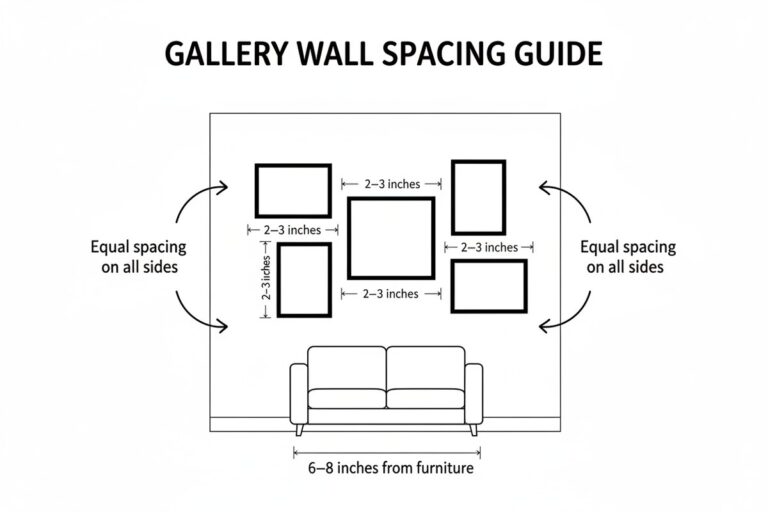
For those building a gallery wall or a coordinated display, our roundup of minimalist gallery wall frame sets can help you think through how acrylic pieces might sit alongside more traditional frames.
How to Balance Aesthetic Impact with Everyday Practicality
The most successful acrylic frames are beautiful, but also easy to live with. That means thinking honestly about glare, fingerprints, room brightness, and how often the piece will be handled.
Glare, fingerprints, edge clarity, and color accuracy under different lighting
Clear acrylic can show fingerprints and reflections more readily than some other materials. It also changes slightly depending on whether the room is lit by cool daylight, warm lamps, or direct sun.
Edge clarity matters too. Polished edges feel refined, while cloudy or rough edges can cheapen the look of the whole piece. If color accuracy is important, test the frame in the room where it will actually sit.
When to choose a frame for a bright room, a moody reading corner, or a curated shelf
In a bright room, a less reflective finish may be the kinder choice. In a moody reading corner, the frame can handle a little more shine because the surrounding light is softer and more controlled.
On a curated shelf, think about the frame as one object among several. A smaller acrylic frame can keep the arrangement airy, while a larger one can become the anchor that ties the shelf together.
Design trade-offs: ultra-clear presentation versus a softer, more tactile look
Ultra-clear presentation is ideal when you want precision and modernity. A softer look may be better when the image itself is sentimental, vintage, handmade, or slightly imperfect in the most charming way.
If you like the idea of acrylic but want a more tactile frame overall, you may also want to compare it with a DIY wood frame for canvas approach, which brings more warmth and weight to the room.
- Minimal interiors
- Paper art and photographs
- Light-filled shelves and desks
- You want a rustic or heavily textured look
- The room gets strong direct sun
- You prefer a frame with visible warmth and grain
Care Tips to Keep Acrylic Frames Looking Crisp Over Time
Good care helps acrylic stay elegant rather than cloudy or scratched. A little attention goes a long way, especially if the frame is moved often or displayed in a bright room.
Cleaning methods that avoid scratches and clouding
Use a soft, non-abrasive cloth and gentle, acrylic-safe cleaning methods. Dust first, then wipe lightly rather than rubbing hard, which can leave fine marks over time.
Avoid paper towels, rough sponges, and strong household cleaners unless they are specifically suitable for acrylic surfaces. These small choices make a visible difference in how fresh the frame looks months later.
How to store, move, or rotate framed pieces without damage
When moving the frame, hold it by the edges and keep the panels from rubbing against one another or against other objects. If you rotate seasonal displays, store each piece flat and separated so the surfaces do not scratch.
For more practical display care in compact spaces, our article on tabletop art display stands can help you think through support and placement for smaller framed pieces.
Preserving paper prints, photos, and keepsakes from heat and direct sun
Paper and photographs can fade with prolonged exposure to direct sunlight, and heat can be especially unkind to delicate keepsakes. If possible, keep framed pieces away from radiators, intense windows, and humid corners.
This matters even more for handwritten notes, pressed flowers, and older paper goods, which can be vulnerable to both light and moisture. A beautiful frame is only part of the story; placement does the rest.
Final Creative Recap: Turning a Simple Frame into a Personal Design Statement
A diy acrylic photo frame can be simple, but it never has to feel plain. With careful sizing, thoughtful image selection, and a little attention to light and placement, it becomes a small but meaningful part of the home’s visual rhythm.
Key takeaways for making a DIY acrylic photo frame feel intentional and artful
Choose the frame style based on the image, not just the room. Keep the finish clean, the alignment precise, and the styling around it calm enough to let the piece breathe.
Encouragement to treat everyday images, pages, and mementos as part of the home’s visual story
Some of the most memorable framed pieces are not expensive or elaborate. They are the ones that hold a page, a face, a note, or a moment that still feels alive in the room.
That is the quiet strength of acrylic: it gives ordinary keepsakes a clear, modern stage and invites them into the home as part of the story, not just the storage.
Recommended Products
SHOP THIS SETUP
MCS Acrylic Float Frame with Magnet Closure, 8×10
This is a strong pick for anyone inspired to make a DIY acrylic photo frame because it delivers the clean floating look without complicated assembly. The magnetic closure makes swapping photos easy, while the clear acrylic panels create a modern gallery-style display that works well on desks, shelves, or walls.
Frequently Asked Questions
Acrylic frames feel lighter and more modern, with a clear or floating look that puts the image first. They are especially useful for shelves, desks, and minimalist interiors.
Acrylic is lighter and less breakable than glass, which makes it easier to handle and display in some settings. Glass may resist scratching better, but acrylic often gives a cleaner contemporary look.
High-resolution photos, typography, and clean paper prints usually look excellent in acrylic. Handwritten notes, vintage pages, and pressed flowers can also be especially charming when the frame is kept simple.
Place it away from direct glare when possible and consider frosted or softer acrylic finishes. Warm ambient lighting also helps reduce harsh reflections.
Yes, acrylic frames make thoughtful gifts because they can be personalized with photos, notes, or keepsakes. They work well for weddings, graduations, housewarmings, and commemorative moments.
Use a soft microfiber cloth and a gentle cleaner made for acrylic surfaces. Avoid abrasive towels, strong chemicals, and rough scrubbing to prevent scratches and clouding.