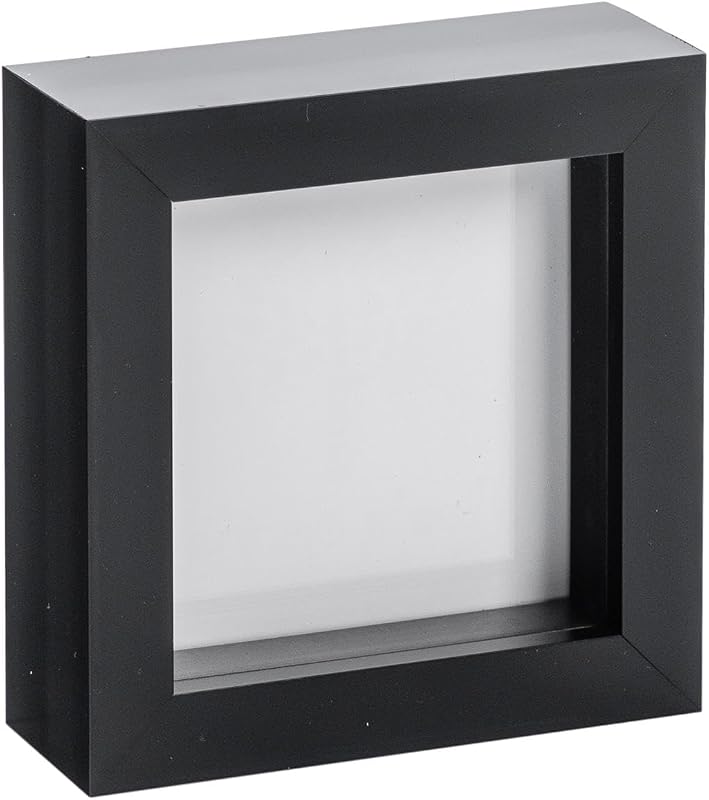
How to Frame an Acrylic Painting: DIY Floating Frame Guide

Frame acrylic paintings with a style that protects the surface and suits the room, using float, wood, metal, or minimal frames as needed. The best choice depends on texture, size, curing time, and how much visual presence you want the artwork to have.
Framing acrylic painting is one of those finishing decisions that can quietly transform the whole mood of a room. The right frame protects the work, refines its edges, and helps the painting feel intentional in a home that values art, light, and atmosphere.
- Choose for the artwork: Texture, scale, and edge finish should guide the frame.
- Protect the surface: Avoid pressure, moisture, and framing before full cure.
- Match the room: Frame tone should work with light, furniture, and wall color.
- Think long term: Archival materials and UV protection matter in bright spaces.
- Spend where it counts: Custom framing is best for meaningful or valuable pieces.
Why Framing Acrylic Painting Matters in 2026: Protection, Presentation, and Interior Impact
Acrylic paintings are often chosen for their color, versatility, and crisp surface, but those same qualities benefit from a thoughtful frame. In 2026, more homes are mixing art with layered interiors, warm lighting, and collected objects, so the frame does more than “hold” the piece. It helps define how the painting reads from across the room and how it sits beside books, ceramics, and furniture.
For many collectors and makers, framing is also a practical safeguard. A frame can reduce edge wear, support presentation, and create a cleaner transition between artwork and wall. For a deeper look at framing support around stretched work, see our guide on how to frame a canvas.
How framing changes the viewing experience of acrylic art in modern homes and studios
Acrylic art often has bright color, visible brushwork, and a surface that catches light differently depending on the room. A frame can sharpen those qualities or soften them. A slim black metal frame, for example, can make an abstract painting feel architectural, while a warm wood frame can make a figurative piece feel more intimate and domestic.
In a studio, framing also changes how a work is “read” before it is even hung. It signals completion. In a living room, it helps the painting feel integrated with the interior rather than floating like an unfinished object.
Reader intent: when a finished acrylic painting needs a frame versus a gallery-style display
Not every acrylic painting needs a traditional frame. Gallery-style display works beautifully for many canvases, especially when the edges are painted cleanly and the artwork is meant to feel contemporary or minimal. A frame becomes more useful when the painting needs visual grounding, extra protection, or a more polished presence in a styled room.
If the painting has raw edges, heavy texture, or an especially bold color field, framing can help control the visual impact. If the edges are intentional and part of the composition, a float or minimal frame may be the better choice.
Choosing the Right Frame for Acrylic Painting: Wood, Metal, Float, and Minimal Styles
The best frame depends on the artwork’s style, the room’s mood, and how much presence you want the piece to have. Acrylic paintings are flexible enough to suit a wide range of frame types, from traditional wood to crisp metal and barely-there contemporary options.
Best frame types for contemporary, abstract, figurative, and mixed-media acrylic work
Contemporary and abstract acrylic paintings often look strongest in slim frames that don’t compete with the composition. Metal frames work well when the painting has sharp geometry, strong contrast, or a cool-toned palette. Wood frames suit softer figurative work, layered brushwork, and pieces that benefit from warmth.
Float frames are especially appealing for stretched canvas because they create a small shadow line around the artwork. That gap gives the painting breathing room and keeps the edges visible, which is ideal for mixed-media work or pieces with painted sides.
Style trade-offs: warmth, sharpness, weight, and how each frame affects the artwork
Wood brings warmth and texture, but it can make a work feel more traditional. Metal feels precise and modern, though it can sometimes look cold beside very organic paintings. Float frames feel curated and gallery-like, but they are not always the most decorative choice for a cozy interior.
- Wood frames: warm, layered interiors
- Metal frames: clean modern rooms
- Float frames: stretched canvas and textured edges
- You want the frame to disappear completely
- The room already has heavy decorative detailing
- The painting needs a softer, more tactile finish
How to Frame Acrylic Painting Without Damaging the Surface
Acrylic paint is durable once cured, but framing still requires care. The main risks are pressure on the surface, trapped moisture, and damage to texture or varnish. A good framing choice respects the artwork’s finish rather than forcing it into a standard picture frame setup.
Spacing, mounts, and glazing considerations for textured or fully cured acrylic pieces
For canvas acrylic paintings, a float frame or spacer system usually works better than direct contact with glass. If the paint surface is textured, glazing can press too close and risk flattening the visual depth. When glazing is used, it should be chosen carefully and only when the artwork is fully cured and the frame design allows safe clearance.
Mounts and spacers are especially helpful for works on paper or board. They keep the surface from touching the glazing and help preserve the finish. If you are working with board-based pieces, our related guide on how to frame canvas board painting may also be useful.
Common mistakes to avoid with wet paint, varnish, canvas edges, and pressure points
Never frame acrylic paint that is still wet or tacky. Even when the surface feels dry, thicker passages can remain vulnerable for longer than expected. Varnished works should also be handled gently, since pressure or friction can leave marks.
Another common mistake is forcing the canvas into a frame that is too tight. Pressure points can distort the stretch, damage the corners, or leave permanent indentations. Protect the edges, allow for natural movement, and choose hardware that supports rather than compresses.
If the piece has heavy impasto, collage elements, or delicate surface details, professional framing is often worth considering. Texture is part of the artwork, and the frame should preserve that dimensional quality.
Curator Recommendations: Matching Frame Choice to Artwork Size, Color, and Room Design
Good framing is not only about the artwork itself. It is also about proportion, wall color, furniture scale, and how a room handles light. A frame that looks elegant in a white studio can feel too stark in a richly layered reading room, and a dark frame that feels dramatic in one setting may disappear in another.
How to frame small studies, large statement canvases, and series for gallery walls
Small acrylic studies often benefit from a frame that gives them a sense of importance without overwhelming them. A narrow wood or metal frame can make a modest piece feel collected and deliberate. Large statement canvases usually need restraint: a slim float frame or clean-lined border keeps the artwork in command.
For series or gallery walls, consistency matters more than matching every artwork exactly. Repeating one frame color across different paintings can unify the wall, even if the sizes vary. If you are building a mixed display, our guide to displaying framed art on a console table can help with smaller arrangements too.
Practical examples for pairing frame tones with neutral interiors, bold palettes, and natural light
In neutral interiors, a walnut or oak frame can add warmth without breaking the calm palette. Black frames work well when the room already has strong lines, such as shelving, window grids, or dark furniture. Soft white or pale wood can suit airy spaces, but only if the painting still has enough contrast to stand out.
In rooms with abundant natural light, frame finish matters more than many people expect. Glossy surfaces can reflect too much, while matte or softly grained finishes feel quieter. Bold palettes often benefit from simpler frames, because the artwork already carries enough visual energy.
When in doubt, step back from the artwork and look at it from the doorway. If the painting loses clarity at a distance, the frame may be too decorative or too dark for the room.
Lighting, Placement, and the Role of the Frame in Interior Styling
A frame does more than outline a painting; it shapes how light moves around it. In a well-styled home, that can be the difference between art that merely hangs on a wall and art that creates atmosphere.
How frames interact with daylight, lamps, and accent lighting in living rooms, hallways, and studios
Daylight can bring out acrylic sheen, color shifts, and subtle texture. Frames with a slight depth help the artwork hold its own when the light changes throughout the day. In evening settings, lamps and picture lights can create a softer, more intimate effect, especially with warm-toned wood or matte black frames.
Hallways often need frames that read quickly and cleanly, because people pass by them in motion. Studios benefit from frames that do not compete with the work in progress. For lighting decisions, our article on how to choose a picture light for artwork offers a useful companion perspective.
Using framing to create focal points in creative living spaces and book-filled rooms
Framing can quietly anchor a room full of books, textiles, and collected objects. A single well-framed acrylic painting above a console, desk, or reading chair can become the visual pause that keeps a busy interior from feeling cluttered. In book-filled rooms, frames with a calm finish often work best because they let the shelves remain part of the story.
Think of framing as punctuation. A strong frame can act like a full stop, a softer float frame like a graceful comma, and a gallery-style edge like a sentence that continues into the room.
Care Tips for Framed Acrylic Paintings: Cleaning, Humidity, and Long-Term Preservation
Once framed, acrylic paintings still need basic care. The goal is not complicated conservation rituals for everyday homes, but steady habits that keep the piece looking fresh and stable over time.
Safe handling, dusting, and storage advice for framed acrylic art in everyday homes
Handle framed artwork with two hands and avoid touching the painted surface or glazing. Dust the frame gently with a soft, dry cloth or a clean brush attachment on low suction if the frame design allows it. Never use household sprays directly on the artwork or frame face.
If you need to store a framed acrylic painting, keep it upright in a dry, stable place with padding between pieces. Avoid leaning framed works in damp corners, garages, or hot loft spaces. Acrylic paint is resilient, but the frame materials and backing boards can still be affected by poor storage conditions.
When to choose UV protection, archival materials, or professional framing support
UV protection is worth considering when the painting will live in bright natural light or near windows. Archival mats, backing, and spacers matter most for works on paper, but they can also improve the longevity of mixed-media pieces. If the artwork is valuable, sentimental, or structurally unusual, professional framing support is often the safest route.
Acrylic paint may dry quickly on the surface, but thicker layers can continue curing for much longer. That is one reason framing too soon can create avoidable problems even when the artwork looks finished.
Price Context in 2026: What to Expect from Ready-Made, Custom, and Museum-Style Framing
Framing costs vary widely depending on size, materials, glazing, and whether the work needs special handling. In 2026, the most useful way to think about price is not as a fixed number, but as a range based on the value of the artwork and the level of finish you want.
Budget ranges for simple frames, premium finishes, and bespoke framing services
Ready-made frames are usually the most accessible option for smaller acrylic pieces and straightforward displays. Mid-range custom framing tends to offer better fit, better material choices, and a more polished result. Museum-style framing, with conservation-minded materials and highly tailored construction, sits at the investment end of the spectrum.
How to balance cost with artwork value, gifting potential, and long-term display goals
For a casual study or seasonal display, a simple frame may be perfectly appropriate. For a meaningful gift, a custom frame can make even a modest painting feel considered and memorable. For work you plan to keep for years, it is often worth spending more on materials that support preservation and visual clarity.
- Better framing can extend the life of the artwork.
- Thoughtful materials improve the visual finish.
- Custom sizing helps awkward or oversized pieces feel intentional.
Final Creative Recap: Framing Acrylic Painting as an Artistic Finish, Not Just a Practical Step
When done well, framing acrylic painting is not a last-minute chore. It is the final design decision that helps the artwork speak clearly in the room, whether the setting is a calm bedroom, a layered hallway, or a book-lined living space.
How the right frame completes the story of the artwork and elevates the room
The best frame does not overpower the painting. It clarifies it. It gives the eye a place to rest, helps the artwork feel finished, and brings a sense of intention to the wall around it. In that way, the frame becomes part of the artwork’s story rather than a separate object attached to it.
Closing takeaway for collectors, makers, and gift buyers choosing the best presentation
If you are collecting, painting, or buying a gift, choose the frame that respects the artwork’s style and the room it will live in. A careful frame choice can make an acrylic piece feel more enduring, more personal, and more beautifully at home.
Recommended Products
SHOP THIS SETUP
Frame It Easy Custom Acrylic Picture Frame
This custom frame is a strong choice for acrylic paintings because it lets you order the exact size you need, which is especially helpful for stretched canvases or finished panels with nonstandard dimensions. The clean acrylic glazing and made-to-order fit give a polished, gallery-style look while helping protect the artwork without overwhelming the painting itself.
Frequently Asked Questions
Not always. Many stretched acrylic paintings look best without glass, especially if the surface has texture or the canvas edges are part of the design. Glass or glazing is more common for acrylic work on paper or board.
A float frame is often a strong choice because it preserves the canvas edges and gives the artwork a clean, gallery-style finish. Slim wood or metal frames can also work well depending on the room and the painting style.
It is best not to. Even if the surface feels dry, thicker acrylic layers may still be curing, and framing too soon can cause sticking, pressure marks, or surface damage.
Choose a frame that supports the painting’s palette and the room around it. Warm wood softens bold color, black sharpens modern work, and pale finishes can suit airy, neutral interiors if the artwork still has enough contrast.
Custom framing is worth considering when the piece is valuable, unusually sized, textured, or intended for long-term display. It usually offers a better fit and more control over materials than a ready-made frame.
Dust the frame gently with a soft dry cloth and avoid sprays or damp cleaners near the artwork surface. Keep framed pieces away from excess humidity and strong direct sunlight when possible.