Best Coffee Table Books for Home Decor

The best coffee table books for home decor are the ones that fit your room’s style, table size, and daily use while still feeling worth opening and browsing. Look for strong covers, sturdy construction, and subjects that add personality rather than just filling space.
The best coffee table books for home decor do more than fill a surface: they add color, texture, personality, and a sense of intention to a room. The right choice depends less on a universal “best” title and more on how the book’s subject, scale, cover, and finish work with your space, your furniture, and how you actually live.
A striking fashion monograph may look perfect in a dressing area, while a large-format architecture volume can anchor a living room ottoman. Some books are quiet and tonal, others are bold and graphic. If you want a display that feels collected rather than staged, focus on fit, proportion, and visual harmony first, then choose subjects you genuinely enjoy returning to.
- Choose by room: Living rooms can handle larger statement books, while bedrooms and entryways usually suit smaller.
- Prioritize the exterior: Cover design, spine quality, and scale matter as much as the content inside.
- Match mood, not just color: Themes like art, travel, fashion, or gardens should support the room’s overall feel.
- Style with restraint: One to three books per grouping usually looks cleaner than an overcrowded surface.
- Verify details: Confirm dimensions, edition quality, and materials on the official listing before buying.
Best Coffee Table Books for Home Decor at a Glance
What makes a coffee table book worth displaying in 2026
A display-worthy coffee table book needs three things: strong visual presence, enough substance to invite browsing, and a physical build that can handle being left out. In 2026, that often means readers are looking for books that feel editorial rather than disposable: thoughtful cover design, quality printing, a sturdy spine, and imagery that still looks relevant when trends shift.
The most successful decorative books usually have at least one standout trait. That might be a linen-bound cover, a crisp monochrome jacket, oversized photography, museum-quality reproductions, or a subject that instantly signals a mood such as architecture, gardens, fashion, travel, or modern art. If you are still narrowing categories, Hurrell Editions has more focused guides on what coffee table books are and how they function as decor objects as well as reading material.
How to choose by room, style, and intended use
Start with placement. A book for a central coffee table should be more substantial and visually assertive than one for a bedside table. A console stack in an entryway can be more sculptural, while a home office book may need to feel both inspiring and easy to browse between tasks.
Next, think about style language. Minimal interiors tend to suit restrained covers, neutral palettes, and architecture or photography themes. Layered traditional rooms often welcome richly colored art, antiques, gardens, or fashion histories. If you are shopping for a highly specific look, related roundups like best coffee table books for minimalist homes can help narrow the field.
Finally, decide whether the book is meant to be a conversation starter, a color accent, a stack base, or a gift. One title can do all four, but knowing the primary job makes selection easier.
What to Look for in the Best Coffee Table Books for Home Decor
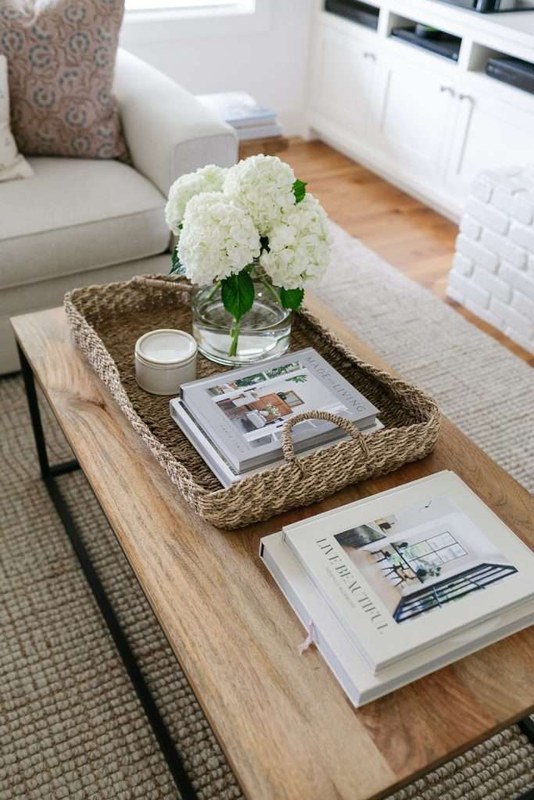
Assorted coffee table books styled on a living room table with decorative accents.
Cover design, spine quality, and visual impact
The cover is what you live with day to day, so it deserves more attention than the interior theme alone. Look for covers with balanced typography, strong imagery, or tactile materials that complement your room. A beautiful interior can still feel wrong on display if the dust jacket is busy, glossy in an unflattering way, or clashes with your palette.
The spine matters almost as much, especially for stacked or shelf-displayed books. Thin, flimsy spines can crease quickly, while poorly glued bindings may sag over time. When possible, review official publisher images and retailer photos from multiple angles before buying.
Subject matter that complements your interior style
Subject matter should support the room rather than compete with it. In a serene, neutral interior, black-and-white photography, landscape studies, or understated design books often feel cohesive. In a colorful or eclectic room, expressive art, fashion archives, or travel titles can add energy and depth.
Try to match the emotional tone as much as the color story. A book about wild contemporary fashion may feel thrilling in a dressing room but out of sync in a calm guest room. A collected home with antiques and patina may benefit from books on decorative arts, heritage interiors, or vintage imagery. For readers interested in a softer palette, our guide to best neutral coffee table books for home decor is a useful next step.
Book size, weight, and stackability for everyday styling
Large-format books make the strongest visual statement, but they are not automatically the best choice. On a smaller table, an oversized volume can overwhelm the surface and leave no room for a tray, candle, or practical use. In compact homes, narrower or medium-format books are often easier to style and rotate.
Stackability is also important. Books with flat, sturdy covers tend to sit neatly, while heavily padded or uneven jackets may slide. If you plan to layer objects on top, choose books with solid, stable surfaces and enough heft to stay put.
For a clean stack, use the largest and heaviest book at the bottom, a slightly smaller one above it, and keep the top book visually calm so decorative objects do not look crowded.
Paper stock, print quality, and overall build
Good paper stock affects both appearance and longevity. Matte paper can feel refined and reduce glare under lamps or daylight, while glossy paper may make color photography pop but show fingerprints more easily. Thick pages usually feel more luxurious and turn better, especially in books meant for frequent browsing.
Print quality matters most in art, photography, and design books where image clarity is part of the experience. Since specifications vary by publisher and edition, confirm details on the official listing when they matter to you. If you are comparing categories, our guide on how to choose coffee table books goes deeper into selection criteria.
Best Coffee Table Books by Interior Style and Aesthetic
Minimalist and modern homes
Minimalist spaces usually benefit from restraint. Look for books with monochrome covers, architectural photography, modern art, interiors, or design history. A single oversized title can be more effective than three unrelated books if your room already has strong furniture lines and limited accessories.
Books in white, black, taupe, charcoal, or muted stone tones often integrate easily into modern rooms. Clean sans-serif typography and uncluttered cover layouts tend to feel especially at home here.
Classic, traditional, and collected interiors
Traditional rooms often have more visual depth, which means decorative books can be richer too. Consider titles on historic homes, gardens, decorative arts, portraiture, fashion houses, or travel with a sense of place. Clothbound covers, serif typography, and deeper hues such as forest, navy, burgundy, or ochre can feel particularly natural.
In collected interiors, coffee table books work best when they look accumulated over time rather than bought in one sweep. Mixing one older-looking title with one contemporary art or design volume often creates a more believable display.
Art-focused, fashion-forward, and design-led spaces
If the room already leans editorial, your books can be bolder. Museum books, runway retrospectives, artist monographs, graphic photography, and avant-garde design titles can all act as decor statements in their own right. These are often ideal for rooms with sculptural lighting, lacquered finishes, metal accents, or gallery-style styling.
Bold books can also introduce contrast in otherwise simple rooms. A vivid spine or iconic cover image can break up a neutral palette without requiring new furniture or textiles.
Travel, photography, and nature-inspired rooms
Travel and landscape books are especially versatile because they bring both imagery and mood. Coastal homes may suit books on seaside destinations or marine photography. Rustic or organic interiors often pair well with botanical, wildlife, and natural history themes. Urban apartments can benefit from city photography or architecture titles that echo their setting.
Nature-inspired rooms often look best with books that have tactile or earthy finishes rather than overly glossy, high-contrast covers. If greenery and soft textures define your space, botanical and organic-themed books can feel especially cohesive.
How to Choose the Right Coffee Table Book for Each Room<
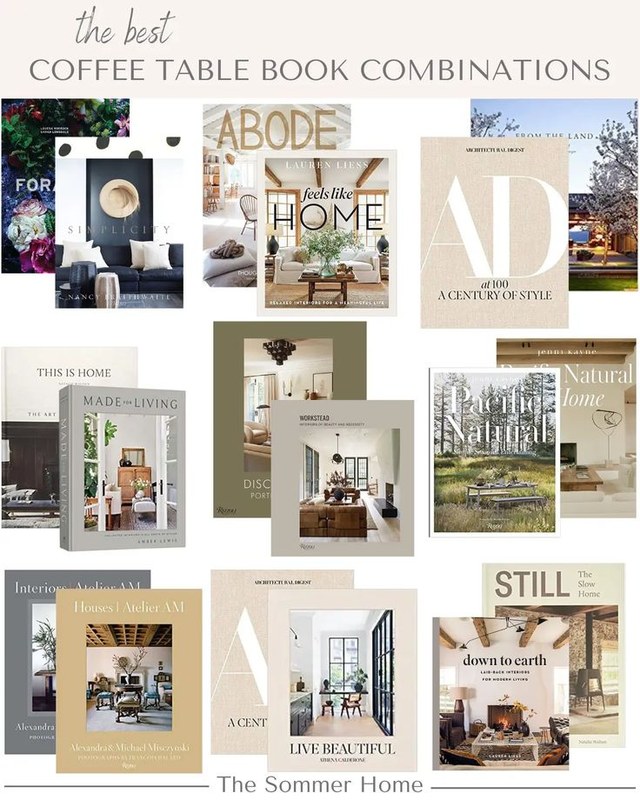
Coffee table books arranged on a table in a styled living room.
Coffee table books arranged on a table in a styled living room.
/h2>
Living room centerpieces and conversation starters
The living room is where coffee table books do their most visible work. Here, prioritize scale, readability from a distance, and subjects that invite guests to pick them up. Art, architecture, travel, and photography are strong choices because they are easy to browse casually and tend to have broad appeal.
If your coffee table doubles as an everyday surface, keep the display practical. One or two substantial books may be enough. On a large ottoman, a tray over a short stack can help the arrangement feel anchored and usable.
Bedroom and dressing area styling
In bedrooms, softer and more personal themes often work best. Fashion, beauty, interiors, florals, portrait photography, and romantic travel books can add polish without feeling too formal. Choose smaller or medium-format books for nightstands and dressers so the display stays proportionate.
Dressing areas can handle more glamour. A glossy fashion title or beauty archive can act almost like an accessory, especially when paired with perfume bottles, a small dish, or a candle.
Home office, library, and study spaces
In work-focused rooms, books should feel inspiring but not distracting. Architecture, design, art history, creative process, and documentary photography often strike the right balance. Here, spine presentation matters because books may spend more time on shelves, ledges, or credenzas than stacked flat.
Choose topics you will actually revisit. In an office, a decorative book that also sparks ideas has more long-term value than one chosen only for the jacket color.
Entryway, guest room, and boutique hospitality-inspired corners
These smaller moments are ideal for concise, polished styling. In an entryway, one stack with a bowl, bud vase, or small lamp can create an instant sense of welcome. In a guest room, books on local culture, travel, gardens, or art can feel thoughtful without being too personal.
Boutique hotel-inspired corners often benefit from one standout title rather than several. A single elegant book on a console or side table can make the space feel intentional and less cluttered.
Size, Placement, and Styling Ideas for Coffee Table Books
How many books to use on a coffee table, console, or ottoman
There is no universal number, but most surfaces look best with one to three books per grouping. A small side table may need only one. A larger coffee table can hold two separate stacks or one stack plus a tray. The goal is to leave enough breathing room for the furniture shape to remain visible.
The right quantity depends on table size, shape, and how the surface is used. If you regularly set down drinks, remotes, or a laptop, style more lightly.
Stacking rules: scale, balance, and negative space
Stack from large to small, but avoid extreme jumps in size that make the arrangement look unstable. Keep the stack low enough that it does not block sightlines across a seating area. Negative space is essential: a beautiful stack loses impact when every inch of the table is filled.
Round tables often look best with a centered stack and one companion object. Rectangular tables can support asymmetry better, especially when balanced by a tray or floral arrangement at the opposite end.
Pairing books with trays, candles, objects, and florals
Coffee table books work best as part of a small composition. A tray adds structure, a candle adds height and softness, and a sculptural object gives the stack a finishing point. Florals can bring movement, but keep the scale in check so the books remain visible.
Try not to layer too many small objects on top of a busy cover. If the book jacket is visually strong, let it breathe. If the cover is plain, a decorative accent can help complete the look.
- Use odd-number groupings only when the table has enough space to support them.
- Repeat one room color in the book stack to make the display feel integrated.
- Mix one matte surface with one reflective object for contrast.
- Rotate seasonal books in and out instead of overcrowding one permanent stack.
Matching colors, textures, and themes to existing decor
Color matching does not have to be exact. It is usually enough for the books to echo a room’s undertones, materials, or mood. A black-and-cream book can tie into iron hardware and linen upholstery. A terracotta spine can quietly connect with wood tones, pottery, or rust-colored textiles.
Texture is just as important. Linen, cloth, matte jackets, embossed covers, and heavyweight paper can add subtle richness, especially in neutral interiors where surface variation matters more than bright color.
Benefits, Limitations, and Common Mistakes to Avoid
Why coffee table books elevate a room beyond simple decoration
Unlike purely decorative objects, coffee table books carry content, narrative, and personal taste. They suggest interests, invite interaction, and help a room feel inhabited. Even a quiet stack can make a space seem more layered and less generic.
They are also one of the easiest decor updates to rotate. Changing books can shift a room from summery and light to moody and tailored without replacing larger pieces.
Potential drawbacks: dust, clutter, oversizing, and purely trend-led choices
Decorative books are not maintenance-free. Horizontal stacks collect dust, glossy jackets can show wear, and oversized volumes can become awkward if they are too heavy to handle comfortably. Buying only for trend value can also backfire if the subject stops feeling relevant to your home.
Price, edition quality, and availability vary widely by publisher and retailer, so it is worth confirming details before purchase rather than assuming every edition of the same title is identical.
Common styling mistakes that make displays feel forced
The most common mistake is choosing books only by color and ignoring subject, scale, or quality. A stack that matches the sofa perfectly can still feel inauthentic if the themes seem random or the books are too small for the table.
- Choose books with subjects you genuinely enjoy and covers that suit the room.
- Leave enough open surface so the arrangement feels relaxed.
- Mix decorative purpose with browse-worthy content.
- Stacking too many books on a small table.
- Using flimsy paperbacks as the main decorative layer.
- Copying a trend exactly without considering your room scale.
Coffee Table Books as Gifts: Who They Suit and How to Present Them
Best recipients: new homeowners, design lovers, hosts, and collectors
Coffee table books make strong gifts because they feel personal without being overly intimate. They suit new homeowners, apartment dwellers refining a space, frequent hosts, fashion and art lovers, and collectors who enjoy building themed libraries.
The best gift choice reflects the recipient’s interests first and their decor style second. A beautifully produced book on a subject they care about will usually outlast a purely color-matched pick.
Ideal gifting occasions in 2026
In 2026, coffee table books remain especially fitting for housewarmings, weddings, engagement parties, birthdays, graduation gifts, host gifts, and holiday giving. They also work well for milestone career moments, studio openings, or thank-you gifts when you want something polished but not overly formal.
If you are specifically shopping for move-in celebrations, a housewarming-focused title can feel especially thoughtful and easy to display right away.
Presentation ideas for a polished, editorial look
Presentation matters. Remove price stickers cleanly, wrap in solid paper or textured paper, and consider adding a ribbon, a handwritten note, or a slim bookmark. For a more elevated presentation, pair the book with a candle, small vase, or tray only if the recipient’s style is known well enough.
If gifting multiple books, keep the set cohesive by theme, color family, or scale. Two coordinated books often look more intentional than three unrelated ones.
Care, Maintenance, and Long-Term Value
Protecting covers, pages, and spines from light, dust, and wear
To keep decorative books looking their best, avoid prolonged direct sunlight, which can fade jackets and discolor pages. Dust regularly with a soft, dry cloth, and lift stacks fully rather than dragging books across wood, glass, or lacquered surfaces.
High humidity, strong sun, and frequent exposure to food or drink can shorten the life of decorative books. In kitchens, sunrooms, and bathrooms, use extra caution and check the publisher’s care guidance if available.
If you rotate books seasonally, store extras upright on a shelf or flat in a dry, temperate space. Avoid overpacking shelves so spines do not warp. For more on preserving overflow titles, see our guide on how to store coffee table books.
When decorative books become collectible design objects
Some coffee table books gain value because of limited print runs, notable photographers or artists, special bindings, or out-of-print status. Others become collectible simply because they are exceptionally well made and continue to influence interior styling over time.
That said, not every expensive or oversized title is collectible. Long-term value usually comes from subject relevance, production quality, and demand, not just trend visibility. If collectibility matters, verify edition details through the publisher or bookseller before buying.
Final recommendation: how to build a coffee table book collection you’ll love
The strongest collection usually starts with a simple formula: choose one anchor book for your main living area, one or two smaller books for secondary rooms, and build slowly around subjects that reflect your taste. Prioritize quality covers, solid construction, and themes that suit both your interior and your interests.
If you want a dependable approach, begin with books that fit your room’s style language, scale them properly to the surface, and leave enough negative space for the display to feel effortless. A well-chosen coffee table book should look beautiful closed, feel satisfying opened, and still belong in your home long after a passing decor trend fades.
Frequently Asked Questions