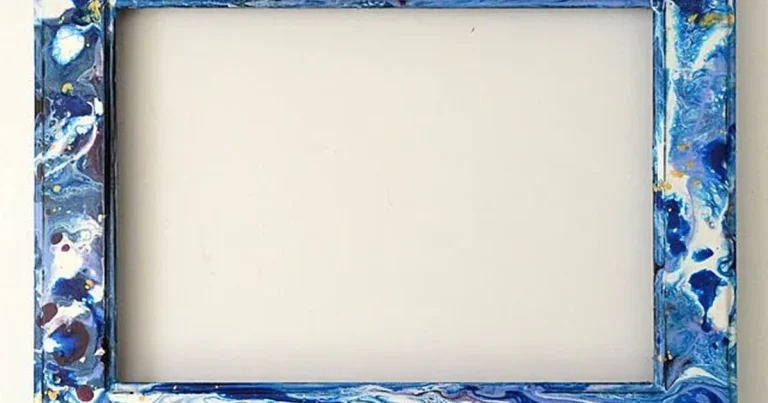
Making a Canvas Frame: Complete Artist’s Guide

Making a canvas frame helps artwork look more finished, balanced, and intentional in the home. The best results come from careful measuring, the right frame style, and a finish that suits both the art and the room.
Making a canvas frame is one of those finishing decisions that quietly changes everything. The right frame can sharpen the artwork’s presence, protect its edges, and help it feel intentional in a room rather than simply placed there.
For art lovers, decorators, and gift-givers, the appeal is often less about decoration and more about proportion, depth, and atmosphere. A well-made frame gives a stretched canvas a cleaner profile, especially in interiors where warm light, books, and layered textures do most of the visual work.
- Presentation: A frame changes how a canvas reads at a glance.
- Style: Floating frames suit modern spaces; traditional frames feel richer.
- Fit: Measure canvas size and depth carefully before building or buying.
- Value: Good craftsmanship can make artwork feel more polished.
- Care: Protect wood, canvas, and finish from humidity and harsh light.
Making a Canvas Frame: Why the Right Frame Changes the Artwork
How a canvas frame affects presentation, depth, and visual impact
A canvas frame does more than outline the image. It creates breathing room around the artwork, which can make color feel more focused and composition feel more resolved.
That small border or shadow line matters in modern homes, where a piece needs to hold its own against furniture, shelving, and wall color. If you are framing a canvas for a living room or hallway, the frame often becomes the difference between “nice art” and a piece that feels curated.
Reader intent: when artists, collectors, and decorators start looking for a better finish
People usually start searching for making a canvas frame when the artwork is already good, but the presentation feels unfinished. Artists may want a cleaner way to show work at home, while collectors often want a more polished display for original canvases or limited editions.
Decorators tend to notice the need when a canvas looks too bare on a large wall, or when the room calls for a more defined edge. If you are still deciding what scale suits your wall, it can help to review what canvas size a beginner should start with before you commit to a frame proportion.
Choosing the Right Canvas Frame Style for Modern Interiors
Floating vs. traditional framing: clean edges, shadow lines, and gallery appeal
Floating frames are especially popular for stretched canvas because they preserve the artwork’s edge while creating a subtle shadow gap. That reveal gives the piece a gallery-like finish without overpowering the image.
Traditional frames can still work beautifully, but they tend to suit canvases that need a more classic or decorative presence. If your interior leans minimal, a floating frame usually feels lighter and more contemporary.
Style trade-offs for minimalist, classic, rustic, and contemporary rooms
Minimalist rooms usually benefit from slim profiles, restrained finishes, and quiet materials. Classic rooms often welcome richer wood tones or deeper frames that echo traditional furniture.
Rustic spaces can handle more texture and visible grain, while contemporary rooms often look best with matte black, soft oak, or pale neutral finishes. The right choice depends on whether you want the frame to blend in or act as a deliberate accent.
- Clean, modern presentation
- Artworks with strong edges or bold color
- Rooms that need visual calm
- You want ornate, traditional ornamentation
- The canvas already has a highly textured edge you want to hide
- Your room needs a more decorative focal point
Practical examples for living rooms, hallways, studios, and bedroom displays
In a living room, a framed canvas often works best when it relates to nearby furniture finishes, such as oak shelving or a dark console. In hallways, a slim frame can help a piece read clearly as people pass by.
Studios usually benefit from simple, durable framing that keeps the focus on making and viewing, not fussing. In bedrooms, softer wood tones or muted painted finishes can help the art feel restful rather than visually loud.
If your room already has several strong textures, keep the frame clean and quiet. A restrained frame often lets the artwork do the emotional work.
Materials and Construction: What Makes a Canvas Frame Last
Wood species, finishes, and the look of natural grain in art-led spaces
Wood remains a favorite for canvas frames because it offers warmth, structure, and a tactile quality that suits art-led interiors. Oak, ash, walnut, and painted hardwood-style finishes each bring a different mood.
Visible grain can be beautiful in rooms that already include natural materials, while smoother finishes may suit a more architectural look. For collectors who like understated refinement, the finish should support the artwork rather than compete with it.
Joinery, stability, and how frame depth supports stretched canvas
Construction matters as much as appearance. A frame that is properly joined and dimensioned will sit more evenly on the wall and better support the stretched canvas over time.
Depth is especially important for thicker canvases and contemporary stretched works. If the frame is too shallow, the canvas can feel cramped; if it is too deep, the proportions may look heavy or awkward.
Curator recommendations for preserving a professional presentation
A professional presentation usually depends on three things: clean corners, consistent spacing, and a finish that suits the artwork’s tone. Even a modest frame can look elevated when these details are handled carefully.
For home displays, the best results often come from choosing quality over complication. A simple, well-proportioned frame tends to age better visually than a busy design that quickly feels dated.
Canvas frames are not one-size-fits-all. Stretcher depth, canvas tension, and the artwork’s edge treatment all affect the final look, so measuring carefully matters more than following a generic frame rule.
Measuring and Planning Before Making a Canvas Frame
Canvas size, stretcher depth, and clearance for a balanced fit
Before making a canvas frame, measure the outer dimensions of the stretched canvas rather than the image area alone. You also need to note stretcher depth, because floating frames are built around that thickness.
Clearance should be enough to create a balanced reveal without making the canvas feel loose inside the frame. A good fit looks intentional, with the artwork centered and the gap even on all sides.
Common sizing mistakes that affect alignment and visual proportion
One common mistake is focusing only on width and height while ignoring depth. Another is assuming that a frame that fits one canvas will suit another of the same size, even when the stretcher bars differ.
Alignment problems can also come from uneven canvas tension or slightly irregular edges. These small issues are easy to miss until the piece is on the wall, which is why careful planning is worth the extra time.
How scale changes when framing oversized works or series pieces
Oversized canvases often need more visual restraint, not more decoration. A larger work can feel elegant with a slim frame and a generous wall margin, while a heavy frame may make it feel crowded.
For series pieces, consistency matters. Matching frame tone and depth across several canvases helps the group read as a cohesive collection, especially in open-plan rooms or stairwell displays.
- Outer canvas dimensions, not just the painted area
- Stretcher depth and frame clearance
- Wall size and nearby furniture scale
- Whether the frame should blend or contrast
- Consistency across multiple works
Step-by-Step Creative Process for Building the Frame
Tools, cutting, assembly, and finishing considerations for a polished result
The process of making a canvas frame usually begins with accurate measuring, then cutting the frame pieces to size, checking miters or joins, and assembling with care. The goal is not just a square frame, but one that feels crisp and balanced around the canvas.
Finishing comes last, whether that means sanding, staining, painting, or sealing the wood. A thoughtful finish should support the room’s palette and protect the surface from daily handling.
Record the canvas width, height, and stretcher depth, then confirm the reveal you want around the edges.
Cut frame pieces carefully and dry-fit them before final assembly to check corners and spacing.
Join the frame securely, then sand and finish it so the surface looks refined from every angle.
How to keep corners crisp and the reveal even around the artwork
Crisp corners make a frame look deliberate, even in a relaxed interior. Uneven reveals, by contrast, can make the artwork feel off-center or slightly improvised.
That is why test-fitting matters so much. It gives you a chance to adjust before the final finish, when correcting a small error becomes much harder.
Wood movement, humidity, and slight canvas irregularities can affect fit over time. If the frame will hang in a bright or humid room, choose materials and finishes with long-term stability in mind.
When to make it yourself versus choosing a ready-made frame
DIY framing can be rewarding if you enjoy precise work and want a custom look. It is especially appealing for unusual sizes, series pieces, or rooms where the frame must match other wood tones closely.
Ready-made frames are often the better choice when you want speed, consistency, or a more polished result without the trial and error. For many buyers, the decision comes down to time, confidence, and how important the final finish is to the room.
Lighting, Placement, and Styling Around the Framed Canvas
How natural light, picture lights, and wall color change the frame’s effect
Lighting can completely change how a canvas frame reads. Natural light may soften the finish during the day, while a picture light can sharpen contours and make the shadow gap more visible in the evening.
Wall color matters too. A pale wall can make a dark frame feel graphic, while a deeper wall can make a lighter wood frame glow more softly.
If you are thinking about how the frame will be lit, it may help to read how to choose a picture light for artwork for a more room-specific approach. The right light often matters as much as the frame itself.
Styling with books, ceramics, and textiles to create a collected interior
Framed canvases often look most natural when they are part of a layered room rather than isolated on a blank wall. Books, ceramics, woven textiles, and a few carefully chosen objects can make the space feel collected over time.
This approach works especially well in reading corners, console table displays, and bedrooms where the art is part of a broader mood. If you enjoy arranging art on furniture surfaces, you may also like how to display framed art on a console table.
Think of the frame as the quiet border between artwork and room. It should not interrupt the mood; it should help the eye settle into it.
Using frame tone to complement art palettes and room mood
Frame tone can echo the palette in subtle ways. Warm oak suits earthy paintings, soft neutrals suit delicate abstracts, and darker finishes can intensify saturated color or monochrome work.
For art with lively color, a quieter frame often lets the palette lead. For very restrained work, a richer frame can add warmth and presence without changing the artwork’s character.
Price Context and Value: What to Expect in 2026
Budget, mid-range, and premium frame considerations for collectors and gift buyers
In 2026, price expectations still vary widely by material, size, finish, and whether the frame is custom or ready-made. Entry-level options may suit casual displays or starter homes, while mid-range frames often offer the best balance of craftsmanship and value.
Premium frames tend to make sense for investment artworks, larger pieces, or gifts where presentation matters deeply. For a thoughtful art gift, it is worth considering the recipient’s room style as much as the artwork itself; our guide on what makes a good gift for an art lover can help with that decision.
Best for simple, smaller displays
Balanced choice for most homes
Best for custom sizes and refined finishes
Where craftsmanship matters most and where simple design is enough
Craftsmanship matters most at the corners, joints, and finish, because those are the details people notice up close. If the frame will be viewed frequently, those small refinements make the piece feel complete.
Simple design is enough when the artwork is strong and the room already has a lot going on. In that case, restraint can be the most elegant choice.
How a well-made canvas frame can elevate perceived value of the artwork
A well-made frame often changes how people read the artwork before they have even looked closely at the image. It signals care, intention, and a certain confidence in the piece.
That is especially true for gifts and collector displays. A thoughtful frame can make a canvas feel more finished, more display-ready, and more like part of the home’s visual story.
Hurrell Editions editorial view
Care Tips and a Creative Recap for Long-Term Display
Dusting, handling, humidity awareness, and protecting the frame finish
Canvas frames are relatively low-maintenance, but they do appreciate gentle care. Dust with a soft cloth, avoid harsh cleaners, and handle the frame by the sides rather than pressing on the canvas edge.
Humidity can affect wood and canvas over time, so it is wise to keep framed work away from damp corners, radiators, and strong direct sunlight. If the artwork is especially delicate, the frame finish should be chosen with preservation in mind.
Final recap: making a canvas frame as part of thoughtful, artful living
Making a canvas frame is really about finishing a visual idea with clarity. It helps the artwork sit more comfortably in the room, brings structure to the display, and gives even simple interiors a more curated feel.
Whether you choose to build one yourself or buy a ready-made option, the best frame is the one that respects the artwork, suits the room, and feels quietly right every time you walk past it.
- A canvas frame improves presentation, depth, and visual balance.
- Floating frames suit modern interiors, while traditional styles feel more decorative.
- Careful measuring and material choice are essential for a clean fit.
- Lighting, wall color, and nearby decor all affect how the frame reads.
- Good craftsmanship can make the artwork feel more finished and valuable.
Recommended Products
SHOP THIS SETUP
MCS Industries Canvas Float Frame, Black, 16 x 20 Inches
This is a practical, widely available canvas floater frame that gives stretched artwork a clean gallery-style presentation without overwhelming the piece. Its simple black finish works well with modern, abstract, and photographic canvases, making it a strong fit for readers looking to frame a canvas neatly and affordably.
Frequently Asked Questions
Floating frames are often the best fit for stretched canvas because they create a clean reveal around the edges. Traditional frames can work too, especially in more classic or decorative interiors.
Measure the outer width and height of the stretched canvas, not just the painted area. Also note the stretcher depth so the frame has enough clearance to sit correctly.
Yes, if you are comfortable with accurate measuring, cutting, and careful assembly. DIY is a good option for custom sizes or matching a specific room style.
Hardwoods and stable wood finishes are popular because they offer durability and a refined look. The best choice depends on whether you want visible grain, a painted finish, or a more minimal profile.
Costs vary by size, material, and whether the frame is custom or ready-made. Entry-level frames suit simple displays, while mid-range and premium options are better for larger, more important, or gift-worthy pieces.
Dust it gently, avoid harsh cleaners, and keep it away from high humidity and direct sunlight when possible. Handle it carefully so the frame finish and canvas edges stay in good condition.