Best Architecture Coffee Table Books for Home Display

Architecture coffee table books bring style and substance to living rooms. They show striking photos, smart diagrams, and clear writing that explain buildings, materials, and design ideas. People pick them both for visual impact and for the chance to learn about architecture without heavy textbooks.
Buyers should look at image quality, book size, and how the content fits their space and taste. Hardcover editions with high-resolution photography make a stronger display, while smaller formats suit tight shelves. Choose books that balance beautiful photography with accessible text so they look great and invite casual reading.
10 Best Architecture Coffee Table Books for Home Display
They chose books that blend striking photography, clear layouts, and sturdy covers to look great on a coffee table. This list highlights titles that offer visual appeal and accessible insight into architecture for any home.
Architectural Digest at 100

This book is worth buying for someone who wants a high-quality, photo-rich coffee table book that traces a century of design and celebrity homes.
Pros
- Rich, high-quality photography that displays well.
- Strong historical scope across 100 years of design.
- Sturdy, elegant format suited for display.
Cons
- Large and heavy, which can make it awkward to handle.
- Higher price range at times.
- Some copies may show wear from shipping or lack protective cover.
It collects striking images and archival material from Architectural Digest. The photos and layouts give homes a museum-like feel when left out on a table.
Readers will find a wide span of styles and eras, useful for inspiration or conversation. The design-focused essays and captions add context without overwhelming casual browsers.
The size and weight help it look substantial on a coffee table, but they also make it less portable. Overall, it fits well in a living room where display matters more than frequent handling.
Buy or view it on Amazon: Architectural Digest at 100
Call It Home

This book is a strong pick for anyone who wants a stylish, photo-rich coffee table book that highlights small design details that make a home feel finished.
Pros
- Beautiful, high-quality photography that reads well on a coffee table.
- Focuses on small, practical design touches readers can apply at home.
- Compact size and sturdy feel that suits living-room display.
Cons
- Not a technical architecture text; more about decor and details than plans.
- Some readers may want more variety in room styles and budgets.
- A narrower focus might not satisfy those seeking deep historical context.
Call It Home presents tight, well-shot images and short, focused text about the little things that change a room’s feel. The pace suits casual flipping and guest browsing rather than deep study.
The book’s smaller footprint and solid construction make it easy to place on a coffee table without overwhelming the room. Photography and styling aim to inspire practical choices, from trim and hardware to textiles and lighting.
Readers looking for big architectural theory or floor plans might find the coverage light. For someone who wants visual inspiration and simple, usable ideas, it works well as a display piece and a quick reference.
Call It Home: The Details That Matter
Ralph Lauren: A Way of Living

This book is a strong pick for buyers who want a heavy, image-rich coffee table volume that shows Ralph Lauren’s aesthetic and decorating ideas.
Pros
- Rich photography and styling that fit classic, elegant interiors
- Large, substantial format that reads like a decorative object
- Wide range of homes and styles for visual inspiration
Cons
- Very heavy and takes up table space
- Some photos feel lower resolution than expected
- Not a how-to guide; mostly visual and inspirational
The book reads like a curated tour of Ralph Lauren’s world, with many styled rooms and signature looks. It suits someone who wants a showpiece on a coffee table rather than a technical design manual.
Photography and layout drive the experience. Readers will find glossy spreads and themed sections that highlight different moods and eras of Lauren’s work.
Some buyers note uneven image quality and would prefer sharper prints for the price. Still, the volume works well as decor and a source of styling ideas for classic interiors.
The Finer Things

It’s a strong pick for buyers who want a stylish, photo-rich coffee table book that showcases classic interiors and design details.
Pros
- Gorgeous photography and high production feel
- Wide range of timeless furniture and textile examples
- Serves well as both inspiration and decor
Cons
- Some images vary in resolution quality
- Heavier and larger than typical coffee table books
- Not a step-by-step how-to design manual
The book presents many well-photographed interiors and close-ups of furniture and fabrics. It focuses on timeless pieces and details, so readers get a steady stream of classic looks rather than trendy fads.
The layout mixes full-page images with concise text that explains design ideas without overwhelming the reader. That balance helps it work as both a browsing book and a reference for style choices.
Buyers should expect a substantial volume with solid binding and a premium cover. It fits neatly on a living room table and often draws attention for its visual appeal.
More information and purchasing options: The Finer Things
Live Beautiful

It is a stylish, well-photographed coffee table book that works best for readers who want design inspiration and approachable styling tips.
Pros
- Strong, polished photography that reads well on a coffee table.
- Practical styling advice mixed with room-by-room inspiration.
- Attractive size and cover that add decorative height to a stack.
Cons
- Some buyers report fragile shipping and dented corners on arrival.
- Not a deep technical manual for professional architects.
- A focused design voice that may not suit every taste.
The book shows Athena Calderone’s calm, curated aesthetic in clear photos and short essays. It blends visual inspiration with usable tips rather than dense theory.
It fits nicely on a living room table and can spark conversation without overwhelming guests. The pages feel designed for casual browsing and quick reference.
Buyers who want a pretty, practical design book will find it useful; those seeking technical architectural history should look elsewhere.
Eat Drink Nap

This book is a strong pick for buyers who want a stylish, usable coffee table book full of photos, recipes, and decorating ideas.
Pros
- Beautiful, colorful photography that fits many home styles
- Mix of recipes and décor ideas offers practical inspiration
- Sturdy, high-quality cover that looks good on display
Cons
- Heavier than typical coffee table books, so it feels bulky
- Some readers may want deeper design theory rather than lifestyle tips
- Shipping times mentioned in reviews can be slow
Eat Drink Nap blends warm lifestyle photos with simple recipes and decorating notes. It uses bright, layered images that look inviting on a living room or bedroom table.
The book’s size and fabric-like cover make it a clear display piece. It also contains usable content, so guests can flip through recipes and styling ideas.
They should consider the weight and space needed for the book. For someone seeking pure architectural analysis, this leans more toward home lifestyle and décor than technical design theory.
This is Home
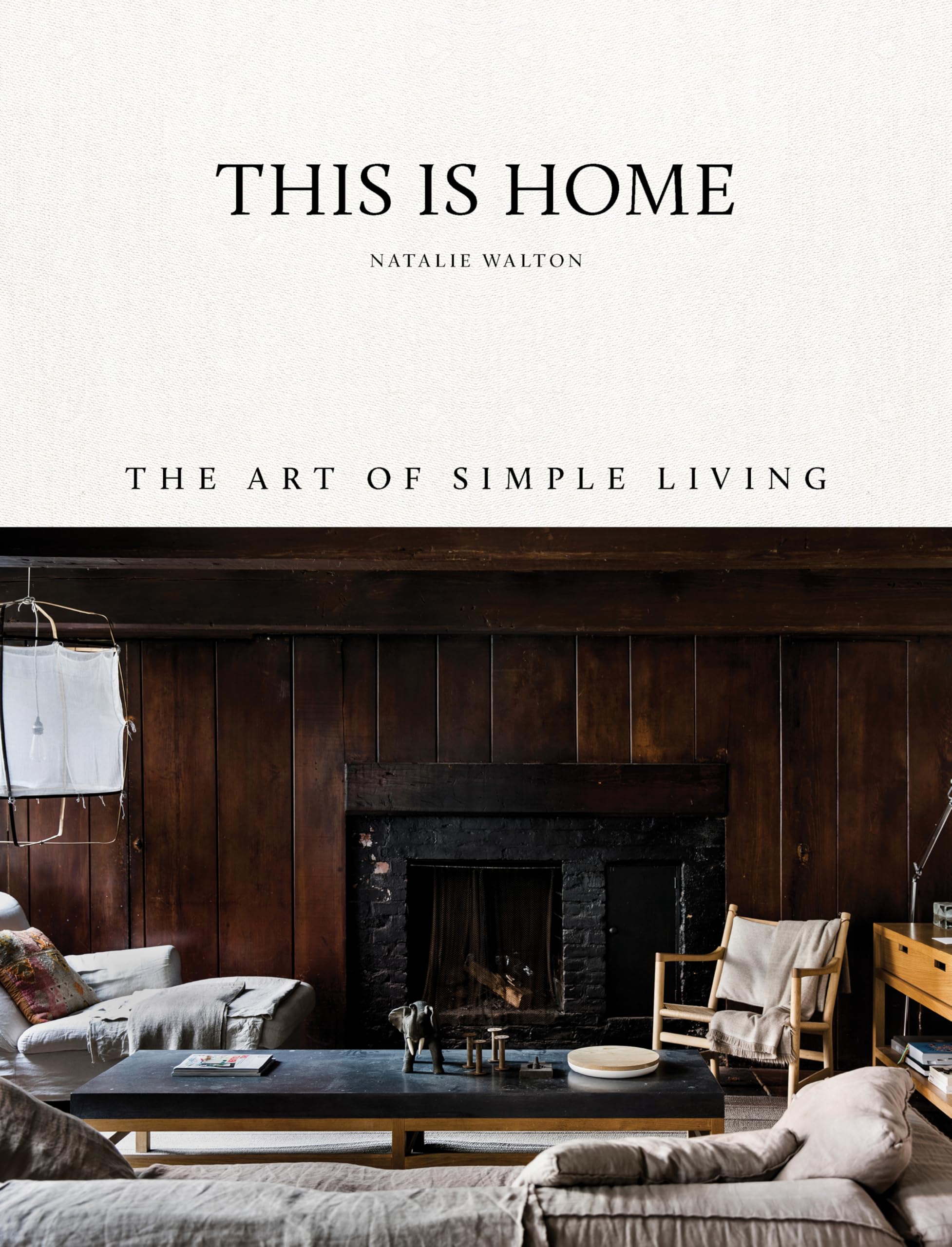
This book is a strong pick for buyers who want a calm, stylish coffee table piece that highlights simple, lived-in interiors.
Pros
- Calm, well-composed photography that fits neutral decor
- Good size and visual weight for display
- Affordable compared with some design books
Cons
- Content favors mood over practical how-to guidance
- Some copies may arrive with light scuffs from shipping
- Limited depth for readers seeking technical design detail
The photographs focus on airy rooms, natural light, and muted palettes, making it easy to pair this book with many living spaces. It reads like an invitation to simplify rather than a manual for redesign.
Text and image balance leans toward inspiration. Short essays and photo spreads highlight personal touches and everyday objects, which helps the book feel relatable on a coffee table.
Buyers who want heavy reference material or step-by-step design plans may find it light. Those looking for a pretty, calming volume to display will likely appreciate its aesthetic and size.
Parisian by Design

It is a strong pick for buyers who want a visual, photo-led book of Parisian interiors to display and flip through for inspiration.
Pros
- Stunning photography that makes a table look curated.
- Wide variety of Parisian styles to spark ideas.
- High production quality and tactile appeal.
Cons
- Limited technical or how-to content.
- Some layouts feel more decorative than practical.
- Not ideal for readers seeking historical or academic depth.
The book focuses on striking images and mood rather than step-by-step design lessons. Readers will find layered rooms, bold wallpaper choices, and eclectic mixes that look great on a coffee table.
It suits people who want visual inspiration and a stylish conversation piece. Those seeking detailed color theory, measurements, or instructions may feel the coverage is light.
The format and print quality make it a good display object, and the photos reward repeated browsing. Visit the listing for more details: Parisian by Design: Interiors by David Jimenez.
Cathedrals (Rizzoli)

It is worth buying for a home display if someone wants large, well-crafted photos and clear historical notes about major cathedrals.
Pros
- Strong photography that looks good on a coffee table
- Solid hardcover presence and high-quality printing
- Broad geographic coverage with readable context
Cons
- Smaller physical size than some coffee table books
- Weight feels heavy for its compact dimensions
- Text can be dense for casual browsers
This book shows famous cathedrals through vivid images and focused essays. It works well as a visual anchor on a living room table and invites guests to browse.
The layout pairs photographs with concise historical and engineering notes. It keeps descriptions straightforward, so readers learn the basics without getting lost in jargon.
Pages span many regions, so it offers variety rather than a single-style focus. It suits someone who wants a balanced mix of artful pictures and informative captions for home display.
Architectural Digest at 100
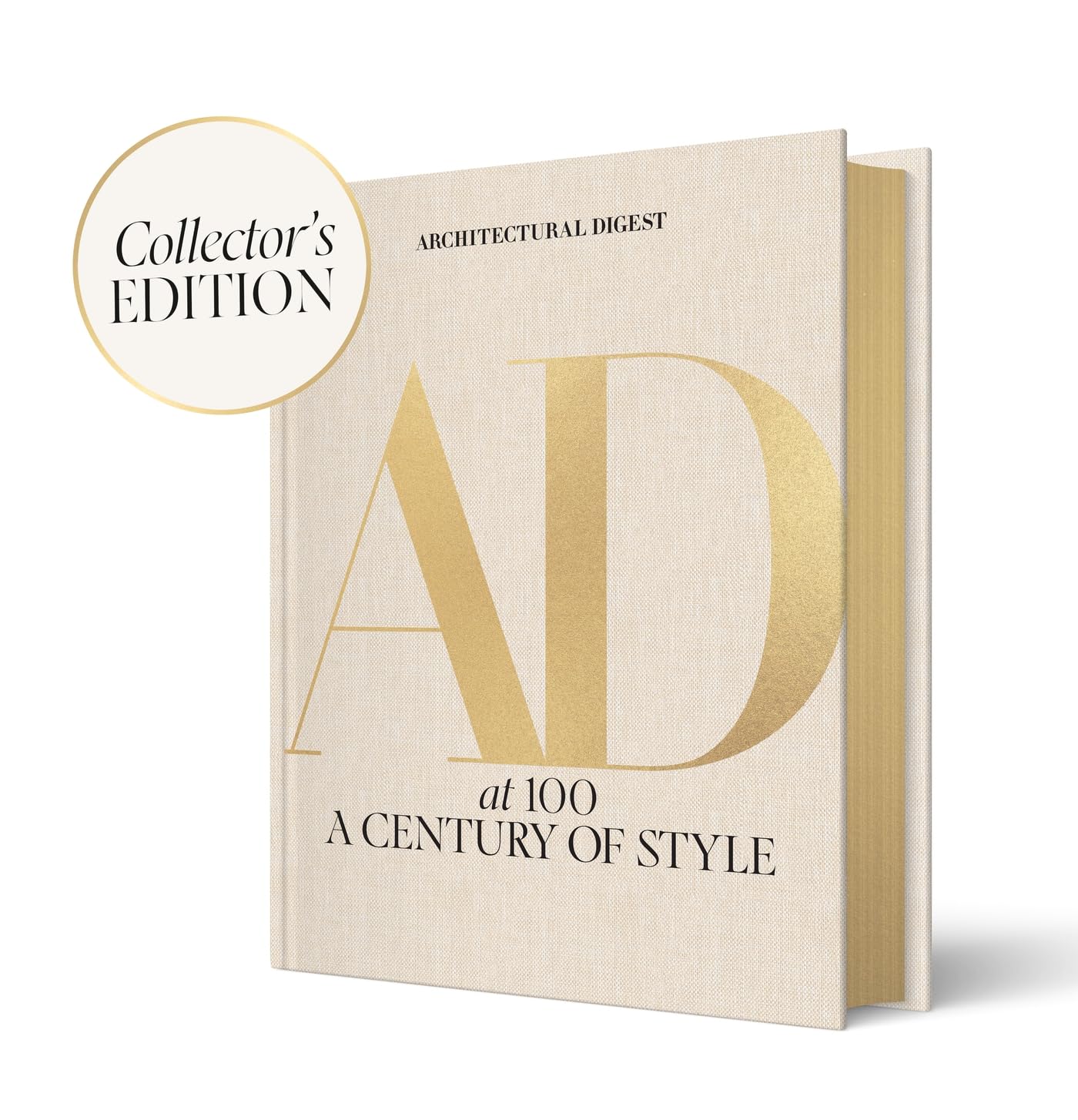
This oversized collector’s book makes a strong visual statement for anyone who wants a stylish coffee table centerpiece.
Pros
- Luxurious look with gilt-edged pages and strong visual curation
- Large format with many high-quality photographs
- Good for showing a range of global interiors and classic design
Cons
- High price for some buyers
- Some copies may show wear to gold edges or minor shipping damage
- Heavy and bulky to move or store
The book works as a decorative focal point while offering a broad survey of admired interiors. It gathers iconic images and short essays that suit casual browsing or quick inspiration.
Readers should expect a heavy, impressive volume that leans more toward visual display than deep architectural theory. Some buyers report scuffed or rubbed gilt edges and occasional bent corners in shipped copies, so inspect on arrival.
This edition fits well on large coffee tables, shelves, or entry consoles where visual impact matters most. It suits people who want a polished, photo-rich book to complement modern or classic decor.
Buying Guide
They should start by checking size and scale. A book that is too large can overwhelm a table; a too-small book may look lost. Measure the table and imagine how the book will sit with other items.
They should consider cover and print quality. Look for sturdy covers and high-resolution photos. Thick, matte pages usually look better and last longer.
They should think about theme and content. Choose books that match the room’s style—modern, classic, or experimental. The images should feel cohesive with the home’s decor.
They should weigh durability and materials. Hardcover bindings resist wear and keep shape. Paper weight and binding type affect how the book lies open and how long it lasts.
They should decide on color and tone. Neutral or limited palettes blend easily; bold colors make a statement. Match or contrast with existing textiles and finishes.
They should set a budget and value. Higher price can mean better printing and materials but not always. Compare sample pages or previews when possible.
They should plan the display arrangement. Think about stacking, pairing with small objects, or using a single book as a focal point. Balance height, color, and texture for a polished look.
They should check sourcing and editions. Recent editions may have updated photography. Special editions might include extra images or notes but are not required for a good display.
Editor’s picks
They chose books that balance visual impact and solid content. Each book works well on a coffee table and sparks conversation.
- Bold imagery: Titles with large photographs and clean layouts make a strong visual statement. They draw the eye without overwhelming a room.
- Design variety: Picks include modern, classic, and regional architecture. This gives options for different décor styles.
| Title (example) | Why it stands out |
|---|---|
| Monumental Houses | Large spreads and crisp photos that show scale and detail. |
| Modern Living | Clean layouts and practical design shots for contemporary homes. |
| Cities and Forms | Good for readers who like urban planning and skyline views. |
They prioritized books with sturdy bindings and attractive covers. Hardcovers and sewn spines hold up to display and handling.
They also valued clear captions and accessible text. Short essays and informative captions help guests understand what they see without needing deep architectural knowledge.
Editor’s picks
They chose books that look great on a table and teach about design. Each pick balances visuals, size, and layout for display.
- Architecture: Form, Space, and Order — A clear primer with diagrams and photos. It fits both small and large coffee tables.
- Atlas of Mid-Century Modern Houses — Strong photography and clean layouts. It brings color and shape to a room.
- The Phaidon Atlas of Contemporary World Architecture — Broad survey, dense images, good for browsing. It works well as a reference and a display piece.
- Elements of Style: Designing a Home and a Life — Combines personal essays with architecture photos. It adds a human touch to the display.
| Title | Why it works for display | Best table types |
|---|---|---|
| Architecture: Form, Space, and Order | Simple cover, timeless diagrams | Minimal, wood, glass |
| Atlas of Mid-Century Modern Houses | Bold photography, colorful | Retro, modern, low |
| Phaidon Atlas of Contemporary World Architecture | Large format, rich images | Large, statement |
| Elements of Style | Mix of text and photo | Living room, bedside |
They prioritized books with sturdy bindings and attractive covers. Each choice reads well and looks intentional when placed on a coffee table.
Frequently asked questions
What makes a good architecture coffee table book for display?
A good book has strong visuals, good print quality, and a cover that matches the room’s style. Size and spine design also help if it will sit on a shelf or table.
How many books should someone display together?
They can display one bold book as a focal point or stack two to four for balance. Odd numbers often look more natural, but the space and scale matter most.
Should the book match the room’s color scheme?
It does not have to match exactly. Neutral covers work in most rooms, while a single accent color can tie the display to other decor items.
Are photography books better than theory or monographs for display?
Photography books usually catch the eye more, while theory books suit readers who prefer text. Mixing both types gives visual interest and depth.
How should one care for these books?
Keep them out of direct sunlight and away from damp areas. Dust regularly and avoid stacking heavy objects on top to prevent warping.
Where can someone find high-quality options?
They can check museum shops, publisher websites, and specialty bookstores. Reviews and preview pages help assess image quality and layout before buying.
Conclusion
A well-chosen architecture coffee table book adds style and substance to a room. It can serve as art, a conversation starter, and a source of daily inspiration.
Readers should pick books that match their taste and space. Large, image-rich volumes suit wide coffee tables, while slim, modern books work on smaller surfaces.
Mixing eras and styles creates balance. Pair contemporary monographs with classic surveys to show range and depth.
Consider usability as well as looks. Durable covers, lay-flat bindings, and clear captions make books easier to share and enjoy.
Presentation matters. Stack by size for a neat look, or fan a single standout book to draw the eye. Small decorative objects can add texture without clutter.
They can also reflect personal interests. A book about urban design signals curiosity about cities, while a book on residential architecture shows an eye for homes.
Choose a few key pieces, rotate them seasonally, and keep surfaces tidy. That approach keeps displays fresh and intentional.